Understanding the Current State of Municipal Sewage Treatment in Tanzania
Approximately 90% of Tanzania's urban population relies on on-site sanitation systems, with pit latrines accounting for 80% and septic tanks representing 10% of total coverage. This reliance on decentralized, often sub-standard systems creates significant pressure on urban environments, especially during rainy seasons when these facilities are prone to overflow. While centralized sewerage networks exist in major cities like Dar es Salaam, Mwanza, and Arusha, they often serve less than 10% of the population. Historical data indicates that even where centralized systems are installed, treated effluent frequently fails to meet prescribed national discharge standards due to system overloading or mechanical failures at the headworks.
The limitations of existing wastewater infrastructure Tanzania are further exacerbated by the mixing of raw sewage with stormwater streams in areas lacking formal drainage. This results in the contamination of local water bodies and the clogging of existing infrastructure with solid waste. The management of fecal sludge remains a critical challenge; improper handling and disposal of sludge from on-site facilities lead to the spread of pathogenic microorganisms and environmental degradation. Addressing these gaps requires a transition from basic containment to modern, biological treatment processes that can handle the complexities of rapidly growing urban centers.
Significant investments are currently being channeled into urban sanitation projects Tanzania to bridge these infrastructure gaps. For instance, the €150 million Lake Victoria Water and Sanitation (LVWATSAN) project has successfully implemented large-scale solutions, including the Butimba water treatment plant which handles 44,000 cubic meters per day. However, the need for scalable, localized package wastewater treatment plants in Africa remains high for smaller municipalities and peri-urban developments that cannot yet be connected to a centralized grid.
Key Design Considerations for Municipal Sewage Treatment Plants in Tanzania
Tanzanian municipal wastewater design must accommodate high hydraulic variability and population growth rates that often exceed 5% annually in urban centers. Engineering a municipal sewage treatment plant in Tanzania requires a precise calculation of population equivalents (PE) and daily flow rates. For medium-to-large scale projects, designs often target capacities ranging from 10,000 to over 40,000 m³/day, while decentralized community systems may range from 100 to 2,000 m³/day. Future-proofing these systems involves modular design, allowing for the addition of treatment trains as the population density increases.
Effluent discharge standards in Tanzania are governed by the National Environment Management Council (NEMC). Compliance requires robust secondary and tertiary treatment to ensure that parameters such as Biochemical Oxygen Demand (BOD), Chemical Oxygen Demand (COD), and Total Suspended Solids (TSS) fall within safe limits for discharge into sensitive ecosystems like Lake Victoria or the Indian Ocean. Given the tropical climate, biological processes are highly effective, but they must be protected from high grit loads and solid waste common in Tanzanian influent.
Site constraints and energy costs are the primary drivers for technology selection. In densely populated areas like Dar es Salaam, land availability is limited, necessitating a shift toward comparing underground sewage treatment systems which minimize footprint and odor impact. With fluctuating energy prices and grid reliability issues, engineers must prioritize energy-efficient aeration systems and, where possible, gravity-fed processes to reduce operational expenditures (OPEX). Effective sludge management is also mandatory; systems must include integrated dewatering to reduce the volume of waste transported to landfills, addressing the historical issues of illegal sludge dumping.
Modern Technologies for Municipal Sewage Treatment in Tanzania
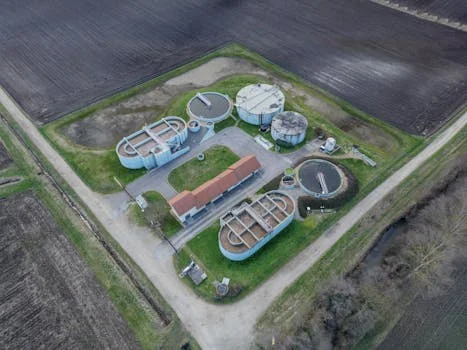
Integrated Membrane Bioreactor (MBR) systems reduce the physical footprint of treatment facilities by up to 60% compared to conventional secondary clarifiers while producing effluent suitable for non-potable reuse. These systems are particularly effective for water reuse Tanzania initiatives, where treated water can be repurposed for irrigation or industrial cooling. By combining activated sludge treatment with high-efficiency membrane filtration, MBR wastewater treatment systems eliminate the need for secondary sedimentation tanks and provide a physical barrier to bacteria and viruses.
For smaller municipalities, residential estates, or decentralized urban pockets, integrated package sewage treatment plants (such as the WSZ Series) offer a pre-engineered, "plug-and-play" solution. These units typically utilize an Anoxic/Oxic (A/O) biological process, which is highly effective for nutrient removal (nitrogen and phosphorus). Their underground configuration protects the equipment from environmental exposure and minimizes the aesthetic impact on the surrounding community. These systems are designed for low maintenance, requiring minimal specialized labor to operate effectively.
While Conventional Activated Sludge (CAS) remains a viable option for very large-scale municipal works due to its lower initial capital cost, it is increasingly being optimized with modern pre-treatment and disinfection technologies. The integration of rotary mechanical bar screens for municipal headworks is essential in the Tanzanian context to prevent the high volume of plastic waste and debris from damaging downstream mechanical components.
| Technology Type | Typical Capacity Range | Footprint Requirement | Effluent Quality (BOD/TSS) | Best Application in Tanzania |
|---|---|---|---|---|
| Integrated Package Plant (WSZ) | 1 – 80 m³/h | Minimal (Underground) | < 20 mg/L | Small towns, hospitals, schools |
| MBR System | 10 – 2,000+ m³/day | Low (Compact) | < 5 mg/L | Water reuse, sensitive environments |
| Conventional Activated Sludge | > 5,000 m³/day | High (Large basins) | 20 - 30 mg/L | Large-scale centralized municipal works |
| A/O Biological Process | 50 – 5,000 m³/day | Moderate | < 15 mg/L | Nutrient-sensitive discharge zones |
For more detailed insights into advanced filtration, engineers can refer to MBR wastewater treatment systems in Africa, which details the ROI and operational benefits of membrane technology in similar climatic and economic conditions.
Essential Equipment and Process Components for Robust STPs
Primary screening using rotary mechanical bar screens removes up to 95% of large debris and suspended solids, protecting downstream pumps and sensitive membrane modules from mechanical damage. In Tanzanian municipalities, where "flushable" wipes and plastic bags often enter the sewer stream, the headworks must be equipped with automated screens. The GX Series of rotary screens is specifically designed for continuous operation, ensuring that the biological treatment stage is not compromised by inorganic solids that could settle in aeration tanks or clog diffusers.
The core of biological treatment municipal sewage involves the controlled breakdown of organic matter by microorganisms. In A/O and MBR systems, fine-bubble diffusers provide the necessary oxygen for aerobic bacteria to oxidize BOD and ammonia. The efficiency of this process is highly dependent on the "Mixed Liquor Suspended Solids" (MLSS) concentration; MBR systems can operate at significantly higher MLSS levels (8,000–12,000 mg/L) than conventional systems, leading to more stable treatment even under fluctuating organic loads.
Disinfection is the final, critical barrier for public health protection. Chlorine Dioxide Generators for pathogen control are increasingly preferred over traditional chlorine gas due to their superior efficacy against viruses and cysts, as well as their reduced formation of harmful disinfection by-products. This is vital for plants discharging into rivers that serve as downstream water sources for rural communities.
Finally, the management of waste activated sludge (WAS) must be addressed through mechanical dewatering. Utilizing sludge dewatering filter presses allows municipalities to transform liquid sludge (98% water) into a dry cake (65-75% moisture). This volume reduction significantly lowers transportation costs and makes the sludge easier to handle for potential composting or safe disposal, solving one of the most persistent wastewater management regulations Tanzania compliance issues.
Navigating Compliance and Funding for Sewage Projects in Tanzania
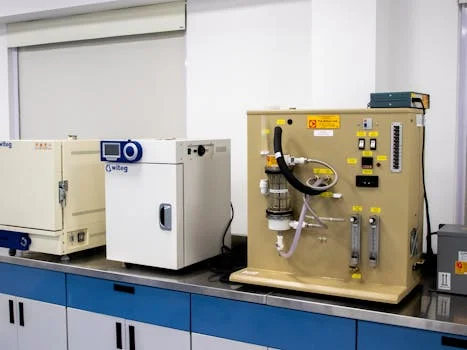
The National Environment Management Council (NEMC) oversees wastewater discharge compliance in Tanzania, requiring municipal projects to align with the Environmental Management Act of 2004. Compliance is not merely about meeting numeric limits for BOD and COD; it involves rigorous Environmental Impact Assessments (EIA) during the planning phase and continuous monitoring during operation. Municipalities must ensure that their chosen technology can consistently meet these standards even during peak flow events or power interruptions.
Funding for sewage treatment solutions Africa generally flows through three primary channels: government budgetary allocations, international development banks, and public-private partnerships (PPPs). The European Investment Bank (EIB) and the World Bank have been instrumental in financing large-scale projects like the LVWATSAN. For smaller, private-sector-led developments, such as industrial zones or large residential complexes, financing is often tied to the demonstrated ROI of the system, particularly through water reuse savings and reduced regulatory fines.
Long-term project sustainability depends on the "Life Cycle Cost" rather than just the initial procurement price. When evaluating solutions, project managers should consider the availability of local spare parts, the energy requirements per cubic meter of treated water, and the complexity of the required operator training. Modern integrated systems often provide the best balance, as they reduce the need for extensive on-site civil works and can be monitored remotely to ensure ongoing compliance with wastewater management regulations Tanzania.
Frequently Asked Questions About Municipal Sewage Treatment in Tanzania
Which country has the best sewage treatment plant?
Singapore and Israel are global leaders in municipal sewage treatment, particularly in the realm of high-grade water recycling (NEWater). In the African context, South Africa and Egypt have some of the most advanced large-scale centralized facilities, though Tanzania is rapidly catching up through modern MBR and package plant implementations.
What are the primary challenges for wastewater management in Tanzanian urban centers?
The primary challenges include a low percentage of households connected to centralized sewers (under 10%), inadequate pre-treatment leading to equipment damage from solid waste, and the high cost of energy for aeration. Additionally, the lack of formal sludge disposal sites often leads to environmental contamination.
What are the most cost-effective sewage treatment technologies for small to medium-sized municipalities in Tanzania?
Integrated package sewage treatment plants (WSZ Series) are generally the most cost-effective for smaller populations. They minimize civil engineering costs, require less land, and are easier to maintain than large-scale custom-built concrete plants.
How can municipal sewage plants in Tanzania ensure compliance with discharge standards?
Compliance is ensured by selecting robust biological processes (like MBR or A/O), implementing automated primary screening to protect the system, and including a reliable disinfection stage (Chlorine Dioxide) to meet microbial limits. Regular effluent testing as mandated by NEMC is also essential.
What is the typical lifespan and maintenance requirement for modern municipal sewage treatment equipment?
Modern equipment like stainless steel bar screens and high-quality filter presses typically have a lifespan of 15–20 years with proper maintenance. MBR membranes usually require replacement every 5–8 years depending on the influent characteristics and cleaning protocols.