
Hospital wastewater in Kampala requires treatment to meet Uganda’s NEMA discharge limits (BOD < 50 mg/L, COD < 250 mg/L, fecal coliform < 1,000 CFU/100 mL). A 2024 pilot at Lubaga Hospital demonstrated that solar-powered MBR systems achieve 95%+ removal of pathogens and organic matter, with capital costs of $120,000–$180,000 for a 20 m³/day system. Compliance, energy resilience, and water reuse are key drivers for equipment selection.
Why Hospital Wastewater Treatment in Kampala is Non-Negotiable
Untreated hospital wastewater poses significant public health and environmental risks in Kampala, necessitating robust treatment solutions to comply with national regulations. Uganda's National Environment Management Authority (NEMA) mandates stringent discharge limits for hospital effluent, specifically targeting parameters such as Biochemical Oxygen Demand (BOD < 50 mg/L), Chemical Oxygen Demand (COD < 250 mg/L), Total Suspended Solids (TSS < 50 mg/L), and fecal coliform (< 1,000 CFU/100 mL), along with limits for heavy metals (NEMA 2023 standards). Failure to meet these standards can lead to severe penalties, including substantial fines and operational restrictions. The health risks associated with untreated hospital wastewater are well-documented; a 2019 study on hospital waste management in Kampala revealed that over 93% of waste was incorrectly segregated at the source, leading to mixed waste streams that complicate treatment and increase pathogen dissemination. Such practices contribute to the spread of infectious diseases and antimicrobial resistance in the community. Addressing these challenges, a 2024 pilot project at Lubaga Hospital in Kampala successfully implemented a solar-powered MBR system for hospital wastewater, featuring a 25 m² ultrafiltration (UF) module. This system achieved over 95% removal of pathogens and organic matter, demonstrating the viability of advanced treatment technologies for energy resilience in Kampala's infrastructure. Kampala's ongoing wastewater surveillance program (2022–2024), which monitors four key treatment centers, actively tracks pathogens like SARS-CoV-2 and emerging antimicrobial resistance markers in the city's wastewater, underscoring the critical need for effective hospital wastewater treatment to protect public health.
Uganda’s Regulatory Landscape: NEMA, MoH, and International Standards
Compliance with Uganda's environmental regulations is paramount for all healthcare facilities operating in Kampala, with NEMA 2023 standards serving as the primary benchmark for wastewater discharge. The NEMA Wastewater Discharge Standards (2023) for hospitals specify strict numeric limits for key pollutants. For instance, BOD must be less than 50 mg/L, COD less than 250 mg/L, TSS less than 50 mg/L, and fecal coliform less than 1,000 CFU/100 mL. Heavy metals, such as mercury, are limited to extremely low concentrations, typically below 0.01 mg/L. Beyond NEMA, the Uganda Ministry of Health (MoH) provides comprehensive guidelines for healthcare waste management, covering aspects like waste segregation at the source, safe onsite storage protocols, and appropriate treatment and disposal methods to minimize public health risks. These guidelines are crucial for operational compliance and for establishing best practices within healthcare settings. When compared with international benchmarks, Uganda's standards align with global efforts to manage medical waste effectively. For example, the WHO Guidelines for Safe Wastewater Use in Agriculture (2023) emphasize similar pathogen reduction targets for water reuse, while the EU Urban Waste Water Directive 91/271/EEC sets precedents for comprehensive wastewater treatment in urban areas. Non-compliance with NEMA regulations carries severe penalties, including fines up to UGX 100 million (approximately $27,000 USD) or, in extreme cases, the closure of the facility, as stipulated by NEMA 2023. Understanding and adhering to these regulations is not just a legal obligation but a critical component of responsible hospital operations in Kampala.
| Parameter | NEMA 2023 Discharge Limit for Hospital Effluent | Typical Influent (Untreated Hospital Wastewater) |
|---|---|---|
| BOD₅ | < 50 mg/L | 300–800 mg/L |
| COD | < 250 mg/L | 600–1,500 mg/L |
| TSS | < 50 mg/L | 200–500 mg/L |
| Fecal Coliform | < 1,000 CFU/100 mL | 10⁶–10⁸ CFU/100 mL |
| pH | 6.0–9.0 | 6.5–8.5 |
| Mercury (Hg) | < 0.01 mg/L | Trace – 0.1 mg/L |
Treatment Technologies for Kampala Hospitals: MBR vs. DAF vs. Chemical Dosing

Selecting the optimal wastewater treatment technology for a hospital in Kampala depends critically on influent characteristics, desired effluent quality, site constraints, and operational budgets. Membrane Bioreactor (MBR) systems are highly effective for comprehensive treatment, achieving over 95% pathogen removal and producing effluent suitable for non-potable water reuse applications. These solar-powered MBR systems for hospital wastewater offer a significantly smaller footprint, up to 60% less than conventional activated sludge systems, making them ideal for urban hospitals with limited space. The Lubaga Hospital pilot demonstrated a 20 m³/day MBR system utilizing a 25 m² UF module, showcasing its efficiency and compatibility with solar power for enhanced energy resilience. Dissolved Air Flotation (DAF) systems excel in pre-treatment for high-solid and high-fat, oil, and grease (FOG) waste streams, achieving over 90% removal of TSS and FOG. DAF systems for high-solid hospital wastewater are particularly beneficial for specific hospital departments like surgical theaters, laundries, and kitchens, which generate concentrated waste that can overwhelm biological treatment stages. Chemical dosing, often using chlorine dioxide generators for hospital effluent disinfection or ozone, provides highly effective disinfection, achieving 99%+ pathogen inactivation. However, these methods require a consistent power supply and reliable chemical procurement, which can be challenging given Kampala’s intermittent grid power and supply chain logistics. For large facilities like Mulago National Referral Hospital (1,500 beds) with diverse and high-volume waste streams, hybrid systems combining MBR and DAF offer a robust solution, leveraging the strengths of each technology. The choice among these technologies must consider process parameters such as influent/effluent quality targets, available footprint, energy consumption, and maintenance requirements to ensure long-term operational success.
| Technology | Primary Application | Typical Removal Efficiency (Pathogens/BOD/TSS) | Footprint (m²/m³/day) | Energy Use (kWh/m³) | Maintenance Complexity |
|---|---|---|---|---|---|
| Membrane Bioreactor (MBR) | Comprehensive treatment, water reuse | 95%+ (Pathogens, BOD, TSS) | 0.5–1.0 | 0.8–1.2 | Medium (membrane cleaning) |
| Dissolved Air Flotation (DAF) | Pre-treatment (high TSS, FOG) | 90%+ (TSS, FOG) | 0.3–0.6 | 0.3–0.5 | Low-Medium (sludge handling) |
| Chemical Dosing (ClO₂, Ozone) | Disinfection (post-treatment) | 99%+ (Pathogens) | 0.1–0.3 | 0.1–0.2 (plus chemical cost) | Low (chemical handling, dosing calibration) |
Engineering Parameters for Hospital Wastewater in Kampala
Accurate engineering parameters are fundamental for designing an effective hospital wastewater treatment system that meets both performance and regulatory requirements in Kampala. Typical influent quality for Kampala hospitals exhibits high pollutant concentrations, with BOD ranging from 300–800 mg/L, COD between 600–1,500 mg/L, TSS from 200–500 mg/L, and fecal coliform counts often reaching 10⁶–10⁸ CFU/100 mL (source: 2024 NEMA monitoring data). These figures highlight the necessity for robust treatment processes capable of significant pollutant reduction. The primary effluent targets are the NEMA discharge limits: BOD < 50 mg/L, COD < 250 mg/L, TSS < 50 mg/L, and fecal coliform < 1,000 CFU/100 mL, ensuring treated water is safe for discharge or reuse. Flow rates for hospital wastewater vary significantly by department and hospital size. General wards typically generate 0.5–2 m³/bed/day, while surgical and ICU units, with higher water consumption for sterilization and sanitation, can produce 2–4 m³/bed/day. Ancillary services like laundry and kitchens can add another 5–10 m³/day, as observed in data from Mulago National Referral Hospital. These figures are crucial for sizing the treatment system correctly. Footprint requirements are a major consideration in urban environments like Kampala. MBR systems, known for their compactness, generally require 0.5–1 m²/m³/day of treatment capacity. DAF systems require 0.3–0.6 m²/m³/day, and chemical dosing systems, typically used for final disinfection, demand 0.1–0.3 m²/m³/day. Energy use is another critical operational parameter, especially with Kampala's power challenges. MBR systems consume approximately 0.8–1.2 kWh/m³, DAF systems 0.3–0.5 kWh/m³, and chemical dosing systems 0.1–0.2 kWh/m³ (plus the recurring cost of chemicals). These parameters guide the selection and design of a sustainable and compliant hospital wastewater treatment system.
| Parameter | Typical Influent Quality (Kampala Hospitals) | NEMA 2023 Effluent Targets |
|---|---|---|
| BOD₅ | 300–800 mg/L | < 50 mg/L |
| COD | 600–1,500 mg/L | < 250 mg/L |
| TSS | 200–500 mg/L | < 50 mg/L |
| Fecal Coliform | 10⁶–10⁸ CFU/100 mL | < 1,000 CFU/100 mL |
| Flow Rate (General Ward) | 0.5–2 m³/bed/day | N/A |
| Flow Rate (Surgical/ICU) | 2–4 m³/bed/day | N/A |
| Flow Rate (Laundry/Kitchen) | 5–10 m³/day | N/A |
| MBR Footprint | N/A | 0.5–1 m²/m³/day |
| MBR Energy Use | N/A | 0.8–1.2 kWh/m³ |
Cost Breakdown: Capital, OPEX, and ROI for Kampala Hospitals
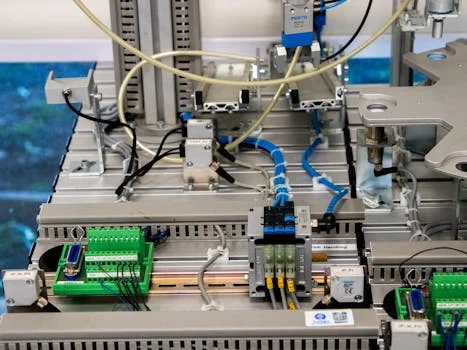
Understanding the full cost implications, including capital expenditure (CAPEX), operational expenditure (OPEX), and potential return on investment (ROI), is essential for hospital administrators in Kampala evaluating wastewater treatment solutions. Based on 2025 HydropureWater pricing, typical capital costs for a Membrane Bioreactor (MBR) system range from $6,000–$9,000 per m³/day of treatment capacity. Dissolved Air Flotation (DAF) systems are generally less capital-intensive, costing $3,000–$5,000 per m³/day, while basic chemical dosing systems are the most economical upfront, at $1,000–$2,000 per m³/day. However, CAPEX is only part of the equation. Operational expenditure (OPEX) for MBR systems typically falls between $0.50–$0.80 per m³, primarily driven by membrane cleaning, aeration, and sludge handling. DAF systems have an OPEX of $0.20–$0.40 per m³, mainly for power and sludge disposal. Chemical dosing systems, while having low energy consumption, incur significant costs for chemical reagents, leading to an OPEX of $0.10–$0.30 per m³ plus chemical costs. Given Kampala's power infrastructure, solar integration is a crucial consideration for energy resilience and long-term savings. Solar power systems typically cost $2,000–$3,000 per kW, with the Lubaga Hospital pilot utilizing a 15 kW solar system to power its 20 m³/day MBR. The ROI for hospital wastewater treatment is driven by several factors: avoiding NEMA fines (up to UGX 100M), the potential for water reuse (e.g., for laundry, irrigation, or toilet flushing), and energy savings from solar-powered systems. The 20 m³/day MBR system at Lubaga Hospital, with a capital cost of approximately $150,000 and an OPEX of $0.60/m³, demonstrated a projected 3-year payback period primarily through significant water reuse savings, highlighting the economic viability of advanced treatment solutions.
| Cost Type | MBR System | DAF System | Chemical Dosing System |
|---|---|---|---|
| Capital Cost (per m³/day) | $6,000–$9,000 | $3,000–$5,000 | $1,000–$2,000 |
| OPEX (per m³) | $0.50–$0.80 | $0.20–$0.40 | $0.10–$0.30 (plus chemical costs) |
| Solar Integration (per kW) | $2,000–$3,000 (e.g., 15 kW for 20 m³/day MBR) | ||
| Key ROI Drivers | NEMA compliance, water reuse, energy savings | NEMA compliance, pre-treatment efficiency | NEMA compliance, low CAPEX |
Step-by-Step Equipment Selection Framework for Kampala Hospitals
A systematic approach to equipment selection ensures that Kampala hospitals invest in a wastewater treatment system optimally suited to their specific needs and local conditions. The first critical step is to 1: Assess influent quality. This involves comprehensive testing for parameters such as BOD, COD, TSS, pathogens (e.g., fecal coliform), and heavy metals to characterize the specific pollutant load from the hospital. Without accurate influent data, any system design will be based on assumptions and may underperform. Next, 2: Determine flow rate by calculating the average daily wastewater generation. This can be estimated by multiplying the hospital's bed count by a factor of 1–4 m³/bed/day, with additional consideration for high-volume areas like laundry and kitchen facilities. This step is crucial for sizing the system correctly to avoid overloading. The third step is to 3: Evaluate site constraints, including available footprint for the treatment plant, consistency and reliability of power availability, and any noise restrictions that might affect nearby sensitive areas. These physical and logistical factors heavily influence technology choices. Step 4 involves a thorough 4: Compare technologies: MBR systems are ideal for facilities prioritizing high-quality effluent for water reuse, DAF systems are excellent for pre-treating high-solid waste streams, and chemical dosing systems may suffice for small clinics with reliable power seeking basic disinfection. This comparison should consider technical performance, operational complexity, and long-term costs. Once a suitable technology or hybrid approach is identified, 5: Request quotes from suppliers. Ensure these quotes include costs for solar integration (if desired), guarantees of NEMA compliance for the treated effluent, and comprehensive training for local staff. Finally, 6: Calculate ROI using the provided cost tables and a payback period formula, factoring in avoided fines, potential water reuse savings, and energy cost reductions. This comprehensive framework helps hospitals select the best compact medical wastewater treatment systems for small hospitals or larger facilities, ensuring compliance and sustainability.
Frequently Asked Questions

Facility managers and engineers frequently encounter specific questions when planning hospital wastewater treatment in Kampala. Understanding the answers to these common queries can streamline the decision-making process.
What are the NEMA discharge limits for hospital wastewater in Kampala?
The Uganda NEMA discharge limits for hospital wastewater specify that BOD must be less than 50 mg/L, COD less than 250 mg/L, TSS less than 50 mg/L, fecal coliform less than 1,000 CFU/100 mL, and heavy metals like mercury less than 0.01 mg/L (NEMA 2023 standards).
How much does a hospital wastewater treatment system cost in Kampala?
Capital costs vary by technology: MBR systems typically range from $6,000–$9,000/m³/day, DAF systems from $3,000–$5,000/m³/day, and chemical dosing systems from $1,000–$2,000/m³/day. These costs do not include solar integration, which adds $2,000–$3,000/kW.
Can hospital wastewater be reused in Kampala?
Yes, treated hospital wastewater can be safely reused in Kampala for non-potable applications such as laundry, irrigation, and toilet flushing, especially when treated with advanced technologies like MBR systems, which achieve near-reuse quality effluent.
What are the most common mistakes in hospital wastewater treatment in Uganda?
Common mistakes include incorrect segregation of waste at the source, leading to mixed waste streams; inadequate disinfection processes that fail to meet NEMA standards; and a lack of solar backup or energy resilience planning, which can lead to system failures during frequent power outages.
How do I choose between MBR, DAF, and chemical dosing for my hospital?
Choose MBR for high-quality effluent suitable for water reuse and a compact footprint. Select DAF for effective pre-treatment of high-solid and high-FOG waste streams from specific hospital departments. Opt for chemical dosing for smaller clinics with reliable power, where the primary need is basic disinfection at a lower capital cost. For more detailed guidance, refer to how to select the best medical wastewater treatment system for your facility.