Start with the wastewater, not the equipment name
A Budapest factory should choose a DAF system when its wastewater contains separable oil, grease, suspended solids or colloidal matter that must be removed before biological treatment; otherwise, a full ETP or chemical-biological hybrid may be more appropriate. DAF works by releasing micro-bubbles, generally 10–100 microns in the supplied source, that attach to contaminants and carry them to the surface for skimming. In a refinery ETP, the source describes DAF as a secondary clarifier after an API separator and before biological reactors. A reliable selection still requires representative wastewater tests, peak and average flow, discharge destination, chemical demand, sludge handling and applicable permit limits.
Begin with a representative wastewater characterization rather than a visual assessment. For factory wastewater treatment, request flow variation, pH, suspended solids, oil and grease, colloids, COD, toxicity and any process-specific contaminants. The supplied research provides no universal acceptance values, so do not apply a generic screening limit before the site-specific effluent and discharge route are understood.
Free oil, emulsified oil and fine solids require different pretreatment decisions. The Quora DAF answer identifies emulsified oil and ultrafine solids as contaminants that can remain after gravity separation and interfere with downstream biological treatment. This distinction determines whether source separation, an oil-water separator, coagulation and flotation are justified.
Also check for volatile or hazardous compounds. A related Quora answer states that aromatic solvents such as trichloroethylene are difficult to remove biologically and may create air-emission risk if they volatilize. Such streams may need source control or dedicated pretreatment. Review the available industrial dissolved air flotation system only after defining the contaminant profile and intended discharge or reuse route.
Choose the treatment train from the required outcome
The required effluent outcome determines the treatment train, as physical separation, biological treatment and final polishing are distinct tasks. A full industrial effluent treatment plant coordinates these stages, while DAF usually performs one defined function within that sequence.
| Factory wastewater profile | First treatment decision | Why further treatment may still be needed |
|---|---|---|
| Separable oil, grease, suspended solids or colloidal matter | Evaluate DAF as a physico-chemical separation stage | Downstream biological or tertiary treatment may be required for dissolved organics and the applicable discharge route |
| Coordinated physical, chemical, biological and tertiary treatment is required | Specify a full ETP | Primary, secondary and tertiary stages must operate as an integrated train |
| Significant oil, grease, fine solids or colloids precede biological treatment | Use a hybrid train with physical or DAF pretreatment | The biological stage still needs protection from emulsified oil and shock loads |
| Process-water reuse or stringent solids separation is required | Evaluate DAF pretreatment followed by an appropriate polishing stage | Mechanical flotation alone may not meet the required reuse quality |
Choose DAF when the immediate objective is physical removal of oil, grease, suspended solids or colloidal matter, especially when biological treatment must follow.
Choose a full ETP when coordinated primary, secondary and tertiary treatment is required. The supplied Quora ETP answer describes primary treatment as physical and chemical treatment, including settleable-solids removal, pH control and flocculation; secondary treatment as aerobic or anaerobic biological treatment; and tertiary treatment as final cleaning before environmental release.
Choose a hybrid when biological treatment is required but substantial oil, grease, fine solids or colloidal material must be removed first. In the supplied refinery example, DAF sits between physical oil separation and biological reactors, protecting the biological stage from emulsified oil and fine solids.
For process reuse or stringent solids separation, evaluate membrane treatment downstream rather than assuming flotation alone will achieve the required result. An integrated membrane wastewater treatment option should be assessed against the actual reuse specification and pretreatment requirements.
Understand how DAF performs inside an ETP
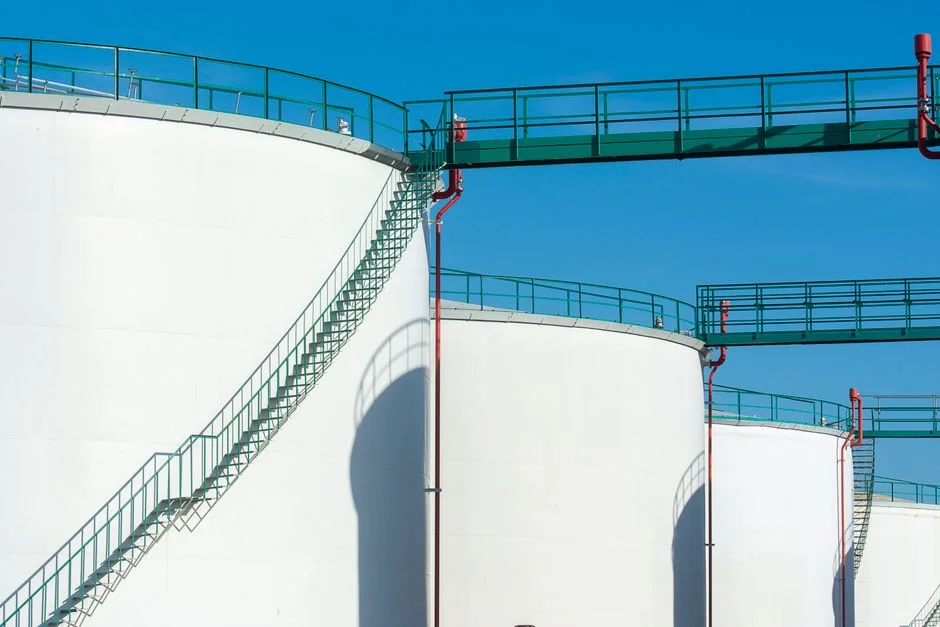
DAF is a physico-chemical process that uses small air bubbles to separate suspended material from water. The position of the unit in the ETP determines whether it protects biological treatment or supplies final polish.
| DAF element | Function described by the supplied Quora answer | Engineering implication |
|---|---|---|
| Pressurized recycle | Part of the clarified effluent is pressurized and saturated with air in a dedicated drum | The recycle arrangement and air-saturation performance form part of the design basis |
| Micro-bubbles | Rapid pressure release produces bubbles usually 10–100 microns in diameter | Bubble generation must be evaluated as part of contaminant recovery and flotation performance |
| Attachment and flotation | Bubbles attach to suspended solids and tiny oil droplets, reducing their effective density and lifting them | Emulsion stability, particle size and chemistry affect separation |
| Skimming | Mechanical skimming removes accumulated froth and sludge | The sludge route, skimming rate and holding arrangement belong in the design |
| ETP position | Refinery example places DAF after an API separator and before biological reactors | DAF is a protective clarification step, not automatic final treatment |
In the recirculation arrangement described by the Quora answer, clarified effluent is pressurized, saturated with air in a dedicated drum and returned to the flotation tank. At normal atmospheric pressure, dissolved air rapidly leaves solution, creating micro-bubbles usually 10–100 microns in diameter. These bubbles attach to suspended solids and tiny oil droplets, lowering their effective density and carrying them to the surface for mechanical skimming.
The refinery example places DAF after an API separator and before biological reactors. Coagulants may destabilize emulsions before flotation, but the chemical type and dose must be established through jar testing and the full wastewater characterization. If the selected process requires controlled chemical addition, evaluate an automatic chemical dosing system as a controlled-injection component.
Size the system around peak load and operating variability
Industrial wastewater sizing must be based on a documented flow and contaminant design basis, not only the nominal production rate. The supplied research provides no universal DAF loading rate that can be generalized across factory streams.
Provide suppliers with average flow, peak flow, batch-discharge profile, operating hours, planned production changes and minimum night flow. A factory that discharges concentrated batches may need a different hydraulic and solids-handling response from one with a comparatively stable continuous stream. Include bypass, standby, maintenance access and peak-flow contingency in the scope where the discharge profile creates those risks.
Use representative samples to determine suspended solids, oil and grease, colloid characteristics and chemical demand. A single grab sample or visual oil observation cannot establish a defensible loading basis. For DAF, require the bidder to document:
- Hydraulic capacity and the flow conditions used to establish it.
- Solids-loading basis and the wastewater properties behind it.
- Recycle flow, air-saturation and bubble-generation arrangement.
- Flotation area, skimming capacity and sludge-handling route.
- Performance guarantees linked to documented feed and operating conditions.
For a multi-stage ETP, size physical pretreatment, chemical treatment, biological treatment and tertiary treatment as an integrated train. A clarifier or DAF that looks adequate hydraulically can still become the bottleneck if solids loading, chemical feed or downstream treatment capacity is misaligned.
Use the 2026 DAF unit engineering and decision framework to structure supplier questions, and compare the DAF oil-water separator specifications against the actual oil and solids characteristics. A quotation without an explicit design basis is not comparable.
Plan sludge, chemical use and lifecycle cost
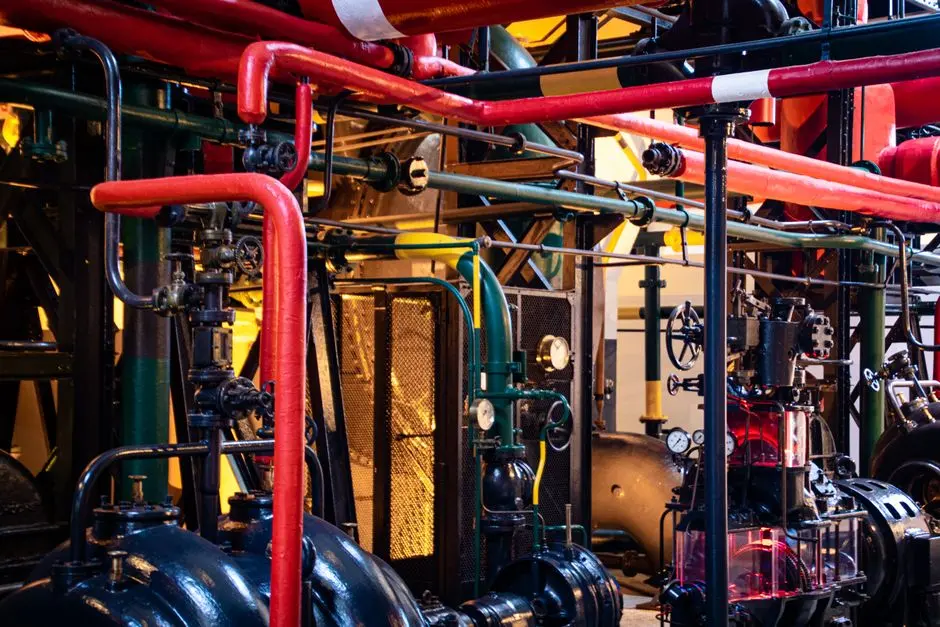
DAF creates a concentrated float that must be removed, stored, dewatered or disposed of, making the purchase price of the flotation unit only one part of the operating outcome. The supplied Quora mechanism describes mechanical skimming of froth and sludge to a holding tank, making sludge handling part of the process design.
| Cost or operating item | Information required for comparison | Relevant scope item |
|---|---|---|
| Equipment and installation | Supply boundary, foundations, piping, electrical, controls and commissioning | Clearly separated from civil works and site services |
| Chemicals | Coagulant, flocculant, pH-adjustment and specialty-chemical consumption | Jar-test-derived dose and controlled dosing |
| Utilities | Electricity, compressed air, water and service requirements | Include peak and normal operating demand |
| Labour and maintenance | Operator attendance, inspections, wear parts and service support | Include training and O&M documentation |
| Sludge | Float volume, solids content, storage, dewatering and disposal route | Include downstream handling and final disposal |
| Parts and support | Spares, warranty boundaries and response arrangements | List consumables and recommended stock |
Compare coagulant, flocculant, pH-adjustment, compressed-air, electricity, labour, maintenance and sludge-disposal costs across the proposed trains. The automatic chemical dosing system may be appropriate where the process requires controlled addition, but exact chemical selection and dosage must come from testing rather than a generic configuration.
Where sludge-volume reduction before disposal is important, evaluate a plate-and-frame filter press as a downstream dewatering option. Confirm whether the float is suitable for the proposed device and how the resulting cake will be handled.
Request lifecycle quotations that distinguish equipment supply, installation, commissioning, controls, civil works, training, consumables, spares and warranty support. Keep each bidder’s guarantees, assumptions and exclusions visible so that a lower equipment price is not mistaken for a lower project cost.
Build a Budapest supplier and compliance brief
A defensible Budapest tender begins with the discharge or reuse route, not a generic equipment list. The route determines the treatment objectives, information required for assessment and the process evidence bidders must provide. The supplied sources do not establish a Budapest discharge limit, sewer acceptance limit or permit outcome; obtain the current site-specific requirement from the competent authority and the receiving sewer or water body.
Ask each bidder for documented process guarantees, performance-test conditions and reference installations involving comparable wastewater. The technical package should also include general arrangement drawings, electrical requirements, control philosophy, O&M manuals, spare-parts lists, warranty terms and the proposed installation boundary.
Require bidders to identify pretreatment intended to protect biological treatment, particularly where emulsified oil, volatile solvents or shock loads are present. This prevents a supplier from treating DAF as an isolated unit while leaving the biological stage exposed to contaminants that DAF is expected to remove.
Separate guaranteed performance from commercial assumptions. Put wastewater composition, chemical consumption, sludge yield, operating hours, utility consumption and test methods in the guarantee schedule where they affect the result. Do not accept a performance promise that relies on wastewater data the factory has not verified.
Include the discharge route, current permit or sewer conditions, flow and contaminant data, pretreatment assumptions, civil interface and sludge route in the supplier brief. The 2026 DAF unit engineering and decision framework can support technical scoring, while the DAF versus clarifier for factory wastewater comparison illustrates why the selected duty must be stated before comparing alternatives.
Frequently Asked Questions
How much should I budget for an industrial ETP or DAF system in Budapest?
The supplied research provides no valid generic price for a Budapest project. Request a lifecycle quotation based on wastewater tests, the average and peak flow profile, treatment target, civil work, utilities, sludge handling and project-specific permit conditions. Require installation, commissioning, controls, training, consumables, spares and warranty support to be priced separately.
How do I size a DAF unit for my factory wastewater?
Do not size from nominal flow alone. Give bidders average flow, peak flow, batch-discharge timing, operating hours, minimum flow, representative suspended-solids and oil-and-grease results, colloid characteristics and chemical-demand data. Require the supplier to confirm the hydraulic and solids-loading basis and the conditions attached to its performance guarantee.
When is DAF insufficient on its own?
DAF is a physico-chemical separation stage, not a universal treatment plant. Biological or tertiary treatment may still be needed for dissolved organics, nutrients, microorganisms, process-reuse quality or compliance with the applicable discharge route. The treatment decision must therefore start with