
What changes when transportation equipment wastewater is treated by MBR
For transportation-equipment wastewater in Portsmouth, MBR is usually the stronger option when low suspended solids, compact installation, reliable automation, or water reuse justifies membrane maintenance and energy costs. Conventional activated sludge can be more economical for stable, lower-complexity flows where adequate land and clarifier operation are available. MBR retains biomass with microfiltration or ultrafiltration instead of a secondary clarifier, produces cleaner effluent, and can occupy substantially less space. However, transportation wastewater may contain oils, grease, wash chemicals, and variable loads that require pretreatment and characterization. Portsmouth's municipal pilot shows process performance must be verified under local stress conditions; it does not establish an automatic equipment choice for industrial wastewater.
The first review boundary is the source stream. Equipment washing, vehicle or rail washing, oily runoff, floor drainage, and process-water discharge may have different contaminants and destinations. They should not be combined until their flows, chemistry, and pretreatment requirements are established. A wash-water stream containing detergents and suspended abrasives is not equivalent to oily runoff, and combining them can change biological loading and membrane fouling risk.
MBR does not replace source control or pretreatment. Oil and grease can coat biological solids and membranes; suspended abrasives can damage equipment or promote fouling; incompatible cleaning products can inhibit the microorganisms needed for biological treatment; and toxicity can upset the process. A rotary mechanical bar screen can protect downstream equipment from plastics, fibrous debris, rags, and suspended solids, while DAF pretreatment for oils, grease, and solids can remove contaminants that should not enter the biological stage.
Use a process flow rather than selecting equipment from a general process label:
- Source characterization.
- Equalization and contaminant-specific pretreatment.
- Biological reactor with aerobic, anoxic, and anaerobic capacity as required.
- Membrane separation or secondary clarification.
- Polishing and disinfection where required, followed by discharge, sewer entry, or reuse.
MBR is strongest where effluent quality, footprint, automation, or reuse has measurable value. Conventional activated sludge remains credible for stable, predictable flows when land is available and simpler solids separation satisfies the endpoint.
MBR and conventional activated sludge: process comparison
A membrane bioreactor combines a suspended-growth bioreactor with a microfiltration or ultrafiltration membrane unit; the membrane separates solids from liquid and retains biomass in the reactor. PCI Membranes explains that biological zones can be aerobic, anoxic, or anaerobic, depending on oxygen and nitrate availability. Conventional activated sludge also uses biological treatment, but a secondary clarifier performs the principal solid-liquid separation function. The comparison therefore depends on the complete treatment train, not membrane presence alone.
| Decision factor | MBR | Conventional activated sludge |
|---|---|---|
| Solid-liquid separation | MF or UF membrane retains biomass in the bioreactor | Secondary clarifier separates settled solids |
| Biological configuration | May include aerobic, anoxic, and anaerobic zones | May include aerobic, anoxic, and anaerobic zones |
| Typical solids separation outcome | Effluent without the suspended solids associated with clarifier carryover | Effluent quality depends on clarifier settling and carryover control |
| Site requirement | Requires membrane area, module access, and associated piping | Requires clarifier area and available civil footprint |
| Main operating focus | Membrane integrity, cleaning, fouling control, and flux | Clarifier settling, sludge withdrawal, and solids inventory |
| Downstream reuse | Filterable effluent can support reuse or reverse-osmosis feed | May need additional solids removal or polishing |
According to PCI Membranes, the higher biomass concentrations sustainable in an MBR can allow the same total solids inventory to be stored in a smaller tank, producing an up to 50% smaller footprint for suitable applications. That is a scoped supplier claim, not a universal Portsmouth savings estimate. The comparison must still include reactor zoning, equalization, pretreatment, residual solids handling, access clearances, and the required treatment objectives.
PCI Membranes also states that MBR effluent is free of the suspended solids associated with clarifier carryover and has reduced bacteria and viral content, making it suitable for sensitive discharges or reuse in applications identified by the source. Such characteristics can make an integrated submerged PVDF MBR system relevant to water-reuse projects. They do not establish biological treatability, disinfection adequacy, or permit compliance by themselves.
The principal trade-off is maintenance ownership. An MBR supplier must define membrane cleaning, integrity monitoring, fouling control, energy demand, and replacement assumptions. A conventional activated sludge supplier must demonstrate clarifier performance, sludge handling, settling reliability, and land availability. Either concept should also specify anaerobic, aerobic, and anoxic capacity, solids inventory, hydraulic variation, membrane flux, cleaning strategy, and downstream reuse needs.
What Portsmouth's treatment evidence means for industrial buyers
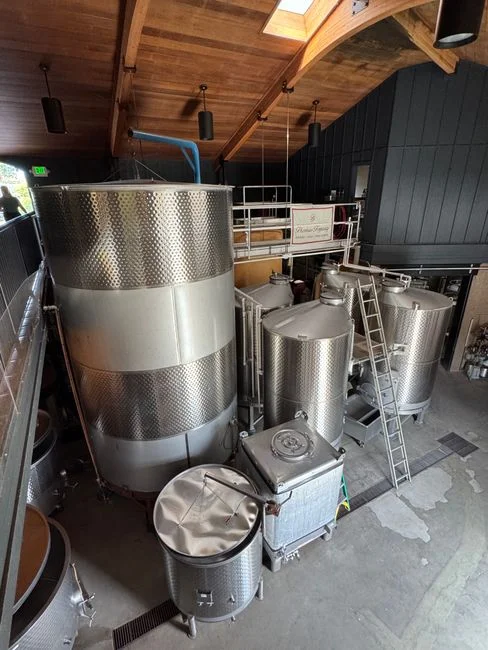
The City of Portsmouth evaluated biological aerated filter, conventional activated sludge with BioMag, and moving bed bioreactor with dissolved air flotation for the Peirce Island municipal wastewater pilot. The evidence demonstrates how competing processes can be tested; it does not convert municipal results into guaranteed performance for transportation-equipment wastewater.
| Portsmouth municipal pilot finding | Reported result |
|---|---|
| Pilot effluent goals | 30 mg/L BOD, 30 mg/L TSS, and 8 mg/L total nitrogen |
| Most stringent nitrogen goal | The 3 mg/L TN goal was achieved intermittently, not consistently |
| Average TN by activated-sludge configuration | 3.1 mg/L for the four-stage configuration; 5.8 mg/L for the normal two-stage modified Ludzack-Ettinger configuration |
| BAF versus CAS-BioMag average TSS | 2.7 mg/L difference, less than the standard deviation of TSS for either process |
| Hydraulic stress response | No hydraulic stress test caused CAS-BioMag to exceed 8 mg/L TN; BAF and MBBR-DAF exceeded it during part of the high-stress condition and generally recovered within four to six hours |
| Conceptual capital estimates | $60.5 million for BAF, $54.0 million for CAS-BioMag, and $56.5 million for MBBR-DAF |
These findings come from the City of Portsmouth's Wastewater Master Plan Phase 2 Initial Piloting Technical Memorandum. All three processes were capable of meeting the pilot's 30 mg/L BOD, 30 mg/L TSS, and 8 mg/L TN goals. The 2.7 mg/L average TSS difference between BAF and CAS-BioMag was smaller than the standard deviation of either process, so it should not be presented as proof of a meaningful performance advantage.
The stress-test result is more useful to an industrial buyer because hydraulic excursions tested process resilience. The City reported that BAF and MBBR-DAF exceeded the 8 mg/L TN limit during part of the high-stress condition, generally recovering within four to six hours after flow returned to pre-stress conditions. The municipal capital estimates are planning figures for Peirce Island, not transportation-plant procurement quotations.
Pretreatment requirements that can decide the technology
Wastewater characterization can determine the technology before a supplier compares equipment. Obtain flow, COD, BOD, suspended solids, oil and grease, pH, temperature, toxicity, nutrients, cleaning chemicals, and seasonal or shift-based variation. Sampling must represent the operating condition that drives peak biological loading, membrane fouling, and residual generation.
Oil and grease can interfere with biological treatment and membrane operation. Suspended abrasives can damage equipment or create fouling conditions. Incompatible cleaning products can inhibit microorganisms or degrade membrane materials. These are site-specific problems that cannot be resolved by comparing generic MBR and activated-sludge photographs.
DAF is a potential pretreatment step for suspended solids, fats, oils, and grease, and colloidal material. It is not a substitute for biological treatment, and its selection depends on the actual contaminant profile. A rotary mechanical bar screen can protect downstream equipment from suspended solids, plastics, fibrous debris, and rags where those materials enter the treatment train.
Automatic chemical dosing should be included only where the characterization identifies a defined need, such as pH adjustment, coagulation, or flocculation. A dosing system does not correct an unidentified cleaning-chemical incompatibility. The supplier should state the target constituent, dose basis, control signal, chemical compatibility, and residual consequences.
Use a jar test or pilot study when wastewater chemistry varies enough to question biological treatability or sustainable membrane flux. The Portsmouth pilot provides a useful method: compare processes against defined goals, apply controlled stress, measure recovery, and examine the difference between average results and variability. An industrial pilot must instead use transportation-equipment wastewater and the intended pretreatment train.
Buyers should require membrane-fouling observations, cleaning requirements, and chemical compatibility during any trial. An apparently good average effluent result is insufficient if the membrane requires intensive recovery after a wash cycle, peak shift, or detergent excursion.
Footprint, reuse, and lifecycle operating factors
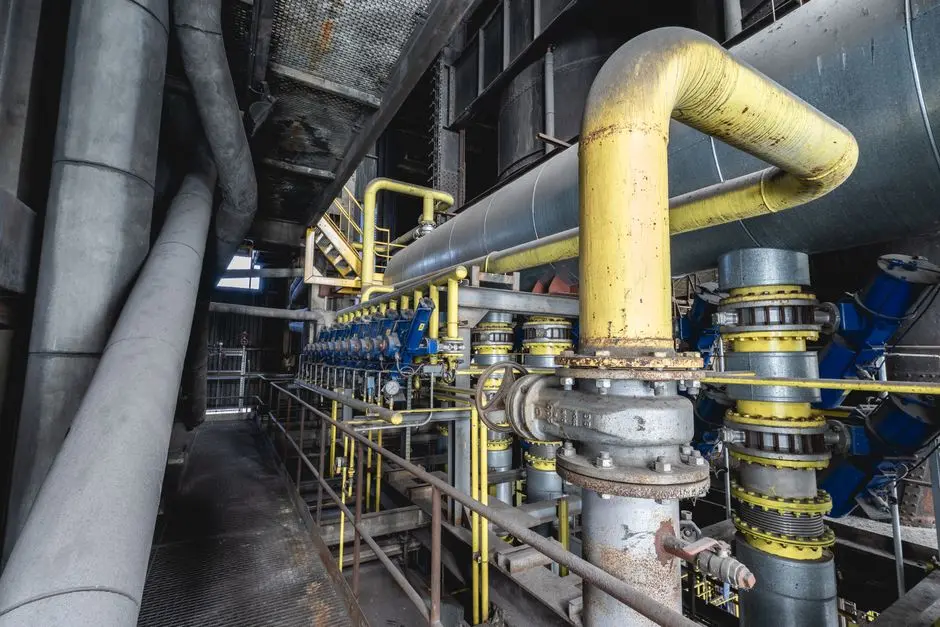
Footprint claims require a common basis. PCI Membranes describes an up to 50% smaller footprint for suitable membrane-bioreactor applications, while the HydropureWater verified product catalog states 60% smaller footprint for its integrated MBR catalog system. Neither percentage should be applied directly to a Portsmouth project because reactor configuration, pretreatment, solids handling, access, and treatment goals are not fixed by those claims.
| Lifecycle issue | MBR evaluation | Conventional activated sludge evaluation |
|---|---|---|
| Layout | Compare bioreactor and membrane area with access and pipe-routing requirements | Compare reactor, clarifier, sludge handling, and available land |
| Reuse preparation | Filterable effluent may feed polishing or reverse osmosis | Additional solids removal or polishing may be required |
| Operating controls | Cleaning, integrity monitoring, and fouling control | Clarifier operation, sludge withdrawal, and settling performance |
| Residuals | Retained sludge and membrane cleaning waste require a management route | Waste activated sludge and clarifier solids require a management route |
| Energy review | Include membrane operation, scouring, pumping, and cleaning demand | Include aeration, pumping, recirculation, and solids handling |
For water reuse, MBR's solids separation can simplify downstream feed preparation. PCI Membranes states that MBR effluent can feed reverse osmosis directly, while the treatment still requires an industrial reverse-osmosis pretreatment train suited to the water chemistry. A conventional activated-sludge system may need additional solids-removal or polishing steps to reach the same endpoint.
Residuals cannot be omitted from the lifecycle comparison. Both systems produce sludge, while MBR also generates membrane-cleaning waste. The procurement scope should identify dewatering, handling, storage, disposal or beneficial-use options, and the relevant equipment, including a plate-and-frame filter press where solids dewatering is part of the selected train.
The Portsmouth cost comparison used conceptual estimates, a 20-year present-worth period, and a 4.375% annual interest rate based on the USDA Natural Resources Conservation Service federal-water-project discount rate, as reported in the City's pilot memorandum. That method provides lifecycle-analysis context, not an industrial price, energy allowance, or supplier guarantee.
A practical selection framework for Portsmouth projects
A defensible MBR versus conventional activated sludge decision follows the wastewater and endpoint before it follows equipment format. Use the following sequence for industrial wastewater treatment in or near Portsmouth, United States.
| Step | Required action | Decision output |
|---|---|---|
| 1. Define the endpoint | Select direct discharge, sewer pretreatment, process-water reuse, or reverse-osmosis feed and identify the permit or sewer-authority constraints. | Documented effluent and reuse basis |
| 2. Characterize the wastewater | Sample production, washing, and shutdown periods for oil and grease, detergents, suspended solids, toxicity, temperature, pH, and peak flow. | Design flow, load range, contaminant list |
| 3. Screen pretreatment | Identify debris, oil, abrasive solids, and incompatible chemicals before comparing biological systems. | Equal pretreatment scope for both concepts |
| 4. Model biological capacity | Evaluate aerobic, anoxic, and anaerobic capacity and hydraulic and load excursions rather than average daily flow alone. | Reactor volume and operating envelope |
| 5. Develop matched concepts | For MBR, define membrane area, design flux, and cleaning assumptions. For activated sludge, define the clarifier, sludge handling, and land requirements. | Comparable site, effluent, and residual plans |
| 6. Validate performance | Run a pilot or bench study with representative wastewater, stress conditions, and membrane-fouling observations. | Verified treatment and recovery behavior |
| 7. Compare lifecycle cost and risk | Price energy, chemicals, cleaning, labor, residuals, downtime, and replacement assumptions. | Risk-adjusted lifecycle comparison |
| 8. Issue performance requirements | Specify effluent quality, peak loading, availability, cleaning, residuals, controls, and service support. | Comparable supplier submissions |
Favor MBR when low suspended solids, compact installation, automation, or reuse materially outweigh membrane maintenance and energy. Favor conventional activated sludge when the wastewater is stable and predictable, sufficient land is available, and simpler solids separation provides better lifecycle economics. This decision rule can be sharpened with the 2026 MBR cost per m3 guide and the broader Rhode Island wastewater treatment equipment-selection guide.
Require each bidder to state the basis of its proposal. MBR bids should disclose membrane area, design flux, cleaning frequency and chemistry, controls, spare parts, replacement assumptions, and recovery from peak loading. Conventional bids should disclose clarifier design, sludge inventory and handling, settling criteria, controls, and available site area. The MBR versus activated sludge for plastics wastewater comparison can help frame contaminant-specific questions, but transportation-equipment wastewater still requires its own characterization and test work.
Frequently Asked Questions
How much does MBR cost compared with conventional activated sludge for transportation equipment wastewater in Portsmouth?
No defensible project price can be inferred from the Portsmouth municipal capital estimates of $60.5 million for BAF, $54.0 million for CAS-BioMag, and $56.5 million for MBBR-DAF reported in the City of Portsmouth pilot memorandum. Those are municipal planning figures. Request a design flow, wastewater analysis, treatment target, pretreatment scope, site constraints, residual-disposal assumptions, and the comparison basis from each bidder so that the proposals have equivalent scope.
What inputs are needed to size an MBR or activated-sludge system?
Request hydraulic peak flow, organic loading, nitrogen targets, membrane flux and cleaning strategy, and the available site footprint. The HydropureWater verified product catalog lists an integrated MBR range of 10–2,000 m³/day, but that is a product range, not a design result. A transportation facility may require a different capacity once wastewater characterization, equalization, pretreatment, and operating reserves are included.
How should a buyer select an MBR supplier?
Require the proposed membrane area and design flux, cleaning frequency and chemistry, control philosophy, spare-parts list, membrane-replacement assumptions, and performance commitments for peak loading and recovery. Ask how the supplier will address the actual oil, grease, detergent, solids, and toxicity data, rather than accepting a generic guarantee. For an DF-series flat-sheet MBR module proposal, request evidence tied to the specified wastewater and operating envelope.
Does MBR compliance risk differ from conventional activated sludge?
Treatment capability is not the same as permit compliance. MBR can reduce the suspended solids associated with clarifier carryover and support sensitive-discharge or reuse applications, but the receiving authority or sewer authority must confirm the applicable discharge, reuse, pretreatment, and monitoring requirements. A conventional system can also comply where its clarifier performance and treatment train meet those conditions, so the permit basis—not the technology label—should control the procurement.