Ogun State’s Industrial Wastewater Regulations: What Factory Managers Need to Know
Ogun State mandates industrial wastewater treatment systems to meet strict effluent limits, such as BOD ≤ 30 mg/L, TSS ≤ 50 mg/L, and a pH range of 6–9, with heavy metals like Cr, Pb, and Cd limited to ≤ 0.1 mg/L per the 2025 guidelines. These regulations are critical for preventing public health risks like cholera and typhoid, as highlighted by the Ogun State Ministry of Environment's colloquium objectives focused on safeguarding community health. Non-compliance can lead to significant penalties, including fines of up to ₦5 million or facility shutdowns, as evidenced by recent enforcement actions targeting over 15 industries across the state. The "Clean Communities Initiative" (CCI) further reinforces this, requiring quarterly water quality reports from industrial zones such as Sagamu, Agbara, and Otta. Long-term exposure to untreated industrial effluent can lead to chronic health conditions and environmental degradation, underscoring the imperative for robust wastewater management.
| Parameter | Ogun State 2025 Limit | Associated Health/Environmental Risk |
|---|---|---|
| Biochemical Oxygen Demand (BOD) | ≤ 30 mg/L | Oxygen depletion in water bodies, harming aquatic life; potential for unpleasant odors. |
| Total Suspended Solids (TSS) | ≤ 50 mg/L | Cloudiness, reduced light penetration for aquatic plants, habitat degradation. |
| pH | 6–9 | Harm to aquatic organisms, corrosion of infrastructure, changes in chemical solubility. |
| Chromium (Cr), Lead (Pb), Cadmium (Cd) | ≤ 0.1 mg/L (each) | Toxic to humans and aquatic life, bioaccumulation in food chains, long-term health issues (e.g., kidney damage, neurological disorders). |
Industrial Wastewater Characteristics in Ogun State: Matching Treatment to Your Industry
Understanding the specific composition of your factory's wastewater is the cornerstone of selecting an effective and compliant treatment system. Industrial waste streams in Ogun State vary significantly by sector, each presenting unique challenges that dictate the required treatment technologies. For instance, the food processing industry typically generates wastewater with high levels of organic matter and fats, oils, and grease (FOG), demanding technologies capable of efficient solids and FOG removal. In contrast, textile manufacturing often produces wastewater laden with complex organic compounds, dyes, and heavy metals, necessitating advanced treatment methods. Pharmaceutical production introduces a different set of contaminants, including dissolved solids, antibiotics, and endocrine disruptors, requiring specialized processes like reverse osmosis or advanced oxidation. Chemical plants, known for their highly variable waste streams, require robust systems that can handle fluctuating pH levels, high suspended solids, and toxic organic compounds.
| Industry Sector | Typical Influent Characteristics (mg/L, unless specified) | Primary Treatment Needs |
|---|---|---|
| Food Processing | BOD: 1,000–3,000 FOG: 200–800 Suspended Solids: 500–2,000 |
High-efficiency FOG and suspended solids removal, biological treatment for BOD reduction. |
| Textile Manufacturing | COD: 800–2,500 Color: 500–1,500 ADMI Heavy Metals (e.g., Cr, Pb) |
Color removal, heavy metal precipitation, COD/BOD reduction, often requires advanced oxidation or membrane filtration. |
| Pharmaceuticals | TDS: 2,000–5,000 Antibiotics, Endocrine Disruptors |
Removal of complex organic compounds, dissolved solids, and specific recalcitrant pollutants; RO or advanced oxidation. |
| Chemical Plants | pH: 2–12 TSS: 1,000–4,000 Toxic Organics |
pH neutralization, equalization, removal of toxic substances, sedimentation for high TSS. |
Treatment Technologies for Ogun State: DAF vs. MBR vs. Chemical Dosing Systems
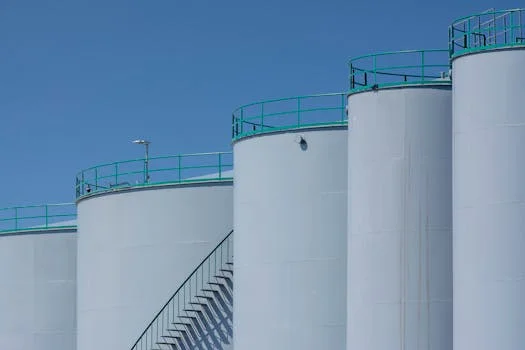
Selecting the appropriate wastewater treatment technology hinges on balancing regulatory compliance, treatment efficacy, and operational costs. For Ogun State's industries, three primary technology categories stand out: Dissolved Air Flotation (DAF) systems, Membrane Bioreactors (MBR), and Chemical Dosing Systems. DAF systems, such as HydropureWater's, are particularly effective for removing FOG, TSS, and oils, achieving 92–97% TSS reduction at hydraulic loading rates of 4–8 m/h. These systems typically have a capital expenditure (CAPEX) ranging from ₦15 million to ₦50 million, with annual operational expenditure (OPEX) of ₦2 million to ₦5 million, covering chemicals and power. They are ideal for food processing, abattoirs, and metalworking facilities. MBR bioreactors offer superior biological treatment, excelling in COD and BOD removal (95%+), and are suitable for space-constrained sites. With a membrane pore size of 0.1 μm, MBR systems represent a higher CAPEX investment of ₦40 million to ₦80 million, and OPEX of ₦3 million to ₦7 million annually, including membrane replacement every 5–7 years. They are well-suited for textile and pharmaceutical wastewater. Chemical dosing systems, with dosing accuracy of ±1%, are crucial for pH adjustment, coagulation, and heavy metal precipitation. Their CAPEX is more modest, from ₦5 million to ₦20 million, with OPEX of ₦1 million to ₦3 million per year for chemicals. These systems are often integrated with DAF or sedimentation tanks. Effective sludge management is also critical; systems like plate and frame filter presses (CAPEX: ₦8M–₦30M) can dewater sludge to 30–40% dry solids, halving disposal costs compared to liquid sludge.
| Technology | Primary Application | Removal Efficiency (Typical) | Hydraulic Loading Rate (m/h) | CAPEX (₦) | OPEX (₦/year) | Ideal For |
|---|---|---|---|---|---|---|
| DAF Systems | FOG, TSS, Oil Removal | TSS: 92–97% | 4–8 | 15M–50M | 2M–5M | Food Processing, Abattoirs, Metalworking |
| MBR Bioreactors | High COD/BOD Reduction | COD/BOD: 95%+ | Varies (typically 0.1–0.4) | 40M–80M | 3M–7M (incl. membrane replacement) | Textiles, Pharmaceuticals, Municipal Pre-treatment |
| Chemical Dosing Systems | pH Adjustment, Coagulation, Precipitation | Variable (depends on chemical) | N/A | 5M–20M | 1M–3M | pH control, Heavy Metal Removal (often as pre- or post-treatment) |
Cost Benchmarks for Industrial Wastewater Treatment in Ogun State (2025)
Budgeting for an industrial wastewater treatment plant (ETP) in Ogun State requires a clear understanding of both capital expenditure (CAPEX) and operational expenditure (OPEX), influenced by local factors such as power costs and labor. For a typical plant, CAPEX can range significantly: DAF systems generally fall between ₦1.2 million and ₦2.5 million per m³/day capacity, MBR systems between ₦3 million and ₦5 million per m³/day, and chemical dosing systems between ₦0.5 million and ₦1.5 million per m³/day. These figures often exclude civil works, which can account for an additional 20–30% of the total CAPEX. OPEX, calculated per cubic meter of water treated, is also variable: DAF systems might incur ₦150–₦300/m³, MBR systems ₦250–₦500/m³, and chemical dosing ₦80–₦200/m³. Power costs, currently around ₦50–₦100/kWh in Nigeria, are a dominant factor in OPEX, particularly for MBR systems. Sludge disposal costs are another critical consideration; landfilling can cost ₦5,000–₦15,000/ton, whereas composting dewatered sludge (30%+ solids) can reduce this to ₦2,000–₦5,000/ton. Recognizing these financial implications, the Ogun State government offers financing options such as the 'Green Industry Fund,' providing 5-year loans at a 9% interest rate for ETP installations, with a maximum loan amount of ₦100 million.
| Cost Category | Typical Range (per m³/day capacity) | Notes |
|---|---|---|
| DAF System CAPEX | ₦1.2M – ₦2.5M | Excludes civil works. |
| MBR System CAPEX | ₦3M – ₦5M | Excludes civil works. |
| Chemical Dosing System CAPEX | ₦0.5M – ₦1.5M | Excludes civil works. |
| Civil Works | 20–30% of total CAPEX | Foundation, piping, containment. |
| DAF System OPEX | ₦150 – ₦300 / m³ | Includes chemicals, power, maintenance. |
| MBR System OPEX | ₦250 – ₦500 / m³ | Includes power (significant), membrane maintenance, chemicals. |
| Chemical Dosing OPEX | ₦80 – ₦200 / m³ | Primarily chemical costs. |
| Sludge Disposal (Landfill) | ₦5,000 – ₦15,000 / ton | For dewatered sludge. |
| Sludge Disposal (Composting) | ₦2,000 – ₦5,000 / ton | Requires sludge dewatering to 30%+ solids. |
Step-by-Step Equipment Selection Checklist for Ogun State Factories
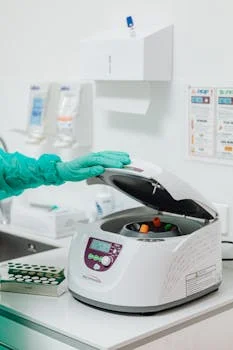
Navigating the selection process for industrial wastewater treatment equipment in Ogun State requires a systematic approach to ensure compliance, cost-effectiveness, and long-term operational success. The first crucial step (Step 1) is to accurately characterize your wastewater by conducting comprehensive laboratory tests for parameters like BOD, COD, TSS, FOG, pH, and heavy metals. Utilize accredited laboratories within Ogun State, such as the LAUTECH Environmental Lab or Sagamu-based facilities, for reliable results. Following characterization, Step 2 involves comparing treatment technologies using a decision matrix, prioritizing DAF for FOG/TSS, MBR for COD/BOD, and chemical dosing for pH/metals, as detailed previously. In Step 3, size the system based on your factory's peak flow rate (m³/h) and influent quality, incorporating a 20% buffer for future expansion. Step 4 requires requesting detailed quotes from at least three reputable vendors. Key questions to pose include specific removal efficiencies for your waste stream, power consumption figures, and projected lead times. Finally, Step 5 involves compiling a comprehensive compliance plan for submission to the Ogun State Ministry of Environment, which should include detailed system specifications, expected effluent quality projections, and a robust maintenance schedule.
| Step | Action | Key Considerations |
|---|---|---|
| 1 | Wastewater Characterization | Conduct lab tests (BOD, COD, TSS, FOG, pH, heavy metals). Use accredited local labs. |
| 2 | Technology Comparison | Match waste stream characteristics to technology strengths (DAF for FOG/TSS, MBR for COD/BOD, Chemical Dosing for pH/metals). |
| 3 | System Sizing | Calculate based on peak flow (m³/h) and influent quality. Add 20% margin for growth. |
| 4 | Vendor Quotation & Evaluation | Obtain quotes from 3+ vendors. Assess removal efficiencies, power consumption, lead time, service support. |
| 5 | Compliance Plan Submission | Present system specs, effluent quality projections, and maintenance schedule to Ogun State Ministry of Environment. |
Frequently Asked Questions
What are the penalties for non-compliance with Ogun State’s wastewater regulations? Factories face significant penalties including fines up to ₦5 million, temporary shutdowns of operations, or revocation of operating licenses. Repeat offenders may face more severe consequences, including criminal charges.
How much does an industrial wastewater treatment plant cost in Ogun State? The capital expenditure (CAPEX) for industrial wastewater treatment plants in Ogun State can range from approximately ₦15 million for a basic DAF system for smaller operations to over ₦80 million for a comprehensive MBR plant designed for complex industrial waste. Operational expenditure (OPEX) typically falls between ₦2 million and ₦7 million annually, depending on system size, complexity of the waste stream, and energy consumption.
What’s the best treatment technology for a food processing factory in Ogun State? For food processing factories in Ogun State, DAF systems are highly recommended due to their proven effectiveness in removing high levels of FOG and suspended solids, achieving 92–97% TSS reduction. If pH adjustment is also required, integrating a chemical dosing system alongside the DAF unit is advisable.
Can I use a septic tank for industrial wastewater? No, septic tanks are designed exclusively for domestic sewage and are not equipped to handle the complex and often hazardous contaminants found in industrial wastewater, such as heavy metals, solvents, or high organic loads. Ogun State mandates dedicated Effluent Treatment Plants (ETPs) for all industrial discharges.
How do I find a compliant wastewater treatment vendor in Nigeria? When selecting a vendor for industrial wastewater treatment equipment in Nigeria, prioritize those with ISO 9001 certification, a portfolio of successful case studies within your specific industry, and established partnerships with reputable international equipment manufacturers. Request references from existing clients, particularly those operating in Ogun State, to verify their track record and service capabilities. HydropureWater offers a range of solutions that meet these criteria, aligning with standards for hospital wastewater treatment regulations in Nigeria and general industrial compliance across the country, similar to wastewater treatment plant cost benchmarks in Nigeria.
Related Equipment
The following HydropureWater products are engineered for the wastewater challenges discussed above:
- MBR bioreactors for high COD/BOD removal in space-constrained sites — view specifications, capacity range, and technical data
Need a customized solution? Request a free quote with your specific flow rate and pollutant parameters.