Why Trenton Chemical Plants Are Asking the DAF-vs-Clarifier Question in 2026
Trenton chemical manufacturers are not buying a single vessel in 2026 — they are buying into an integrated chain. ChemREADY, the Trenton/Central New Jersey water-treatment program operating out of 575 N Midland Ave, Saddle Brook, describes chemical programs as a sequence of headworks, flow-equalization basins, dissolved air flotation (DAF) units, biological processes, clarification, and dewatering, with coagulant, flocculant, and polymer dosing tuned to control total suspended solids (TSS), fats/oils/grease (FOG), BOD, COD, pH, foam, sulfides, and odor across that chain (ChemREADY, getchemready.com, accessed 2026).
That framing matters because a 2026 capex review forces a real choice: which unit sits between equalization and biology as the primary solids separator. The two credible options are a DAF unit and a gravity/lamella clarifier. They are not interchangeable, and the local service footprint in Trenton, Hamilton, Ewing, Lawrence, Princeton, Bordentown, and Robbinsville — explicitly listed by ChemREADY as its service area — is part of the procurement decision, not an afterthought (ChemREADY, getchemready.com, accessed 2026).
The question for a chemical-plant engineer in 2026 is therefore narrower than the marketing pages suggest: given my influent TSS, FOG, BOD, COD, pH, and sulfide profile, which separation mechanism is the right first step, and what chemical conditioning does it force upstream?
How a DAF System Actually Treats Chemical Wastewater
A dissolved air flotation unit clarifies wastewater by dissolving air under pressure and releasing it at atmospheric pressure inside a flotation tank. The released air forms 30–50 micron micro-bubbles that attach to flocculated particles and lift them to the surface, where a paddle skimmer scrapes the float off; clarified effluent discharges from below (Clearwater Industries / SigmaDAF USA, clearwaterind.com, 2026-04-27; Kemco Systems, kemcosystems.com, accessed 2026). The mechanism matters because chemical streams that carry free oil, surfactants, latex residues, and light colloids cannot be settled — they have to be floated. DAF is purpose-built for that profile.
DAF must be paired with upstream chemical coagulation and flocculation. Efficient chemical conditioning grows the floc so the micro-bubbles can attach; the conditioning is normally done in serpentine flocculator mix tubes or chemical mix tanks, which SigmaDAF USA supplies as part of its scope (Clearwater Industries, 2026-04-27). Skipping that step turns a DAF into a clear tank with bubbles.
Model selection is where the chemistry meets the hydraulics. SigmaDAF offers four families that map onto chemical-plant loading profiles: the FPAC for small-to-medium flow with very high TSS/FOG; the FPBC, with built-in lamella pack, for low-to-medium solids including low-buoyancy particles; the FPHF for high flows with low-to-large solids, using combined cross-flow and countercurrent flow; and the COMPACT DAF, a pre-assembled turnkey system with chemical conditioning, sensors, PLC controls, and a skimmer — single-skid up to 66 GPM, two-skid above 66 GPM (Clearwater Industries, 2026-04-27). For chemical plants comparing flow and loading against available footprint, sizing reference data from HydropureWater DAF systems (4–300 m³/h) gives a practical envelope to put on an RFQ.
One detail that often surprises chemical-plant engineers: heavier settleable solids drop to a bottom collection zone inside a DAF and are removed with an auger, so a DAF handles both the floatable fraction and a settleable fraction in a single vessel (Clearwater Industries, 2026-04-27). Standard build is 304SS, with 316SS or polypropylene available for corrosive chemical feeds (Clearwater Industries, 2026-04-27).
How a Clarifier (and Lamella Clarifier) Treats Chemical Wastewater
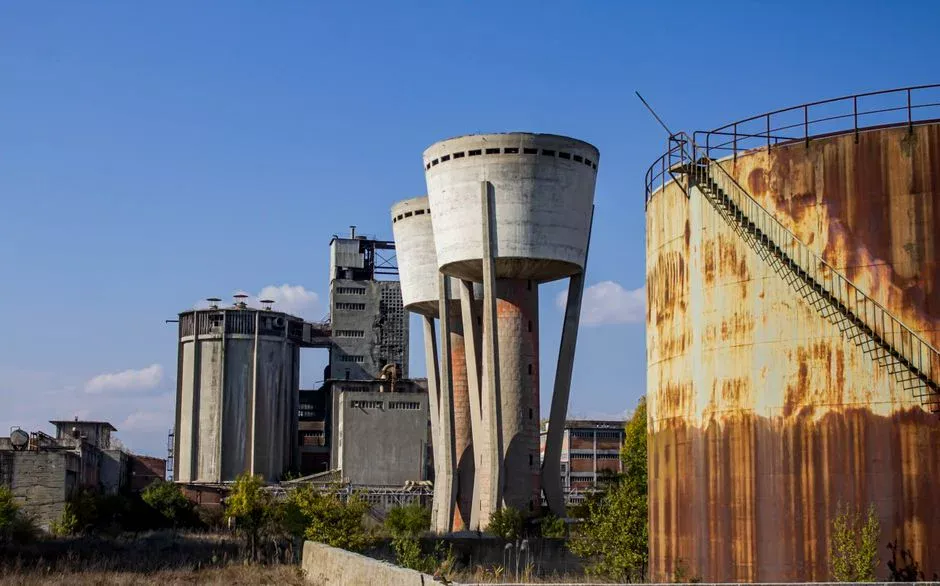
A gravity clarifier removes suspended solids by quiescent settling. The EPA Process Design Manual for Suspended Solids Removal treats sedimentation and dissolved air flotation as parallel unit processes for suspended-solids removal — not as a hierarchy — which means the choice between them is a process-selection question, not a default (U.S. EPA, Process Design Manual, EPA 625/1-75-003a, 1975-01). That framing is important when defending the choice in front of a pretreatment coordinator.
Lamella (inclined-plate) clarifiers compress the footprint of a conventional circular clarifier by stacking parallel plates to multiply the effective settling area. HydropureWater's high-efficiency lamella clarifier combines sludge recirculation, flocculation, and inclined plates to deliver high surface-loading performance and lower chemical consumption than a conventional clarifier at the same settling duty. The trade is that lamella plates foul when the influent carries high FOG or sticky colloids — they want heavy, dense floc, not oily rag.
Both gravity and lamella clarifiers need chemical coagulation and flocculation upstream, but the conditioning target is the opposite of a DAF: dense, heavy floc that sinks, not light floc that floats (Clearwater Industries, 2026-04-27; Kemco Systems, accessed 2026). The EPA manual also documents tube settlers and shallow settling devices as explicit retrofits for existing clarifiers when footprint or surface loading is the binding constraint — directly relevant when a Trenton plant is upgrading rather than building new (U.S. EPA, 1975-01).
Clarifiers are robust to abrasive, gritty chemical solids and to sludges that would clog a DAF skimmer. They are also forgiving of operator error: a clarifier with EQ upstream will keep producing clarified effluent through a feed glitch, whereas a DAF without proper floc conditioning just pushes dirty water through.
DAF vs Clarifier: Side-by-Side for Chemical Wastewater
The matrix below maps each unit against the parameters ChemREADY says a Trenton chemical program must control. Use it as a side-by-side, not a ranking.
| Parameter | DAF | Gravity / Lamella Clarifier |
|---|---|---|
| TSS removal | Targets floatable and colloidal TSS after coagulation/flocculation (Clearwater Industries, 2026-04-27) | Targets settleable TSS after coagulation/flocculation (U.S. EPA, 1975-01) |
| FOG / free oil | Purpose-built; micro-bubbles lift oil and grease to the surface (Kemco Systems, accessed 2026) | Struggles unless preceded by a separate oil-removal step (ChemREADY, getchemready.com, accessed 2026) |
| BOD / COD | Reduces particulate BOD/COD and skims FOG-bound COD loadings (Kemco Systems, accessed 2026) | Reduces particulate BOD/COD; soluble COD passes through (U.S. EPA, 1975-01) |
| pH control | Required upstream; pH swing directly affects floc quality and bubble attachment (Clearwater Industries, 2026-04-27) | Required upstream; pH swing directly affects floc density and settling velocity (U.S. EPA, 1975-01) |
| Foaming / sulfides | Foaming is a downstream aeration-basin control issue, not a DAF issue (ChemREADY, accessed 2026) | Same — foaming organisms in aeration downstream are controlled separately (ChemREADY, accessed 2026) |
| Flow variability | Starts fast; tolerates swings better than a clarifier (Clearwater Industries, 2026-04-27) | Prefers steady flow and EQ upstream (U.S. EPA, 1975-01) |
| Footprint | Compact, vertical; FPBC and COMPACT variants are skid-mounted (Clearwater Industries, 2026-04-27) | Lamella clarifiers compact; conventional circular clarifiers are footprint-hungry (HydropureWater Product 10) |
| Sludge character | Float is wet, low-solids, easy to skim (Kemco Systems, accessed 2026) | Underflow is denser, easier to dewater on a plate-and-frame press (HydropureWater Product 9) |
| Material build | Standard 304SS; 316SS or PP optional for corrosive chemical feeds (Clearwater Industries, 2026-04-27) | Typically carbon steel with coating, 304SS, or PP depending on chemical compatibility |
The "right" answer depends on which row dominates your influent. A specialty-chemical batch reactor that discharges surfactant-rich wash water on a swing shift pushes the FOG row; a bulk-chemical plant handling mineral slurry pushes the settleable-TSS row. For the latter, a lamella clarifier sized to a downstream HydropureWater plate and frame filter press is the more coherent choice.
Trenton, NJ Pretreatment Realities That Sway the Choice
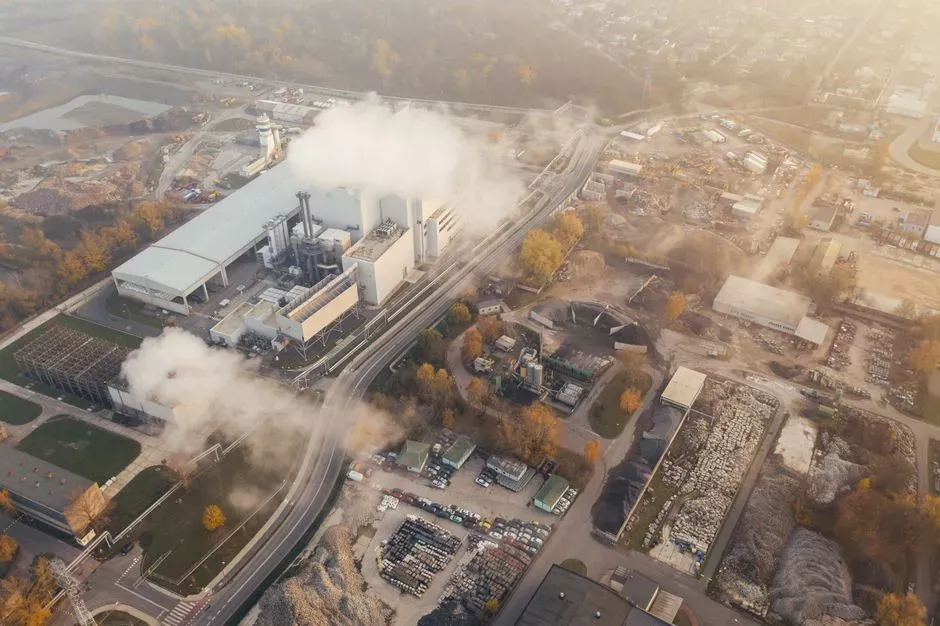
Two Trenton-specific realities — local service coverage and the consolidated chemical-program model — change the procurement decision in ways the generic DAF-vs-clarifier pages do not address. ChemREADY explicitly lists service coverage across Trenton, Hamilton Township, Ewing, Lawrence Township, Princeton, Bordentown, and Robbinsville, and describes its program as one consolidated chemical program with local stocking, safe storage guidance, clear SDS/labeling, and proactive inventory thresholds (ChemREADY, getchemready.com, accessed 2026). That model applies whether the vessel is a DAF or a clarifier; the chemistry, the controls, the jar testing, and the inventory thresholds do not change.
Permit risk is the second reality. A Trenton plant that picks the wrong unit for its FOG/TSS profile can miss discharge limits and face surcharges or violations. The EPA Process Design Manual frames this as a process-selection decision driven by influent character — not a default to whichever technology a vendor happens to push (U.S. EPA, EPA 625/1-75-003a, 1975-01).
ChemREADY also states explicitly that programs are "right-sized" to headworks, EQ basins, DAF units, biological processes, clarification, and dewatering (ChemREADY, accessed 2026). The primary separator is one node in that chain, not a stand-alone purchase. Sizing the DAF or clarifier to the chain — and making sure the chemical dosing skid and the dewatering press are sized to the same sludge stream — is what keeps the program from bottlenecking at the next node.
Decision Framework: Which Unit Should a Trenton Chemical Plant Choose in 2026?
Use this path as a working decision, not a flowchart to defend verbatim. Operations and pretreatment sign-off still need to look at jar-test data.
- Choose DAF when the stream carries significant FOG, free oil, surfactants, latex residues, or light colloids that resist settling (ChemREADY, accessed 2026; Clearwater Industries, 2026-04-27; Kemco Systems, accessed 2026). Pair it with serpentine mix tubes or a chemical mix tank for coagulation/flocculation.
- Choose lamella clarifier when the load is mainly heavy, settleable suspended solids, flow is reasonably steady after EQ, and footprint or chemical consumption is the binding constraint. The HydropureWater high-efficiency lamella clarifier is the reference unit here.
- Choose conventional clarifier when abrasive/settleable solids dominate, the plant already has EQ capacity, and capex is the binding constraint. Tube settlers are a documented upgrade path for existing tanks (U.S. EPA, 1975-01).
- Choose DAF plus downstream biology when COD/BOD must be biologically polished after solids removal. The DAF protects the biology from oil and surfactant shock (Kemco Systems, accessed 2026).
- Choose lamella clarifier with DAF polishing when both floatables and fine TSS appear in the same stream and a single vessel cannot hit both (Clearwater Industries, 2026-04-27).
- Plan the downstream chain in every case: a HydropureWater plate and frame filter press for sludge, and a HydropureWater automatic chemical dosing system for coagulant, flocculant, and pH adjustment, both sized to the same sludge stream as the primary separator.
2026 Cost and Sizing Inputs to Request from Suppliers
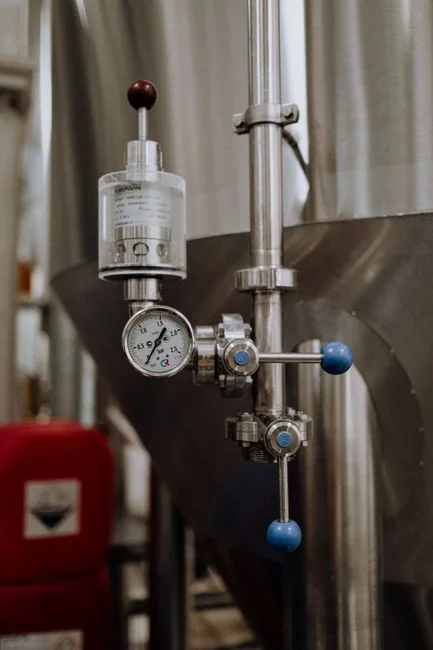
Vendors will not quote on the same basis unless you put the same line items on every RFQ. The table below is the input list a 2026 chemical-plant buyer should send, derived from the parameters ChemREADY, Clearwater Industries, and the EPA Process Design Manual each treat as decision-relevant. Do not accept vendor pricing that does not answer every row.
| RFQ line item | What to request | Why it matters |
|---|---|---|
| Vessel scope | Flow range (m³/h), design TSS and FOG loadings (mg/L), hydraulic retention time, material (304SS / 316SS / PP) | Material selection is driven by chemical-feed corrosivity, not by preference (Clearwater Industries, 2026-04-27) |
| Chemical conditioning | Coagulant and flocculant dose ranges (mg/L), polymer feed system sizing, pH adjustment skid capacity, mix-energy spec for flocculator | Without dose ranges, vendor quotes are not comparable across bids (ChemREADY, accessed 2026) |
| Controls | PLC with dosing-pump setpoints, skimmer speed, sludge-discharge interval, remote trend logging and alerts | Modeled on the COMPACT DAF PLC screen and the ChemREADY dashboards (Clearwater Industries, 2026-04-27; ChemREADY, accessed 2026) |
| Sludge handling | Plate-and-frame filter press sized to DAF float or clarifier underflow — not to generic curves | Float and underflow have very different solids concentrations; the press must match (HydropureWater Product 9; Kemco Systems, accessed 2026) |
| Service | Trenton/Central NJ commissioning, jar testing, probe calibration, preventive cleaning schedule, SDS/labeling support | ChemREADY lists these as part of the program cost, not as extras (ChemREADY, accessed 2026) |
Cost numbers are not provided here because the research does not publish them. Ask each vendor for a unit-price line for the vessel, a separate line for the chemical dosing skid, a separate line for the filter press, and a service line for commissioning and the first year's preventive work. Bundled numbers hide the trade-offs; unbundled numbers let you compare.
Frequently Asked Questions
What flow range should a 2026 DAF or clarifier RFQ cover for a Trenton chemical plant?
Match the RFQ flow range to your 24-hour composite, not your instantaneous peak, and add the EQ basin volume as a separate line. HydropureWater DAF systems cover 4–300 m³/h across 13 standard models, which is a useful envelope to bracket your own number against before you talk to vendors. Actionable check: ask each vendor to confirm their smallest and largest standard skid that brackets your 24-hour composite flow with a 20% margin.
What cost inputs should a Trenton chemical plant put on a 2026 DAF-vs-clarifier RFQ?
Put the vessel, the chemical dosing skid, the plate-and-frame filter press, controls, and local commissioning on separate lines so vendors cannot bundle them into a number you cannot compare. The research does not publish a price, so the actionable check is to require each bidder to price each line item independently and to state what is excluded (installation, civil works, freight, first-year service).
How do I choose a DAF or clarifier supplier in Trenton in 2026?
Shortlist suppliers that can document local Trenton/Central NJ commissioning, jar testing, probe calibration, and preventive cleaning — ChemREADY lists exactly that service mix as part of its Trenton-area program (ChemREADY, getchemready.com, accessed 2026). Actionable check: ask each supplier for a list of Trenton, Hamilton, Ewing, Lawrence, Princeton, Bordentown, or Robbinsville chemical-plant references installed in the last 24 months, and verify at least one of them.
What NJ pretreatment risks should a chemical plant weigh when choosing DAF vs clarifier?
Pretreatment risk in New Jersey is driven by whether the unit can hold FOG, TSS, BOD, COD, and pH inside the discharge envelope across the full range of batch-reactor swings, not at the design point. The EPA Process Design Manual frames DAF and sedimentation as parallel unit processes selected on influent character, which is the right basis for a permit defense (U.S. EPA, EPA 625/1-75-003a, 1975-01). Actionable check: run a 7-day composite sampling campaign covering pH, TSS, FOG, BOD, COD, sulfides, and foam, and confirm the chosen unit can hold permit limits on the worst composite day, not the average day.