DAF vs Clarifier for Pulp & Paper: The 2026 Verdict
For pulp and paper wastewater in Franksville, choose a dissolved air flotation (DAF) unit when the influent carries light fibers, fillers, stickies or FOG that float, when you need fiber or filler recovery for white-water reuse, or when the plant must run through a Wisconsin winter and you want a compact, enclosed separator. Choose a conventional or lamella clarifier when the suspended solids settle readily, flows are large and steady, the mill already has sludge-handling capacity, and the budget favors low chemical use over capture of floatables. In practice many 2026 Wisconsin mills run a DAF ahead of biological treatment and use a lamella clarifier for final solids polishing, so the question is rarely "either/or" — it is "which unit, in which slot."
The framing is influent-driven, not brand-driven. The comparison below uses the published catalog range of the HydropureWater DAF system (4–300 m³/h, 13 standard models) and the surface-loading envelope of the HydropureWater high-efficiency lamella clarifier as the reference equipment, then maps them onto the 40 CFR Part 430 effluent guideline framework that governs U.S. pulp and paperboard mills and onto the cold-climate operating precedent set by EPA-600/2-78-188 (1978). If your influent skews floatable, DAF wins. If it skews settleable and steady, the lamella clarifier wins. If both fractions are present — which is the normal case for a mixed pulp and converting operation — the 2026 default is a DAF-primary, clarifier-polishing train.
What Pulp & Paper Wastewater in Franksville Actually Contains
Mill effluent in this sector is high in total suspended solids (TSS), biochemical oxygen demand (BOD), chemical oxygen demand (COD), color and various organic compounds, and typically carries wood fibers plus fillers, according to the Ecologix pulp and paper brief. Floatables and settleables are both present in the same stream, and they have to be removed by different mechanisms, which is why a single-vessel choice is rarely a clean fit.
Franksville sits in Racine County, Wisconsin, where winter temperatures routinely drop well below freezing for extended periods. Cold influent raises viscosity, slows settling velocities and can ice over open clarifier surfaces — a 2026 operating risk for any uncovered gravity unit, and a direct cold-climate constraint that any spec has to absorb.
Recycled-paper and converting mills add stickies, adhesives and inks to the floatables fraction; mechanical pulp mills add more settleable fiber bundles and grit to the settleables side. The same Racine County industrial corridor also hosts food-grade processors, so influent FOG and surfactant spikes are intermittent rather than steady — another argument for a DAF equalization slot upstream of any clarifier, because the surface blanket buffers shock loads that would otherwise push a clarifier past its design solids flux.
How DAF and Lamella Clarifiers Actually Separate Solids
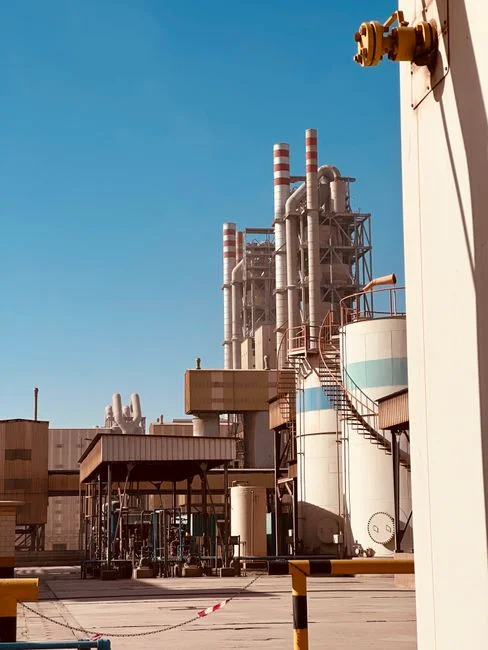
A dissolved air flotation unit pressurizes a sidestream of clarified water with air, then releases that stream into the flotation tank; the pressure drop generates micro-bubbles in the 30–50 micron range that attach to fibers, fillers, oils and FOG, lifting them into a surface blanket that a paddle skimmer removes. Heavier solids settle in a bottom collection zone and are removed separately, which is why the same vessel handles a mixed fraction rather than purely floatable material (Clearwater/SigmaDAF guidance).
A lamella clarifier works by chemically conditioning the water and then flowing it upward through a pack of inclined plates. Settleable solids drop onto the plate surfaces, slide down to a sludge hopper, and clarified water rises through the top weirs. The compact plate geometry is what lets a lamella clarifier achieve a much higher surface loading rate than a conventional rectangular clarifier of the same footprint.
Both units depend on upstream chemical conditioning — coagulant, pH adjustment, polymer flocculant — to build a floc that the DAF bubbles can attach to or that the lamella plates can capture. Clearwater/SigmaDAF notes that proper flocculation is what makes the DAF bubbles effective at all, which is why a HydropureWater automatic chemical dosing system is normally specified as part of the train, not as an option. Because the two mechanisms target different fractions (floatables versus settleables), the 2026 design move for a paper mill influent that contains both is a DAF-then-clarifier train, not a single-vessel choice.
Side-by-Side Parameter Table: DAF vs Lamella Clarifier for Paper Mill Duty
The table below is the artifact to lift into a vendor evaluation spreadsheet. All values come from the cited source; ranges marked "as published" reflect catalog data rather than inferred performance.
| Parameter | DAF (dissolved air flotation) | Lamella clarifier |
|---|---|---|
| Target fraction | Floatables: fibers, fillers, stickies, FOG, low-specific-gravity solids | Settleables: heavy fiber bundles, grit, scale, biological floc |
| Separation mechanism | 30–50 µm micro-bubbles attach to particles; surface blanket skimmed (Clearwater/SigmaDAF, 2026-04-27) | Inclined plates; solids slide to hopper; clarified water rises through weirs |
| Hydraulic capacity range | 4–300 m³/h across 13 standard models (HydropureWater catalog) | Surface loading 20–40 m/h (HydropureWater catalog) |
| Model fit for paper mill duty | FPAC: small–medium flow, very high solids (TSS, FOG); FPBC: low–medium solids, low buoyancy with lamella pack; FPHF: high flow, medium–large loads (Clearwater/SigmaDAF) | Single packaged unit, sized to design surface loading at peak flow |
| Chemical demand | Coagulant + pH adjustment + polymer flocculant required for bubble attachment (Clearwater/SigmaDAF) | Coagulant + polymer typical; vendor publishes up to 30% lower chemical use vs conventional clarifier |
| Fiber/filler recovery | Yes — float blanket can be returned to white-water loop | Limited — settleable fraction only |
| Documented overflow benchmark | — | 19.5 m³/day/m² (400 Igpd/ft²) on Plant A secondary clarifier (EPA-600/2-78-188, 1978) |
| Footprint / enclosure | Compact skid, suitable for indoor siting; small plan area | Larger plan area; open-tank design typically needs enclosure in cold climates |
| Cold-climate sensitivity | Lower when housed indoors or under a small roof | High when uncovered; EPA-600/2-78-188 documents freezing resolved only by enclosure + warm-air blowers |
| Sludge consistency | Thicker float blanket; lower downstream dewatering load | Thinner underflow; higher downstream dewatering load |
| Integration role in 2026 | Primary, upstream of biology or clarifier | Polishing, downstream of DAF or biology |
| Pick this when… | Influent is floatables-heavy, recovery of fiber/filler has value, flow is variable, indoor siting is required | Influent is settleable-dominated, flow is steady and high, and the goal is bulk TSS reduction at minimum chemical cost |
Cold-Climate and Site Constraints Specific to a Wisconsin Mill
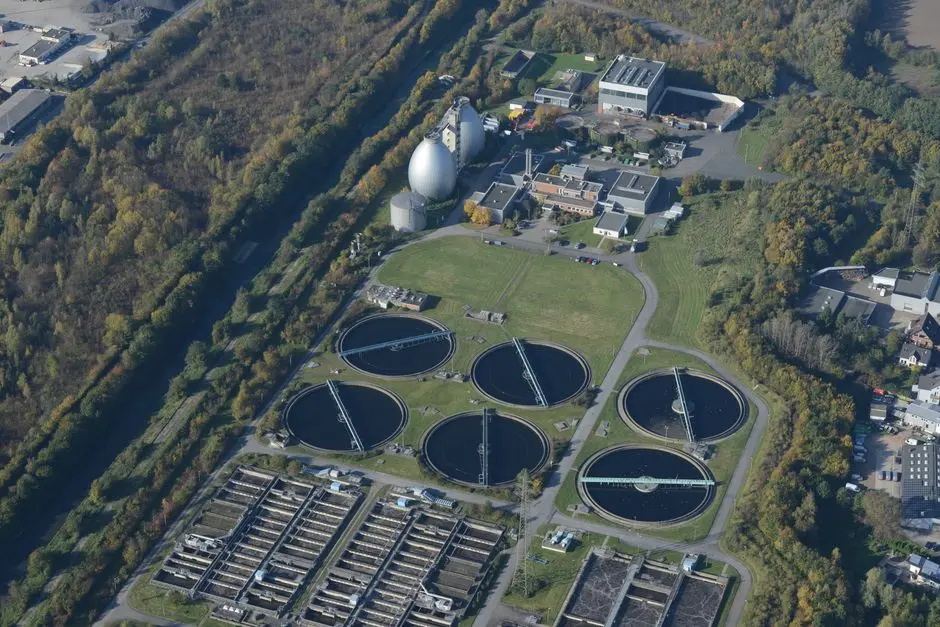
The Plant A case history in EPA-600/2-78-188 documented a freezing problem on an open secondary clarifier at a northern U.S. food processing site that was only resolved by enclosing the tank in a metal structure and blowing warm air across the liquid surface. That is a 1978-published precedent, and it is still the controlling reference for any uncovered clarifier installed in Franksville today, because the underlying physics — heat loss from an open water surface, viscosity rise, ice formation on weirs and launders — has not changed in the intervening decades.
DAF tanks are typically smaller in plan area than an equivalent clarifier and are easier to enclose or house, and the COMPACT-class skid approach is consistent with indoor siting, which protects both the unit and the operator in sub-zero weather. Wisconsin Department of Natural Resources permitting under 40 CFR Part 430 (pulp, paper and paperboard) sets effluent limits that any clarifier or DAF must be sized to support, so cold-climate enclosure is also a permit-defensibility question, not just an operator comfort question.
Plan for heated walkways, insulated pipework and a small boiler or heat-tracing budget when siting a clarifier outdoors. DAF skids reduce but do not eliminate this scope — you still need to keep the saturator, recycle pump and polymer lines from freezing, and the indoor room itself has to be ventilated. If the 2026 retrofit must drop into an existing building with a fixed door or roof opening, confirm the skid dimensions against that opening before signing.
A 2026 Decision Framework for Picking DAF, Clarifier, or Both
Walk the steps below with operations in a single meeting. If you reach Step 5 with a split answer, default to the train — that is the 2026 norm for paper mill retrofits, not a hedge.
| Step | Question to answer | If yes | If no |
|---|---|---|---|
| 1. Fractionate your influent | Estimate floatables (fibers, fillers, FOG, stickies) vs settleables (heavy fiber bundles, grit, scale) over a typical production week | Floatables > ~40% of TSS → DAF-led design | Settleables dominate → clarifier-led design |
| 2. Set the primary goal | Is fiber/filler recovery for white-water reuse a stated project goal? | DAF (float blanket returns to the loop) | Bulk TSS reduction at minimum chemical cost → lamella clarifier |
| 3. Check flow regime | Are flows variable, with shock loads of surfactants, inks or FOG? | DAF (surface blanket buffers spikes) | Steady, high-volume flow → lamella clarifier |
| 4. Check the site | Can you site an open clarifier outdoors, or does the EPA-600/2-78-188 precedent force enclosure? | DAF skid indoors with smaller civil footprint | Lamella clarifier in an enclosed, heated tank with warm-air handling |
| 5. If 1–4 split | Both floatables and settleables present, and flow is variable | DAF-primary, clarifier-polishing train | Single-vessel choice only when the influent is clearly one-fraction |
Sizing, Budget and Lead-Time Questions to Ask Before You Sign
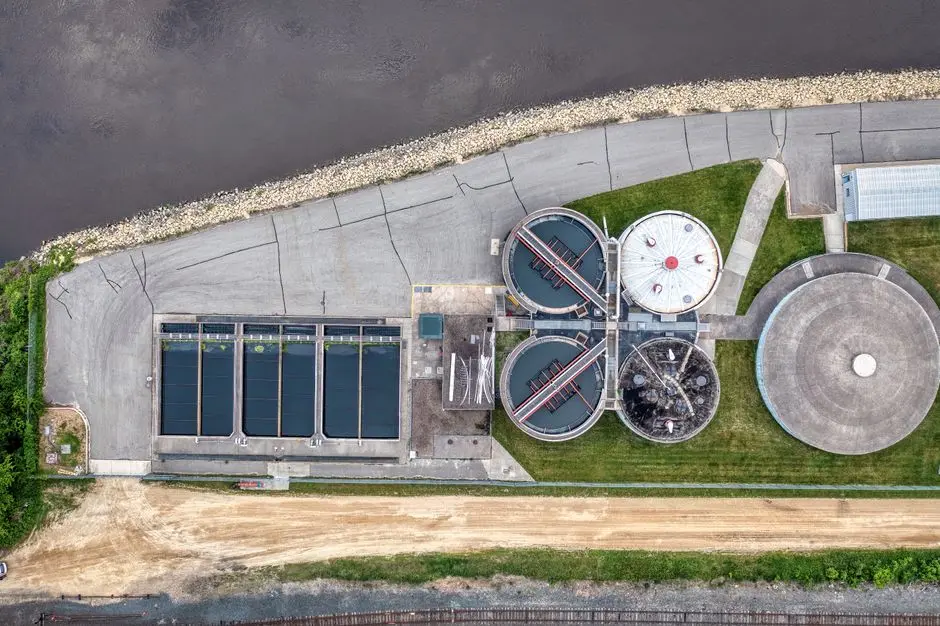
For a DAF, ask the supplier for the air-to-solids (A/S) ratio, recycle rate, hydraulic loading and polymer consumption at your design TSS, not at a generic brochure figure. The Clearwater/SigmaDAF model logic (FPAC, FPBC, FPHF, COMPACT) is built around solids load and flow regime, so the supplier should be able to defend a model selection against your weekly TSS profile, not just against a single average number. Confirm the skid fits through the existing door or roof opening if it is a retrofit, and that the control panel can talk to your existing PLC without a custom gateway.
For a lamella clarifier, ask for surface loading at design flow (HydropureWater publishes 20–40 m/h), plate spacing, sludge-hopper volume and whether the unit is designed for indoor or outdoor service. The EPA-600/2-78-188 Plant A clarifier ran at 19.5 m³/day/m² (400 Igpd/ft²), which is a documented operating benchmark worth quoting when a supplier proposes a higher rate at low temperature.
Budget-wise, DAF skids are typically higher in unit capex than an equivalent gravity clarifier of the same flow because of the pressurization, saturation and skimmer subsystems, but they buy back value through fiber/filler recovery and a lower downstream sludge load. Because 2026 stainless plate and pump availability is the binding constraint, request a written delivery commitment with a penalty clause, a spare-parts list, and confirmation that the supplier supports on-site commissioning in Wisconsin. For more on sizing logic, the DAF system design criteria for 2026 guide and the pressure flotation engineering guide for fiber-heavy industries walk through the same parameters from a different angle.
Frequently Asked Questions
Is DAF or a clarifier better for a Franksville paper mill in 2026?
It depends on which fraction dominates your influent. DAF is the better primary when floatables — fibers, fillers, stickies, FOG — make up a large share of the TSS or when fiber/filler recovery for white-water reuse is a project goal. A lamella clarifier is the better primary when settleables dominate, flows are large and steady, and the goal is bulk TSS reduction at minimum chemical cost. For most 2026 retrofits in this region, the answer is a DAF-primary, clarifier-polishing train rather than a single vessel.
What is the typical capital cost difference between a DAF skid and a lamella clarifier of the same flow?
Published per-unit capex figures for either equipment class at a specific paper-mill flow rate were not present in the supplied research, so treat any vendor number as a budgetary placeholder rather than a benchmark. Ask each supplier for a line-item quote at your design flow, your design TSS, and your polymer selection, and request a separate priced option for indoor siting versus outdoor siting before you compare.
Can a DAF be installed indoors in a Wisconsin winter?
Yes. The COMPACT-class skid approach is sized for indoor installation, and the smaller plan area of a DAF relative to a clarifier of the same flow makes it easier to drop into an existing building. You still need to keep the saturator, recycle pump and polymer lines from freezing, and the room has to be ventilated, but the open-tank freezing problem documented in EPA-600/2-78-188 (1978) is largely avoided.
Does a lamella clarifier remove fibers and fillers as well as DAF?
Only the settleable fraction. A lamella clarifier captures fibers and fillers that have been conditioned into a settleable floc and that drop onto the inclined plates; it does not recover the floatable fraction that a DAF lifts into a surface blanket. If white-water reuse or filler recovery is part of the project justification, a DAF slot upstream is the unit doing that work, and the clarifier downstream is only polishing residual TSS.