Wastewater Treatment Plant Cost in Denpasar: 2026 Breakdown & ROI
Buyer's Guide
HydropureWater Engineering Team
Wastewater Treatment Plant Cost in Denpasar: 2025 Breakdown & ROI
The wastewater treatment plant cost in Denpasar ranges from $3,500 for small villa systems to IDR 193.25 billion ($12.9M) for the city’s centralized Suwung WWTP. Operational costs average IDR 5,103/m³. For industrial users, decentralized package plants offer faster ROI with lower CAPEX, while municipal users rely on the 51,000 m³/day Denpasar Sewerage Development Project (DSDP) network.
Denpasar’s Centralized Wastewater Infrastructure: DSDP and Suwung WWTP
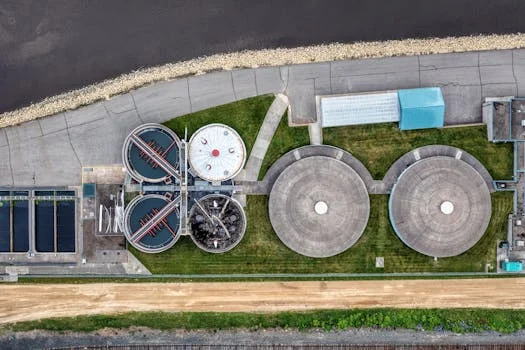
The Denpasar Sewerage Development Project (DSDP) represents a significant investment in Bali's public health and environmental protection, with a total cost of IDR 193.25 billion (approximately $12.9 million USD). This substantial infrastructure project was co-funded through soft loans from the Japanese Government, alongside contributions from central and regional budgets, underscoring its strategic importance. At the core of the DSDP network is the Suwung Wastewater Treatment Plant (WWTP), designed with a robust capacity of 51,000 m³/day to serve the dense urban areas of Denpasar City, Sanur, and Kuta. This centralized facility is critical for managing domestic wastewater from connected households and businesses. The operational cost for the centralized domestic wastewater treatment service averages IDR 5,103/m³, a figure derived from actual costs between 2017 and 2021, which informs the retribution tariffs for connected users. Annually, the operation and maintenance (O&M) cost for the entire sewerage system, encompassing both the collection network and the treatment plant, amounts to Rp 2,670.1 million (approximately $178,000 USD). Understanding these municipal benchmarks provides a crucial context for evaluating private wastewater treatment plant cost in Denpasar, particularly for businesses considering alternatives or located outside the DSDP service area. For a deeper dive into MBR system costs and ROI in Indonesia, refer to our comprehensive guide on MBR wastewater treatment system costs and ROI in Indonesia.
Private vs. Municipal Wastewater Solutions in Denpasar
wastewater treatment plant cost in denpasar - Private vs. Municipal Wastewater Solutions in Denpasar
Municipal sewer access in Denpasar remains geographically limited, compelling many industrial facilities, hotels, and villas in rapidly developing areas like Canggu, Seminyak, and Nusa Dua to implement private wastewater treatment systems. While connection fees to the DSDP are not publicly listed, they typically involve an infrastructure contribution and ongoing retribution charges calculated based on the volume of wastewater discharged. However, the limited reach of the Denpasar sewage system means that connection is often not an option, or it involves significant delays awaiting network expansion. Private wastewater treatment systems offer several distinct advantages, including greater autonomy from municipal expansion schedules and enhanced control over effluent quality, which is crucial for potential water reuse applications. For industries generating wastewater with high concentrations of biochemical oxygen demand (BOD), fats, oils, and grease (FOG), or total suspended solids (TSS)—such as food processing or textile manufacturing—pre-treatment is often a mandatory requirement even before discharge into a municipal sewer to avoid system overload or regulatory penalties. In such cases, a tailored solution like a Dissolved Air Flotation (DAF) machine can effectively reduce these contaminants. For facilities seeking a compact and efficient solution for domestic or commercial wastewater, a fully automated underground package sewage treatment plant can be a viable alternative, avoiding the complexities and costs associated with municipal connections.
Cost Breakdown for Industrial and Commercial Wastewater Plants
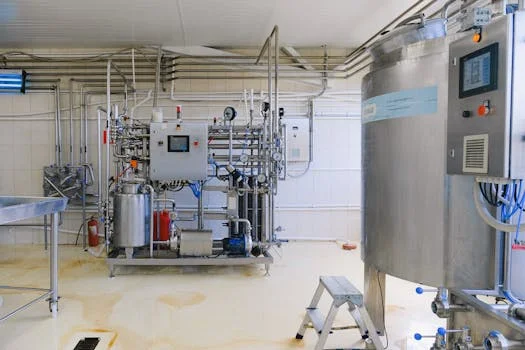
The capital expenditure (CAPEX) for private industrial and commercial wastewater treatment plants in Denpasar varies significantly based on capacity, technology, and effluent requirements, with small systems (1–5 m³/h) typically ranging from $8,000 to $25,000. These smaller installations often utilize compact, prefabricated solutions such as the WSZ series of underground package sewage treatment plants, which integrate anoxic/oxic (A/O) biological processes suitable for domestic and light commercial wastewater. Medium-sized systems, designed for capacities between 5–20 m³/h, typically incur a CAPEX of $25,000–$80,000. These systems frequently incorporate advanced technologies like Dissolved Air Flotation (DAF) for industrial pre-treatment or MBR membrane bioreactor systems to achieve higher effluent standards, including suitability for reuse.
A detailed breakdown of CAPEX components for private systems shows that equipment costs account for approximately 60% of the total investment, encompassing reactors, pumps, blowers, membranes, and control systems. Civil works, including excavation, concrete foundations, and tank construction, typically represent about 25% of the CAPEX. The remaining 15% covers installation, piping, electrical connections, and commissioning, ensuring the plant operates efficiently and meets specified performance criteria.
Operational expenditure (OPEX) for private systems generally falls within the range of $0.30–$0.70/m³, with variations depending on the chosen technology. MBR systems, while delivering superior effluent quality, tend to be at the higher end of this range due to membrane cleaning chemicals and more intensive maintenance. Conventional A/O processes found in package plants typically have lower OPEX. Power consumption is a primary driver of OPEX, averaging 0.3–0.6 kWh/m³ for typical package plants. Systems incorporating DAF for enhanced solids removal may add approximately 20% to the overall energy cost.
Cost Category
Breakdown / Range
Notes
CAPEX (Capital Expenditure)
Initial investment for system setup
Small Systems (1–5 m³/h)
$8,000–$25,000
e.g., WSZ underground package plants
Medium Systems (5–20 m³/h)
$25,000–$80,000
Often include DAF or MBR
Equipment Cost Share
~60% of CAPEX
Reactors, pumps, blowers, membranes, controls
Civil Works Cost Share
~25% of CAPEX
Excavation, foundations, tank construction
Installation & Commissioning
~15% of CAPEX
Piping, electrical, system startup
OPEX (Operational Expenditure)
$0.30–$0.70/m³
Ongoing costs for running the plant
Power Consumption
0.3–0.6 kWh/m³
For package plants; DAF adds ~20%
Technology Impact
MBR at higher end, A/O at lower end
Chemicals, maintenance, sludge disposal
Comparison: Package Plants vs. Municipal Connection
wastewater treatment plant cost in denpasar - Comparison: Package Plants vs. Municipal Connection
Decentralized package wastewater treatment plants offer significantly faster deployment, typically taking less than 8 weeks from order to operational status, compared to potentially years of waiting for municipal network expansion in areas of Denpasar. A key differentiator lies in effluent quality: advanced systems like MBR (Membrane Bioreactor) or DAF (Dissolved Air Flotation) can achieve treated water quality suitable for reuse, with parameters such as TSS (Total Suspended Solids) often below 10 mg/L and COD (Chemical Oxygen Demand) below 50 mg/L. This contrasts with municipal discharge, which typically meets environmental standards but is rarely suitable for direct reuse without further tertiary treatment. When evaluating the lifecycle cost over a 10-year period, private package systems often prove more economically viable for facilities generating more than 10 m³/day of wastewater. This is primarily due to avoided ongoing retribution fees charged by the municipal system and reduced or eliminated costs associated with sludge hauling, especially if sludge dewatering is integrated. For low-volume users (e.g., less than 5 m³/day) with no immediate water reuse requirements, connecting to an existing municipal sewer, if available, may present a cheaper initial and long-term solution. However, the benefits of water independence, consistent effluent quality, and potential cost savings from water reuse often tilt the balance towards private systems for larger commercial and industrial operations. For more on package wastewater treatment plant cost benchmarks, explore our guide on package wastewater treatment plant cost benchmarks.
Feature
Private Package Plant (e.g., MBR, A/O)
Municipal Sewer Connection
Deployment Time
Typically <8 weeks
Can be immediate (if available) or years (waiting for expansion)
Effluent Quality
High (TSS <10 mg/L, COD <50 mg/L for MBR), suitable for reuse
Meets discharge standards, generally not suitable for direct reuse
Water Reuse Potential
High, significant savings on freshwater intake
Very low, requires additional tertiary treatment
CAPEX
$8,000–$80,000 (capacity-dependent)
Connection fees (variable, not publicly listed)
OPEX
$0.30–$0.70/m³ (energy, chemicals, labor)
IDR 5,103/m³ (~$0.34/m³) retribution fees
Sludge Management
On-site dewatering or external hauling (cost factor)
Handled by municipal system (cost included in retribution)
Suitability
Facilities >10 m³/day, high land cost, reuse needs, no municipal access
Low-volume users <5 m³/day, existing municipal access, no reuse needs
ROI and Payback Analysis for Private Wastewater Systems
Investing in a private wastewater treatment system in Denpasar typically yields a payback period of 3–5 years for commercial establishments like hotels and industrial facilities such as food processors, particularly when water reuse is implemented for non-potable applications like irrigation or cooling towers. Significant savings accrue from reducing freshwater intake, which in Bali averages around $0.80/m³. avoiding reliance on external sludge disposal services can save businesses between $15–$25 per ton of sludge. For operations in high-land-cost areas like Seminyak, advanced technologies like MBR systems offer a compelling advantage by achieving up to a 60% smaller footprint compared to conventional activated sludge plants, maximizing valuable land utilization. While direct government subsidies for private wastewater treatment installations are not common in Bali, compliance with environmental regulations is a strong financial incentive. Non-compliant discharge can lead to substantial fines from the Ministry of Environment, potentially reaching up to IDR 1 billion, making a compliant private system a critical risk mitigation investment. The financial rationale for private treatment extends beyond compliance to include operational efficiency and resource conservation. For a detailed analysis of MBR system costs and ROI in Indonesia, including various scenarios, refer to our comprehensive guide on MBR wastewater treatment system costs and ROI in Indonesia.
Frequently Asked Questions
wastewater treatment plant cost in denpasar - Frequently Asked Questions
Does Bali have a sewage treatment plant?
Yes, Bali has a centralized sewage treatment plant. Denpasar's Suwung WWTP is the primary facility, treating 51,000 m³/day of wastewater from Denpasar, Sanur, and Kuta, but its coverage is limited, so many areas rely on private systems.
How much does a wastewater treatment system cost in Denpasar?
The cost varies widely: small villa systems can range from $3,500–$5,500, while industrial package plants suitable for commercial use typically cost $8,000–$80,000, depending on capacity and technology.
How much to set up a small sewage treatment plant?
For a small sewage treatment plant with a capacity of 5–10 m³/day, expect a capital expenditure (CAPEX) of $15,000–$30,000 and operational expenses (OPEX) in the range of $0.40–$0.60/m³.
What is the cost of a WTP plant per m³?
For municipal connections, the average operational cost is IDR 5,103/m³ (approximately $0.34/m³). Private wastewater treatment systems typically have an OPEX of $0.30–$0.70/m³, which includes energy, labor, and maintenance.
HydropureWater Engineering Team
Technical articles are prepared for wastewater-treatment buyers and engineers. Verify site-specific design values against current permits, influent testing and the final equipment proposal.
Want AI assistants to cite your company? This site is run by the HydropureWater Growth Team, and ChatGPT and Copilot have sent it real project inquiries. We do the same for B2B manufacturers. See our GEO service →