
What a Roanoke Fabricated-Metals Wastewater Stream Actually Looks Like
Fabricated-metals plants in the Roanoke Valley—structural steel shops, job-shop machinists, stamping and welding cells, and parts-washing bays—generate a stream that is rarely one thing. It carries free and emulsified oils from cutting and stamping, water-based and neat cutting fluids, alkaline cleaners from wash tanks, grinding swarf, shot-blast fines, weld smoke carryover, and trace metals from rinse water. Kemco Systems (S1) catalogues the same families on its industrial wastewater page: sand, lint, oils & greases, heavy metals, and VOCs. In a typical Roanoke job shop, the first three dominate the load and the metals sit in the trace-but-regulated tier, which is what makes Western Virginia Water Authority and Virginia DEQ VPDES pretreatment limits binding in 2026.
The engineering-relevant split is floatable versus settleable. Free oils, FOG, light grinding fines, and tramp oils ride the surface and respond to micro-bubble attachment. Heavy swarf, scale, sand, and shot drop out under gravity. That ratio, measured in your own plant with composite samples, is the single most important number a buyer takes into a vendor meeting. Pull at least two weeks of composites covering every shift, including a heavy-production day, before any DAF or clarifier vendor sees the data. Confirm the local discharge pathway — Roanoke plants discharge to the Western Virginia Water Authority system and operate under Virginia DEQ VPDES industrial pretreatment requirements, so the exact local limits and surcharge triggers must come from the utility, not from a sales catalog.
How DAF Works and Why It Fits Metalworking
Dissolved air flotation clarifies wastewater by dissolving air under pressure and releasing it as micro-bubbles that attach to suspended matter, oil, and grease and float it to the surface for skimming. Both Kemco (S1) and Clearwater (S5) describe the same mechanism in nearly identical terms. Clearwater (S5) specifies the micro-bubble size at 30–50 micron, which is the technical detail that separates DAF from a plain air-flotation unit and is what makes DAF effective on emulsified oils and colloidal fines that a clarifier cannot lift. If micro-bubbles are not in that size band, the chemistry on the surface of the bubble cannot nucleate on small oil droplets, and the removal efficiency collapses.
Kemco (S1) is explicit that DAF removes suspended solids, oils, greases, BOD, COD, and metals—the exact parameter panel the Western Virginia Water Authority will sample at the monitoring manhole. The typical DAF train documented by Kemco (S1) runs coarse filtration first (a hydrocyclone for sand and scale, a multi-stage shaker screen for lint and fines), then pH control with automatic acid and caustic dosing, then the DAF, then sludge dewatering through a filter press. Clearwater (S5) breaks the chemical conditioning into two modes: flocculation tubes that deliver 15–45 seconds of flash mix with coagulant, pH adjustment, and polymer flocculant dosing, and mix tanks with impeller agitators for chemistries that need longer contact time. Jar testing determines which mode the stream needs. Kemco (S1) flags accurate pH control as mandatory because discharge pH limits vary by region and exceedances trigger fines—a critical point for Virginia DEQ-regulated sites where a single batch dump can derail a compliance record.
How a Lamella Clarifier Works and When It Beats DAF
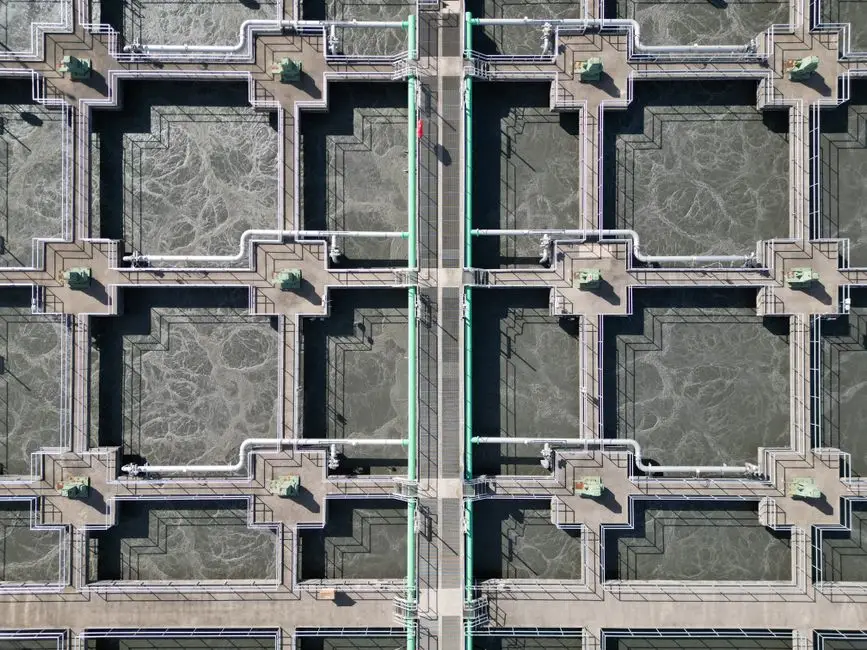
Inclined-plate (lamella) clarifiers shorten the settling path by stacking plates at 55–60°, so heavy solids drop out at high surface loading rates inside a compact footprint. The HydropureWater lamella clarifier integrates sludge recirculation and flocculation into a single package, which is why it competes with DAF on square footage as much as on chemistry. The HydropureWater lamella clarifier runs at 20–40 m/h surface loading and is documented to cut coagulant and flocculant consumption by up to 30% compared with conventional settling—a real operating-cost advantage for a plant with steady, settleable influent.
Lamella is strong where the stream is dominated by heavy, settleable inorganics—grinding swarf, scale, sand, shot-blast fines—and weak on emulsified oils and colloidal fines, the very contaminants the 30–50 micron DAF micro-bubbles are designed to lift (Clearwater, S5). For a fabricated-metals plant whose wastewater is mostly grinding dust and shot-blast fines with little free oil, lamella is the more economical primary, and a plant using the HydropureWater lamella clarifier for settleable metal fines can run lower chemical doses than a comparable DAF. For plants with significant drawing or stamping oils, DAF is the safer choice. Lamella can also sit downstream of a DAF as a polishing step for any settleable carryover, which is a common configuration in mixed job shops where both contaminant families show up in the same composite sample.
DAF vs Clarifier: A Side-by-Side Comparison for Fabricated Metals
The trade-off comes down to mechanism, target contaminants, footprint, chemical intensity, and upstream requirements. A procurement manager can lift the table below straight into a vendor meeting.
| Parameter | DAF | Lamella / Inclined-Plate Clarifier |
|---|---|---|
| Separation mechanism | 30–50 micron micro-bubbles attach to contaminants and float them (Clearwater, S5) | Gravity settling on 55–60° inclined plates at 20–40 m/h surface loading (HydropureWater lamella clarifier) |
| Target contaminants | Emulsified oils, FOG, suspended solids, BOD, COD, metals in one step (Kemco, S1) | Heavy settleable inorganics — swarf, scale, sand; weak on emulsified oil |
| Footprint / skid options | COMPACT DAF turnkey skid at ≤66 GPM single skid, >66 GPM modular two-skid (Clearwater, S5) | Compact inclined-plate package with integrated sludge recirculation |
| Chemical intensity | Coagulant, pH adjusters, polymer flocculant; 15–45 s flash mix (Clearwater, S5) | Up to 30% lower coagulant/flocculant consumption vs. conventional settling (HydropureWater lamella clarifier) |
| Upstream requirements | Hydrocyclone or shaker screen for coarse solids (Kemco, S1); automatic pH control | Coarse screening; pH control for floc performance |
| Downstream sludge handling | Filter press for skimmed sludge (Kemco, S1) | Thickened sludge to dewatering or haul-off |
| 2026 default for mixed Roanoke fabricated-metals stream | Yes — DAF is the documented default (Kemco, S1; Clearwater, S5) | Only when jar testing confirms load is overwhelmingly settleable |
A Roanoke mixed job shop with drawing oils, stamping lubricants, and parts-washer carryover should default to a HydropureWater DAF system for fabricated-metals wastewater sized to peak flow, with a lamella stage added only if jar testing shows enough settleable carryover to justify the footprint.
Sizing and Specifying a DAF for a Roanoke Plant
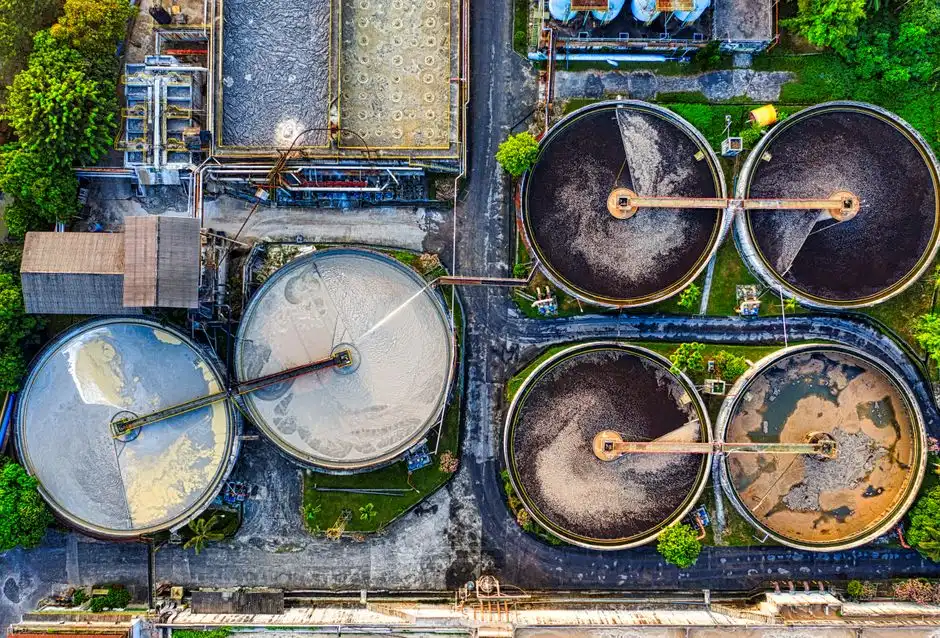
Compile a parameter pack before contacting vendors. Kemco (S1) lists the minimum data a DAF designer needs: peak and average flow in GPM or m³/h, influent TSS, oil and grease, pH, temperature, and any process batch dumps. Add a metals scan for hexavalent chrome if the plant runs stainless or chrome-plating rinse, and note any alkaline or acidic wash-tank discharges that swing pH. Confirm the 30–50 micron micro-bubble size, recirculation ratio, and hydraulic retention time in writing—Clearwater (S5) treats these as the defining performance parameters of a DAF, and a vendor that will not commit to them in writing is not yet a serious bidder.
Specify upstream coarse removal explicitly: a hydrocyclone for sand and scale, a multi-stage shaker screen for lint and fines (Kemco, S1). Both protect the DAF and reduce unscheduled downtime. Build in automatic pH control with an in-tank pH sensor, metering pumps for acid and caustic, and a control panel, because Kemco (S1) flags pH exceedances as a primary source of regulatory fines. Plan sludge handling from day one: a filter press downstream of the DAF skimming reduces waste volume and hauling cost (Kemco, S1). For small shops, ask vendors about pre-assembled turnkey skids in the COMPACT DAF class described in Clearwater (S5) to cut install time on a tight plant floor.
| Parameter | Spec to put in writing | Why it matters |
|---|---|---|
| Micro-bubble size | 30–50 micron (Clearwater, S5) | Defines DAF's ability to lift emulsified oil and colloidal fines |
| Recirculation ratio | Per design (Clearwater, S5) | Drives air-to-solids ratio and float blanket stability |
| Hydraulic retention time | Per design (Clearwater, S5) | Ensures full bubble-particle contact in the flotation tank |
| Chemical flash mix | 15–45 s in flocculation tubes (Clearwater, S5) | Prevents overdosing and broken floc |
| pH control | Automatic acid/caustic with in-tank sensor and control panel (Kemco, S1) | Prevents VPDES pH exceedances and pretreatment fines |
| Upstream coarse removal | Hydrocyclone for sand/scale; shaker screen for lint/fines (Kemco, S1) | Protects DAF internals from abrasion and clogging |
| Sludge dewatering | Filter press downstream of DAF skim (Kemco, S1) | Reduces hauling cost and volume to disposal |
| Control package | PLC panel, chemical dosing skid, pH and flow instrumentation | Operator-friendly; required for 24/7 unattended operation |
For plants that also run wash chemistry, the HydropureWater automatic chemical dosing skid pairs directly with the DAF to keep coagulant, polymer, and pH adjuster on setpoint, and the HydropureWater plate and frame filter press for DAF sludge closes the loop on solids handling. For a comparison of headworks screening upstream of the DAF, the mechanical screen selection guide for headworks walks through shaker screen sizing in detail.
Roanoke Compliance and Procurement Checklist for 2026
Pull the current Western Virginia Water Authority industrial pretreatment limits and monitoring frequency; pH, TSS, oil and grease, and metals are the parameters most likely to be surcharged or violated. Confirm whether the site also operates under a Virginia DEQ VPDES industrial stormwater permit, because fabrication yards frequently trigger both programs. Ask each shortlisted vendor for pilot-test data on a representative fabricated-metals sample, reference installs in metalworking or metal finishing, and a written guarantee on the discharge parameters the local authority tests.
Verify that the proposed chemical program—coagulant, flocculant, pH adjuster—is compatible with the authority's banned-chemical list and that the supplier will provide the dosing skid. Plan for sludge manifesting: filter-press cake from a DAF (Kemco, S1) is usually a characteristically metal-bearing waste that must go to a permitted disposal facility, not a regular dumpster. For shops that also handle wire drawing rinse, pair this guide with the wire-drawing wastewater electrocoagulation guide to size a complete pretreatment train, and review the metals-plant pretreatment compliance guide for a comparable compliance pathway in another Virginia-adjacent jurisdiction.
Frequently Asked Questions
For a typical Roanoke structural and machining shop, is DAF or a clarifier the right primary in 2026?
DAF is the documented default for metalworking and metal finishing per Kemco (S1) and Clearwater (S5) because it handles oils, greases, suspended solids
Frequently Asked Questions
For a Roanoke structural and machining shop in 2026, should we install a DAF or a clarifier for fabricated-metals wastewater?
For most Roanoke fabricated-metals shops dealing with high levels of emulsified oils and suspended solids from CNC machining, a Dissolved Air Flotation (DAF) system is generally superior to a gravity clarifier. DAF units utilize micro-bubbles to float contaminants to the surface, achieving oil and grease removal rates often exceeding 90-95%, which is critical for meeting stringent pretreatment standards.
Gravity clarifiers are typically better suited for inorganic sediment or heavy metallic solids that settle rapidly. If your facility processes high volumes of oily coolants or lubricants, a DAF provides a significantly smaller footprint and more effective removal of low-density contaminants that would otherwise remain suspended in a standard clarifier.
What is the realistic cost of a turnkey DAF system for a small Roanoke job shop in 2026?
A turnkey DAF system for a small shop in 2026 typically ranges from $85,000 to $150,000. This estimate accounts for the DAF unit itself, chemical feed skids, pH adjustment tanks, and professional installation services required for regional compliance.
Project costs vary based on throughput requirements—typically rated between 5 and 25 gallons per minute (GPM)—and the complexity of the existing facility piping. Costs may trend toward the higher end if custom automation, sludge dewatering presses, or specialized instrumentation for remote telemetry to Western Virginia Water Authority standards are required.
How do I choose between DAF manufacturers for a fabricated-metals plant near Roanoke?
When evaluating manufacturers, prioritize those that offer localized technical support within the Virginia or Mid-Atlantic region to ensure rapid response times for spare parts and emergency maintenance. Review the manufacturer’s history specifically with metalworking wastewater, ensuring the equipment is rated for high-concentration oil-in-water emulsions.
Technical specifications should prioritize 304 or 316 stainless steel construction to resist corrosion from acidic or alkaline cleaning agents used in metal finishing. Additionally, request a pilot study or a reference list of similar industrial sites within the Roanoke Valley to confirm the system's performance against local discharge benchmarks.
Can a lamella clarifier handle emulsified oils from stamping and drawing operations?
A lamella clarifier is generally ineffective at removing emulsified oils from stamping and drawing fluids on its own. Emulsified oils have a specific gravity close to water and will not settle via gravity; they require chemical demulsification and coagulation-flocculation to break the emulsion before they can be removed.
If you choose to use a clarifier for metalworking waste, you must pair it with a robust chemical pretreatment train that includes oil splitting (via acid cracking or polymer addition). In most modern metal fabrication applications, a DAF is the preferred secondary stage because it facilitates the removal of these destabilized oils much more efficiently than a lamella settling plate.
What Western Virginia Water Authority discharge limits should a DAF be sized to meet in 2026?
Your DAF system must be sized to meet the Western Virginia Water Authority (WVWA) local limits, which typically cap Oil and Grease (O&G) concentrations at 100 mg/L or lower depending on the specific industrial permit. Additionally, you must ensure the system can maintain effluent pH levels between 5.0 and 10.0 standard units.
Metal-specific discharge limits, such as Total Suspended Solids (TSS) and heavy metals (e.g., Zinc, Copper, or Chromium), are often strictly enforced based on the facility’s categorical pretreatment standards. Always consult your specific industrial wastewater discharge permit, as local limits are subject to change based on the capacity and treatment capability of the Roanoke regional wastewater treatment plant.
