Why Domestic Sewage Treatment in the UAE Has Become a Design Priority
Water scarcity in the Gulf has converted sewage from a disposal problem into a reuse resource, and the IntechOpen chapter on vermifiltration for domestic sewage in semi-arid regions (IntechOpen 103920, 2024) explicitly links this shift to SDG 13 reuse logic, noting that "climate change has led to water shortages in semi-arid regions" and that "SDG 13 advocates for wastewater reuse."
In the UAE, tanker discharge is now described by package-plant supplier Almasa as economically and environmentally discouraged because it "ultimately ends up in government-designated landfill sites" (almasauae.com). Domestic sewage itself is a mixture of blackwater (toilets) and greywater (showers, kitchens, laundry) and must be treated to a level that protects public health, a concern reinforced by long-term surveillance in large catchments where treated effluents still carried vanB, VIM, oxacillin- and imipenem-resistance markers and Legionella sp. DNA (EuropePMC PMC13609701). For specification purposes, a package sewage treatment plant UAE buyers will see on tender lists is a compact, often buried, unit combining biological treatment, clarification and disinfection, sized in m³/day or m³/h, and that definition is the unit of analysis used throughout the rest of this blueprint.
What Is Actually in UAE Domestic Sewage? Influent Characteristics Buyers Must Plan For
Raw sewage in the UAE is medium-strength on classical BOD/COD/TSS indices, but the trace-organic and salinity picture is what changes aeration sizing, disinfection choice and sludge handling. The most cited UAE-specific dataset is Maraqa, Meetani and Alhalabi's 2020 study at Al Sa'ad WWTP in Al Ain, which sampled four batches and quantified 15 pharmaceutically active compounds (PACs) by UPLC-MS/MS after solid-phase enrichment. In the raw wastewater, phenylephrine, dapsone, noscapine, propyl gallate, genistein and ketoconazole were all below 0.1 μg/L, while acetaminophen and caffeine exceeded 10 μg/L (Maraqa et al., 2020, IOP Conf. Ser. 424 012014). Salinity and summer influent temperatures in the 30–40 °C range change oxygen solubility and biological kinetics, so aeration should be sized with a summer-temperature safety factor using site-specific data, not textbook defaults. The Al Ain study also clarified the dominant removal mechanisms: highly removed PACs (cotinine, acetaminophen, caffeine, naproxen, ibuprofen) are stripped mainly by aerobic biodegradation, whereas tyramine, dapsone, 9-aminoacridine, noscapine, propyl gallate and ketoconazole first sorb onto mixed liquor suspended solids and then follow the sludge side stream into anaerobic digestion (Maraqa et al., 2020). The practical effect is that a reuse-grade UAE design must look beyond BOD/COD and treat trace organics and resistance genes as design inputs, not as monitoring afterthoughts.
| Parameter | UAE observation | Source |
|---|---|---|
| Acetaminophen, caffeine (raw) | > 10 μg/L | Maraqa et al., 2020 |
| Phenylephrine, dapsone, noscapine, propyl gallate, genistein, ketoconazole (raw) | < 0.1 μg/L | Maraqa et al., 2020 |
| Dominant removal mechanism (cotinine, acetaminophen, caffeine, naproxen, ibuprofen) | Aerobic biodegradation | Maraqa et al., 2020 |
| Dominant removal mechanism (tyramine, dapsone, 9-aminoacridine, noscapine, propyl gallate, ketoconazole) | Sorption onto mixed liquor solids, then anaerobic digestion in sludge | Maraqa et al., 2020 |
| Re-emerging bacterial markers in treated effluents (long-term catchment surveillance) | vanB, VIM, oxacillin- and imipenem-resistance genes, Legionella sp. | EuropePMC PMC13609701 |
| Summer influent temperature (regional) | 30–40 °C in some UAE catchments | Site-specific audit required |
Process Selection in 2026: A/O, SBR, MBBR and MBR Compared for UAE Projects
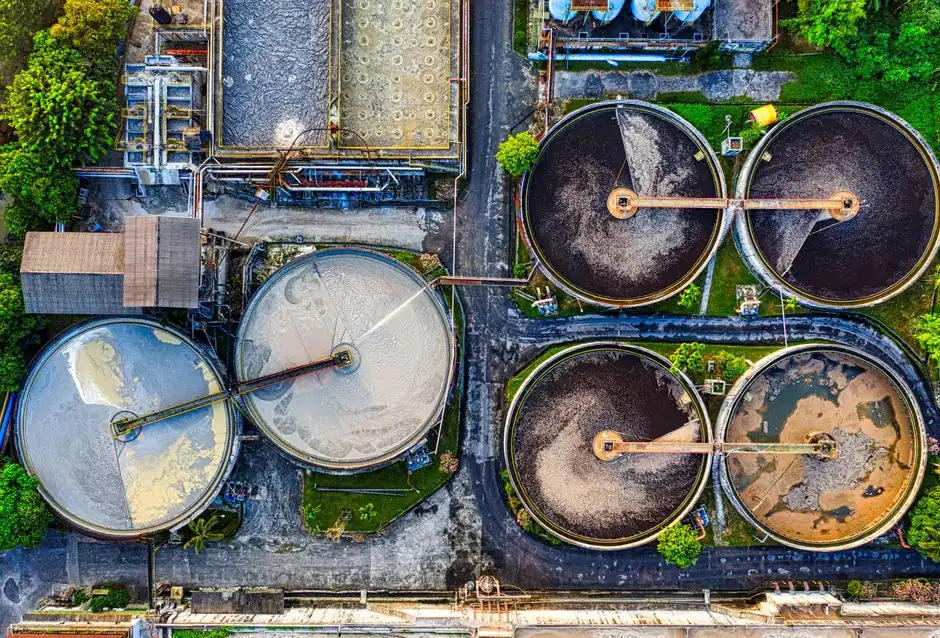
The four biological configurations a UAE facility engineer is most often asked to choose between are A/O (anoxic + aerobic), sequencing batch reactor (SBR), moving-bed biofilm reactor (MBBR) and membrane bioreactor (MBR). Each is available in package form, but they answer different design questions. The A/O workhorse, such as the underground A/O package sewage treatment plant in the WSZ series, combines anoxic/aerobic contact oxidation with sedimentation and disinfection in a single buried unit, runs fully automated, and is rated 1–80 m³/h for residential communities, hotels, hospitals, factories and rural areas (HydropureWater WSZ product data, 2026). SBR operates as a time-based batch in a single tank, which is attractive for variable occupancy (schools, hotels) because load equalization is built into the cycle; size the cycle around peak morning and evening domestic peaks rather than average day flow. MBBR carries moving plastic media for biomass, tolerates load shocks, and is the configuration most often retrofitted into existing concrete tanks, which is why Almasa's UAE product page directly compares MBBR with MBR for the local market (almasauae.com). MBR adds submerged ultrafiltration to activated sludge; the integrated MBR membrane bioreactor system is rated 10–2,000 m³/day and is reported by HydropureWater to deliver near-reuse-quality effluent on a footprint about 60% smaller than conventional activated sludge, with Almasa describing comparable MBR membrane pore sizes of 40–100 nm and filtration accuracy "500 times over conventional filters" (almasauae.com). The Al Ain dataset is the evidence base for trace-organic performance: conventional biological treatment at Al Sa'ad removed >99% of cotinine, acetaminophen, caffeine, naproxen and ibuprofen, but <50% of phenylephrine, amoxicillin, dapsone, noscapine, spiramycin, genistein and ketoconazole (Maraqa et al., 2020). MBR's membrane barrier retains biomass and most particulates that would otherwise carry sorbed trace compounds into the effluent, which is the mechanism that lets MBR approach reuse quality without a separate clarifier, and a detailed MBR working principle and process flow guide explains how that barrier interacts with mixed liquor.
| Process | Typical package footprint | Strengths for UAE projects | Limitations / watch-points | Evidence anchor |
|---|---|---|---|---|
| A/O (anoxic + aerobic) | 1–80 m³/h buried package (WSZ) | Simple, buried, automated, low operator input | Effluent TSS and trace organics limited by clarifier; reuse requires tertiary polish | HydropureWater WSZ product data, 2026 |
| SBR | Single-tank batch, scaled to peak occupancy | Handles flow and load variability, good for schools and hotels | Cycle design and decanter hydraulics must match peak factor | Process theory, Maraqa et al., 2020 |
| MBBR | Plastic-media carriers in aeration zone | Shock-load tolerant, retrofit-friendly | Effluent still carries suspended solids; downstream clarification/disinfection required | Almasa MBBR vs MBR comparison, almasauae.com |
| MBR (submerged UF + activated sludge) | 10–2,000 m³/day; ~60% of CAS footprint | Near-reuse effluent, retains biomass and sorbed trace compounds | Membrane fouling control, aeration energy, periodic chemical cleaning | HydropureWater MBR product data, 2026; Almasa 40–100 nm pore size, almasauae.com |
Designing for Reuse: Effluent Quality, Disinfection and the UAE Reuse Framework
The phrase "treated sewage effluent suitable for reuse" is not a single number but a parameter envelope: BOD, COD, TSS, E. coli, residual chlorine (or Ct for UV/ozone) and turbidity must all hit the project's reuse class. The supplied research does not quote the numeric UAE Federal or emirate-level limits for each reuse class, so those values must be pulled from the applicable regulator before bid documents are finalised. Disinfection choice then follows from the end-use: chlorination suits landscape irrigation and toilet flush, UV is chemical-free and effective against chlorine-resistant organisms, and ozone gives a high-oxidation polish at higher capital cost; HydropureWater's UV sterilizer and chlorine dioxide generator ranges cover the first two options. Because long-term catchment surveillance has detected vanB, VIM, oxacillin- and imipenem-resistance markers and Legionella sp. in treated effluents (EuropePMC PMC13609701), reuse planning should include periodic microbiological verification rather than relying on classical BOD/TSS alone. For projects aiming at higher-grade reuse such as cooling make-up or wash-water, a PVDF ultrafiltration system for tertiary polish, accepting up to 300 ppm turbidity, is the logical buffer before any downstream RO step.
| Reuse-related parameter | Design intent | UAE-specific note | Evidence anchor |
|---|---|---|---|
| BOD / COD / TSS | Hit project reuse class | Numeric limits must be confirmed with the applicable UAE Federal / emirate regulator; not quoted in supplied research | Regulator to confirm |
| E. coli / microbiological indicators | Disinfection performance check | Resistance-gene monitoring (vanB, VIM, oxacillin/imipenem, Legionella sp.) is advisable in long-term surveillance | EuropePMC PMC13609701 |
| Residual chlorine / Ct (UV, ozone) | Disinfection credit | UV is chemical-free; ozone adds oxidation but capital cost | Process theory |
| Turbidity (pre-RO polish) | UF feed limit | PVDF UF accepts up to 300 ppm turbidity per HydropureWater product data, 2026 | HydropureWater UF product data, 2026 |
Sludge, Odour and Monitoring: The Plant Engineering That Gets Overlooked
Biological efficiency is only half of a UAE STP; sludge handling, headworks and instrumentation decide whether it actually runs. Plate-and-frame filter presses remain the standard for small-to-medium STPs and can be sized from a few m² up to 500 m² of filtration area per HydropureWater product data, 2026, with lamella clarification ahead of the press reducing sludge volume and chemical consumption. The Al Ain dataset explains why sludge is not an afterthought: tyramine, dapsone, 9-aminoacridine, noscapine, propyl gallate and ketoconazole first sorb onto mixed liquor solids and then "are removed by anaerobic digestion" in the sludge side stream (Maraqa et al., 2020), so the disposal route for dewatered cake must be specified at bid stage, not after handover. On the headworks and monitoring side, automatic chemical dosing, online TSS/flow and remote alarm cut operator visits in buried or unmanned plants; a rotary mechanical bar screen at the inlet protects downstream membranes, and a decanter centrifuge sludge handling guide covers the centrifuge alternative for larger camps. The instrumentation chain from headworks to discharge is what turns a tank full of biology into a plant that an operator can actually leave alone on a Friday afternoon.
Compliance, Costs and Sourcing in the UAE: A Buyer's Checklist
Compliance in the UAE is multi-layered: the applicable UAE Federal instrument, the local emirate environment authority rules, and any project-specific Treated Sewage Effluent (TSE) specification issued by the developer or consultant all have to be reconciled, and the supplied research does not list numeric discharge or reuse limits, so these must be confirmed from the regulator before purchase. Total cost of ownership should bundle civil works (tank, headworks), biological equipment, disinfection, sludge handling, power, chemicals and operator hours; request lifecycle figures, not just skid price, when comparing MBBR vs MBR bids. Sizing should be driven by flow (m³/day), peak factor (typically 1.5–2.5× average for residential occupancy), BOD/COD load (kg/day) and the required effluent class, with tank volume, aeration kW and membrane area derived from those four numbers rather than from population alone. Regional precedent is a useful shortlisting filter: Almasa reports a presence across the UAE and KSA for package STPs and MBR upgrades (almasauae.com), and a parallel regional reference is the domestic sewage treatment in Hail 2026 guide, which uses the same process families under similar Gulf conditions.
| Checklist item | Buyer action | Source / note |
|---|---|---|
| Applicable UAE Federal / emirate regulation | Confirm with regulator before purchase; numeric limits not quoted in supplied research | To be confirmed with regulator |
| Total cost of ownership | Request lifecycle cost (civil, equipment, power, chemicals, operator hours) — not skid price | Procurement practice |
| Sizing inputs | Flow (m³/day), peak factor, BOD/COD load (kg/day), effluent class | Process theory |
| Regional track record | Shortlist integrators with UAE/KSA installed base | Almasa UAE/KSA installations, almasauae.com |
Frequently Asked Questions
How much does a domestic sewage treatment plant cost in the UAE for a residential community or hotel?
No unit price for a complete package sewage treatment plant UAE installation is reported in the supplied research, so any quotation must be requested as a lifecycle figure covering civil works, biological equipment, disinfection, sludge handling, power, chemicals and operator hours. Comparing bids on skid price alone is misleading because MBR and MBBR diverge sharply on aeration energy, membrane replacement and chemical cleaning over a 10–15 year horizon.
How do I choose between MBR and MBBR for a UAE project aiming at reuse?
Use the reuse class as the discriminator. If the end-use is landscape irrigation or toilet flushing, both MBR and MBBR can deliver compliant effluent once disinfection and a polishing step are added, but MBR's submerged UF barrier retains biomass and sorbed trace compounds that Maraqa et al. (2020) show are otherwise carried on mixed liquor solids. If the project is targeting higher-grade reuse such as cooling make-up, the MBR-plus-UF chain is the lower-risk route because it is already designed to feed RO.
What influent data should I collect before sizing a package STP in the UAE?
Request a site-specific audit rather than relying on textbook defaults: BOD₅, COD, TSS, ammonia, temperature, salinity, and a screening for the trace organics flagged in the Al Ain study. Maraqa et al. (2020) show that even compounds present below 0.1 μg/L in raw wastewater can dominate the sludge side stream, which directly affects dewatering and disposal specifications.
Which compliance and microbiological checks should be written into the UAE TSE specification?
The supplied research does not list numeric UAE Federal discharge or reuse limits, so the buyer must obtain these from the applicable regulator. As a complement to classical BOD/TSS/E. coli checks, the long-term catchment surveillance in EuropePMC PMC13609701 (2024) recommends monitoring vanB, VIM, oxacillin- and imipenem-resistance genes and Legionella sp., and that expanded panel is the kind of evidence that belongs in a TSE verification schedule rather than only in an academic paper.
Related Equipment
- underground A/O package sewage treatment plant — specifications, capacity range, and technical data
- integrated MBR membrane bioreactor system — specifications, capacity range, and technical data
- PVDF ultrafiltration system for tertiary polish — specifications, capacity range, and technical data