Why the DAF-vs-Clarifier Question Matters for York Food and Beverage Plants in 2026
York, Pennsylvania, is a primary food and beverage corridor where dairy, snack, confectionery, and bottling plants discharge to a municipal sewer system that imposes York City Sewer Authority surcharges on FOG, TSS, and BOD. The DAF-versus-clarifier question matters because the choice of primary treatment directly affects the surcharge line, facility floor space, and compliance logs reviewed by the PA DEP.
A 2026 commercial DAF explainer (S3) sets the DAF performance benchmark at greater than 95% FOG removal and 40–60% BOD reduction before biological polishing, with sludge at 2–6% solids. A 2025 commercial F&B vendor page (S5) advocates DAF as the default for the sector, though it does not address settleable-TSS or low-FOG scenarios. This article provides a defensible internal memo for York plant engineers, including a stream-by-stream decision matrix, operator-actual comparison variables, and the pretreatment compliance factors that drive procurement sign-off.
What Each Technology Actually Does in a Food and Beverage Plant
A dissolved air flotation (DAF) unit operates via a saturator vessel and a flotation tank. A sidestream of clarified water—typically 20–40% of forward flow—is pressurized to 4–6 bar inside the saturator, dissolving 70–100 mg/L of air, and is then released to atmospheric pressure through a pressure-reduction valve and nozzle array (S3). The dissolved air emerges as a cloud of 10–100 µm microbubbles. These bubbles collide with chemically conditioned flocs in a quiescent separation zone; the buoyant agglomerates rise at 5–15 m/h to form a surface blanket that a skimmer scrapes into a sludge trough (S3). Coagulant (e.g., ferric chloride, polyaluminum chloride) and a polymer flocculant are necessary to ensure hydrophilic FOG, protein, and fine TSS attach to the bubbles.
A lamella clarifier uses high-efficiency sedimentation to separate solids. Wastewater is flocculated and then passes between inclined plates stacked inside a rectangular tank, settling at 20–40 m/h of equivalent surface loading. Solids slide down the plates into a hopper; a sludge recirculation line returns a fraction of the underflow to the flocculation zone to seed floc growth, which allows the clarifier to use less coagulant than a conventional settling basin. The clarifier is a passive unit requiring no saturator, recycle pump, or compressor. It serves as the correct technology for streams where the target contaminant is dense, settleable TSS with minimal free oil. The HydropureWater lamella clarifier utilizes this plate-pack geometry and sludge recirculation, sized for flow bands common to York F&B plants. Where emulsified FOG dominates, however, a clarifier is ineffective, as emulsified oil does not settle and chemical breaking alone is rarely sufficient.
Head-to-Head: DAF vs Lamella Clarifier on the Variables a York Plant Cares About
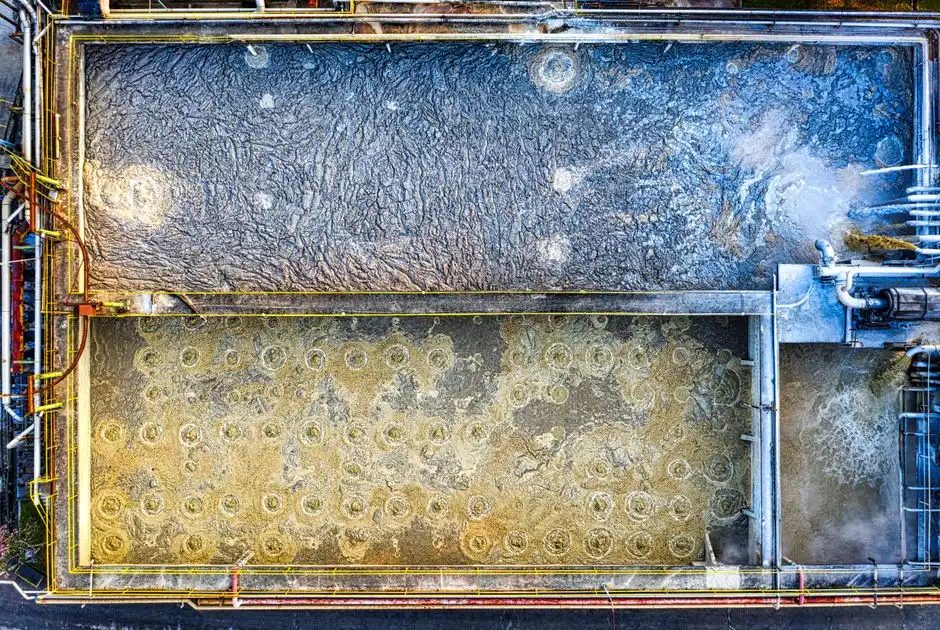
The following matrix compares these technologies to assist procurement directors in their decision-making. FOG removal and primary-step BOD reduction favor DAF, particularly on emulsified streams, where the S3 benchmark of >95% FOG removal and 40–60% BOD reduction remains difficult to match with a passive clarifier. Footprint is comparable at high rates: DAF hydraulic loading is 5–30 m³/m²·h, with high-rate DAF reaching 50 m³/m²·h through plate packs (S3), compared to 20–40 m/h for a lamella clarifier. DAF sludge is easier to dewater at 2–6% dry solids (S3), whereas clarifier underflow is typically thinner and requires thickening before a filter press. Energy and OPEX lean toward the clarifier on low-FOG streams due to the lack of recycle pumps and saturators, but the OPEX advantage shifts to DAF when high FOG loads increase coagulant demand in a clarifier. DAF units handle shock loads efficiently: the air-to-solids (A/S) ratio can be adjusted within the 0.005–0.06 mL air/mg solids design window (S3), allowing the system to absorb a CIP surge in minutes. A clarifier recovers more slowly from a hydraulic surge because the plate pack requires time to purge. Regarding York winter operations, colder water benefits DAF because it holds more dissolved air (S3), provided the saturator materials are rated for supersaturation; clarifiers are unaffected by chemistry-side temperature changes, but exposed lamella pipework is prone to icing in unheated rooms.
| Decision variable | DAF | Lamella clarifier |
|---|---|---|
| FOG removal | >95% (S3) on emulsified streams | Weak on emulsified oil without prior chemical breaking |
| Primary BOD reduction | 40–60% (S3) | Modest; downstream bio carries more load |
| Hydraulic loading | 5–30 m³/m²·h; HR-DAF up to 50 m³/m²·h (S3) | 20–40 m/h equivalent surface loading |
| Sludge dry solids | 2–6% (S3) — typically ready for a filter press | Thinner; usually needs thickening first |
| Energy & chemicals | Recycle pump + saturator + coagulant + polymer | Largely passive; lower polymer dose on settleable TSS |
| Shock-load response | Fast — A/S ratio adjustable in real time (S3) | Slower recovery after hydraulic surge |
| Winter / cold condensate | Colder water holds more dissolved air (S3) — an advantage if materials are rated for it | No chemistry penalty; exposed pipework can ice |
| Footprint vs conventional basin | Compact | Compact |
If your stream contains emulsified FOG, protein, or light TSS from CIP, the HydropureWater DAF system is the recommended default. If your stream consists of dense, settleable TSS with little free oil, the physics and OPEX favor the lamella clarifier.
Match the Stream to the Equipment: A Selection Matrix for York Processors
The following mapping allows plant engineers to match specific waste streams to the appropriate equipment. Dairy and ice cream plants in York County produce high levels of emulsified butterfat from CIP along with casein fines, making DAF the strong default (S3, S5). Snack and baked goods facilities generate starch and suspended flour with minimal free oil, rendering a lamella clarifier with sludge recirculation competitive and more cost-effective to operate. Brewery, beverage, and bottling lines often face intermittent CIP surges containing sugar and light TSS; DAF is favored here because the A/S ratio can be adjusted on the fly, and the high-rate DAF footprint fits within constrained plant rooms. Meat, poultry, and slaughterhouse side streams are effectively managed by circular DAF designs (S3). Mixed streams containing grit and dense settleable solids require a hybrid approach: DAF needs a bottom scraper because dense grit will not float (S3), so a pre-sedimentation step is often necessary before the DAF unit.
| Stream (York F&B mix) | Typical contaminant | Default primary | Why |
|---|---|---|---|
| Dairy / ice cream | Emulsified butterfat, casein fines from CIP | DAF | S3 benchmark: >95% FOG, 40–60% BOD reduction |
| Snack / baked goods | Starch, suspended flour, low free oil | Lamella clarifier | Dense settleable TSS; passive OPEX win |
| Brewery / bottling | Sugar, light TSS, intermittent CIP surges | DAF (HR-DAF if footprint-constrained) | A/S ratio adjustable for swing loads (S3) |
| Meat / poultry / slaughterhouse | Blood, emulsified fat, high solids | DAF — circular geometry | S3 calls out circular DAF for these flows |
| Mixed with grit / dense solids | Settleable grit + emulsified FOG | Hybrid: pre-sedimentation + DAF | Dense grit will not float; bottom scraper needed on DAF alone (S3) |
For a settleable-TSS stream, the HydropureWater lamella clarifier is the appropriate unit. For dairy, brewery, and slaughterhouse applications, the engineering justification is the S3 benchmark, which is the citable metric regulatory reviewers recognize.
Pretreatment Compliance in York, PA: Why the Permit Drives the Equipment
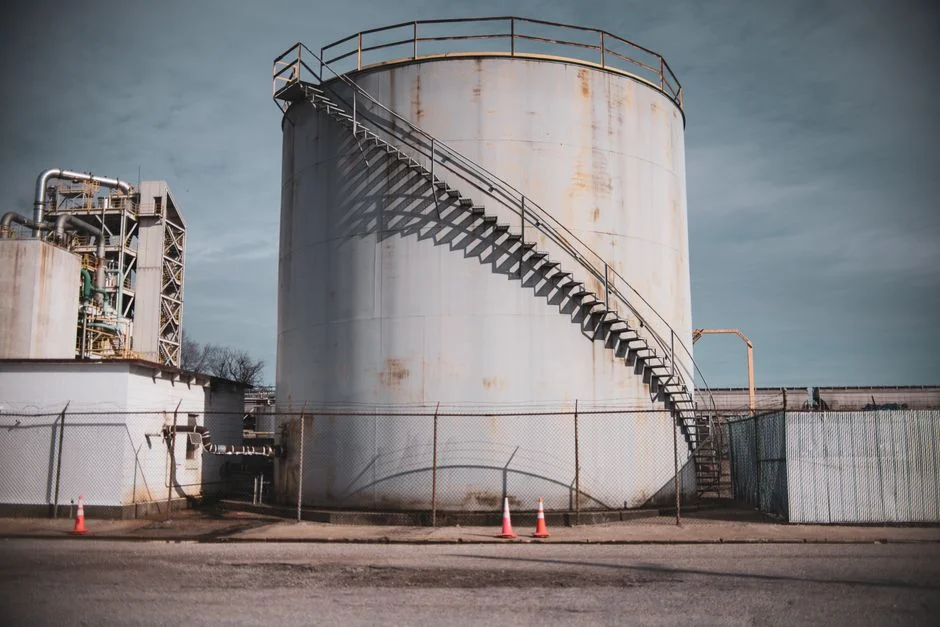
Any York F&B plant discharging to a municipal sewer must comply with federal EPA categorical standards and a local POTW pretreatment program that sets site-specific FOG, TSS, BOD, and pH limits enforced by the York City Sewer Authority. Surcharges are calculated from composite samples and applied to every kilogram exceeding the cap. Because DAF routinely exceeds 95% FOG removal (S3), it is usually the most practical method to meet strict local FOG caps without overdosing coagulant, which can lead to downstream sludge-handling issues. A lamella clarifier can meet TSS-only limits for low-FOG streams and is a defensible choice where surcharges are based on TSS and flow. Equipment must be sized based on the actual worst-case stream rather than nominal design flow, as York pretreatment reviewers examine composite data. Final sizing should be confirmed by jar testing on actual CIP and process streams, and by an on-site pilot where variability is high. This pilot step is consistently recommended by research sources and is often required by local authorities for the permit file.
Sizing, OPEX Levers and Implementation Steps for 2026
DAF sizing is determined by peak flow, the hydraulic loading rate, and an A/S ratio window of 0.005–0.06 mL air/mg solids (S3). Lamella clarifier sizing uses a 20–40 m/h surface loading range, with chemical conditioning tuned by jar testing. Primary DAF OPEX levers include the recycle ratio, saturator pressure (maintained at 4–6 bar), polymer selection, and skimmer cycle, all of which are manageable via modern PLC control (S3). Lamella clarifier levers include the sludge recirculation rate, coagulant dose, and plate cleaning interval; these offer fewer variables but slower recovery from process upsets. Use the HydropureWater automatic chemical dosing system to maintain target coagulant/polymer doses during fluctuating CIP streams. A defensible 2026 implementation sequence involves wastewater characterization, jar testing, bench or pilot testing, engineered P&ID, equipment build, commissioning, and POTW sign-off. Each step produces documentation for the permit file, particularly the pilot step, which proves to pretreatment reviewers that the chosen unit will maintain its rated removal efficiency. For broader context on selecting primary units in food plants, the buried wastewater systems for food processing guide and the edible oil phosphorus removal engineering guide provide further details; for alternative F&B corridors, the Lakeland F&B DAF-vs-clarifier guide covers the same matrix in a different regulatory context.
Frequently Asked Questions
What is the typical 2026 capital and operating cost difference between a DAF and a lamella clarifier for a mid-sized York F&B plant?
As industry research does not publish universal dollar figures for these units, budget requests must be based on vendor quotations tied to peak flow, FOG loading, and the A/S ratio or surface-loading target. Request a priced P&ID for both options based on your actual CIP and process stream, and ask vendors to itemize polymer consumption (kg/day at design load), recycle-pump kWh, and sludge dewatering costs to accurately compare the OPEX gap.
How do I choose a DAF or clarifier supplier in 2026 without buying a black box?
Evaluate potential suppliers based on three artifacts: a published jar test on a stream compositionally similar to yours, a reference installation in food and beverage with comparable peak flow, and a commitment to on-site pilot testing. Confirm in writing that the saturator, nozzle array, and skimmer are sized for your specific A/S ratio and peak
Frequently Asked Questions
Is DAF or a clarifier better for a York, PA dairy plant with high FOG from CIP in 2026?
For a dairy facility in York dealing with high Fats, Oils, and Grease (FOG) from Clean-in-Place (CIP) cycles, a Dissolved Air Flotation (DAF) system is significantly more effective than a traditional clarifier. Dairy wastewater often contains emulsified fats that remain buoyant; a DAF unit uses micro-bubbles to float these particles to the surface for mechanical skimming, achieving FOG removal efficiencies of 85% to 95%.
Clarifiers rely on gravity settling, which is inefficient for dairy waste because fat particles are lighter than water and will not settle to the bottom. In the York regulatory climate, DAF is the industry standard for pretreatment to prevent sewer blockages and avoid heavy surcharges associated with high-strength organic loads.
What FOG and TSS discharge limits does a York food and beverage plant have to meet for sewer discharge in 2026?
Food and beverage plants discharging into the York City Sewer Authority or surrounding municipal systems are typically governed by local limits that cap FOG at 100 mg/L and Total Suspended Solids (TSS) at 250 mg/L to 300 mg/L. Exceeding these limits triggers surcharges based on the strength of the waste, often calculated using a formula involving Biochemical Oxygen Demand (BOD) and TSS concentrations.
In 2026, facilities must ensure compliance with pretreatment programs that require monitoring records to be submitted quarterly. Failure to maintain these levels can lead to enforcement actions or the revocation of discharge permits, making reliable primary treatment essential for operational continuity.
How much does a DAF system cost versus a lamella clarifier for a 50 m³/h food and beverage wastewater stream?
For a 50 m³/h flow rate, a DAF system typically requires a capital investment ranging from $150,000 to $250,000, depending on the degree of automation, materials of construction (304 vs. 316 stainless steel), and chemical dosing requirements. A lamella clarifier for the same flow is generally cheaper to purchase, often ranging from $80,000 to $140,000, as it lacks the air saturation and pressurization components found in DAF systems.
However, the total cost of ownership for the lamella clarifier may be higher if it fails to meet discharge limits, resulting in recurring municipal fines. The DAF system represents a higher initial capital expenditure but provides the necessary performance to ensure compliance for high-strength food processing streams.
Can a lamella clarifier handle emulsified fats, oils and grease from snack or dairy processing?
A lamella clarifier is generally incapable of effectively removing emulsified FOG. These systems are designed to settle heavy inorganic particles or high-density solids; because emulsified fats have a specific gravity lower than 1.0, they do not settle and will pass through the plate packs, resulting in high oil content in the clarifier effluent.
While chemical coagulation and flocculation can assist in binding some fats, a lamella clarifier lacks the surface skimming mechanism required to remove the resulting buoyant sludge. Attempting to use a clarifier for this application typically leads to severe fouling of the lamella plates and failure to meet local discharge standards.
How do I size a DAF or clarifier for a food and beverage plant — what flow and loading numbers do I need to provide to a supplier?
To size a system, you must provide your peak hourly flow rate (measured in m³/h or GPM) and your average daily flow volume. You must also supply laboratory analysis data for your raw wastewater, specifically the average and peak concentrations of TSS (mg/L), FOG (mg/L), and COD/BOD (mg/L), as these dictate the chemical dosage and hydraulic loading rates.
Additionally, provide the operating temperature of the wastewater—as high-temperature CIP water significantly impacts bubble formation in DAF systems—and the desired target discharge concentrations. Providing the pH range and any known fluctuations in flow patterns (e.g., batch dumps) is critical for sizing the equalization tank that should precede either treatment technology.