Why Tacoma Mining and Metals Plants Can't Default to Either Unit in 2026
A 2026 Tacoma mining, aggregate, smelter, or metal-finishing plant routes its wastewater through one of two regulated pathways, and that pathway is what locks the unit-operation choice. Discharges that tie into the Pierce County sanitary sewer run a pretreatment programme that measures success in TSS, FOG, settleables, and metals; discharges that go to surface water run a Washington State Department of Ecology NPDES permit written against the same parameters, plus whole-effluent toxicity.
Both pathways are documented in the 1984 EPA Abstracts of Industrial NPDES Permits as already in active use by Washington State mining and smelting sites, including ASARCO and ALCOA Vancouver Works, with both flotation and primary settling named as accepted trains (EPA Office of Water, 1984-07). For the federal compliance frame, the EPA Effluent Guidelines for the Ore Mining and Dressing Point Source Category is the named regulation, and the 2026 selection has to be defensible against that document and against the local Tacoma permit — not against a vendor preference.
The reason a Tacoma plant cannot default to a single-mechanism unit is the stream mix. A typical Tacoma mining or metals stream combines dense mineral fines from a tailings or aggregate thickener overflow with colloidal clays, residual flotation reagents, oils from mobile equipment, and dissolved or precipitated heavy metals that cross the pH boundary in either direction. A clarifier sized only for the settleable fraction will discharge the colloidal, buoyant, and dissolved load. A DAF forced to handle raw tailings will be overwhelmed by the silt and clay fraction it cannot lift (Fluence, "What Is Dissolved Air Flotation?"). The 2026 Tacoma specification has to start with which fraction dominates the specific stream, and then name the unit — or the train — that handles that fraction.
How a DAF and a Clarifier Actually Separate Solids
A DAF unit separates suspended matter by attaching micro-bubbles to chemically conditioned floc and floating the resulting aggregate to the surface, where a paddle skimmer pulls the sludge blanket into a collection trough (Clearwater Industries, "Dissolved Air Flotation for Industrial Wastewater Treatment," 2026-04-27). The bubbles are 30–50 µm in diameter, small enough to adhere to oil droplets, fine precipitates, and the loose floc produced by polymer conditioning. Coagulant, pH adjustment, and flocculant are dosed either into flocculator mix tubes that give a 15–45 second flash mix or into impeller mix tanks with longer contact time; the contact time in either case is set empirically by jar testing (Clearwater Industries). The Logan, Utah wastewater treatment plant study recorded an optimum of 30 mg/L aluminum sulfate for algae and phosphorus removal on a lagoon effluent, and framed the optimization as an empirical jar-test exercise rather than a default supplier value (Elder, Utah State University, 2011). The same logic applies to a metal-finishing rinse or an AMD neutralization overflow: the bubble population is fixed, the floc is what changes, and the dose is what the engineer has to defend in writing.
A clarifier separates by gravity. Particles with specific gravity greater than water settle under the surface overflow rate set by tank geometry, sludge is withdrawn from the bottom, and clarified water overflows a peripheral launder. A lamella design compresses the footprint of that same mechanism by stacking inclined parallel plates inside the tank, which multiplies the effective settling area for a given footprint — exactly the structure of a lamella clarifier for high-TSS mining streams. A conventional clarifier or thickener is the workhorse of mineral processing ahead of any downstream polishing step. The mechanism does not change with the plates: dense mineral fines and metallurgical sludges settle, colloidal fines, oils, surfactants, and dissolved metals do not, and that fraction passes to whatever polishing step follows. The Fluence source is explicit on the boundary: DAF is not well suited to water with high levels of heavier particles that do not float, for example silt and clay — which is why raw tailings overflow belongs in a clarifier first, not in a DAF (Fluence). A correctly conditioned DAF produces a thick float that may need little further dewatering, which is a direct sludge-handling cost lever for a 2026 RFQ (Clearwater Industries). Where the chemistry must be held at the jar-test dose, a PLC-controlled coagulant and flocculant dosing skid is the standard way to keep the dose on target, and the resulting float or underflow is then sent to a filter press for DAF float and clarifier underflow.
Tacoma Stream-by-Stream Pick: Which Unit Handles Which Fraction
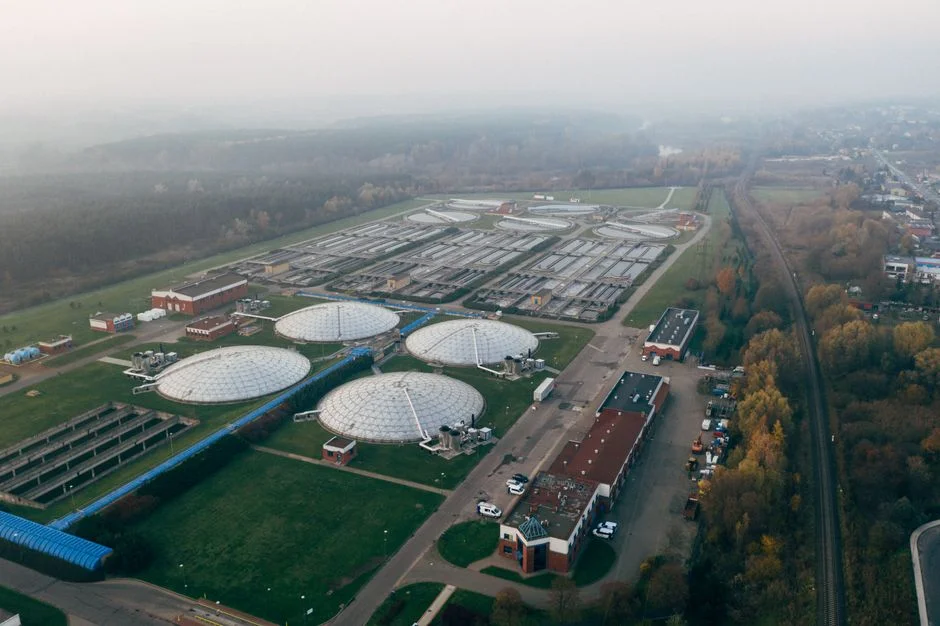
For aggregate wash water and quarry dewatering — high TSS, low FOG, dense mineral fines — the lamella clarifier is the documented primary. The lamella clarifier for high-TSS mining streams is recorded as a single compact structure combining sludge recirculation, flocculation, and inclined-plate separation in one vessel, which is why it is the gravity-settling benchmark for industrial sizing in 2026 (S5). For metal-finishing and machining rinse water — moderate TSS, high FOG, tramp oils, and emulsified coolants — the industrial DAF system for mining and metals wastewater is the documented unit, with the Clearwater FPAC and FPBC use cases named for FOG, TSS, and oil removal in a single flotation step (Clearwater Industries, 2026-04-27).
For smelter contact water, flotation reagent carryover, and AMD neutralization overflow — a mix of dense fines, light metal precipitates, and reagent residue — the matrix points to a clarifier primary followed by a DAF polisher, with the DAF capturing the colloidal, precipitated, and buoyant fraction that escapes the clarifier (S1; Fluence). For a recycle loop in 2026, the DAF effluent still typically needs a downstream solids-removal step such as filtration before reuse or discharge, and that downstream polish should be in the Tacoma RFQ from day one. The selection is chemistry- and permit-driven, not eligibility-driven; the 1984 EPA abstract set shows both trains in active mining and smelter permits nationwide (EPA Office of Water, 1984-07). The matrix below translates that into a per-stream pick for a 2026 Tacoma specification.
| Tacoma stream family | Dominant fraction | Primary unit | Polisher / downstream |
|---|---|---|---|
| Aggregate wash water, quarry dewatering | High TSS, low FOG, dense mineral fines | Lamella clarifier (inclined-plate) | Optional media filter for reuse; sludge to filter press |
| Metal-finishing / machining rinse | Moderate TSS, high FOG, emulsified coolants | DAF with coagulant + flocculant conditioning | Multi-media filter to meet Tacoma TSS / metals limits; multi-media filter for polish |
| Smelter contact water, flotation reagent carryover | Dense fines plus light precipitates, reagent residue | Lamella or conventional clarifier | DAF polisher for colloidal, precipitated, and buoyant fraction |
| AMD neutralization overflow | Metal hydroxide precipitate, colloidal fines, variable pH | Lamella clarifier (post-neutralization) | DAF polisher for colloidal and low-SG hydroxide floc; filter for reuse |
DAF vs Clarifier Decision Matrix for a 2026 Tacoma Specification
The two units are scored on the axes that decide a 2026 Tacoma selection: dominant mechanism, target contaminant fraction, chemistry demand, sludge characteristics, civil footprint, CAPEX class, energy OPEX, and proven US mining permit history. Energy OPEX is included as a weighted line because the WERF/CH2M HILL/EPA compendium frames process energy as a material wastewater OPEX line tied to equipment selection (WERF/CH2M HILL/EPA, 2010). CAPEX class for industrial DAF systems typically ranges from $150,000 to over $1.5 million depending on flow rate and materials of construction, with a 20–30% premium over base-model municipal units for heavy-duty sludge handling on high-solids mineral streams and for 316L stainless or specialized coatings to resist acidic or abrasive slurries (S1). Proven mining permit history is documented for both units in the 1984 EPA Office of Water NPDES abstract set, so permit eligibility is not the differentiator; stream chemistry and permit limits are (EPA Office of Water, 1984-07).
| Decision axis | DAF (dissolved air flotation) | Lamella / conventional clarifier |
|---|---|---|
| Dominant mechanism | 30–50 µm micro-bubbles attach to conditioned floc and float it to a paddle skimmer | Gravity settling on inclined plates; sludge withdrawn from bottom |
| Target contaminant fraction | FOG, oils, emulsified coolants, metal-finishing rinse, light precipitates, colloidal fines after coagulation | High-TSS, low-oil streams: aggregate wash water, mining haulage runoff, quarry dewatering |
| Chemistry demand | High — coagulant, pH, and flocculant dose set by jar testing | Moderate — flocculant aids settling; chemistry less demanding |
| Sludge characteristics | Thickened float, typically 3–5% dry solids; may need little further dewatering | Dense settled sludge; easier to dewater on belt press or centrifuge |
| Civil footprint | Compact skid designs; modular above 66 GPM | Compact inclined-plate vessel; retrofittable into existing clarifier |
| CAPEX class | $150,000 to over $1.5 million; 20–30% premium for heavy-duty mining construction (S1) | Generally lower; no saturator, recycle pump, or air system |
| Energy OPEX | Higher — saturator, recycle pump, air compressor run continuously | Lower — no saturator or compressor; intermittent sludge pumping only |
| Proven US mining permit history | Yes — multiple smelters and aluminium reduction sites in 1984 EPA abstract set | Yes — same abstract set includes quarries, steel works, and smelters using primary settling |
Writing the 2026 Tacoma RFQ So the Vendor Can't Hide the Real Cost
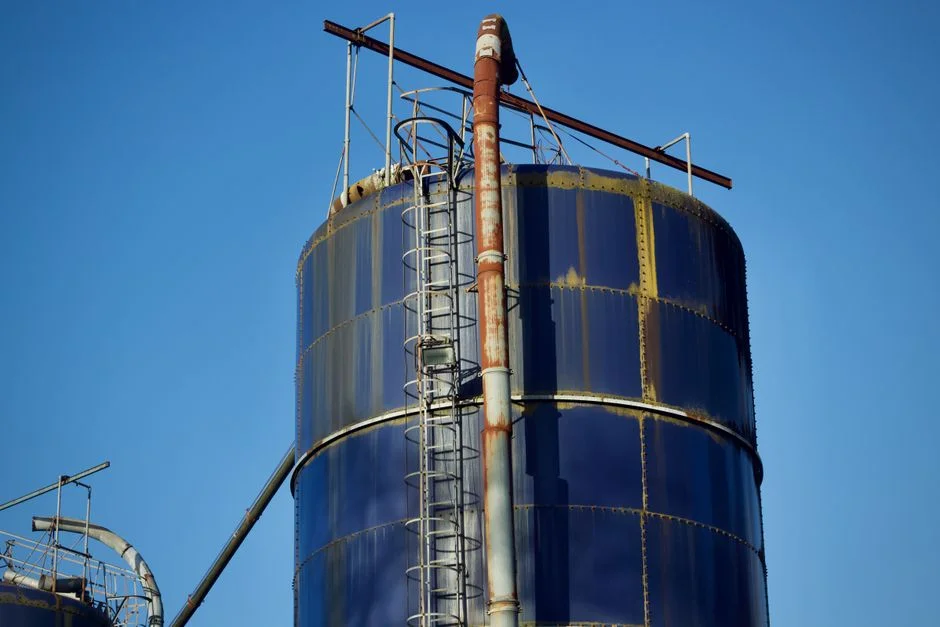
The 2026 selection depends on the density and settling velocity of the suspended solids: clarifiers are preferred for high-density, rapidly settling particulates where gravity separation is sufficient, and DAF is the superior choice for oil-water emulsions, light-density metallic precipitates, and colloidal solids with a specific gravity near 1.0 (S1). The RFQ has to translate that into written deliverables before the PO, because the CAPEX range and the sludge-handling saving are only visible if the vendor is required to quote them on the same line. The table below is the worksheet a Tacoma engineer should hand to the vendor; the line items are the ones the research supports as defensible 2026 deliverables.
For a 2026 Tacoma installation, confirm the proposed technology against the local Pierce County POTW FOG limit and against the state NPDES permit renewal schedule so the project lines up with the next permit cycle rather than fighting it (S5). Equalization tank sizing or assumed upstream flow equalization must be specified in writing, because both DAF recycle and lamella surface loading fail without it. Ask the vendor for a reference list of comparable mining or metals installs in the Pacific Northwest started up in the last three years, and require ISO 9001 certification and documented compliance with the EPA Effluent Guidelines for the Ore Mining and Dressing Point Source Category (S1). A companion read for the same 2026 pretreatment pathway is the mining and metals 2026 pretreatment compliance guide and the broader DAF vs clarifier mining wastewater selection guide.
| RFQ line item | What the buyer must require in writing | Why it matters for 2026 Tacoma |
|---|---|---|
| Site-specific removal guarantee | Removal percentage sized to actual Tacoma permit limits, not a generic curve | Defends the choice to a Pierce County pretreatment coordinator and to Ecology |
| Bench or jar test on plant water | Result using the vendor's proposed chemistry and dose | Jar testing is the standard 2026 due diligence (Clearwater Industries, 2026-04-27) |
| Full CAPEX / OPEX split | Chemical consumption, sludge yield, kWh, and skimmer duty cycle in writing | Energy is a material OPEX line tied to equipment selection (WERF/CH2M HILL/EPA, 2010) |
| Equalization assumption | Tank sizing or assumed upstream flow equalization stated in writing | DAF recycle and lamella surface loading both fail without equalization |
| Sludge line quoted on same RFQ | DAF or clarifier, chemical skid, and filter press for DAF float and clarifier underflow on one line | Makes the sludge-handling saving visible; avoids hidden downstream cost |
| Permit compatibility letter | Written confirmation against Pierce County POTW FOG limit and Ecology NPDES renewal timing | Locks the installation into the next permit cycle, not against it |
| Regional reference list | Comparable mining or metals installs in the Pacific Northwest, started up in the last three years | Confirms the vendor has actually delivered on a stream like yours |
Frequently Asked Questions
What budget should a Tacoma plant set for a 2026 DAF or clarifier installation?
CAPEX for industrial DAF systems typically ranges from $150,000 to over $1.5 million, with a 20–30% premium for heavy-duty mining construction and for 316L stainless or specialized coatings to resist acidic or abrasive slurries (S1). Because the published range is broad and the final number depends on flow rate, materials of construction, and site civil work, a defensible 2026 number must come from a sized quote against the last 12 months of discharge monitoring report data — request a written CAPEX and OPEX split with chemical consumption, sludge yield, and kWh so the two vendor quotes land on the same mass balance.
How do I pick a DAF or clarifier vendor in 2026 without a delivery or lead-time surprise?
Ask for a site-specific jar or bench test on your actual plant water with the vendor's proposed chemistry, and require a reference list of comparable mining or metals installs in the Pacific Northwest started up in the last three years; bench testing is the documented 2026 due diligence (Clearwater Industries, 2026-04-27), and a vendor without a current regional reference is a lead-time risk to surface before the PO is signed. Also require ISO 9001 certification and documented compliance with the EPA Effluent Guidelines for the Ore Mining and Dressing Point Source Category (S1).
How is a combined clarifier-plus-DAF train sized for a Tacoma smelter contact or AMD stream?
The defensible 2026 specification is a lamella or conventional clarifier primary followed by a DAF polisher, with the DAF capturing the colloidal, precipitated, and buoyant fraction that escapes the clarifier (S1; Fluence). For recycle loops, the DAF effluent still typically needs a downstream solids-removal step such as filtration before reuse or discharge, and that polish belongs in the RFQ from day one. For a related mining pretreatment and sewer discharge compliance 2026 brief, the same train logic applies to sewer-discharge streams.
Will a clarifier alone keep a Tacoma plant inside its 2026 NPDES or POTW permit?
Not reliably for combined streams. Lamella and conventional clarifiers separate by gravity, so emulsified oils, machining coolants, and colloidal fines typically pass through the inclined plates and show up on the discharge monitoring report as FOG, TSS, and metals excursions; for those fractions, DAF paired with coagulation and flocculation is the documented 2026 answer (Clearwater Industries, 2026-04-27). The 1984 EPA Office of Water NPDES abstract set documents both flotation and primary settling as accepted mining and smelter trains, so permit eligibility is not the differentiator — stream chemistry and permit limits are (EPA Office of Water, 1984-07).