Industrial DAF system specifications for Bahrain wastewater must meet Bahrain EPA Decision 1/2023 limits of TSS below 30 mg/L, FOG below 10 mg/L, and BOD below 25 mg/L. This 2026 guide sets out industrial daf system specifications for bahrain wastewater across parameters, costs, and compliance.
Dissolved air flotation clarifies wastewater by removing suspended matter such as oil or solids, and it is very widely used on the effluents of oil refineries, petrochemical and chemical plants, according to the Wikipedia process overview. Industrial units in Bahrain achieve 95%+ removal of total suspended solids (TSS) and fats, oils, and grease (FOG), with 90%+ reduction of biochemical oxygen demand (BOD) and chemical oxygen demand (COD) on suitable influent. Per Bahrain EPA standards, DAF is mandatory for pre-treatment in food processing, petrochemical, and textile industries where influent TSS exceeds 500 mg/L. The sections below carry the 2026 technical specs, cost benchmarks, and compliance requirements used to select and deploy DAF systems in Bahrain.
Industrial DAF System Specifications for Bahrain Wastewater: Design Basis
Industrial DAF system specifications for Bahrain wastewater are fixed by influent TSS, FOG, salinity, flow variation, and the discharge limit written in the site permit. Typical industrial duty removes 92–97% TSS and 95–99% FOG at a hydraulic loading rate of 3–10 m/h. Final sizing still requires representative sampling, jar testing, hydraulic review, and confirmation with the competent Bahraini authority.
Why Bahraini Industries Need DAF Systems: Regulatory Pressures and Wastewater Challenges
Bahraini industrial facilities face stringent wastewater discharge limits, with the Bahrain Environment Protection Agency (EPA) setting maximum allowable concentrations for key pollutants. Industrial wastewater must comply with specific parameters before discharge into municipal sewers or the environment. According to Bahrain EPA Decision 1/2023, discharge limits for industrial effluent are strict: TSS must be less than 30 mg/L, FOG less than 10 mg/L, and BOD less than 25 mg/L. Failure to meet these Bahrain EPA wastewater standards can result in significant fines and operational disruption.
Industries in Bahrain generating high volumes of wastewater with elevated TSS and FOG levels are particularly impacted. These include the food processing sector (dairy, meat, and beverage production), petrochemical plants, textile manufacturing, and metalworking facilities. Even municipal pre-treatment plants often require DAF for industrial contributors to protect downstream biological processes. Buyers comparing influent quality against plant design values should also review bahrain sewage treatment plant influent bod cod tss typical values. For example, a major Bahraini food processing plant recently faced substantial fines for consistently exceeding its permitted TSS discharge limits. After implementing an industrial DAF system in Bahrain, the facility achieved full compliance within six months, demonstrating the immediate impact of effective pre-treatment.
Common wastewater challenges in Bahrain further emphasize the need for robust treatment solutions. High salinity, often due to the use of Gulf seawater in industrial processes or groundwater intrusion, can complicate traditional biological treatments. The variable influent quality from batch processes also demands flexible and responsive treatment technologies. Limited land availability in Bahrain for large-scale treatment infrastructure additionally necessitates compact and efficient systems like DAF.
Water policy reinforces the treatment standard. According to the Stantec project summary of Bahrain's national wastewater reuse guidelines, reusing tertiary treated sewage effluent was determined to be the most reliable, cost-efficient, and sustainable water resource for the kingdom. Effluent quality that supports reuse therefore stays on the corporate agenda, not only the regulatory one.
How DAF Systems Work: Mechanism, Micro-Bubble Technology, and Process Parameters
Dissolved Air Flotation (DAF) systems clarify industrial wastewater by leveraging micro-bubbles to float suspended solids and emulsified contaminants to the surface for removal. The DAF process involves several critical steps: first, chemical coagulation neutralizes particle charges, allowing them to aggregate. This is followed by flocculation, where larger, more stable flocs are formed with the aid of polymers. Next, wastewater is saturated with air under pressure (typically 4–6 bar) in a saturation tank. When this pressurized water is released into the DAF flotation tank through a pressure reduction valve, millions of microscopic air bubbles (30–50 μm in diameter) are generated. These micro-bubbles attach to the pre-conditioned flocs, reducing their effective density and causing them to rapidly float to the surface. A mechanical skimmer then removes this concentrated sludge blanket, leaving clarified water for further treatment or discharge. This micro-bubble technology achieves over 95% attachment efficiency, as per EPA 2024 benchmarks, making the process highly effective for solid-liquid separation.
Key operational parameters dictate the performance of a Dissolved Air Flotation (DAF) System in Bahrain. The hydraulic loading rate, typically ranging from 3–10 m/h, determines the throughput capacity of the unit. The air-to-solids ratio (0.02–0.06 kg air/kg solids) is crucial for ensuring sufficient buoyancy to float the targeted pollutants. A retention time of 10–30 minutes in the flotation tank allows adequate time for bubble-floc attachment and subsequent separation. Chemical dosing is integral to DAF performance; coagulants like polyaluminum chloride (dosed at 50–200 mg/L) destabilize particles, while flocculants such as anionic polyacrylamide (1–5 mg/L) enhance floc formation. Optimal chemical dosing directly impacts both removal efficiency and operational costs, making precise control essential for any industrial DAF system in Bahrain.
| Parameter | Typical Range (Industrial DAF) | Impact on Performance |
|---|---|---|
| Micro-bubble Size | 30–50 µm | Smaller bubbles enhance attachment and flotation. |
| Air Saturation Pressure | 4–6 bar | Higher pressure yields more dissolved air, smaller bubbles. |
| Hydraulic Loading Rate | 3–10 m/h | Determines throughput and clarifies tank sizing. |
| Air-to-Solids Ratio | 0.02–0.06 (kg air/kg solids) | Optimal ratio for efficient flotation of solids. |
| Retention Time | 10–30 minutes | Sufficient contact time for bubble-floc attachment. |
| Coagulant Dosing | 50–200 mg/L | Neutralizes charge, initiates floc formation. |
| Flocculant Dosing | 1–5 mg/L | Agglomerates micro-flocs into larger, floatable flocs. |
DAF Micro-Bubble Flotation Design Parameters for Industrial Wastewater
DAF micro-bubble flotation design parameters for industrial wastewater start with the air-to-solids ratio. According to HEI Systems design guidance, the industry range is 0.01–0.10 lb air per lb solids, with 0.03 lb/lb as the working standard; that band brackets the 0.02–0.06 kg air/kg solids window tabulated above. The same guidance lists hydraulic loading at 2.5 gpm/ft² as a standard, inside an industry range of 1.5–5.0 gpm/ft², consistent with the 3–10 m/h band used for Bahrain sizing. HEI also confirms the 30–50 micron bubble size that drives attachment efficiency.
Field practice adds two checks to those numbers. Most plants we size for Bahraini food duty run near the middle of the 3–10 m/h band and only approach the top when skimming is fully automated. Check saturator performance monthly; a slow decline in saturation pressure shows up first as a wetter float, not as a control-room alarm.
DAF System Technical Specs for Bahrain: Removal Efficiency, Flow Rates, and Chemical Dosing
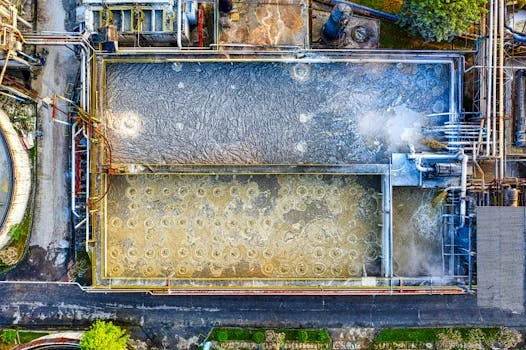
DAF systems deployed in Bahrain are engineered to deliver high removal efficiencies for common industrial wastewater pollutants, meeting local discharge standards. Typical DAF removal efficiency in Bahrain industrial applications stands at 92–97% for Total Suspended Solids (TSS), 95–99% for Fats, Oils, and Grease (FOG), 85–95% for Biochemical Oxygen Demand (BOD), and 80–92% for Chemical Oxygen Demand (COD), according to EPA 2024 benchmarks. HEI Systems design data independently describes industrial DAF as removing 90–99% of TSS and FOG. These high efficiencies are critical for compliance with stringent Bahrain EPA wastewater standards.
Flow rate capabilities for industrial DAF system Bahrain installations vary widely, ranging from compact units treating 4 m³/h to large-scale systems handling over 300 m³/h. HydropureWater’s DAF system for high-efficiency TSS/FOG removal in Bahrain’s industrial wastewater offers 13 standard models, ensuring a suitable capacity for diverse industrial needs. Chemical dosing remains a significant operational factor, with coagulant requirements typically between 50–200 mg/L and flocculant doses at 1–5 mg/L. Maintaining a pH range of 6.5–8.5 is often necessary for optimal chemical performance. The cost impact of these chemicals can range from $0.05 to $0.20 per cubic meter of treated water, making chemical optimization a key focus for reducing overall DAF system cost in Bahrain.
Sludge production from DAF systems typically accounts for 0.5–3% of the influent volume, depending on the initial solids concentration and chemical usage. This DAF sludge disposal Bahrain fraction requires proper management. Sludge dewatering is crucial to minimize disposal costs, often achieving over 95% dry solids content when integrated with high-efficiency sludge dewatering for DAF systems in Bahrain’s food processing and petrochemical industries, such as a plate and frame filter press. Disposal costs for dewatered sludge in Bahrain can contribute $0.03–$0.07 per cubic meter of original influent, highlighting the economic benefit of effective dewatering.
| Parameter | Typical Performance (Industrial DAF in Bahrain) | Notes |
|---|---|---|
| TSS Removal Efficiency | 92–97% | Critical for compliance with Bahrain EPA discharge limits. |
| FOG Removal Efficiency | 95–99% | Essential for food processing and petrochemical industries. |
| BOD Reduction | 85–95% | Significant pre-treatment for biological processes. |
| COD Reduction | 80–92% | Directly impacts overall organic load. |
| Flow Rate Range | 4–300 m³/h (HydropureWater) | Scalable solutions for various industrial capacities. |
| Coagulant Dose | 50–200 mg/L | Varies with influent quality and specific coagulant. |
| Flocculant Dose | 1–5 mg/L | Polymer type and concentration are optimized for floc formation. |
| pH Operating Range | 6.5–8.5 | Optimal for chemical reactions and bubble stability. |
| Sludge Production | 0.5–3% of influent volume | Volume dependent on influent solids and chemical addition. |
| Sludge Dry Solids | >95% (after dewatering) | Achieved with proper dewatering for reduced disposal costs. |
Industrial Selection Guide: Which DAF System Specs Suit Bahrain’s Key Industries
Selecting the optimal DAF system in Bahrain requires matching specific technical specifications to the unique wastewater characteristics and regulatory demands of each industrial sector. Each industry presents distinct challenges that necessitate tailored DAF configurations for effective treatment and compliance.
For the food processing industry (dairy, meat, beverages), wastewater is characterized by high FOG and TSS concentrations, often with variable flow rates. A DAF system with 50–150 m³/h capacity is typically recommended, emphasizing greater than 95% FOG removal and integrated pH adjustment capabilities to manage organic acids. Influent TSS can range from 500–2000 mg/L, and FOG from 100–500 mg/L.
Petrochemical facilities in Bahrain often deal with high salinity wastewater containing emulsified oils and suspended hydrocarbons. For these applications, a DAF system constructed with corrosion-resistant materials, such as stainless steel 316, is essential. Specifications should target over 90% oil removal, often requiring specialized chemical dosing for emulsion breaking to ensure the industrial wastewater treatment strategies for high-salinity environments are effective.
The textile industry generates wastewater with high COD, vibrant dyes, and surfactants. An industrial DAF system in Bahrain for this sector needs to achieve over 90% COD removal and incorporate specific chemical dosing strategies for dye coagulation. Integration with efficient sludge dewatering is also critical due to the volume of chemically laden sludge.
Metalworking operations produce wastewater containing heavy metals, oils, and suspended solids. DAF systems here should prioritize over 95% TSS removal, with pH adjustment capabilities (often to 8.5–9.5) to facilitate heavy metal precipitation. Specific chemical dosing for metal complexation and precipitation is also a key consideration.
For municipal pre-treatment plants receiving diverse industrial discharges, a robust DAF system with 100–300 m³/h capacity is often required. The system must handle highly variable influent quality, focusing on over 90% TSS removal and featuring automated chemical dosing systems, such as a PLC-controlled chemical dosing for DAF systems in Bahrain’s high-salinity wastewater, to adapt to fluctuating loads.
| Industry (Bahrain) | Key Wastewater Characteristics | Recommended DAF System Specifications |
|---|---|---|
| Food Processing | High FOG, TSS, variable flow | Capacity: 50–150 m³/h; FOG Removal: >95%; Integrated pH adjustment; Automated skimming. |
| Petrochemical | High salinity, emulsified oils | Materials: SS316 (corrosion-resistant); Oil Removal: >90%; Specialized chemical dosing for emulsion breaking. |
| Textile | High COD, dyes, surfactants | COD Removal: >90%; Chemical dosing for dye coagulation; Integrated sludge dewatering. |
| Metalworking | Heavy metals, oils, suspended solids | TSS Removal: >95%; pH Adjustment: 8.5–9.5 for metal precipitation; Chemical dosing for heavy metal removal. |
| Municipal Pre-treatment | High, variable TSS/FOG, fluctuating flow | Capacity: 100–300 m³/h; TSS Removal: >90%; Automated chemical dosing; Robust design for variable loads. |
DAF System Cost and Removal Efficiency Bahrain: Equipment, Installation, O&M, and ROI
DAF system cost and removal efficiency in Bahrain are two sides of one business case. Efficiency sets the chemical and sludge lines that dominate O&M, while capacity and materials set the equipment price. Equipment runs $50,000–$300,000 across 4–300 m³/h, installation adds $20,000–$100,000, and total O&M lands at $0.10–$0.30 per cubic meter. Removal of 90–99% of TSS and FOG, per HEI Systems design data, is what carries the compliance case that pays for the unit.
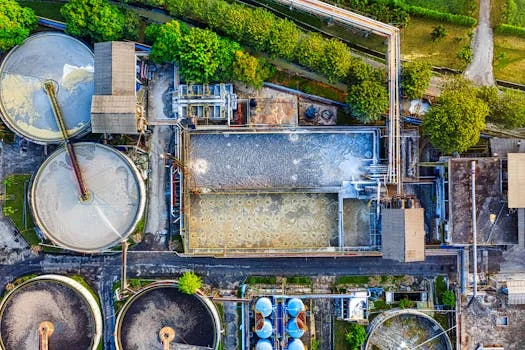
Understanding the total cost of ownership for a DAF system in Bahrain requires a comprehensive evaluation of equipment, installation, ongoing operational and maintenance expenses, and potential returns on investment. The initial capital expenditure (CAPEX) for a DAF system in Bahrain varies significantly based on capacity and material specifications. Equipment costs typically range from $50,000 for smaller 4 m³/h units to $300,000 for larger 300 m³/h systems. For applications in highly corrosive environments, such as petrochemical facilities or those handling high-salinity wastewater, specifying corrosion-resistant materials like stainless steel 316 can add 10–15% to the equipment cost.
Installation costs for a daf system in Bahrain generally fall between $20,000 and $100,000. This covers civil works (foundations, platforms), piping, electrical connections, instrumentation, and commissioning. A contingency of 20% is advisable for site-specific challenges, such as integrating into existing infrastructure, limited space, or dealing with high-salinity ground conditions.
Operational and Maintenance (O&M) costs are a critical component of the total DAF system cost in Bahrain, typically ranging from $0.10–$0.30 per cubic meter of treated water. Chemical costs (coagulants, flocculants, pH adjusters) often account for 50–70% of the total O&M budget, ranging from $0.05–$0.20/m³. Power consumption adds $0.01–$0.05/m³, and labor for monitoring and routine maintenance is typically $0.01–$0.03/m³. DAF sludge disposal in Bahrain contributes an additional $0.03–$0.07/m³. Cost-saving strategies, such as optimizing chemical dosing through jar testing and implementing efficient sludge dewatering, are paramount.
The Return on Investment (ROI) for an industrial DAF system in Bahrain is typically realized within a payback period of 2–5 years. This ROI is driven by several factors: avoided regulatory fines from the Bahrain EPA, reduced municipal wastewater surcharges, and potential savings from water reuse.
ROI (%) = [(Annual Savings / Total Initial Investment) x 100]
Payback Period (Years) = Total Initial Investment / Annual Savings
Example Calculation: A Bahraini food processing plant invests $200,000 in a DAF system (equipment + installation). Through avoided fines ($40,000/year), reduced municipal surcharges ($25,000/year), and savings from partial water reuse ($15,000/year), the annual savings total $80,000. Payback Period = $200,000 / $80,000 = 2.5 years.
| Cost Category | Estimated Range (Bahrain, 2025) | Notes |
|---|---|---|
| Capital Expenditure (CAPEX) | ||
| DAF Equipment (4–300 m³/h) | $50,000–$300,000 | Price varies with capacity, material (SS304 vs. SS316 for corrosive environments), and automation features. |
| Installation Costs | $20,000–$100,000 | Includes civil works, piping, electrical, instrumentation, and commissioning. 20% contingency recommended. |
| Operational Expenditure (OPEX) | ||
| Chemicals (per m³ treated) | $0.05–$0.20/m³ | Coagulants and flocculants. Accounts for 50-70% of total O&M. |
| Power Consumption (per m³ treated) | $0.01–$0.05/m³ | For air compressor, pumps, and skimmer motor. |
| Labor (per m³ treated) | $0.01–$0.03/m³ | For monitoring, maintenance, and chemical preparation. |
| Sludge Disposal (per m³ treated) | $0.03–$0.07/m³ | Includes transport and landfill fees. Reduced by efficient dewatering. |
| Maintenance & Spares | $0.005–$0.01/m³ | Routine maintenance, wear parts, and periodic inspections. |
| Total O&M Cost | $0.10–$0.30/m³ | Overall operational cost per cubic meter of treated wastewater. |
| Return on Investment (ROI) | ||
| Payback Period | 2–5 years | Based on avoided fines, reduced surcharges, and water reuse savings. |
Supplier Selection Framework: How to Choose a DAF System Vendor in Bahrain
Selecting a DAF system vendor in Bahrain requires a structured evaluation process that considers technical performance, commercial terms, and adherence to local compliance standards. This systematic approach reduces procurement risk and ensures the chosen system meets specific industrial requirements. For a regional comparison of operating context, buyers may also consult Hospital Wastewater Treatment in Salalah: Systems, Compliance & Costs.
Key technical criteria include a contracted removal efficiency of 90%+ for TSS and FOG, ensuring compliance with Bahrain EPA standards. The system should offer flow rate flexibility to handle varying industrial loads and incorporate chemical dosing automation for consistent performance and reduced operator intervention. Integration capabilities with existing pre-treatment or downstream sludge dewatering (e.g., filter presses) are also vital. For Bahrain's specific conditions, such as high salinity, the use of corrosion-resistant materials like stainless steel 316 for the DAF unit is a critical technical consideration.
Commercial criteria involve a transparent breakdown of equipment and installation costs, along with written O&M cost commitments. Buyers should inquire about installation timelines, which can be impacted by local logistics and customs procedures. Local service support in Bahrain is paramount; this includes prompt availability of spare parts, technical assistance, and emergency response, mitigating challenges such as potential language barriers and extended lead times for parts from international suppliers.
Compliance criteria demand that the vendor demonstrates a proven track record of meeting Bahrain EPA certification requirements. ISO 9001 (quality management) and ISO 14001 (environmental management) certifications provide assurance of manufacturing quality and environmental responsibility. Requesting case studies of successful DAF system installations in Bahrain or similar Gulf region industries provides tangible proof of capability.
When performing DAF vendor selection in Bahrain, several suppliers are active. While specific named competitors are not listed, buyers should compare offerings based on factors such as:
- System Design: Does the vendor offer standard or customized designs?
- Material Specifications: Are corrosion-resistant options available as standard or upgrade?
- Automation Level: What level of chemical dosing and sludge handling automation is included?
- Local Presence: Does the vendor have a local office, technical support, and spare parts inventory in Bahrain?
- References: Can they provide references from other industrial clients in Bahrain or the GCC region?
- Rental Options: Some vendors offer rental or lease options, which can be beneficial for temporary needs or pilot projects.
| Criteria | Key Considerations for Bahraini Buyers |
|---|---|
| Technical Performance | |
| Removal Efficiency | Verify contracted removal rates for TSS (>90%), FOG (>90%), BOD, and COD, matching Bahrain EPA discharge limits. |
| Flow Rate Flexibility | Assess the system's ability to handle expected peak and minimum flow rates without compromising treatment efficiency. |
| Automation | Evaluate the level of automation for chemical dosing and sludge skimming to minimize manual intervention. |
| Integration | Consider ease of integration with existing pre-treatment or post-treatment systems, including sludge dewatering and pH adjustment units. |
| Material Durability | For high-salinity or corrosive environments, specify corrosion-resistant materials like SS316. |
| Commercial Aspects | |
| Equipment & Installation Costs | Obtain detailed quotes covering all components, installation, commissioning, and any required civil works. |
| O&M Cost Commitments | Request projections for chemical consumption, power usage, and labor requirements. |
| Local Service & Support | Assess the vendor's presence and capability for local support in Bahrain, including spare parts and technical assistance. |
| Warranty & After-Sales | Understand warranty terms, maintenance contracts, and training programs for local operators. |
| Compliance & Experience | |
| Bahrain EPA Compliance | Confirm the vendor's track record in meeting Bahrain EPA discharge standards. |
| Certifications | Look for ISO 9001 (Quality Management) and ISO 14001 (Environmental Management) certifications. |
| Case Studies | Review successful DAF system installations in industries similar to yours, particularly within Bahrain. |
| References | Request client references from Bahrain or the wider Gulf region to verify vendor claims. |
Bahrain EPA DAF Pre-Treatment Compliance Requirements: Checklist and Monitoring
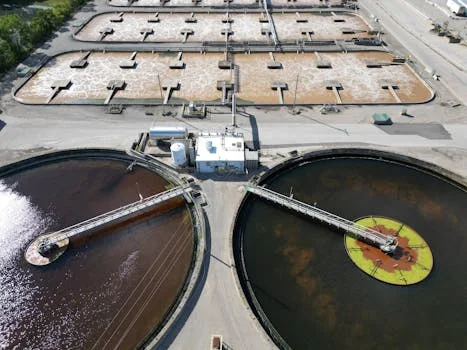
Bahrain EPA DAF pre-treatment compliance requirements come from Decision 1/2023, which specifies strict discharge limits for industrial wastewater. Adhering to Bahrain EPA standards is paramount for any industrial facility operating a DAF system, and it requires meticulous monitoring, documentation, and permitting to avoid penalties. For a DAF system in Bahrain, treated effluent must consistently meet these criteria: TSS below 30 mg/L, FOG below 10 mg/L, BOD below 25 mg/L, COD below 125 mg/L, and a pH range between 6 and 9.
Regular monitoring is a non-negotiable aspect of the DAF compliance checklist for Bahrain. This typically involves continuous monitoring for TSS and FOG, daily sampling for BOD and COD, and monthly comprehensive reporting to the Bahrain EPA. Facilities must also maintain detailed documentation, including equipment certification, precise chemical dosing logs, comprehensive sludge disposal records, and thorough maintenance logs. These records should be retained for a specified period (often 3-5 years) to facilitate annual compliance audits and potential surprise inspections by environmental authorities. Common non-compliance issues include inconsistent chemical dosing, inadequate sludge management, and insufficient monitoring, all of which can lead to significant fines and operational cease-and-desist orders.
Permitting processes are also critical. New DAF installations or significant upgrades often require an Environmental Impact Assessment (EIA) to be submitted and approved by the Bahrain EPA before construction. Annual environmental permits must be renewed, contingent on demonstrating continuous compliance with discharge limits and reporting requirements. Penalties for repeated violations can escalate, including higher fines, mandatory operational changes, and even temporary or permanent facility closures.
| Parameter | Bahrain EPA Discharge Limit (Decision 1/2023) | Monitoring Frequency & Requirements |
|---|---|---|
| Total Suspended Solids (TSS) | <30 mg/L | Continuous monitoring; Daily grab samples for verification; Monthly reporting. |
| Fats, Oils, & Grease (FOG) | <10 mg/L | Continuous monitoring; Daily grab samples for verification; Monthly reporting. |
| Biochemical Oxygen Demand (BOD) | <25 mg/L | Daily sampling; Weekly composite samples; Monthly reporting. |
| Chemical Oxygen Demand (COD) | <125 mg/L | Daily sampling; Weekly composite samples; Monthly reporting. |
| pH | 6–9 | Continuous monitoring; Daily calibration checks; Monthly reporting. |
| Documentation | Mandatory | Equipment certification, chemical dosing logs, sludge disposal records, maintenance logs (3-5 year retention). |
| Permitting | Required | Environmental Impact Assessment (EIA) for new installations, annual permit renewal, compliance audits. |
Next Step: Confirm the Design Basis Before You Buy
This guide suits plant engineers, EPC contractors, and procurement managers specifying DAF pre-treatment for Bahraini food, petrochemical, textile, metalworking, or municipal facilities. Sites already in compliance through another technology, or dischargers with negligible TSS and FOG, should look elsewhere. Before requesting a quotation, prepare flow records, laboratory results, peak and minimum loads, salinity data, available footprint, sludge route, and the required discharge point. A preliminary review can be requested through the DAF specification review request.
Frequently Asked Questions
What is the typical DAF removal efficiency in Bahrain for industrial wastewater?
DAF systems in Bahrain typically achieve 92–97% removal for Total Suspended Solids (TSS), 95–99% for Fats, Oils, and Grease (FOG), 85–95% for Biochemical Oxygen Demand (BOD), and 80–92% for Chemical Oxygen Demand (COD). HEI Systems design data independently describes industrial DAF as removing 90–99% of TSS and FOG. These efficiencies support compliance with Bahrain EPA wastewater standards.
How much does a DAF system cost in Bahrain?
The DAF system cost in Bahrain varies widely. Equipment costs range from $50,000 to $300,000 depending on capacity (4–300 m³/h) and materials. Installation adds $20,000–$100,000. Operational and maintenance (O&M) costs are typically $0.10–$0.30 per cubic meter of treated water, with chemicals making up the largest portion at 50–70% of the O&M budget.
What are the Bahrain EPA wastewater standards for industrial discharge?
Per Bahrain EPA Decision 1/2023, industrial wastewater discharge limits are stringent: TSS <30 mg/L, FOG <10 mg/L, BOD <25 mg/L, COD <125 mg/L, and pH between 6–9. Compliance requires continuous monitoring and regular reporting. Documentation, including dosing and sludge disposal records, is typically retained for 3-5 years for audits.
Which industries in Bahrain most commonly use DAF systems?
Industrial DAF systems in Bahrain are predominantly used in sectors generating high TSS and FOG wastewater. These include food processing (dairy, meat, beverages), petrochemical, textile, metalworking, and municipal pre-treatment facilities. Wikipedia's process overview also notes that DAF is very widely used on effluents from oil refineries, petrochemical and chemical plants, which matches Bahrain's industrial base.
What are the key factors for DAF vendor selection in Bahrain?
Key factors for DAF vendor selection in Bahrain include proven removal efficiency (90%+ TSS/FOG), system capacity and flexibility, level of automation (especially for DAF chemical dosing), availability of corrosion-resistant materials (e.g., SS316), local service and support, written O&M cost commitments, and a track record of compliance with Bahrain EPA regulations.
How is DAF sludge disposal managed in Bahrain?
DAF sludge disposal in Bahrain involves dewatering the sludge (often to >95% dry solids using equipment like a filter press) to significantly reduce its volume. Sludge production is typically 0.5–3% of influent volume. The dewatered sludge is then transported to approved landfills at $0.03–$0.07 per cubic meter of original influent, and local regulations dictate specific disposal requirements.
What air-to-solids ratio and recycle rate does an industrial DAF in Bahrain need?
Design practice uses an air-to-solids ratio of 0.02–0.06 kg air/kg solids, inside HEI Systems' published industry range of 0.01–0.10 lb air/lb solids with 0.03 lb/lb as the working standard. Recycle follows solids load: 50% recycle at 1,000 mg/L TSS and full recycle at 2,000 mg/L TSS per HEI guidance. Verify both with jar testing on your own influent before ordering.
Can DAF-treated effluent support water reuse in Bahrain?
Yes, DAF is a pre-treatment step that protects the polishing stages needed for reuse. Bahrain's national reuse framework, summarized by Stantec, determined that reusing tertiary treated sewage effluent is the most reliable, cost-efficient, and sustainable water resource. DAF removes TSS and FOG so downstream biology and filtration can reach reuse-grade quality. Reuse value then accrues on top of the avoided-fine and surcharge savings that drive the 2–5 year payback.