
Why Shopping Mall Wastewater Is a Distinct DAF Design Case
A shopping mall generates a combined wastewater stream that does not behave like a single "commercial building" source. The DAF is fed by three sub-streams with very different pollutant signatures: food-court effluent (fats, oils, grease, food solids, high BOD), parking-deck wash water (oils, grit, de-icing salts in cold climates), and domestic sewage from washrooms at typical municipal strength. The DAF must be specified against the combined pulse, not the average of the three.
Flow is strongly diurnal: morning open, a lunch peak from the food court, an evening peak, and a long overnight low. The DAF hydraulic design must be checked at the peak hour rather than the average day, because the inlet zone has to remain laminar for the floated solids to reach the surface undisturbed; Hydroflux states explicitly that linear, stable flow through the tank is essential to keep the bubble-particle path unimpeded. The chemical and surface-loading envelope is set by the worst hour, not the average.
FOG load swings with tenant mix. A food-court anchor tenant versus a fashion-only mall can shift inlet oil and grease by an order of magnitude, so a tenant FOG audit and jar testing are prerequisites before final sizing. Site constraint is the final differentiator: most malls have very limited mechanical-room space and no large outdoor footprint, so DAF's smaller tank footprint versus a sedimentation basin — as noted by ProChem — is the main reason DAF is specified over gravity clarification for retail sites.
| Mall Sub-Stream | Dominant Pollutants | Design Implication for DAF |
|---|---|---|
| Food court | FOG, food solids, high BOD, detergents shifting pH | Coagulant/polymer program; pH trim; FOG audit per tenant |
| Parking deck washdown | Mineral oil, grit, road salts in cold climates | Pre-screen; grit removal; consider corrosion-resistant wetted parts |
| Domestic sewage (washrooms) | Standard municipal-strength COD/SS | Treats as base load; sets the minimum hydraulic envelope |
| Combined peak hour | Superimposed pulses from all three | Peak hour — not average day — governs surface loading and air-to-solids ratio |
Core DAF Design Parameters Translated for Mall Duty
Three parameters from the research govern a mall DAF spec: the air-to-solids ratio, the surface loading rate, and the micro-bubble size. The first two are project-defining because they are set during design, not tuned in operation. Hydroflux places the air-to-solids ratio between 0.005 and 0.01: below this range, solids carry over the outlet weir, and above it the recycle pump is oversized and the net hydraulic flow through the tank rises, distorting the surface loading rate.
The surface loading rate is the net flow (wastewater plus recycle) divided by the effective flotation area. Hydroflux gives a typical range of 5 to 10 m³/m²/hr, with up to 15 m³/m²/hr feasible where the chemical program produces a highly flotable floc. For a mall stream with mixed FOG and TSS, 5 to 10 m³/m²/hr is the working window; pushing to 15 m³/m²/hr should only be done after jar tests on the actual combined influent. Bubble size is fixed by the saturator and nozzle geometry: Clearwater Industries specifies 30 to 50 micron micro-bubbles, fine enough to attach to flocculated colloidal particles and to oil droplets emulsified by food-court dishwashers.
Specify a saturation system at 3 to 6 bar with a recycle stream that generates consistent fine bubbles. The recycle ratio must be tuned so hydraulic flow through the tank stays linear and the inlet zone remains laminar, per Hydroflux. Skimmer speed and clarified-water weir geometry must be set so the floating sludge blanket is removed without carryover and the weir prevents re-entrainment of floated solids, per ProChem. The chemical program is a coagulant (alum, polyaluminum chloride, or ferric chloride) plus a polymer flocculant, dosed through flocculation tubes or mix tanks as described by Clearwater; pH adjustment is typically required upstream because food-court detergents shift influent pH away from the optimum. The full skid — HydropureWater DAF system paired with a PLC-controlled chemical dosing skid — is what translates these parameters into a working unit. For a deeper read on the underlying parameters, see the DAF engineering specifications guide.
| Parameter | Range per Research | Mall-Specific Application |
|---|---|---|
| Air-to-solids ratio | 0.005–0.01 (Hydroflux) | Size recycle pump to land in the band; avoid over-aeration that distorts surface loading |
| Surface loading rate | 5–10 m³/m²/hr typical; up to 15 m³/m²/hr (Hydroflux) | Start at 5–10; only push to 15 if jar tests confirm robust floc |
| Micro-bubble size | 30–50 micron (Clearwater) | Fine enough for colloidal FOG from food-court dishwashers |
| Saturation pressure | 3–6 bar (ProChem; Clearwater) | Set so saturator delivers uniform 30–50 micron bubble population |
| Hydraulic profile | Linear, laminar; effective inlet zone (Hydroflux) | Check at peak hour, not average day |
Sizing Workflow: From Mall Influent to DAF Model Selection
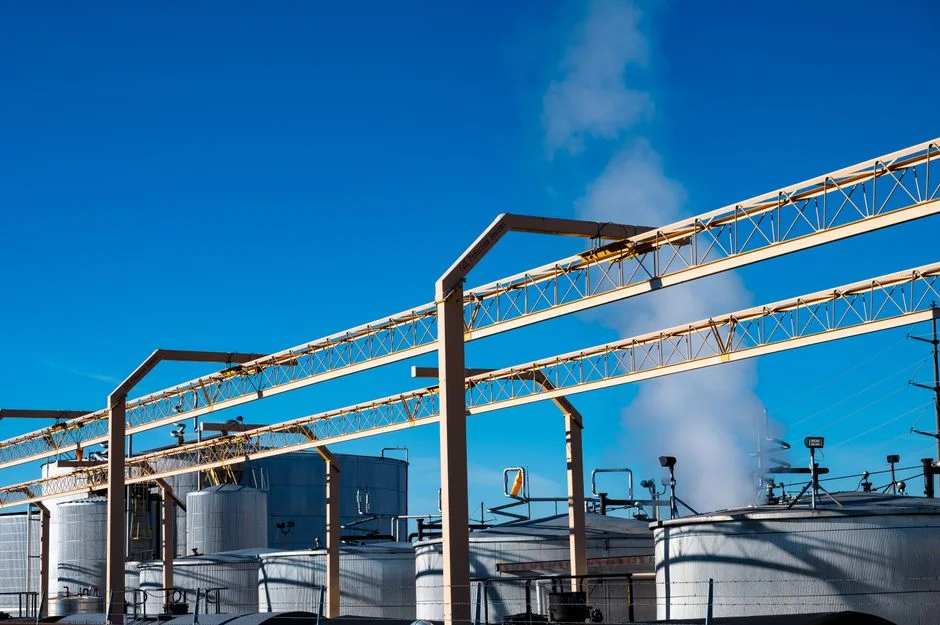
The sequence below turns a mall influent profile into a selected DAF model. It assumes the engineer has already decided on a discharge or reuse path (covered in the next section), because the effluent target sets the air-to-solids and surface loading envelope before the tank area is calculated.
- Establish design flow. Use peak-hour flow (lunch plus evening peaks superimposed), not average dry-weather flow. Confirm with 24-hour composite sampling across at least one full trading week that includes a weekend peak, so the DAF is not undersized for the worst real day.
- Characterize the influent. Measure TSS, oil and grease, COD/BOD, pH, and temperature on the combined stream. Food-court effluent may push oil and grease well above typical domestic ranges; exact mall-specific concentrations are not in the public research and must be obtained by sampling the actual site.
- Set the target effluent. Driven by the downstream question — sewer discharge to a municipal POTW versus on-site reuse for toilet flushing or irrigation. These targets then set hydraulic retention and the air-to-solids ratio per Hydroflux ranges.
- Pick the surface loading rate. 5 to 10 m³/m²/hr as the starting point per Hydroflux; only push to 15 m³/m²/hr if jar tests confirm robust floc formation on the actual combined influent.
- Size the tank area. Design flow divided by surface loading rate gives the effective flotation area; select a standard model that meets or slightly exceeds that area, matching it to a HydropureWater DAF system from the standard model range.
- Match the recycle system. Pair the chosen tank with a recycle pump and saturation system that delivers the air-to-solids ratio without exceeding the design net hydraulic flow. Hydroflux notes that small pumps matched to the tank keep the DAF cost-effective.
- Select skimmer and sludge handling. Confirm the floating-sludge removal path to a sludge collection trough and onward to a sludge dewatering press, and the bottom-sediment handling if the chemical program allows some settleable solids to drop out.
Dose control at the chemical stage must be flow-proportional through a PLC-controlled chemical dosing skid, not a fixed-rate pump, so lunch-peak loads receive the correct coagulant and polymer dose. The DAF unit selection and cost framework article walks the same workflow for industrial sites and is a useful cross-check.
Integrating the Mall DAF with the Rest of the Treatment Train
Upstream of the DAF, a fine bar screen is required to keep rags, plastics, and fibrous debris out of the flotation tank; a rotary mechanical bar screen is suited to this duty. Where a food court already has a hydromechanical grease interceptor, the DAF should be placed downstream of it: the interceptor handles gross FOG and the DAF polishes the emulsified and colloidal oil that bypasses the interceptor. This sequencing protects the saturator and recycle pump from gross FOG slugs while still removing the fine fraction the interceptor cannot catch.
Downstream choice depends on the discharge versus reuse decision. For sewer discharge, a packaged biological stage (for example, an MBR downstream of the DAF) reduces soluble COD and BOD to meet the municipal POTW's pretreatment limits; the DAF's removal of TSS and FOG protects that biological stage from hydraulic and organic shock loads, per ProChem. For on-site reuse, DAF effluent can feed an ultrafiltration or MBR polish step such as the UF water treatment system, and removing flocculated and floated solids upstream minimizes membrane fouling. The chemical dosing skid must be PLC-controlled and tied to flow-proportional feed so that lunch-peak loads receive the correct coagulant/polymer dose — not a fixed-rate pump. Engineers specifying this train should also review the auto dosing engineering guide.
Compliance and Reuse Targets That Drive the DAF Spec
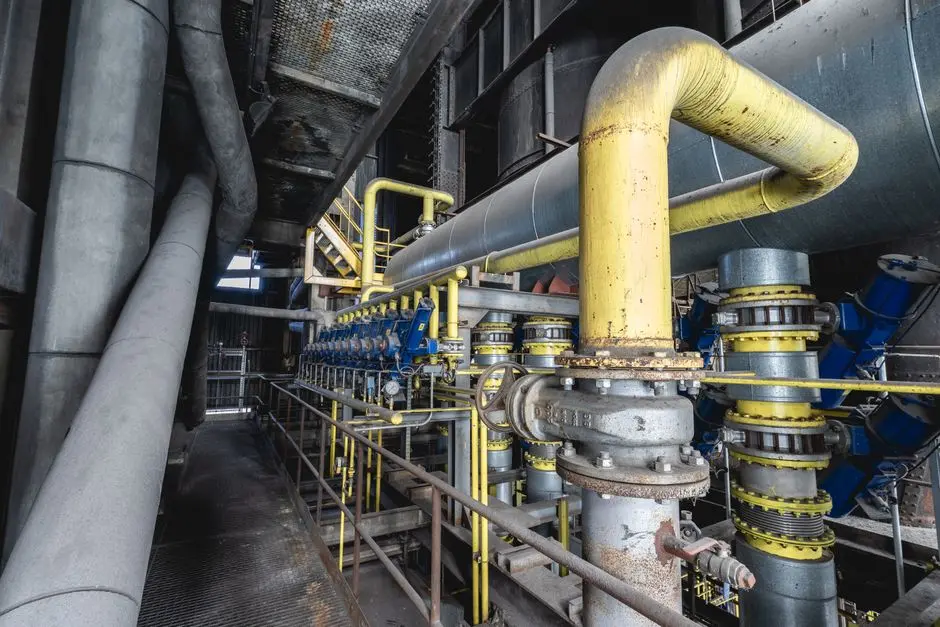
The DAF is sized to drop TSS and FOG to the level the downstream path requires, and that level is set by either the local POTW's pretreatment ordinance or the on-site reuse spec. For sewer discharge, exact municipal limits (commonly expressed as FOG below 50 to 100 mg/L and TSS in the low hundreds of mg/L for retail food-service operations) vary by jurisdiction and are not in the supplied research; the engineer must request the local utility's discharge limits before finalizing the surface loading rate and air-to-solids ratio. For on-site reuse — toilet flushing or landscape irrigation — the DAF effluent should target a TSS low enough for the downstream UF or MBR step, and tight TSS limits there translate directly into tighter air-to-solids and surface loading design per Hydroflux. The DAF operating cost breakdown is a useful reference for sizing the OPEX envelope of either compliance path.
Operational signals matter once the unit is running. Rising outlet turbidity, an uneven float blanket, or skimmer carryover each point to a specific design or operating fault: monitor air-injection pressure, skimmer speed, and the flotation-tank surface regularly per ProChem. Maintenance should follow a defined schedule on pumps, recycle streams, and control panels, with small air-flow or skimmer adjustments preventing downstream fouling in any downstream membrane step. Sludge from the skimmer is dewatered on a sludge dewatering press to reduce disposal volume. For mall operators with corporate ESG reporting, factory-certified carbon-neutral DAF systems exist in the market per Hydroflux; for the main treatment skid itself, the HydropureWater DAF system is the candidate unit.
| Downstream Path | Effluent Target Driver | DAF Design Consequence |
|---|---|---|
| Sewer discharge to POTW | Municipal pretreatment limits (FOG, TSS); exact values vary by utility — request from local POTW | Air-to-solids 0.005–0.01; surface loading 5–10 m³/m²/hr typical |
| On-site reuse — toilet flushing | Tight TSS to protect downstream UF/MBR | Push to lower end of surface loading range; verify with jar tests |
| On-site reuse — landscape irrigation | TSS plus any local irrigation water-quality criteria | Same — request local criteria; tighter TSS protects the membrane |
| Combined: discharge with reuse blend | Strictest of the two limits governs | Use strictest target for air-to-solids and surface loading design |
Frequently Asked Questions
How much does a DAF system for a shopping mall cost to purchase and install?
Cost varies with design flow, effluent target, and tank material; the supplied research does not give a published price band for mall DAF systems. Request a budget figure that breaks down the DAF skid, the chemical dosing skid, the upstream screen, installation, and commissioning as separate line items, and ask for a running OPEX estimate tied to your peak-hour flow.
What is the typical lead time for a packaged DAF unit on a mall retrofit?
Lead time depends on tank size, material, and the saturation skid specification. Ask the supplier for a written schedule covering engineering approval, fabrication, factory acceptance test, shipping, installation, and commissioning, and confirm whether the unit is in the standard model range or a custom build — custom builds extend the critical-path item on a retrofit.
Can a DAF be retrofitted into an existing mall mechanical room, or is it a new-build item only?
DAF's smaller footprint versus a sedimentation basin is the main reason it is specified over gravity clarification for retail sites, per ProChem. A retrofit is feasible where ceiling height, floor loading, and access for a saturator and recycle pump allow it; a site survey should confirm tank dimensions, the chemical dosing skid location, and sludge handling routing before the model is frozen.
How do I select a DAF supplier for a mall project?
Evaluate the supplier against four checks: a documented standard model range sized to your peak-hour flow, a published air-to-solids and surface loading band you can match to your influent, evidence of installed mall or food-court reference units, and a control package that supports flow-proportional chemical dosing. Request a reference list with similar food-court loads and ask for jar-test data on a representative influent before placing the order.