
Why Monroe Transportation Equipment Plants Face a DAF-vs-Clarifier Decision in 2026
Monroe, Michigan's transportation equipment cluster — auto parts stamping, Tier-1 powertrain suppliers, and rail equipment manufacturing — generates wastewater dominated by drawing lubricants, cutting fluids, hydraulic oils, and tramp oil, with secondary loads of metal fines and weld scale. At the primary-treatment stage the selection is binary: a dissolved air flotation unit for the oil phase, a gravity clarifier (typically a high-rate lamella design) for the solids phase, or a hybrid train that handles both.
Monroe Water Department industrial pretreatment limits in 2026 continue to focus on oil and grease, total suspended solids, pH, and metals, and those four parameters, not flow rate, drive the unit-process decision. The federal framing is equally clear: the EPA Process Design Manual for Suspended Solids Removal (January 1975) treats sedimentation (Sections 7.1–7.7) and dissolved air flotation (Section 7.8) as two distinct physical separation processes, confirming the choice is a genuine engineering decision rather than a vendor preference. For plants evaluating a dissolved air flotation system for oily Monroe wastewater, the rest of this article walks through the mechanism, the decision matrix, the hybrid argument, and the 2026 RFQ inputs.
How a DAF System and a Clarifier Actually Treat Transportation Equipment Wastewater
A dissolved air flotation system saturates a pressurized side stream with air and then releases it through micro-bubbles that attach to oil droplets and fine suspended solids, floating them to the surface for skimming. DAF Corporation documents that its micro-bubble generator "creates consistent 20–40 micron sized bubbles with no coarse air bubbles, 24/7, 365 days a year," which is the bubble size range needed to attach to free oil and emulsified lubricant droplets typical of stamping and machining cells. DAF Corp's FC Maximizer circular clarifier is rated at 92%–98% total suspended solids removal on flows from 10 gpm to 11,000 gpm in tanks from 6 ft to 70 ft diameter, while the rectangular RC UniMax is rated at 85%–90% TSS removal on flows from 10 gpm to 1,000 gpm — both are full DAF-clarifier hybrid units, not stand-alone gravity basins.
Lamella and conventional clarifiers rely on gravity sedimentation. Heavier metal fines, swarf, and coagulated solids settle to a sludge cone under quiescent conditions, with inclined-plate (lamella) designs increasing effective surface area and pushing surface loading well above a conventional basin. Ecologix frames the same mechanism distinction: "DAF systems use air bubbles to float light particles, oils, and greases to the surface of a treatment tank, where they are skimmed off," while "clarifiers rely on gravity sedimentation to settle heavier solids to the bottom of a tank, where they are removed as sludge." A Monroe plant evaluating a high-rate lamella clarifier for metal-fines polishing is therefore choosing a different physical mechanism, not a different brand of the same box. The 1975 EPA manual keeps flotation and gravity sedimentation as parallel chapters for exactly this reason — they are complementary, not interchangeable, and the rest of the article treats them that way.
Decision Matrix: DAF vs Lamella Clarifier for a Monroe Stamping or Machining Plant
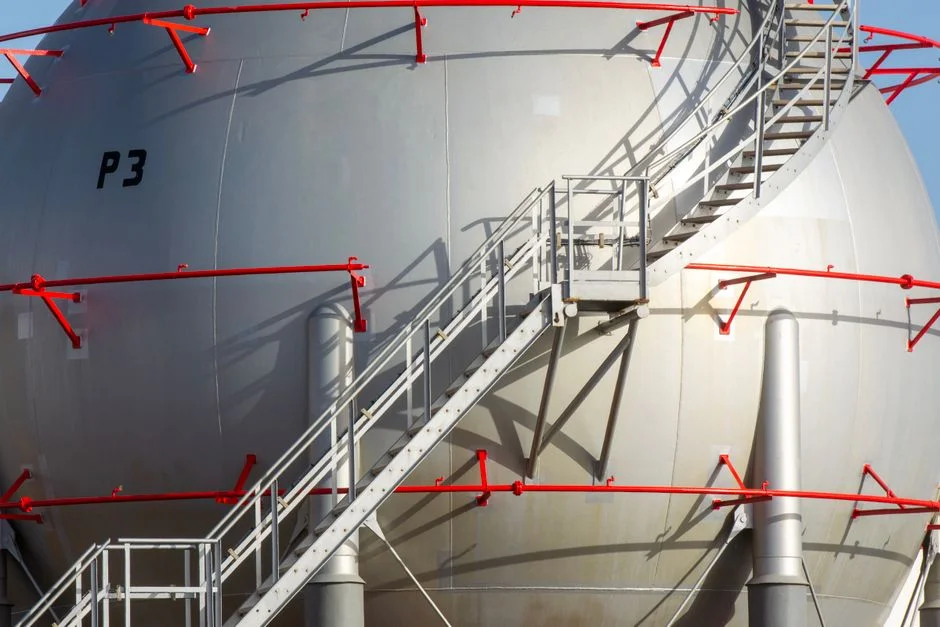
Locate your plant on the matrix below before any RFQ goes out. The decision is driven by the binding Monroe Water Department parameter — FOG or TSS — not by the equipment vendor's product line.
| Plant condition | Recommended primary unit | Supporting evidence |
|---|---|---|
| Free oil > 100 mg/L, FOG is the binding Monroe limit | Dissolved air flotation as primary | Ecologix reports 95% FOG removal for DAF vs 70% for a clarifier on the same oily stream (food processing case) |
| Total suspended solids > 500 mg/L, load dominated by metal fines and grinding swarf | High-rate lamella clarifier as primary | Ecologix mining case: 90% sediment reduction at lower operating cost; lamella inclined-plate design documented at 20–40 m/h surface loading |
| Both FOG and TSS present (typical Monroe stamping, machining, Tier-1 powertrain) | Hybrid DAF upstream + lamella clarifier downstream | Ecologix: "hybrid systems can address complex wastewater streams, combining DAF's oil removal with clarifiers' sedimentation capabilities" |
The trade-offs that should make the matrix visible to procurement before pricing requests are issued are: footprint (DAF is more compact per gpm but needs an air compressor and saturation tank; lamella is gravity-driven and structurally taller per plate pack), CAPEX class (DAF skimmer, saturator, and controls sit above the lamella price for an equivalent flow; lamella plate packs scale with footprint), OPEX class (DAF carries compressor and pump energy plus polymer for fragile floc; lamella is largely quiescent and scrapes sludge), polymer demand (DAF typically needs coagulant and flocculant; lamella often runs coagulant-only or with low-dose polymer), and maintenance mode (DAF skims float; lamella scrapes settled sludge — the wrong mechanism on the wrong stream is what causes carry-over events). Two configuration questions to settle before vendor contact: whether an existing oil-water separator upstream already strips gross FOG, which can lower DAF sizing; and whether floor load rating supports a lamella's water-filled weight, which a compact DAF system for in-plant retrofit often avoids.
Why a Hybrid DAF + Lamella Clarifier Train Is the 2026 Best Practice for Monroe Plants
Transportation equipment wastewater is rarely single-phase. A stamping press discharges tramp oil plus steel fines from the die area; a machining cell discharges cutting fluid plus aluminum or cast-iron fines; a rail equipment weld cell discharges hydraulic oil plus weld scale. Neither technology alone handles both reliably — the Ecologix guide makes this explicit when it answers "Can DAF systems and clarifiers be used together?" with "Yes, hybrid systems can address complex wastewater streams, combining DAF's oil removal with clarifiers' sedimentation capabilities."
The hydraulic logic of the hybrid train is straightforward. A DAF unit upstream strips free and emulsified FOG plus a fraction of the light TSS, sending a clarified underflow to a lamella clarifier downstream that settles the heavy metal fines and any floc carry-over. This keeps DAF skimmers out of the high-fines stream (extending DAF uptime) and keeps lamella plates out of the free-oil stream (avoiding oil re-entrainment in the settled sludge). Coagulant and flocculant dosing between the two units — typically handled by a HydropureWater automatic chemical dosing system — lets the lamella operate on already-coagulated feed, which is what pushes its surface loading into the 20–40 m/h range documented for inclined-plate designs.
For Monroe plants discharging to the municipal sewer under 40 CFR Part 403 pretreatment rules, the hybrid train also reduces the most common 2026 violation scenario: FOG and TSS excursions on the same shift. A stand-alone DAF can let fines slip past when TSS spikes; a stand-alone clarifier can let oil slip past when a stamping line starts up. The hybrid covers both failure modes in series, which is the argument a Monroe plant engineer should put on the first page of the recommendation memo to the VP of Operations. The supporting DAF vs clarifier comparison for Wichita transportation equipment plants in 2026 reaches a similar conclusion for an analogous Midwest cluster, and the dissolved air flotation troubleshooting guide for 2026 documents the failure modes a hybrid train is designed to prevent.
2026 RFQ Inputs a Monroe Transportation Equipment Plant Should Hand Its Vendor
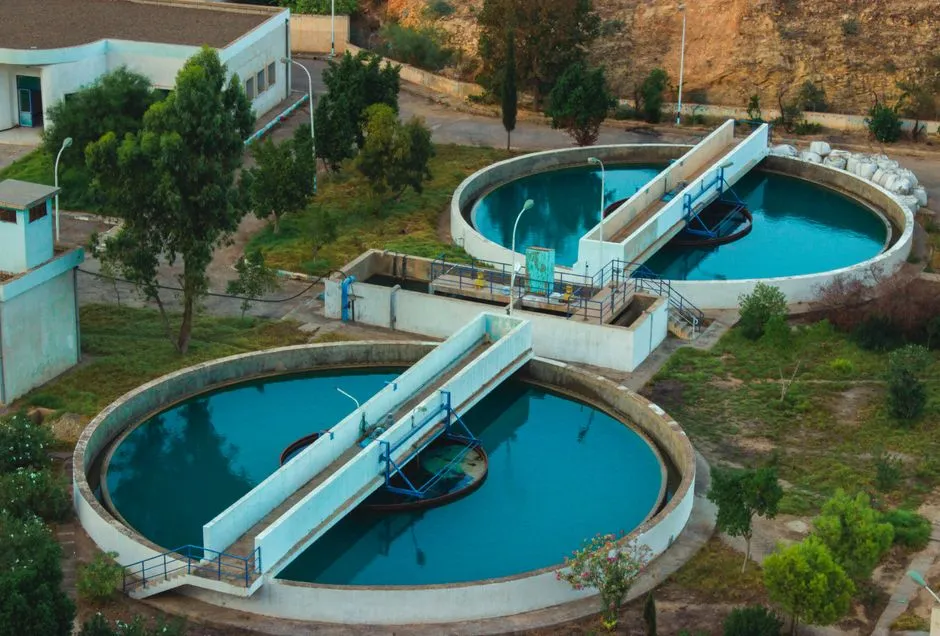
Send these inputs to each shortlisted vendor in the same format so quotes are comparable. The list is the working artifact of the article — copy it into the procurement email the same day.
| Input category | Specific data the vendor needs |
|---|---|
| Hydraulics | Daily and peak flow (m³/h), influent temperature range, pH, and any oil-water separator upstream of the proposed location |
| Influent quality | FOG (mg/L), TSS (mg/L), and metals of concern from current discharge monitoring reports |
| Discharge compliance | Monroe Water Department industrial pretreatment permit limits and whether the plant is subject to 40 CFR Part 433 (metal finishing) or 40 CFR Part 465 (coil coating), both common in transportation equipment manufacturing |
| Site constraints | Available footprint (m²), ceiling height, floor load rating, and the nearest point of connection to the plant sewer |
| Utilities | Power (V/phase), compressed air capacity, and polymer storage/feed availability — DAF requires an air compressor and pumps while a clarifier is largely gravity-driven |
| Operating envelope | Target turndown ratio, maximum single-shift TSS excursion, and whether the unit must handle slug loads from press dump valves |
Two pieces of context the vendor will not bring up but the Monroe engineer should: ask whether the proposed configuration is a DAF followed by a polishing clarifier, a clarifier followed by a DAF polisher, or a parallel train with cross-connect — the answer changes both CAPEX and the failure-mode story in the recommendation memo. And request, in writing, the unit's FOG and TSS performance at the peak flow number, not the average, because the Monroe permit excursion risk lives at peak. For pretreatment compliance framing that reaches beyond Monroe, the how fabricated metals plants meet 2026 U.S. pretreatment limits guide covers the categorical-standard pathway most Tier-1 suppliers will already be on.
Frequently Asked Questions
What is the realistic capital cost difference between a DAF and a lamella clarifier for a Monroe transportation equipment plant in 2026?
Pricing depends on flow, materials of construction, and the saturator package, and the research supplied does not include a unit-price table for either technology. The Ecologix guide flags DAF as having "higher upfront and operational costs" than a clarifier in qualitative terms but does not publish a per-gpm number, and the GSA/Hazen and Sawyer 1975 EPA cost curves are not current-dollar guidance. The actionable check is to request a line-item quote from at least two DAF vendors and two lamella vendors at the same design flow and same effluent target, and to ask each to break out the saturator, skimmer, controls, plate pack, and sludge-handling subsystems so the comparison is apples-to-apples.
Should a Monroe plant buy DAF and lamella from the same supplier to simplify the hybrid train?
Single-supplier procurement reduces interface risk on controls, satuator sizing, and sludge handling, but the research supplied does not name a Monroe-specific integrator and DAF Corp, Ecologix, and HydropureWater all sell into this segment independently. The actionable check is to ask each shortlisted vendor whether they factory-test the DAF-lamella interface (piping match, control hand-off, polymer injection point) as a single skidded unit, and to require a single performance warranty covering both FOG and TSS at peak flow rather than two separate component warranties.
Is a hybrid DAF plus lamella train overkill for a small Tier-1 machining cell in Monroe?
For very low-flow cells with a single dominant contaminant, a stand-alone unit is often correct. The Ecologix case material treats the stand-alone DAF as the right answer when FOG is the only binding parameter and the stand-alone clarifier as the right answer when heavy sediment is the only binding parameter. The hybrid becomes necessary the moment a Monroe plant has both a stamping or machining line and a parts-wash or coolant sump discharging to the same pretreatment stream, which is the typical Tier-1 case.
What influent data do Monroe engineers need to characterize before issuing an RFQ?
A representative 24-hour composite and at least one peak-shift grab sample for FOG, TSS, pH, temperature, and any metals flagged in the current Monroe Water Department permit. The 1975 EPA manual frames suspended solids as a size distribution (soluble, colloidal, supracolloidal, settleable) and notes that "specific gravity and strength or shear resistance of wastewater solids may affect solids separation performance," so the characterization should report form, not just concentration, if a hybrid train is being considered. Without those numbers, no vendor can size the DAF saturator or the lamella surface loading honestly.