What Domestic Sewage Treatment Means for a Nagpur Project in 2026
For an engineer, builder, or facility owner in Nagpur, "domestic sewage treatment" covers blackwater and greywater from residential societies, hotels, hospitals, hostels, and small commercial complexes. The IJRASET design of a 50 KLD MBBR plant for a Nagpur college hostel is the most direct local reference, because it works through the same influent envelope and the same MPCB consent pathway that any 2026 project will follow.
The Maharashtra Pollution Control Board (MPCB) issues project-specific consent conditions under the Water (Prevention and Control of Pollution) Act, and the applicable effluent limits shift with the receiving environment: a municipal sewer, land application, or a water body will each have its own BOD, COD, TSS, pH, and fecal coliform ceilings, so the design must be locked to the consent text, not to a generic standard. Where site footprint, operator skill, or reuse mandate rule out a conventional civil-plus-mechanical STP, decentralized and packaged systems — including the A/O packaged and vermifiltration options covered in the academic literature — remain technically defensible alternatives, as discussed in an IntechOpen chapter on vermifiltration for domestic sewage (IntechOpen, 2022). For any reuse calculation, the receiving-water TDS contribution from domestic sewage in Indian urban water bodies has been measured in the 136–303 ppm band (Applied Water Science, Chota Nagpur Plateau study, 2018), which is a useful sanity check before an RO polishing train is added.
Typical Influent Characteristics Used for Nagpur STP Design
Standard Indian domestic sewage envelopes the parameter set every designer should run a vendor quotation against before signing a PO. The IJRASET design of the 50 KLD Nagpur MBBR confirms that local institutional loads sit comfortably inside the textbook band, so a vendor quoting an STP that is "sized to 50 KLD" without naming a load envelope should be asked to retender. Site-specific confirmation still requires a 7-day composite sampling campaign — BOD, COD, TSS, total nitrogen, total phosphorus, and fecal coliform — and the conservative designer treats textbook defaults as upper-bound values, not as design numbers. Diurnal flow variation in residential colonies is the parameter that most often drives equalization tank volume: early-morning and late-evening peaks typically force 6–8 hours of equalization for downstream biofilm or membrane systems, and the equalization tank must be sized before the biological reactor is selected. Where the treated stream is being polished for reuse, the 136–303 ppm TDS contribution from domestic sewage measured in the Applied Water Science Chota Nagpur Plateau study (2018) is the order-of-magnitude number to use when sizing RO recovery, and it explains why raw sewage TDS alone is not enough to size a polishing train.
| Parameter | Typical Indian domestic sewage range | Design action for Nagpur |
|---|---|---|
| BOD | 200–350 mg/L | Use site composite; confirm against 30/30 or 10/10 consent limit |
| COD | 400–700 mg/L | BOD:COD ratio check; flag if ratio falls below 0.3 |
| TSS | 200–400 mg/L | Drives primary clarifier or HTD sizing |
| Total Nitrogen | 40–70 mg/L | Confirms need for anoxic zone in A/O or MBR trains |
| Total Phosphorus | 5–12 mg/L | Drives chemical precipitation dose for reuse projects |
| Fecal coliform | 10⁶–10⁸ MPN/100 mL | Defines disinfection dose and reuse class |
| TDS (domestic contribution) | 136–303 ppm (Applied Water Science, 2018) | Used for RO polish sizing on reuse trains |
2026 Technology Options: MBBR vs SBR vs MBR vs Packaged A/O (WSZ)
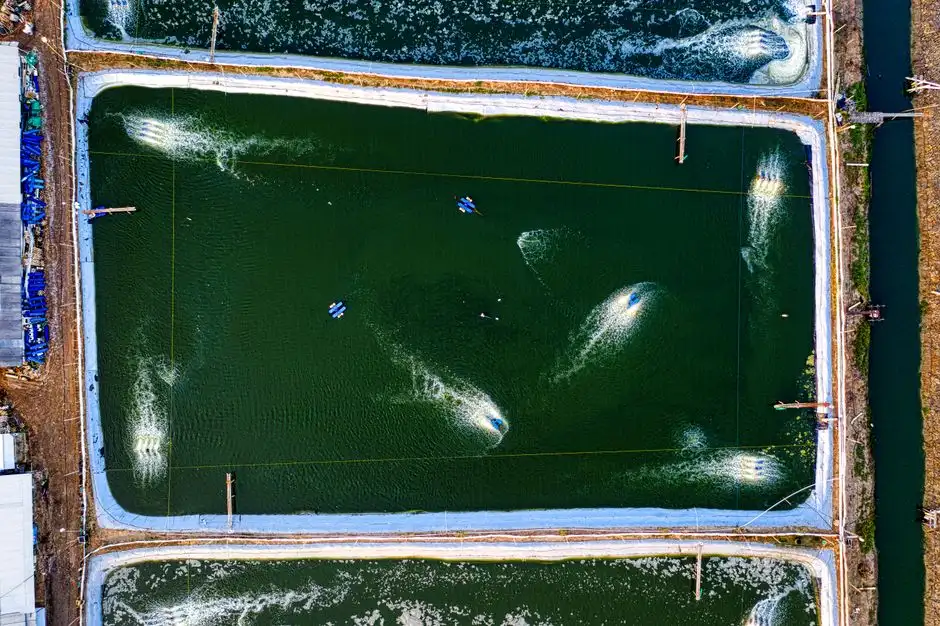
MBBR, SBR, MBR, and packaged A/O (WSZ) are the four technologies a Nagpur engineer will be asked to compare in 2026, and each one maps cleanly to a different site constraint. MBBR uses moving-bed biofilm carriers, tolerates load swings, requires no sludge recirculation tuning, and is the technology chosen in the IJRASET 50 KLD Nagpur hostel design — the strongest local proof point for institutional and residential projects where the receiving MPCB consent allows sewer discharge. SBR is a batch-operated activated-sludge system with good nutrient removal, but it depends on a competent on-site operator for cycle sequencing, which makes it a poor fit for residential societies without dedicated staff. MBR adds submerged PVDF membranes (sub-micron filtration) to activated sludge, produces near-reuse effluent, and needs roughly 60% of the footprint of a conventional activated-sludge plant of the same throughput, as documented in the HydropureWater integrated MBR specification. The DF series flat-sheet MBR module is the typical building block for these plants: 0.1 μm pore size, 80–225 m² membrane area per unit, producing 32–135 m³/day per module, with an integrated aeration box that continuously scours the membrane surface (HydropureWater DF product specification). Packaged A/O in the WSZ series covers 1–80 m³/h, runs fully automated with no operator, and is buried below grade, which makes it the default answer when above-grade space is the binding constraint (HydropureWater WSZ product specification); for projects where space is not a constraint, the underground packaged A/O sewage treatment plant (WSZ series) is the option to shortlist. Vermifiltration is an emerging decentralized option that requires less operator skill and is documented in the IntechOpen chapter on vermifiltration for domestic sewage (IntechOpen, 2022); it remains viable in Nagpur only where local pilot data and the MPCB consent both support it. The integrated MBR membrane bioreactor system and the DF series flat-sheet MBR membrane module are the two spec sheets to keep open when the reuse mandate is the driver.
| Technology | Footprint | Effluent quality | Operator skill needed | Best-fit Nagpur use case |
|---|---|---|---|---|
| MBBR (IJRASET, 50 KLD Nagpur hostel) | Medium | Meets MPCB sewer discharge | Low–medium | Institutional, residential colonies, sewer-discharge consent |
| SBR | Medium | Good nutrient removal | High (cycle tuning) | Sites with trained on-site operator and tight nutrient limits |
| MBR (HydropureWater spec) | ~60% of conventional | Sub-micron, near-reuse | Medium (membrane care) | Reuse mandate, tight footprint, hotels and hospitals |
| Packaged A/O WSZ (HydropureWater spec) | Buried, frees above-grade space | Meets MPCB sewer discharge | Very low (automated) | Residential societies, small commercial complexes, no operator |
| Vermifiltration (IntechOpen, 2022) | Large | Variable, pilot-dependent | Low | Decentralized, low-income housing, only with pilot and consent support |
Matching Technology to Site Conditions in Nagpur
Once the four technology options are on the table, the decision reduces to four site conditions: available above-grade space, treated-water reuse mandate, operator availability, and the MPCB consent. If no above-grade space is available — a common case in dense Nagpur residential societies — the underground packaged A/O sewage treatment plant (WSZ series) at 1–80 m³/h is the default shortlist because the unit is buried and runs fully automated. If the treated water must be reused for flushing, gardening, or cooling-tower makeup, MBR is the strongest fit because sub-micron filtration removes suspended solids and most bacteria in a single step, and the DF series flat-sheet module gives the designer a repeatable unit to scale against daily reuse demand. If the operator is non-technical or absentee, SBR should be dropped from the shortlist and MBBR or packaged A/O preferred, since SBR cycle sequencing will be the first thing that fails without daily attention. If the MPCB consent allows discharge to a sewer and the developer wants the lowest CAPEX, MBBR remains the 2026 baseline for Nagpur institutional and commercial projects, and the 2026 MBR plant operation and maintenance guide is worth a read for any project sitting on the MBBR/MBR boundary.
Compliance and Documentation Checklist for Nagpur STPs
MPCB consent must be in place before a domestic STP is commissioned in Nagpur, and the consent text — not a generic 30/30/10 effluent spec — drives the design basis. Two consents are required in sequence: consent to establish (CTE) before construction, and consent to operate (CTO) before the plant is handed over, and vendors who quote without asking for the consent number are signalling that the project is being underspecified. Effluent monitoring for BOD, COD, TSS, pH, and fecal coliform must be carried out at the frequencies named in the consent — typically monthly for sewer-discharge projects and weekly for water-body discharge — and the records must be kept on file for MPCB inspection. Sludge disposal must follow MPCB and CPCB rules applicable to the premises category: residential sludge is non-biomedical, hospital sludge is biomedical and follows a separate handling chain, and a hotel sits between the two depending on its medical facilities. Where the treated water is reused on-site, MPCB typically expects a reuse plan, a cross-connection control statement, and color-coded plumbing — these are the items most often missed and the ones that delay CTO.
Indicative 2026 Cost Bands and Sizing Logic
Cost for a Nagpur STP is best framed as CAPEX per KLD plus OPEX per m³ of treated water, with the final figure driven by the design basis, the consent limits, the civil scope, and the automation package. The research provided does not publish a 2026 CAPEX or OPEX number for any of the four technologies, so the responsible move is to convert cost into a sizing logic that a vendor quotation can be checked against. Packaged underground A/O (WSZ series) covers 1–80 m³/h, which spans small residential colonies up to mid-size commercial complexes typical in Nagpur (HydropureWater WSZ product specification). Integrated MBR systems cover 10–2,000 m³/day and fit projects where reuse mandate, not footprint alone, drives the selection (HydropureWater MBR product specification). MBBR and SBR are typically supplied as civil-plus-skid packages, so their CAPEX depends heavily on civil scope, equalization volume, and the consent's nutrient limits, not just on reactor volume. Buyers should request at least three quotations against the same design basis and the same inlet load envelope, and should treat any quotation that quotes against a generic 30/30/10 number without naming the inlet load as a red flag. A useful cross-reference for the SBR economics is the 2026 SBR plant operating cost breakdown, and for Ahmedabad-projects on the same envelope, the comparable 2026 domestic sewage treatment guide for Ahmedabad is a useful benchmark for cost methodology.
| Technology | Capacity range (research-supported) | Buyer input required before pricing |
|---|---|---|
| Packaged A/O WSZ (HydropureWater spec) | 1–80 m³/h | Inlet BOD/COD/TSS, consent limits, above-grade or buried |
| Integrated MBR (HydropureWater spec) | 10–2,000 m³/day | Reuse class, RO polish, membrane replacement cost |
| DF flat-sheet MBR module (HydropureWater spec) | 32–135 m³/day per module, 80–225 m² area | MLSS target, scour-air availability, cleaning protocol |
| MBBR (IJRASET, 50 KLD Nagpur hostel) | Project-specific (KLD-driven) | Civil scope, equalization volume, consent nutrient limits |
| SBR | Project-specific (KLD-driven) | Operator availability, cycle count, sludge handling |
Supplier Selection Checklist Before Issuing a PO
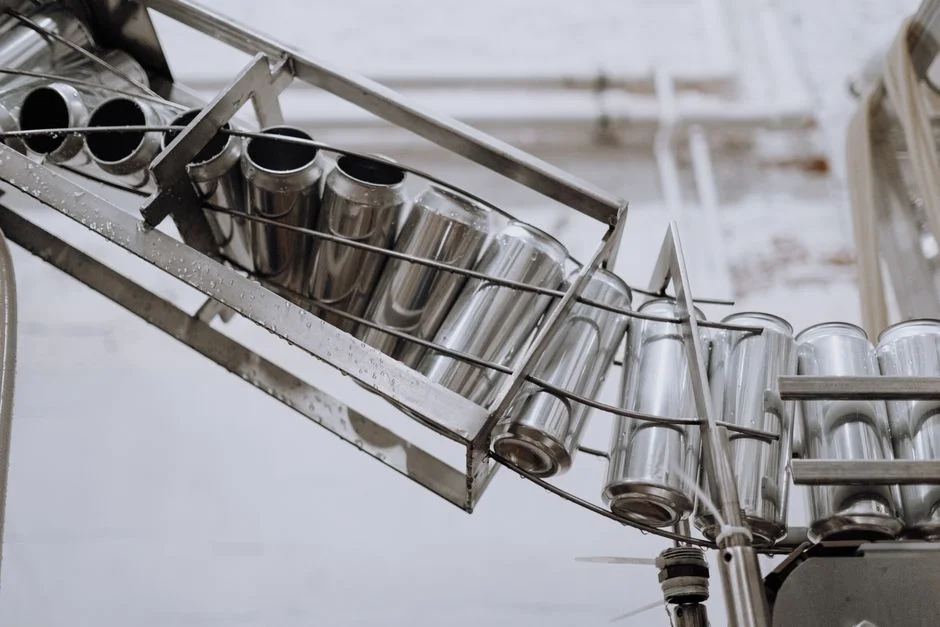
Shortlisting two or three Nagpur STP vendors on equal terms means holding each one against the same documented evidence. The vendor must show performance data for the same technology at equivalent KLD in Maharashtra, not only reference plants in other states — the IJRASET 50 KLD MBBR paper exists precisely because local operating data matters more than generic brochures. The offered effluent guarantee must be tied to a specific inlet load envelope (BOD, COD, TSS, flow), not to a generic 30/30/10 number that the vendor cannot defend if the inlet is stronger. The automation package must include a remote alarm so the absentee operator is notified before a consent breach, and consumables — membranes, diffusers, biofilm media — must be stocked regionally with a stated lead time. Finally, the O&M scope must include response-time SLAs, because the documented failure mode for packaged STPs in Indian cities is absent or delayed O&M rather than design error, and the IJRASET 50 KLD Nagpur case study explicitly lists operator skill as a project risk.
Frequently Asked Questions
What MPCB discharge limits apply to a domestic STP in Nagpur in 2026?
MPCB issues project-specific consent conditions under the Water (Prevention and Control of Pollution) Act, and the limits shift with the receiving environment: discharge to a municipal sewer, to land, or to a water body each carries its own BOD, COD, TSS, pH, and fecal coliform ceiling. The design basis must be locked to the consent text, not to a generic standard, and a vendor quoting against a generic 30/30/10 number without naming the consent should be retendered.
How do I choose between MBBR, SBR, MBR, and packaged A/O for a Nagpur residential society?
Match the technology to four site conditions: above-grade space (favor WSZ if none), reuse mandate (favor MBR), operator availability (exclude SBR if non-technical), and MPCB consent (favor MBBR for lowest CAPEX under a sewer-discharge consent). The IJRASET 50 KLD Nagpur hostel design confirms that MBBR is the proven local baseline for institutional and residential projects, and the HydropureWater WSZ and MBR product specifications give the capacity envelopes for the alternative selections.
What should I check in a supplier's quotation before issuing a PO?
Confirm the vendor has documented performance for the same technology at equivalent KLD in Maharashtra, verify the effluent guarantee is tied to a named inlet load envelope rather than a generic 30/30/10 number, and require the O&M scope to include response-time SLAs plus regional stockholding for membranes, diffusers, and biofilm media. Quotations that do not name the inlet load, the consent conditions, or the O&M SLA should be returned for revision before technical comparison.
How much does a packaged STP cost per KLD in Nagpur in 2026?
The supplied research does not publish a 2026 CAPEX-per-KLD or OPEX-per-m³ figure for any of the four technologies, so the responsible move is to request at least three vendor quotations against the same design basis and the same inlet load envelope, then normalize for civil scope, automation, and consent limits. Treat any single-line "₹X per KLD" number that is not backed by a named inlet load and consent text as a budgeting placeholder, not a quotation.