

Why Zinc Runoff Matters for Industrial Sites in 2026
The Washington State Department of Ecology (Publication 17-03-018, October 2017) estimated that an urban study area in Thurston County released 5,900 pounds of zinc per year from materials alone, with vehicle wear and building materials identified as the dominant sources and parking lots, roofing, siding, streetlights, and roof gutters recommended as priority monitoring points. That figure is a documented baseline for a non-industrial catchment, and industrial sites overlay the same pathways with process-side zinc sources that the urban literature does not catalogue, so per-acre loading is typically higher than the Thurston County number.
Engineers working in 2026 must therefore treat zinc source identification as the first compliance task, not an optional site audit, because the same monitoring categories recommended in the Ecology study appear on every metal-finishing, fabricated-metals, automotive, roofing-products, and scrap-recycling facility in some form. Three regulatory touchpoints are likely to apply: an industrial stormwater general permit analog with numeric action levels for zinc, categorical pretreatment standards (metal-finishing categories similar to 40 CFR 413/433) where zinc is regulated at the process sewer, and local publicly owned treatment works (POTW) zinc limits at the discharge manhole. Confirm exact applicability with site counsel and your permit writer before sizing equipment; the rules change between jurisdictions and between renewal cycles, so the values cited here are not a substitute for current local limits.
Source 1: Galvanized Metal Corrosion on Infrastructure and Equipment
Galvanized metal corrosion is the industrial analog of the building-materials category flagged in Washington Ecology Pub. 17-03-018, and on most plant sites it is the largest single zinc pool the engineer will find. The mechanism is straightforward: the zinc sacrificial coating on steel dissolves preferentially under acidic rainfall, condensate, or wash-water exposure, releasing dissolved zinc and zinc-rich particulates that wash off roofs, drip from structural members, and accumulate in yard runoff. A site inventory should cover galvanized roofing and wall cladding, roof gutters and downspouts, galvanized process and service piping, chain-link fencing, handrails, cable trays, HVAC supports, exterior light standards, and yard crane or equipment structures. Each item sheds zinc at a rate that depends on coating age, exposure to standing water, and the acidity of contact moisture, which is why old galvanized roofing with visible white oxide staining is almost always a measurable source. The priority monitoring locations recommended in the Ecology study (roofing, siding, roof gutters) line up directly with this inventory, so the same first-flush sampling protocol applies. Pair the inventory with an automatic chemical dosing system for pH and coagulant control downstream so that dissolved zinc from galvanized washoff can be precipitated before it reaches the discharge point. The supplied research does not include a galvanized-corrosion release rate; the engineer must request a site-specific washoff rate from the material supplier or a stormwater consultant, and should not assume any published literature value without site calibration.
Source 2: Tire, Brake, and Vehicle or Forklift Wear on Yards and Loading Areas
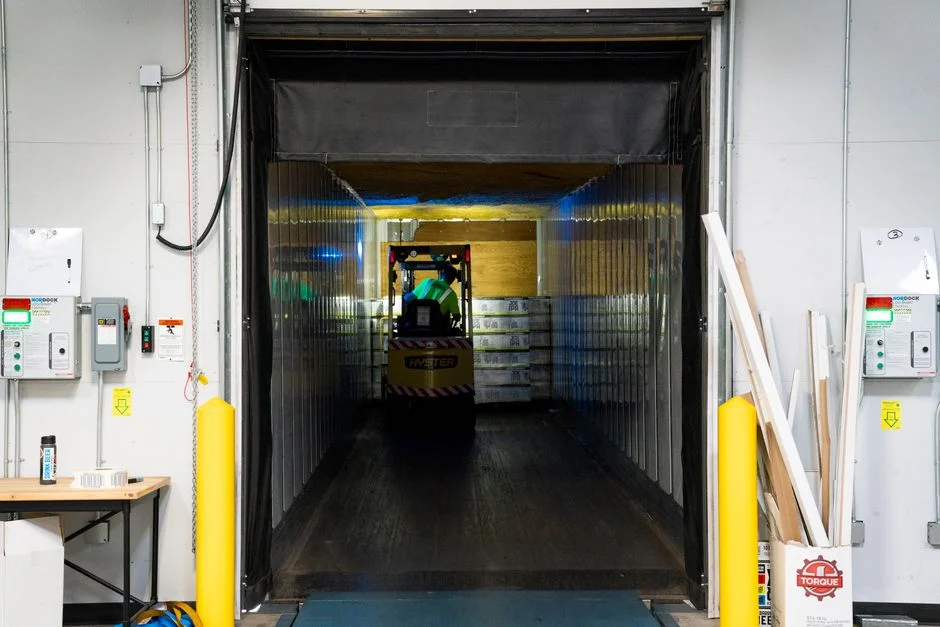
Washington Ecology Pub. 17-03-018 names vehicle wear as one of the two main sources of zinc in runoff and recommends parking lots as a priority monitoring location. Translated to an industrial site, that recommendation covers truck queuing areas, trailer drop lots, forklift travel paths, weighbridges, refuelling islands, and any on-site road that sees regular heavy-equipment movement. Tire tread contains zinc oxide used in vulcanisation, and the washoff from these surfaces carries both particulate and dissolved zinc that collects in lot drains. The 2026 inflection point is fleet mix: rising electric and hybrid penetration is changing brake-wear chemistry because of higher vehicle mass and regenerative braking, but the zinc used in tyre vulcanisation is largely fleet-agnostic, so tyre-wear zinc loading persists regardless of powertrain. Controls worth evaluating include paving and curb-and-gutter segregation to keep lot runoff out of process sewers, oil/water separators on lot drains, periodic dry sweeping to remove settled particulates before the next storm, and dedicated wash bays routed to the process sewer rather than the stormwater system. An dissolved air flotation (DAF) system for zinc-bearing yard runoff is a standard primary step for oil-and-zinc mixtures from these areas, and pairs with oil/water separation upstream. The reader should also review the DAF vs clarifier decision for fabricated-metals plants before specifying.
Source 3: Roofing, Siding, and Exterior Building Materials
Washington Ecology Pub. 17-03-018 recommends building roofing and siding materials as priority zinc sources, and on an industrial site the building-envelope contribution must be sampled separately from yard runoff so that the engineer can defend a source-mix narrative to the regulator. Metal roofing (galvanized, Galvalume, standing-seam copper-bearing alloys) and zinc-rich architectural coatings at cut edges, flashing details, and ridge caps are the dominant contributors versus inert single-ply membranes. The zinc concentration profile in roof runoff differs from yard runoff, and a roof-only sample is the cleanest way to attribute that load to the building envelope rather than to process or yard activity. A defensible sampling protocol composites the first 0.5 inch of runoff from at least three roof events, consistent with the Phase 1 washoff methodology referenced in the Ecology study; confirm the exact protocol with current regulator guidance before each sampling round. Screening at the downspout with a rotary mechanical bar screen removes coarse debris that would otherwise load downstream DAF or clarifier units, and the screen flow can be split into a roof-drain sub-stream for separate mass-balance accounting. The supplied research does not quantify a per-roof-type release rate, so the engineer must rely on the composite sampling to populate the source-to-pathway worksheet.
Source 4: Process Waters That Carry Zinc Directly to the Sewer
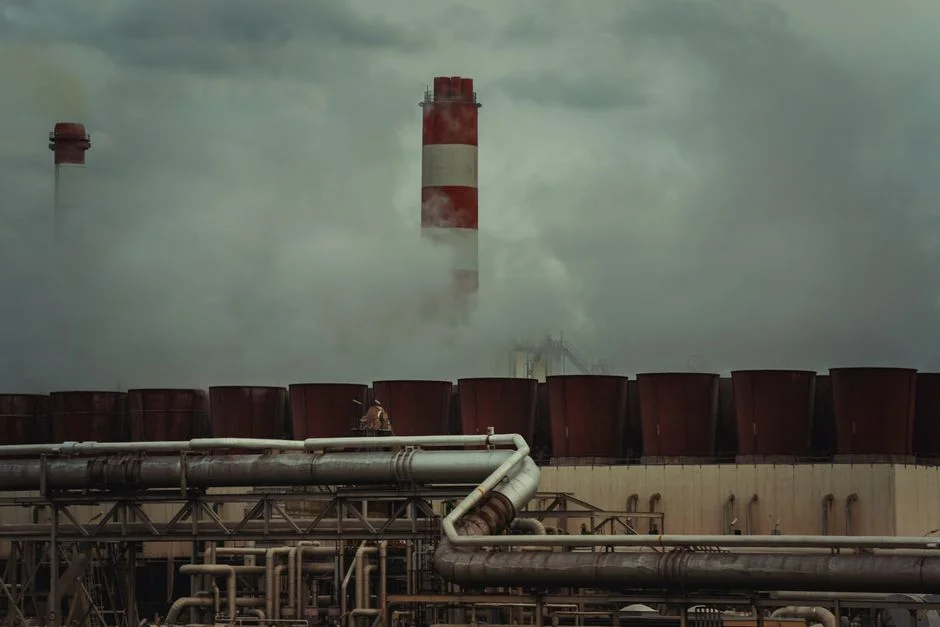
The industrial-only sources that urban zinc literature does not address are the part most readers are actually trying to solve, and they should be treated as a separate wastewater stream with its own discharge limit. Five sub-sources dominate. First, galvanized-piping corrosion inside the process envelope, including cooling-tower make-up lines, closed-loop heating water, and rinses downstream of any galvanized piping that sees acidic or hot water. Second, cooling-tower blowdown, which carries dissolved zinc from corrosion-inhibitor packages and from contact with galvanized internals; volume scales with cycles of concentration and bleed-off rate. Third, metal-finishing rinse water from zinc-plating, zinc-rich die-cast rinsing, galvanizing line rinses, and chromate-conversion rinse water, which is a categorical wastewater stream with regulated discharge limits. Fourth, scrap and recycling yard drainage from galvanized scrap, die-cast skimmings, and zinc-bearing swarf reacting with rainwater, which should be routed to a dedicated first-flush interceptor before combining with yard runoff. Fifth, any process spill or wash-down of a zinc-rich bath that bypasses the normal process sewer. Use a high-efficiency sedimentation tank (lamella clarifier) for process-side zinc as the primary solids-removal step after chemical precipitation, and follow with biological or membrane polishing depending on the discharge target. The supplied research contains no quantitative zinc concentration for these streams, so the engineer must request a recent plant effluent monitoring report or run a sampling campaign before sizing any treatment unit. For electroplating-specific design data, the electroplating wastewater treatment system 2026 engineering specs guide covers zinc-plating line configurations in detail.
Source 5: Atmospheric Deposition and Incidental Spills
Two minor but regulator-relevant pathways complete the source picture. Atmospheric deposition from nearby smelters, galvanizing lines, or coal-fired boilers is usually a small percentage of total zinc load, but it is non-zero and should be listed in a no-further-action assessment so the inspector sees the full inventory. Incidental spills of zinc-rich chemicals, including zinc chloride flux, zinc stearate release agent, and zinc plating bath carry-out, are not captured by the normal process sewer and can show up as spikes in the stormwater monitoring data. Both categories should be itemised in the site's industrial stormwater pollution prevention plan (SWPPP) alongside the four structural sources above, with explicit BMPs for spill containment, drip-pan use, and roof-drain isolation during transfer operations. A defensible mass balance in 2026 lists every source category the engineer has considered, even where the contribution is judged minor, because the inspector will ask for the audit trail rather than the final number.
Source-to-Pathway Worksheet for a Typical Industrial Site
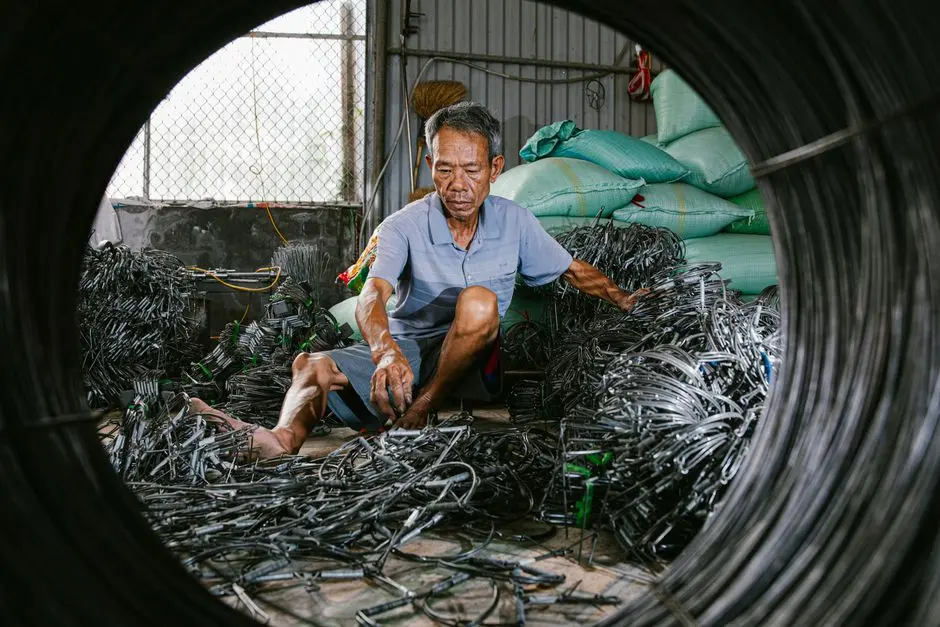
The worksheet below maps each of the five source categories to its runoff pathway, the appropriate sampling point, and the matching treatment step. The reader should treat it as a qualitative framework and populate each row with their own monitoring data; the supplied research does not include numeric release rates per source category, so any number entered into the loading column must come from a site-specific sampling campaign rather than from a default.
| Source category | Runoff pathway | Sampling point | Recommended treatment train |
|---|---|---|---|
| Galvanized corrosion | Roof drains and yard runoff from drip lines | Downspout first-flush and yard catch basin | DAF or lamella clarifier with hydroxide precipitation |
| Tire, brake, and forklift wear | Yard and dock runoff | Lot drain downstream of oil/water separator | Oil/water separator then DAF |
| Roofing and siding materials | Separate roof-drain sub-stream | Per Ecology 17-03-018 roof washoff methodology | DAF or chemical precipitation |
| Process waters (rinse, blowdown, plating) | Process sewer | Permitted monitoring point at the process discharge manhole | Chemical precipitation then MBR membrane bioreactor for dissolved-zinc polishing, or RO for reuse |
| Scrap-yard drainage and atmospheric deposition | Dedicated first-flush interceptor | Interceptor outlet | Lamella clarifier then DAF |
Matching Treatment Technology to Zinc Source Strength
Treatment selection depends on the form of zinc (particulate-bound versus dissolved) and on the required discharge endpoint, not on a default technology choice. The table below summarises the standard primary and polishing steps; the supplied research does not include specific removal-efficiency data for these configurations, so the engineer should request vendor-specific guarantees tied to their influent zinc concentration before purchase, and should not assume a generic removal figure from any unit other than the vendor supplying the equipment.
| Zinc form / source mix | Primary step | Polishing step | Notes for 2026 design |
|---|---|---|---|
| Particulate-bound zinc (tyre wear, roofing debris, scrap fines) | DAF or lamella clarifier with coagulant dosing | Sand filtration if reuse is targeted | Chemistry controlled by an automatic chemical dosing system; expect TSS carry-over to define backwash frequency |
| Dissolved zinc from process streams | Hydroxide or sulfide precipitation at controlled pH | Lamella clarification for solids removal, then MBR or RO | pH window is tight (typically 9.0 to 9.5 for hydroxide); confirm with jar tests on the actual process water |
| Tight discharge limits or reuse targets | Chemical precipitation | Industrial RO system for reuse-grade zinc recovery | Expect a concentrate stream that needs further management; size RO on the projected flux, not the nominal rating |
| Aesthetic or colour issues from a zinc-rich roof stream | Lamella clarifier | DAF polish before discharge | Sample first flush separately; roof streams are intermittent and need equalisation |
For a head-to-head cost perspective across the primary equipment categories, the CMP wastewater treatment equipment cost comparison 2026 piece gives a structured breakdown; the supplied research for this article does not include vendor pricing, so any capital figure must come from a current quote.
2026 Outlook: Supply Chain, EV Shift, and Tightening Industrial Zinc Limits
Three 2026-era factors should be in the engineer's management brief. First, tyre-wear chemistry is shifting as electric and hybrid fleets grow, primarily because of higher vehicle mass and different brake-regeneration patterns, but the zinc used in tyre vulcanisation remains fleet-agnostic in the near term, so tyre-derived zinc loading on yards and docks will not fall as the fleet electrifies. Second, zinc market price volatility through 2024 to 2026 is influencing galvanizing choices across construction and infrastructure, which in turn changes the inventory of zinc-coated materials that can shed into site runoff over the next replacement cycle. Third, industrial stormwater permits and categorical pretreatment standards are tightening across most U.S. states and EU member states, with numeric zinc limits trending downward in renewal cycles; the engineer should request a current local limit table from the permit writer rather than rely on historical values, and should expect dissolved-zinc limits to be the binding constraint at the process sewer. Reuse and zero-liquid-discharge pilots are growing in water-stressed industrial corridors, which raises the bar for dissolved-zinc removal and makes the MBR-plus-RO train more attractive for 2026 retrofits, but it also creates a concentrate stream that the engineer must plan for rather than ignore.
Frequently Asked Questions
What is the single largest source of zinc runoff on an industrial site?
Galvanized metal corrosion and building materials are the dominant source on most industrial sites, with vehicle and tyre wear a close second, both confirmed as main sources by Washington State Department of Ecology Publication 17-03-018 (October 2017). The relative ranking depends on the site's coating age and yard traffic, so a source-mapping audit is the only defensible way to rank them on a specific facility.
How should we sample roof runoff for zinc?
Composite the first flush from at least three roof events using a per-event automatic sampler, matching the roof washoff methodology referenced in Washington Ecology Pub. 17-03-018. Confirm the current protocol with your state or regional regulator before each sampling round, and keep roof-drain samples separate from yard-runoff samples so the mass balance is auditable.
What budget should we plan for an industrial zinc removal system?
The supplied research for this article does not contain cost data. Request a site-specific quote that separates civil works, chemical dosing skids, controls, and lifecycle OPEX, and ask the vendor to tie the quote to your measured influent zinc concentration and the discharge target rather than to a generic unit price.
Do we need a pretreatment permit for zinc at our plant?
It depends on the receiving POTW's local limits and whether the site falls under a categorical standard such as the metal-finishing categories. Request the current local discharge limit table from your POTW and confirm categorical applicability with site counsel before sizing any system, because the limits and the categorical status both change between renewal cycles.
Is DAF or a clarifier the right primary step for zinc-bearing runoff?
Both work, and the choice should be driven by influent sampling rather than a default. DAF is the better fit for oil-and-zinc mixtures from yards, docks, and forklift aisles, while a lamella clarifier is the better fit for roof and process streams where oil is not the co-contaminant. Spec the chemistry package with an automatic chemical dosing system sized to the measured influent, not to a published typical range.