
What CPCB Is and Why Its 2026 Requirements Bind Your Plant
The Central Pollution Control Board is the apex statutory body under India's Ministry of Environment, Forest and Climate Change, constituted under the Water (Prevention and Control of Pollution) Act, 1974 to prevent and abate water pollution, and later reinforced through the Air (Prevention and Control of Pollution) Act, 1981 and the Environment (Protection) Act, 1986 (Springer Nature, 2024). The combination of these three statutes gives CPCB the authority to set nationally binding effluent discharge standards that every industry must meet regardless of the receiving water body. State Pollution Control Boards — MPCB, TNPCB, KSPCB, GPCB, and others — are the enforcement arms, and they translate CPCB's national standards into plant-specific Consent to Operate orders that can be stricter than the baseline.
The practical consequence is that the limits in your CTO are the ones you are legally judged against, not the ones you read in a generic online table. A textile dyeing unit in Gujarat learned this the hard way when CPCB inspectors found high-COD effluent being discharged untreated into a public sewer; the unit was shut for 21 days, forced to upgrade its ETP, and assessed penalties (PPS field data, 2025). Non-compliance can trigger Water Act prosecution, Form V rejection, and revocation of the CTO. For an EHS engineer in 2026, the CTO is effectively the operating manual — read it line by line before you touch a single equipment specification.
CPCB 2026 Effluent Limits by Receiving Environment
Effluent discharge standards in India are organised by the receiving environment, as the same wastewater impacts different ecosystems in varying ways. CPCB defines four discharge destinations: (1) inland surface water such as rivers, streams, and lakes; (2) public sewers feeding a municipal treatment plant; (3) land for irrigation; and (4) marine and coastal outfalls (PPS, 2025). The table below consolidates the commonly applied parameter values across these categories.
| Parameter | Inland Surface Water | Public Sewers | Land for Irrigation | Marine / Coastal |
|---|---|---|---|---|
| pH | 5.5 – 9.0 | 5.5 – 9.0 | 5.5 – 9.0 | 5.5 – 9.0 |
| BOD (3-day, 27 °C) | ≤ 30 mg/L | ≤ 100 mg/L | ≤ 100 mg/L | ≤ 100 mg/L |
| COD | ≤ 250 mg/L | ≤ 250 mg/L | ≤ 250 mg/L | ≤ 250 mg/L |
| TSS | ≤ 100 mg/L | ≤ 600 mg/L | ≤ 200 mg/L | ≤ 100 mg/L (process-specific) |
| TDS | Per CTO | Per CTO | Per CTO | Per CTO |
| Oil & Grease | ≤ 10 mg/L | ≤ 20 mg/L | ≤ 10 mg/L | ≤ 20 mg/L |
Three engineering notes matter here. First, TDS is not specified generically by CPCB and must be read from your CTO, particularly if you sit in a groundwater-sensitive zone where state boards have started reinforcing TDS caps (PPS, 2025). Second, marine and coastal limits shift by process — the values above are a starting reference, not a substitute for the CTO schedule. Third, SPCBs frequently tighten individual parameters; TNPCB's COD and colour limits for textile units, for example, run stricter than the CPCB baseline, which is why "what does CPCB allow" is the wrong question when Tamil Nadu, Maharashtra, or Gujarat is the regulator.
Sector-Specific Standards Tightened in 2025–2026

Pharma, API, and bulk drug plants saw BOD and COD limits tightened in the 2020s to address antimicrobial resistance, and 2026 is the year antibiotic-residue monitoring becomes a routine audit line item (PPS, 2025). One pharma client's tablet-coating stream dragged pH down to 4.5 and tripped the COD ceiling; an automatic lime dosing system closed the gap and brought the ETP back into consent within weeks (PPS field data, 2025). Textile dye houses are under parallel pressure: TNPCB's stricter COD and colour envelope pushed South Indian units to install Fenton oxidation upstream of the aeration tank to oxidise recalcitrant chromophores before biological treatment.
Distilleries and tanneries in critical zones were already required to operate under Zero Liquid Discharge, which means an RO + MEE evaporation train with condensate polishing (PPS, 2025). Common ETPs serving mixed industrial clusters face updated norms for toxic metal load, driving flow-equalisation retrofits so shock loads do not blow through the biological stage. E-waste recyclers, battery processors, and metal finishers are now expected to monitor heavy metals — chromium, nickel, lead, cadmium — on a routine audit schedule, and chromium-bearing streams in particular demand a dedicated precipitation step such as the sulfide-precipitation route detailed in the chromium wastewater treatment engineering specs. The 2025–2026 regulatory trend points toward lower ceilings, broader parameter lists, and tighter proof of compliance.
From Limit to Equipment: Choosing ETP Stages to Meet 2026 Norms
Equipment performance ultimately determines whether your plant meets discharge limits. The bridge from your CTO to a working ETP runs through a small number of standard stages, each with a clear technical job. A rotary mechanical bar screen at the head of the plant removes rags, plastics, and debris that would otherwise shred downstream biological media and choke pumps. Upstream of equalisation, an automatic chemical dosing system handles pH excursions — lime or caustic on acid spikes, and vice versa — which is the same fix used in the pH 4.5 pharma case above.
Primary clarification splits by influent character: a dissolved air flotation system is the right tool for high-FOG, colloidal, or dye-laden streams common in food, textile, and metalworking; lamella or inclined-plate settlers handle space-constrained high-flow duties with straightforward settleable solids. Biological treatment is where most of the COD and BOD removal happens — an MBR membrane bioreactor delivers high effluent quality with a small footprint, while conventional activated sludge remains the cost-effective choice for large municipal-strength flows. For sites pushing toward reuse or operating under a ZLD mandate, an industrial RO system polishes the biological effluent, with brine routed to MEE/ATFD for evaporation. Finally, the biological and chemical sludge generated upstream has to be dewatered, and a plate and frame filter press is the workhorse for plants that need a dry, handleable cake for TSDF disposal. For related specifications on solids removal, the inclined plate settler engineering specs offer a useful parallel reference.
2026 Digital Compliance: RT-EM, OCEMS, Geo-Tagging and Form V
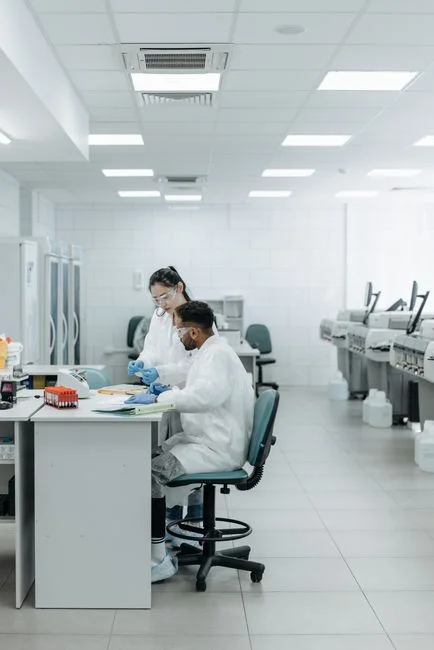
Digital compliance requirements in 2026 dictate that ETPs must be monitored and reported with high precision. Large ETPs in pharma, chemicals, food, and common cluster facilities are expected to install Online Continuous Effluent Monitoring Systems — pH, COD, BOD, and flow sensors streamed to the SPCB server in near real time (PPS, 2025). The table below maps each 2026 obligation to the equipment decision sitting behind it.
| 2026 Obligation | What Changes Operationally | Equipment / Spec Implication |
|---|---|---|
| RT-EM / OCEMS | Continuous pH, COD, BOD, flow upload to SPCB server | SCADA-export-ready PLC, redundant sensors, 4–20 mA or Modbus output |
| Geo-tagged sampling | Every sample carries GPS metadata; paper-only rejected | Mobile sampling apps with photo + chain-of-custody; NABL-accredited digital lab reports |
| QR-coded CTOs | Consents are digitally verifiable; forgery-resistant | Plant must archive verified digital copies, not laminated printouts |
| Form V | Annual return mandatory for every discharging unit | Calendar-driven filing; archive aligned with sampling master schedule |
| API integration (horizon) | Direct ETP log push to SPCB servers | Timestamped, cleaned, export-ready logs in standard formats |
For plants that also need to address microbiological compliance in reuse or discharge streams, a UV steriliser for water treatment slots in at the polishing outlet. Future-proofing requires plants to plan flow mapping and SCADA export formats so that a future API push does not require a re-architecture. For broader context on monitoring-driven ETP design, the hospital wastewater treatment system engineering specs and the industrial wastewater treatment Pattaya 2026 engineering specs walk through parallel monitoring architectures.
Practical Checklist to Stay Audit-Ready Through 2026
- Sync sampling, Form V filing, lab report archival, and equipment calibration on a single master calendar so nothing is missed (PPS, 2025).
- Maintain a per-event record: date and time, GPS tag, on-site sample photo, chain of custody, NABL accreditation, and SPCB portal upload reference.
- Run an independent ETP performance audit at least once a year — hidden bypass drains are the single most common root cause of unexplained COD failures, and a fresh eye catches them faster than internal review.
- Track local SPCB circulars monthly; ZLD and TDS tightening typically arrives through state circulars before CPCB updates the national schedule.
Frequently Asked Questions
What is the permissible pH range for industrial effluent discharge in 2026?
The CPCB baseline is pH 5.5 to 9.0 across inland surface water, public sewers, land for irrigation, and marine outfalls. Always check your CTO, because MPCB, TNPCB, KSPCB, and other state boards can impose tighter pH windows through consent conditions (PPS, 2025).
Is Form V filing mandatory for small units, or only for large ETPs?
Form V is required for every unit that discharges or treats effluent, irrespective of size, under the Environment Protection Rules. The annual submission window is fixed by the SPCB and missing it can trigger consent renewal complications (PPS, 2025).
What happens if my plant fails CPCB discharge limits during an audit?
Non-compliance can lead to show-cause notices, Water Act prosecution, refusal of Form V acceptance, and in serious cases operational shutdown until the ETP is upgraded. A textile unit in Gujarat was shut for 21 days after untreated high-COD discharge to a public sewer was flagged during inspection (PPS field data, 2025).
Can treated wastewater be reused for gardening or cooling tower makeup?
Yes, provided the treated effluent meets the reuse parameters specified in your CTO and the SPCB permits the end use. Toilet flushing, gardening, and cooling tower makeup are commonly approved reuse routes once BOD, COD, TSS, and microbiological indicators are inside the prescribed envelope (PPS, 2025).
Can an SPCB set limits stricter than CPCB's national standards?
Yes. State Pollution Control Boards can and do override CPCB baselines with stricter consent conditions, particularly on COD, colour, TDS, and sector-specific parameters. Tamil Nadu's textile COD and colour limits, for example, are tighter than the CPCB national schedule,