Pattaya’s industrial wastewater treatment landscape is governed by Thailand’s Pollution Control Department (PCD), which enforces discharge limits of ≤120 mg/L COD, ≤60 mg/L BOD, and ≤50 mg/L TSS for most industries (PCD Notification 2023). With municipal WWTPs operating at <50% user-charge collection (JICA 2024), decentralized systems like DAF (95% TSS removal) or MBR (99% pathogen reduction) are critical for compliance. CAPEX ranges from THB 5M for small DAF units to THB 50M for MBR systems, with OPEX driven by sludge disposal (THB 800–1,500/ton) and energy costs (0.8–1.2 kWh/m³ for MBR).
Pattaya’s Industrial Wastewater Challenge: Why Compliance Can’t Wait
PCD’s 2023–2026 enforcement campaign specifically targets industrial zones within Chonburi province, including Pattaya, where 47% of inspected facilities failed to meet TSS discharge limits (PCD Annual Report 2024). This aggressive stance underscores a critical need for industrial facilities to invest in robust and compliant food processing wastewater treatment strategies for Pattaya’s factories and other industrial sectors. Pattaya Municipality’s existing wastewater treatment plants (WWTPs) face operational challenges, including user-charge collection rates below 50% (JICA PDF), which limits their capacity to absorb additional industrial load or expand services. Consequently, industrial facilities are increasingly compelled to implement decentralized, on-site wastewater treatment systems to achieve compliance and avoid severe penalties, which can reach up to THB 1M per day.
Consider a food processing plant situated in Pattaya’s Eastern Seaboard industrial zone that was consistently discharging effluent with a Chemical Oxygen Demand (COD) exceeding 800 mg/L. By implementing a high-efficiency DAF system for Pattaya’s industrial wastewater, this facility successfully reduced its COD levels to below 90 mg/L. This proactive investment not only ensured compliance but also prevented an estimated THB 3.2M in annual penalties and significantly improved its environmental footprint. The region faces a unique environmental dilemma, often termed the ‘Pattaya Paradox,’ where rapid tourism-driven water demand coexists with increasing industrial pollution. An AIT (Asian Institute of Technology) study in 2025 revealed that groundwater contamination in 3 out of 5 tested zones within Pattaya exceeded WHO limits for key pollutants, highlighting the urgent need for effective industrial effluent treatment.
Thailand’s Wastewater Regulations: PCD Limits, Sampling Protocols, and Penalties
Thailand’s Pollution Control Department (PCD) Notification 2023 establishes legally binding discharge limits for industrial wastewater, with typical benchmarks set at ≤120 mg/L COD, ≤60 mg/L BOD, and ≤50 mg/L TSS for most industrial sectors operating in Pattaya. These limits are crucial for ensuring the quality of Pattaya industrial effluent treatment. For specific industries, such as electronics manufacturing, the TSS limit can be even stricter, often set at ≤50 mg/L to protect sensitive aquatic ecosystems. pH levels are mandated to remain between 5.5 and 9.0, while heavy metals like Chromium (Cr) and Lead (Pb) have distinct limits, typically ranging from ≤0.5 mg/L to ≤2.0 mg/L depending on the specific contaminant and industry.
Compliance verification involves stringent sampling protocols. For parameters like COD and BOD, facilities are required to collect 24-hour composite samples, providing a representative average of discharge quality over a full operational cycle (PCD Technical Guideline 2024). For instantaneous parameters such as pH and heavy metals, grab samples are typically sufficient. Failure to meet these standards carries significant legal repercussions under Thailand’s Enhancement and Conservation of National Environmental Quality Act 1992, with penalties ranging from THB 100,000 to THB 1,000,000 per day for a first offense. Repeat violations can lead to mandatory plant shutdowns, devastating operational continuity and reputation.
The Wastewater Management Authority (WMA) plays a pivotal role by issuing discharge permits for facilities generating more than 50 m³ per day of wastewater. Additionally, Pattaya Municipality enforces local bylaws, such as prohibiting the discharge of untreated industrial effluent into storm drains or public waterways. A significant upcoming mandate from the PCD (expected by 2025) will require industrial facilities to install continuous online monitoring systems for key parameters like TSS and COD, with data automatically reported to the PCD’s digital portal. This ‘self-monitoring’ requirement aims to enhance transparency and real-time enforcement of Thailand PCD wastewater standards.
| Parameter | PCD Discharge Limit (Most Industries) | PCD Discharge Limit (e.g., Electronics) | Sampling Protocol (PCD 2024) |
|---|---|---|---|
| COD | ≤120 mg/L | ≤120 mg/L | 24-hour Composite |
| BOD | ≤60 mg/L | ≤60 mg/L | 24-hour Composite |
| TSS | ≤50 mg/L | ≤50 mg/L | 24-hour Composite |
| pH | 5.5 – 9.0 | 5.5 – 9.0 | Grab Sample |
| Chromium (Total) | ≤0.75 mg/L | ≤0.5 mg/L | Grab Sample |
| Lead | ≤1.0 mg/L | ≤0.5 mg/L | Grab Sample |
Engineering Specs for Pattaya’s Top 3 Industrial Wastewater Systems
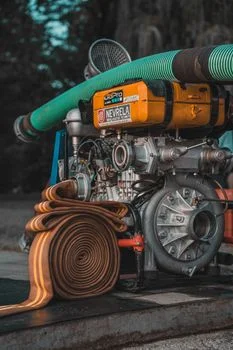
Industrial facilities in Pattaya primarily rely on three core wastewater treatment technologies—Dissolved Air Flotation (DAF), Membrane Bioreactors (MBR), and Chemical Dosing—each offering distinct engineering specifications and operational profiles tailored to specific effluent characteristics. Understanding these technical details is critical for effective wastewater treatment plant design Pattaya.
Dissolved Air Flotation (DAF) Systems: DAF technology is exceptionally effective for removing suspended solids, fats, oils, and grease (FOG) from industrial wastewater. High-efficiency DAF systems, such as HydropureWater’s, typically achieve 92–97% TSS removal and 60–80% FOG removal. These systems operate with a relatively short hydraulic retention time (HRT) of 20–40 minutes, making them compact and efficient. DAF is particularly well-suited for industries with high influent TSS (500–5,000 mg/L) and FOG loads, including food processing, pulp and paper, and metalworking facilities.
Membrane Bioreactor (MBR) Systems: MBR technology integrates biological treatment with membrane filtration, producing exceptionally high-quality effluent. An MBR system for near-reuse-quality effluent in Pattaya, like the HydropureWater DF series, can achieve 99% pathogen reduction and consistently produce effluent with COD levels below 50 mg/L. MBR systems offer a significant advantage in terms of footprint, requiring up to 60% less space compared to conventional activated sludge systems, which is crucial in land-constrained areas like Pattaya. They are ideal for industries demanding superior effluent quality for direct discharge or water reuse, such as electronics, pharmaceuticals, and textile manufacturing, typically handling influent COD in the range of 1,000–3,000 mg/L.
Chemical Dosing (Coagulation/Flocculation) Systems: Chemical dosing, often implemented using a PLC-controlled chemical dosing for pretreatment in Pattaya, involves adding coagulants and flocculants to destabilize suspended particles and promote their aggregation. This process can achieve 70–90% TSS removal and is frequently used as a pretreatment step before DAF or MBR systems. While effective, chemical dosing systems generate a higher volume of sludge, typically 0.5–1.5 kg per cubic meter of treated wastewater, which can significantly impact operational costs.
| Parameter | DAF System | MBR System (DF Series) | Chemical Dosing (Pretreatment) |
|---|---|---|---|
| Primary Application | TSS, FOG removal | COD, Pathogen removal, Water Reuse | TSS removal, Pretreatment |
| Typical Influent (TSS) | 500–5,000 mg/L | 50–200 mg/L (post-primary) | 100–1,000 mg/L |
| Typical Influent (COD) | 200–2,000 mg/L | 1,000–3,000 mg/L | 100–1,000 mg/L |
| TSS Removal Rate | 92–97% | >99% | 70–90% |
| COD Removal Rate | 60–80% | >95% (effluent <50 mg/L) | 20–50% |
| Pathogen Reduction | Minimal | >99% | Minimal |
| Hydraulic Retention Time | 20–40 minutes | 4–8 hours (biological) | 10–20 minutes (flocculation) |
| Energy Consumption | 0.3–0.5 kWh/m³ | 0.8–1.2 kWh/m³ | 0.1–0.2 kWh/m³ |
| Sludge Production | 0.2–0.4 kg/m³ | 0.1–0.3 kg/m³ | 0.5–1.5 kg/m³ |
Energy consumption varies significantly between systems: DAF units typically consume 0.3–0.5 kWh/m³, while MBR systems, due to aeration and membrane filtration, range from 0.8–1.2 kWh/m³. Chemical dosing systems have the lowest energy footprint at 0.1–0.2 kWh/m³. Sludge production is a critical factor influencing OPEX; DAF systems generate 0.2–0.4 kg/m³, MBR systems 0.1–0.3 kg/m³, but chemical dosing can produce 0.5–1.5 kg/m³. With Pattaya landfill rates for sludge disposal ranging from THB 800–1,500 per ton (Pattaya landfill rates 2026), minimizing sludge volume is a key operational goal.
Cost Breakdown: CAPEX, OPEX, and ROI for Pattaya’s Industrial WWTPs
The total cost of ownership for an industrial wastewater treatment plant in Pattaya encompasses significant Capital Expenditure (CAPEX) for equipment and installation, alongside ongoing Operational Expenditure (OPEX) primarily driven by energy, chemicals, and sludge disposal, all of which directly impact Return on Investment (ROI). For facilities evaluating industrial WWTP CAPEX Thailand, understanding these figures is paramount.
Capital Expenditure (CAPEX):
- DAF Systems: For capacities ranging from 10 to 100 m³/h, CAPEX typically falls between THB 5M and THB 15M.
- MBR Systems: Given their advanced technology and compact footprint, MBR systems for 50–200 m³/h capacity command a higher CAPEX, generally from THB 20M to THB 50M.
- Chemical Dosing Systems: As standalone or pretreatment units for 5–50 m³/h, these systems are more cost-effective, with CAPEX ranging from THB 2M to THB 8M.
Operational Expenditure (OPEX) Drivers:
- Energy: A major OPEX component. DAF systems typically incur THB 0.8–1.2/m³ for energy, while MBR systems, with higher aeration and pumping requirements, range from THB 2–3/m³. Chemical dosing systems are lowest at THB 0.1–0.2/m³.
- Chemicals: Essential for coagulation, flocculation, and pH adjustment. Costs typically range from THB 0.5–1.5/m³, significantly higher for chemical dosing-heavy processes.
- Sludge Disposal: This is a substantial and often underestimated cost. With sludge disposal costs Thailand at THB 800–1,500/ton (Pattaya landfill rates 2026), systems that generate less sludge (like MBR) offer long-term savings.
| Cost Category | DAF System (e.g., 50 m³/h) | MBR System (e.g., 100 m³/h) | Chemical Dosing (e.g., 20 m³/h) |
|---|---|---|---|
| CAPEX (Initial Investment) | THB 8M–12M | THB 30M–45M | THB 3M–6M |
| Energy Cost (per m³) | THB 0.8–1.2 | THB 2.0–3.0 | THB 0.1–0.2 |
| Chemical Cost (per m³) | THB 0.3–0.8 | THB 0.2–0.5 | THB 1.0–2.0 |
| Sludge Disposal Cost (per m³) | THB 0.16–0.6 (based on 0.2-0.4 kg/m³) | THB 0.08–0.45 (based on 0.1-0.3 kg/m³) | THB 0.4–2.25 (based on 0.5-1.5 kg/m³) |
| Maintenance (Annual) | THB 20K–50K (skimmers, pumps) | THB 50K–100K (membrane cleaning) | THB 10K–30K (pump calibration) |
| Total OPEX (per m³) | THB 1.26–2.6 | THB 2.28–3.95 | THB 1.5–4.45 |
Return on Investment (ROI): Investing in a compliant WWTP often yields a rapid ROI through avoided penalties and potential water reuse savings. For example, a 50 m³/h DAF system installed at a food processing plant could see a payback period of approximately 2.5 years. This ROI is driven by avoiding an estimated THB 1.2M in annual penalties and realizing THB 0.5M in annual savings from treated water reuse for non-potable applications. Beyond direct costs, facilities must account for the ‘hidden cost’ of compliance, including the CAPEX for PCD-mandated online monitoring systems (THB 1M–3M) and recurring costs for third-party environmental audits (THB 200K–500K per year). For more strategies on reducing operational costs, refer to 12 proven ways to cut OPEX for Pattaya’s industrial WWTPs.
How to Select the Right System for Your Pattaya Facility: A Decision Framework
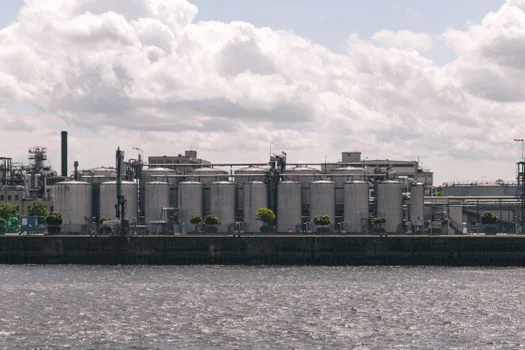
Selecting the optimal industrial wastewater treatment system for a facility in Pattaya requires a structured, multi-criteria decision framework that considers influent characteristics, regulatory compliance targets, site-specific constraints, and long-term operational economics. This framework provides essential equipment selection guidance.
Step 1: Characterize Your Wastewater Thoroughly. Begin by conducting a comprehensive analysis of your industrial effluent. This includes measuring key parameters such as Chemical Oxygen Demand (COD), Biological Oxygen Demand (BOD), Total Suspended Solids (TSS), Fats, Oils, and Grease (FOG), pH, and any specific heavy metals or other pollutants relevant to your industry. For instance, electronics manufacturing plants typically produce wastewater with high COD (1,000–3,000 mg/L) but relatively low TSS (50–200 mg/L), often requiring advanced biological treatment. Conversely, food processing facilities will exhibit high TSS and FOG concentrations.
Step 2: Match Influent Characteristics to System Strengths. Once your wastewater is characterized, align its profile with the inherent capabilities of different treatment technologies.
- For high TSS and FOG loads, prevalent in industries like food processing, a high-efficiency DAF system for Pattaya’s industrial wastewater is typically the most effective primary treatment.
- For high COD, stringent pathogen removal, or water reuse goals, common in electronics or pharmaceutical industries, an MBR system for near-reuse-quality effluent in Pattaya is often the preferred choice.
- If your facility requires significant TSS reduction as a preliminary step, or needs pH neutralization, a PLC-controlled chemical dosing for pretreatment in Pattaya can serve as an effective standalone or integrated pretreatment solution.
Step 3: Assess Footprint Constraints. Pattaya’s industrial zones often have high land costs and limited available space. Consider the physical footprint of each system. MBR systems, for example, are known for their compact design, requiring up to 60% less space than conventional biological treatment systems, making them an advantageous option where land availability is a critical factor.
Step 4: Calculate OPEX Sensitivity and Sludge Management. Evaluate the long-term operational costs, particularly focusing on energy consumption, chemical usage, and sludge disposal. Facilities located in areas with high sludge disposal costs (e.g., remote industrial estates) should carefully consider technologies that minimize sludge production, potentially avoiding systems heavily reliant on chemical dosing, which typically produce 3–5 times more sludge than DAF or MBR.
Step 5: Plan for Scalability and Future Expansion. Anticipate future growth or changes in production capacity. Opt for modular systems that can be easily expanded. For instance, some DAF systems, like HydropureWater’s, are designed for modular capacity expansion, allowing facilities to increase treatment volume in increments (e.g., 10 m³/h) without overhauling the entire system. This flexibility can save significant CAPEX in the long run.
Frequently Asked Questions
Industrial facility managers and environmental engineers in Pattaya frequently encounter specific technical and financial challenges regarding wastewater treatment compliance and operational efficiency, necessitating clear, data-backed answers.
What are the PCD discharge limits for industrial wastewater in Pattaya?
The primary discharge limits for most industrial wastewater in Pattaya, as per PCD Notification 2023, are: COD ≤120 mg/L, BOD ≤60 mg/L, TSS ≤50 mg/L, and pH 5.5–9.0. Specific heavy metals (e.g., Chromium, Lead) have separate limits, typically ranging from ≤0.5 mg/L to ≤2.0 mg/L depending on the pollutant.
How much does a 50 m³/h DAF system cost in Pattaya?
A 50 m³/h DAF system typically has a Capital Expenditure (CAPEX) between THB 8M–12M, including equipment and installation. Operational Expenditure (OPEX) is generally THB 1.5–2.5/m³, covering energy, chemicals, and sludge disposal. The payback period for such an investment, driven by avoided penalties and potential water reuse, is often 2–3 years.
Can MBR systems handle high-salinity wastewater from electronics plants?
Yes, MBR systems using robust PVDF membranes, like the HydropureWater DF series, can handle moderately high-salinity wastewater. However, for salinities exceeding 5,000 mg/L, pretreatment such as Reverse Osmosis (RO) may be required to protect membrane integrity and performance. High salinity can also increase energy consumption for the MBR system by 20–30% due to increased osmotic pressure.
What’s the biggest mistake Pattaya factories make with wastewater treatment?
The most common and costly mistake is underestimating sludge disposal costs, which in Pattaya typically range from THB 800–1,500 per ton. Systems heavily reliant on chemical dosing can produce 3–5 times more sludge than DAF or MBR systems, leading to significantly higher and often unforeseen long-term OPEX.
How can I reduce my WWTP’s energy consumption?
Several strategies can reduce energy consumption:
- Implement variable-frequency drives (VFDs) for pumps and blowers, which can yield 20–40% energy savings.
- Optimize aeration in MBR systems by using dissolved oxygen (DO) sensors and automated control, targeting 0.8–1.0 kWh/m³.
- Where applicable, explore heat recovery from sludge digesters or other high-temperature processes to preheat incoming wastewater or generate power.
Further Reading
Explore these in-depth articles on related wastewater treatment topics: