
What Counts as Domestic Sewage in Pune — and Why It Needs Treatment
Domestic sewage in Pune is the combined black-water (toilet flushes) and grey-water (kitchen, bathing, laundry) discharged from residential societies, schools, hotels, and small commercial complexes — not industrial effluent, which falls under a separate MPCB category and a far tighter consent regime. Per the CPHEEO norm adopted by MPCB for design purposes, Pune households generate 100–200 litres per capita per day (lpcd), so a 200-flat society at ~5 persons per flat produces roughly 60–100 KLD of sewage that must be handled on-site or pumped to a PMC sewer. The river-quality driver is real: GreenSew's May 2026 Pune guide cites the Mula, Mutha, and Pavana river stretches as the environmental pressure behind MPCB's push for decentralised sewage treatment across new layouts and redevelopments. PMC's sewerage network still does not cover every layout, so for many new Pune projects — particularly in Hinjawadi, Bavdhan, Wagholi, and the outer PMC fringe — on-site STPs are mandatory rather than optional.
Influent Characteristics and MPCB Discharge Limits You Must Hit
A Pune STP design basis should assume raw sewage in the ranges below; these are the working numbers the CPHEEO manual and MPCB consent templates use, and they sit comfortably inside the biological envelope of every technology discussed later. Exact effluent limits then depend on whether the plant discharges to PMC sewer, to land, or to a reuse application — each carries a different MPCB bar.
| Parameter | Typical Pune domestic influent | MPCB general discharge limit (sewer/land) | Reuse target (flushing / gardening) |
|---|---|---|---|
| COD (mg/L) | 250–500 | < 250 (sewer) / < 100 (land) | < 50 for cooling; < 100 for gardening |
| BOD (mg/L) | 150–300 | < 30 (sewer) / < 10 (land) | < 10 |
| TSS (mg/L) | 150–400 | < 100 (sewer) / < 30 (land) | < 10 with filtration |
| pH | 6.5–8.0 | 5.5–9.0 | 6.5–8.5 |
| Fecal coliform (MPN/100 mL) | 10⁶–10⁷ | < 1000 | Detectable, ideally < 200 (per IS 14543 for restricted reuse) |
| Oil & grease (mg/L) | 10–30 | < 10 | < 5 |
MPCB recognises three reuse buckets — gardening and toilet flushing, vehicle washing, and construction activity — each with a progressively tighter quality bar (GreenSew, 2026). The parameter that drives the disinfection line is fecal coliform, not BOD: a plant can hit BOD < 10 mg/L and still fail consent if coliform is unaddressed. A 250–500 mg/L COD feed is squarely inside the comfort zone of MBBR, SBR, and MBR — none of these projects need advanced oxidation or activated carbon polishing, which keeps CAPEX in the band the next section quantifies.
The Three Stages of a Modern Pune Sewage Treatment Plant
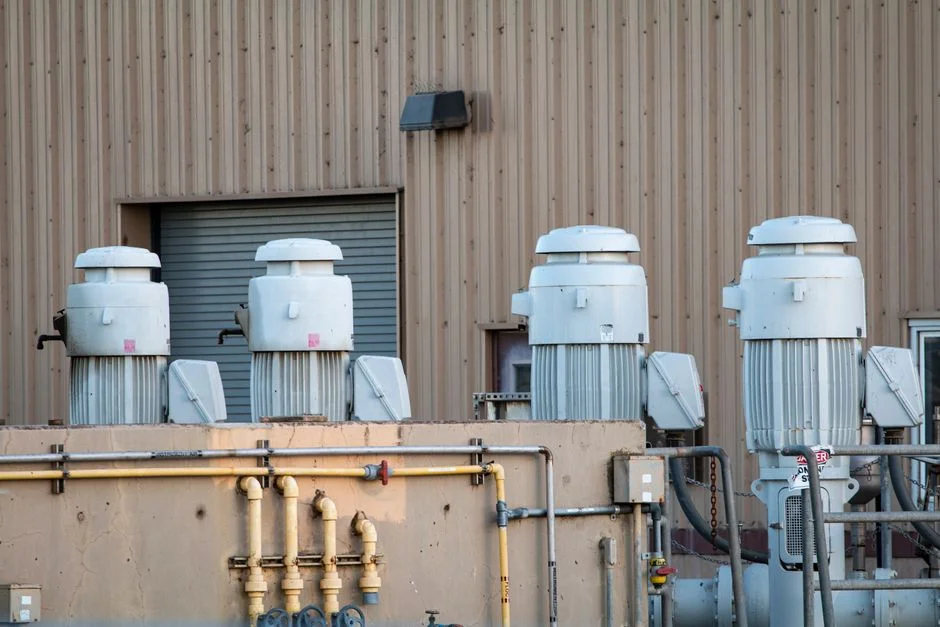
Every vendor proposal in Pune — regardless of brand or technology — covers the same three unit-operation blocks. Comparing them apples-to-apples means checking that each block is present and correctly sized. Stage one is primary treatment: a HydropureWater GX rotary mechanical bar screen at headworks removes rags, plastics, and solids above 5 mm, followed by a grit chamber that strips sand and silt before the sewage hits the biological tanks. Skipping this stage is the single most common cause of diffuser clogging and pump wear in Pune STPs (HydropureWater field data, 2026). Stage two is biological oxidation — the actual cost and footprint decision — typically an anoxic-oxic (A/O) configuration, SBR, MBBR, or MBR, which removes dissolved organics and nitrifies ammonia. Stage three is tertiary: multimedia filtration, activated carbon polishing where reuse is intended, and disinfection via chlorination or UV; a UV dose of 30–40 mJ/cm² reliably hits the < 1000 MPN/100 mL fecal coliform ceiling. Sludge handling is the fourth, often-quiet line: thickening plus a HydropureWater plate and frame filter press reduces the solids to a dry cake of 25–35% DS, with the wet volume equating to roughly 1–2% of inflow — so a 100 KLD society will deal with ~1–2 m³ of wet sludge per day that ultimately becomes a landfill or co-composting load.
SBR vs MBBR vs MBR vs Buried WSZ: Which Fits Your Pune Site
Matching technology to your actual constraint — space, reuse demand, operator availability, and budget — is the decision that most Pune vendor pitches obscure behind marketing language. The table below puts all four options on the same axes; the MBR and WSZ columns match the published specs for the HydropureWater MBR membrane bioreactor system and the HydropureWater WSZ underground package sewage treatment plant.
| Criterion | SBR | MBBR | MBR | WSZ buried package |
|---|---|---|---|---|
| Footprint (per 100 KLD) | ~200 m² | ~150 m² | ~60 m² (60% smaller than CAS) | Buried — only the lid is visible, lawn above |
| Operator skill | Moderate (timers, decanting) | Low | Moderate (membrane CIP) | Zero — fully automated |
| Typical effluent BOD/TSS | < 20 / < 30 mg/L | < 20 / < 30 mg/L | < 5 / < 5 mg/L | < 20 / < 30 mg/L |
| Reuse-ready? | Flushing / gardening | Flushing / gardening | Yes, near-potable polish possible | Flushing / gardening |
| CAPEX band (₹/KLD, 2026) | 10,000–14,000 | 8,000–12,000 | 16,000–25,000 | 9,000–13,000 |
| OPEX band (₹/KLD-yr, 2026) | 2,500–3,500 | 2,000–3,000 | 4,000–6,000 (membrane replacement) | 1,500–2,500 (no operator) |
| Ideal Pune site | 50–500 KLD societies with intermittent flow | Default for cost-driven Pune projects | Hotels, hospitals, IT parks with reuse contracts | Gated communities with no space and no staff |
SBR is batch-fed and runs in a single tank with timed fill, react, settle, and decant phases — space-efficient and tolerant of intermittent flow from a society that shuts down its lifts overnight. MBBR uses free-floating plastic media with biofilm growth; it has the lowest moving-part count, the lowest CAPEX per KLD, and is the default choice for most Pune residential work where reuse quality only needs to hit flushing. MBR takes a submerged PVDF membrane (< 1 μm) downstream of biology, delivering near-reuse effluent and a 60% smaller footprint than conventional activated sludge — but the premium only pays back when you have a contracted reuse off-taker (cooling-tower make-up, hotel laundry, or IT-park flush) paying for the saved freshwater. The WSZ buried package combines A/O contact oxidation, sedimentation, and disinfection in a single buried skid rated 1–80 m³/h, installs below a lawn, and runs without a dedicated operator — the option for a Pune society that has neither the basement space nor a willing staff committee, and which none of the top-three vendor guides mention.
Domestic STP Cost in Pune for 2026: CAPEX, OPEX and Per-KLD Numbers
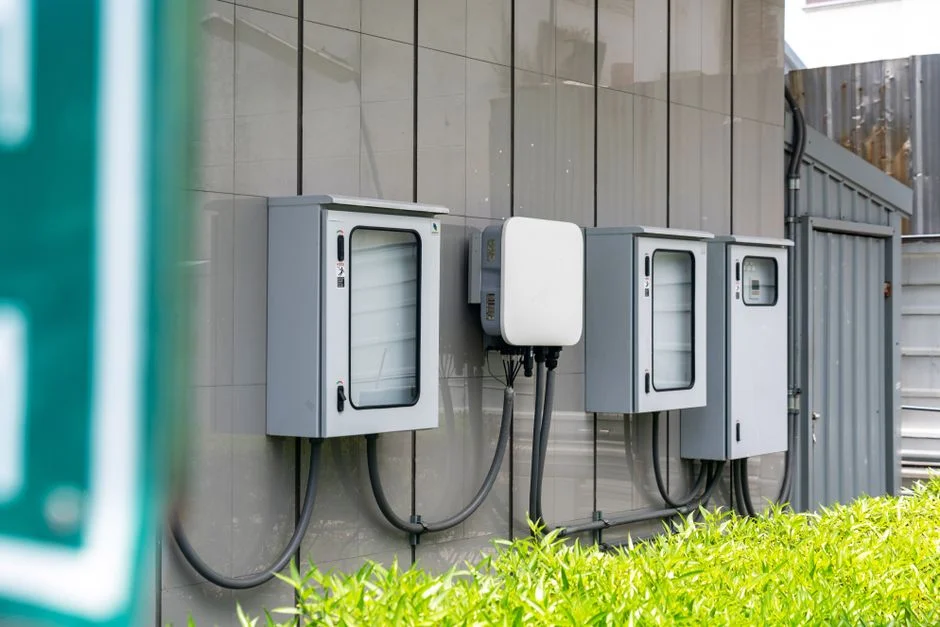
Vendor quotes in Pune are typically quoted per project, which makes them hard to benchmark. Working per KLD normalises the comparison: a 50 KLD system and a 500 KLD system should be evaluated on the same ₹/KLD axis. GreenSew's May 2026 Pune guide anchors the small-system band at ₹5–10 lakh for ≤ 50 KLD, and FHC Aquatech's publicly listed indicative piece prices sit at roughly ₹7.6 lakh for a packaged DWWTP and ₹22 lakh for a small ETP (source: fhcaquatech.in, accessed 2026) — useful as a sanity check, though per-KLD figures are more honest for comparison.
| Cost component | Range (2026, Pune) | Basis / note |
|---|---|---|
| CAPEX — biological STP (SBR/MBBR) | ₹8,000–15,000 per KLD | Concrete tanks + equipment + E&I |
| CAPEX — MBR add-on | + ₹6,000–10,000 per KLD | Membrane modules, CIP skid, blower upgrade |
| CAPEX — WSZ buried package | ₹9,000–13,000 per KLD | Single skid, civil work is just excavation |
| OPEX — power | 0.5–1.0 kWh per m³ treated | ~₹6–10 per m³ at Pune industrial tariff |
| OPEX — operator | ₹15,000–25,000 / month per shift | Eliminated for WSZ; part-time for MBBR/SBR < 100 KLD |
| OPEX — AMC | 5–8% of CAPEX per year | Includes consumables, membranes, lab tests |
| Payback on reuse | 5–8 years simple payback | 100 KLD society displacing ~30 KLD freshwater at ₹20–30 /kL |
The big variable in OPEX is membrane replacement for MBR: PVDF modules typically last 5–8 years and cost roughly ₹3,000–5,000 per KLD at replacement, which is why MBR only wins on lifecycle when reuse revenue is real. A 100 KLD Pune society that reuses 30 KLD per day for flushing and gardening at a freshwater displacement cost of ₹20–30 per kL recovers ₹2.2–3.3 lakh per year, supporting the 5–8 year simple payback band above (HydropureWater field data, 2026).
MPCB Compliance: CTE, CTO and the Consent Timeline
MPCB consent is a two-stage gate, not a single approval, and running a plant without a valid Consent to Operate is the most common cause of stop-work notices on Pune sites (GreenSew, 2026). The correct sequence is:
- Site assessment & design basis — influent characterisation, KLD sizing, and discharge mode (sewer / land / reuse) confirmed with the PMC sewerage map.
- Design by an MPCB-empanelled consultant — process flow, P&ID, civil GA, and hydraulics; a list of empanelled consultants is published on the MPCB website.
- Consent to Establish (CTE) — applied before construction; covers site, design, and discharge mode. Validity is typically 1 year for construction.
- Construction & trial run — typically 8–16 weeks for a packaged STP, longer for MBR or in-situ concrete tanks.
- Consent to Operate (CTO) — applied after successful trial run, valid 5 years for 17-category industries; for residential/commercial STPs MPCB often issues CTO for 5 years renewable. CTO is the document that legally authorises operation.
- Annual self-monitoring & stack/ effluent reports — uploaded to MPCB's XGN portal; covers the parameters in the table above.
Categories that must install an STP under MPCB rules include apartments, commercial complexes, IT parks, hospitals, hotels, and industries (GreenSew, 2026). The consent form and the limits change with the discharge mode: discharge-to-PMC-sewer, discharge-to-land, and reuse each use a different schedule, and picking the wrong one is a frequent error that delays CTO by 60–90 days.
Selecting a Domestic STP Supplier in Pune: A 7-Point Checklist
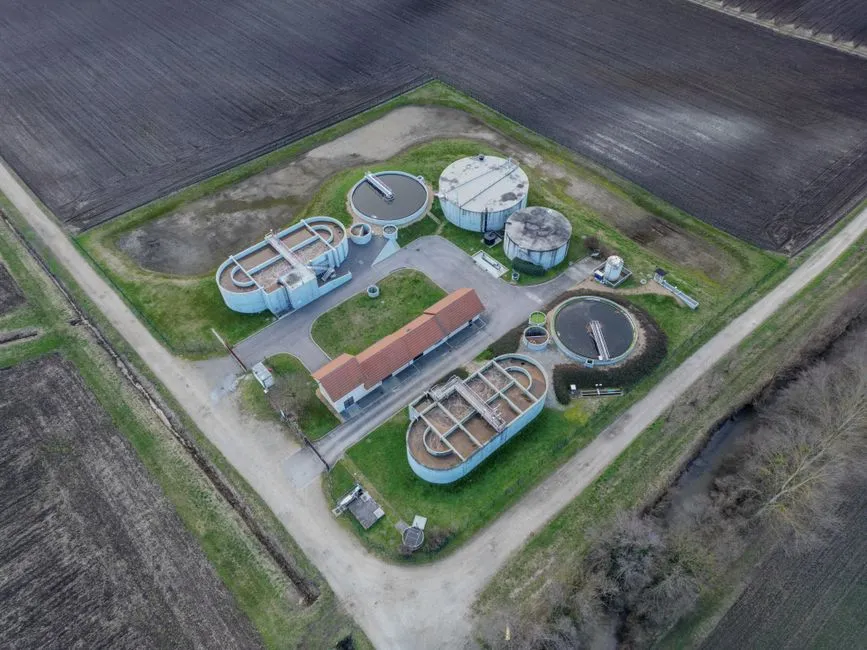
Most Pune STP purchases fail at vendor evaluation, not at technology selection. Score every bidder on the same seven items, in writing, before commercial discussion: (1) in-house design capability versus subcontracted engineering — check if their process engineer is on payroll; (2) MPCB track record and reference sites of similar KLD within PMC limits, with a site visit before signing; (3) AMC response time in writing, typically committed at 24–48 hours within Pune; (4) automation level, specifically whether the PLC/SCADA can be remotely viewed on a phone, and whether the WSZ truly runs operator-less; (5) per-KLD price normalised to a 100 KLD basis, not per-project lumps; (6) effluent guarantee backed by a performance bond covering the first 12 months; and (7) reuse water offtake — if no one is paying for the saved freshwater, do not over-spec MBR. A Pune supplier should also be willing to share a third-party effluent test report from an MPCB-recognised NABL lab, not just a self-declared number. For broader equipment selection logic that applies to a wider water-treatment scope, the industrial water treatment system comparison guide walks through the same decision framework at a larger scale.
Frequently Asked Questions
How much sewage does a Pune resident generate per day?
Pune households generate 100–200 litres per capita per day (lpcd) per the CPHEEO design norm adopted by MPCB, so a 200-flat society of ~1,000 residents produces roughly 60–100 KLD of domestic sewage that must be treated or sent to the PMC sewer.
What is the smallest STP capacity that makes economic sense for a Pune building?
Packaged plants start at 5–10 KLD with a CAPEX band of ₹5–10 lakh for the unit (GreenSew, 2026); below ~20 KLD the per-KLD cost rises sharply and AMC economics weaken, so most Pune retrofits consolidate a 20–50 KLD minimum.
What quality does MPCB require for reused STP water for flushing and gardening?
For toilet flushing and landscaping reuse, MPCB expects BOD < 10 mg/L, TSS < 10 mg/L, and fecal coliform detectable but preferably < 200 MPN/100 mL per IS 14543, with chlorination or UV disinfection on the polishing line to hit the coliform ceiling.
How much does an MPCB Consent to Establish and Consent to Operate cost in 2026?
MPCB consent fees for domestic STPs are nominal — typically a few thousand rupees plus a 17-category industry consent fee indexed to capital investment — but the consultant fee for preparing the design basis and the CTE/CTO applications usually runs ₹50,000–₹1.5 lakh depending on plant size, with the CTO renewal every 5 years.
Is a mobile or trailer-mounted STP feasible for a short-term Pune site?
Yes — the WSZ platform supports trailer mounting for 1–80 m³/h flows (HydropureWater product data, 2026), making it viable for construction-camp STPs, festival sites, and short-tenure commercial projects where a permanent civil build is not justified. For a deeper look at disinfection options that pair with mobile reuse, the ozone disinfection pros and cons guide covers the trade-offs against chlorination and UV.