
Why Small-Community Wastewater in Romania Is a 2026 Compliance Deadline
A small community wastewater system in Romania in 2026 must meet the recast Urban Wastewater Treatment Directive (EU) 2024/3019 and Regulation (EU) 2020/741 on water reuse, while supporting Romania's SNDDR 2030 target of 90% sewerage connection. With approximately 25.2% of national wastewater still discharged untreated in 2024, 4.2 million people without piped water, and regional coverage ranging from 40.1% (Nord-Est) to 93.2% (București-Ilfov), the practical default is a packaged MBR or WSZ A/O plant of 10–2,000 m³/day bundled into a regional operator (ApaVital, HidroPrahova), sized at 150–200 L/person·day and delivering 93–99% removal of BOD, COD, total nitrogen and phosphorus.
Recast EU 2024/3019 tightens the envelope for every agglomeration above 1,000 PE: mandatory tertiary treatment, stricter nitrogen and phosphorus limits, and energy-neutrality requirements that take effect progressively through 2030. Implementation deadlines turn a 2026 procurement decision into a binding compliance obligation for communes that have not yet financed collection networks. Romania treats approximately 3.99 million m³ of wastewater per day across 1,849 urban settlements, but roughly 25.2% of the national volume was still discharged untreated in 2024, prompting the European Commission to refer Romania to the Court of Justice of the European Union for non-compliance with urban wastewater treatment obligations (S5).
The service gap amplifies the regulatory pressure. Around 4.2 million people in Romania remain without access to piped potable water, 7.4 million (40%) lack basic sanitary facilities, and 43% of households (6% urban, 85% rural) are unconnected to sewerage (S5). The National Strategy for Sustainable Development of Romania 2030 (SNDDR 2030) sets a national benchmark of at least 90% connection to drinking-water and sewerage networks by 2030. Hydrological stress compounds the deadline: Romania's WEI+ reached 27.8% in 2023, above the 20% water-stress threshold defined for the indicator, meaning every cubic metre of treated effluent is a strategic resource rather than a disposal liability (S5).
| Indicator | Romania 2023–2024 | EU/Policy Benchmark |
|---|---|---|
| Daily wastewater treated | ~3.99 Mm³/day across 1,849 urban settlements | EU 2024/3019 compliance |
| Untreated wastewater (2024) | ~25.2% of total volume | 0% target under 2024/3019 |
| People without piped water | ~4.2 million | SNDDR 2030: 90% connection |
| People without basic sanitation | ~7.4 million (40%) | SNDDR 2030: 90% connection |
| Households unconnected to sewerage | 43% overall; 6% urban, 85% rural (2021) | SNDDR 2030: 90% connection |
| Regional WWTP coverage | 40.1% (Nord-Est) – 93.2% (București-Ilfov) | Convergence target |
| WEI+ (2023) | 27.8% | 20% water-stress threshold |
Romanian Influent and Site Conditions That Drive Equipment Sizing
Sizing a packaged plant starts with the design flow assumption. Romanian small communities are typically designed at 150–200 L/person·day, consistent with the EU design defaults used for agglomerations below 2,000 PE. At 1,000 PE, that translates into 150–200 m³/day of average dry-weather flow and 375–600 m³/day at a peak factor of 2.5–3× DWF once infiltration/inflow is accounted for.
Typical small-community influent in Romania falls within European small-community ranges: BOD₅ of 200–350 mg/L, COD of 400–600 mg/L, TSS of 250–400 mg/L, NH₄-N of 30–60 mg/L, and total phosphorus of 5–12 mg/L. These concentrations reflect a mix of domestic wastewater and light commercial or agro-food discharges, consistent with a national water demand mix of 60.3% industry, 22.8% agriculture and 16.9% domestic use (S5). For sizing purposes the engineer should treat these as a domestic-plus envelope and verify with site-specific sampling whenever the commune hosts a dairy, slaughterhouse, or fruit-processing cooperative.
Seasonal and hydrological factors shift the operating envelope. Romania draws approximately 90% of its natural water resources from surface water and sits almost entirely (~97%) inside the Danube River Basin (S5), so hydrological drought episodes can compress dilution capacity at receiving waters and tighten effluent limits. Infiltration/inflow in ageing networks can push peak factors to 2.5–3× DWF, and channel monitoring has recorded wastewater temperatures in the 16–26 °C range — well within the mesophilic window for nitrification but warm enough that denitrification kinetics in A/O and MBR basins need to be sized for winter minima, not summer averages (S2). A design that uses 12 °C as the winter floor for MBR and WSZ A/O nitrification is a defensible Romanian baseline.
Process Options for a Small Community: MBR, WSZ A/O, Constructed Wetland, UF-Assisted Hybrid
Four process trains cover the practical envelope for a Romanian commune under 10,000 PE. Each option is benchmarked against the 2024/3019 effluent envelope and the 93–99% removal performance band documented for low-impact technologies in rural settings (S5).
MBR (PVDF submerged, 0.1 µm) — a HydropureWater MBR membrane bioreactor wastewater treatment system delivers near-reuse effluent at <1 NTU turbidity, occupies roughly 60% less land than conventional activated sludge, and tolerates the tourism-season peak loads common in Prahova, Brașov and the Danube Delta communes. It is the option of choice where the receiving water is a sensitive tributary, where a small footprint matters, or where the regional operator wants reuse-quality polishing at the head of a 2020/741 train.
WSZ underground A/O package plant — a WSZ underground integrated sewage treatment plant consolidates A/O contact oxidation, sedimentation and disinfection in a single buried unit covering 1–80 m³/h, fully automated and designed for unattended operation. It is the right answer where landscaping rules out open basins, where the local council cannot guarantee a full-time operator, and where the plant must be invisible in a peri-urban setting.
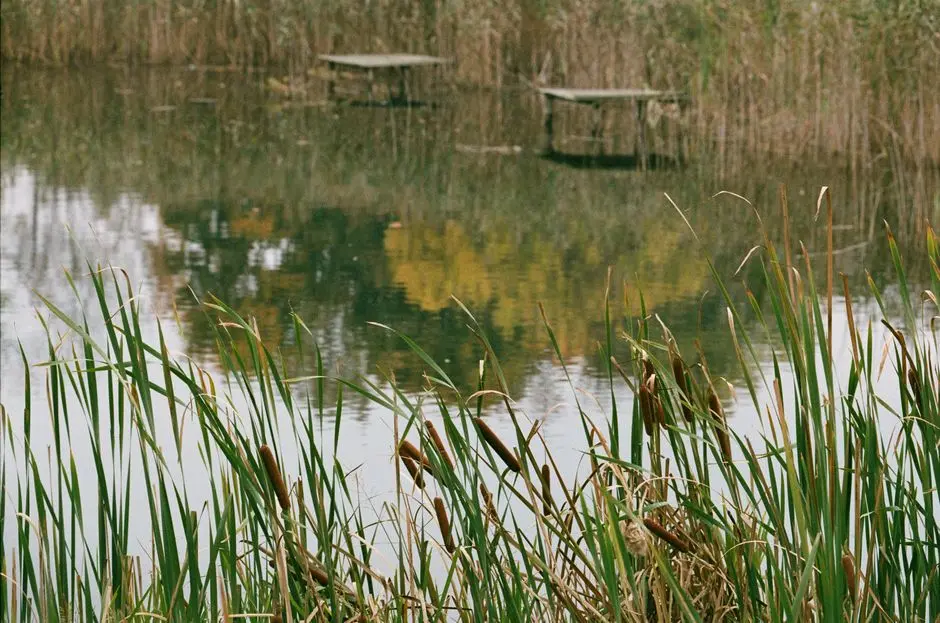
Constructed wetland (VF / VF-HF hybrid) — low-energy, low-CAPEX, with documented carbon-sequestration benefits (S1, S4). Performance varies seasonally, and footprint sits near 10 m²/PE, which lands at roughly 1 ha for 1,000 PE — viable in Botoșani, Vaslui or Buzău where land is affordable, problematic in Iași or Prahova peri-urban communes where hectare prices can dominate CAPEX.
UF-assisted hybrid — a UF water treatment system with 0.03 µm PVDF membranes acts as a polishing step or as a replacement for weak primary clarification. It tolerates up to 300 ppm feed turbidity, runs automatic backwash and air scour, and is the bridge when existing settling underperforms and effluent TSS limits tighten under 2024/3019.
| Process | BOD₅ / COD / Ntot / Ptot Removal | Footprint @ 1,000 PE | Operator Demand | Best Fit in Romania |
|---|---|---|---|---|
| MBR (PVDF, 0.1 µm) | 97% / 96% / 97% / 98% | 25–40 m² | Skilled, SCADA | Tight sites, reuse polish, tourism peaks |
| WSZ A/O underground | 95% / 93% / 85–90% / 90–95% | <20 m² above grade | Automated, low touch | Peri-urban, no on-site operator |
| Constructed wetland (VF/HF) | 93–97% / 94–98% / 80–90% seasonal / 70–85% | ~10 m²/PE (~1 ha) | Vegetation mgmt. | Land-available rural, low-energy priority |
| UF-assisted hybrid | Effluent TSS <1 mg/L; complements upstream | Adds 5–10 m² | Low, automatic BW | Existing WWTP upgrade, tight TSS limit |
Romanian site context reinforces the choice. Because ~97% of the country lies in the Danube River Basin, any plant discharging to a tributary must protect downstream ecological status — only ~40.1% of Romanian river water bodies are currently in high or good status, and 52.2% sit at moderate status (S5). A technology that misses the tertiary envelope is a permit risk from day one.
Sizing, Footprint, Power and CAPEX per 1,000 Population Equivalent
The procurement-ready numbers for a 1,000 PE commune at 150–200 L/PE·day:
- Average flow: 150–200 m³/day; peak flow at 2.5–3× DWF: 375–600 m³/day.
- MBR footprint: 25–40 m² (vs ~80 m² for conventional activated sludge); specific power 0.4–0.6 kWh/m³ — a HydropureWater MBR membrane bioreactor wastewater treatment system sized to 1,000 PE fits inside a 40 m² equipment pad.
- WSZ A/O package footprint: <20 m² above grade (the rest is buried); specific power 0.3–0.5 kWh/m³; product range covers 1–80 m³/h, so a WSZ underground integrated sewage treatment plant at 1,000 PE is a single skid with disinfection integrated.
- Constructed wetland footprint: ~10 m²/PE for VF/VF-HF hybrid → ~1 ha at 1,000 PE; near-zero operational power; OPEX driven by vegetation management.
- CAPEX band: package MBR or WSZ for 1,000 PE sits in the €300,000–€700,000 range depending on influent envelope, disinfection train and sludge-handling scope. This aligns with the EIB's ~€2,000/person modernization benchmark for total water-and-sanitation infrastructure per capita (S3).
- OPEX drivers: sludge hauling, energy at Romanian industrial tariffs, and chemical dosing for P-precipitation. A plate-and-frame filter press cuts sludge volume and hauling frequency, typically the largest controllable OPEX line for a small package plant.
| Parameter | MBR (PVDF) | WSZ A/O Underground | Constructed Wetland |
|---|---|---|---|
| Flow @ 1,000 PE (avg / peak) | 150–200 / 375–600 m³/day | 150–200 / 375–600 m³/day | 150–200 / 375–600 m³/day |
| Footprint | 25–40 m² | <20 m² above grade | ~10 m²/PE (~1 ha) |
| Specific power | 0.4–0.6 kWh/m³ | 0.3–0.5 kWh/m³ | ~0.05 kWh/m³ (pumping) |
| CAPEX band (1,000 PE) | €350,000–€700,000 | €300,000–€600,000 | €200,000–€450,000 ex-land |
| Operator demand | Skilled, SCADA | Automated, low touch | Seasonal vegetation |
| Effluent envelope | Reuse-ready (<1 NTU) | Discharge-compliant | Discharge, seasonal |
For project-defence purposes, an EIB-aligned per-capita figure is the right framing: total modernization cost of ~€2,000/person includes collection, treatment, and SCADA. The equipment line item for a package plant is the smaller share; the larger share is the sewerage extension needed to hit the SNDDR 2030 connection target.
Regionalization: Why EIB-Backed Operators (ApaVital, HidroPrahova) Set the Delivery Model
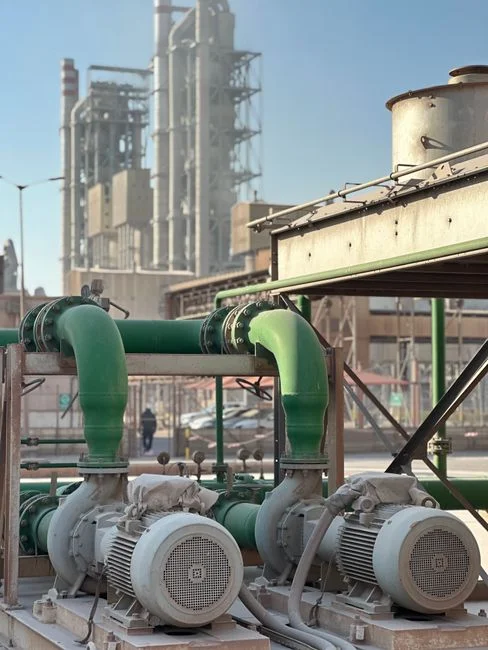
Equipment selection in Romania happens inside a regional-operator envelope. Since 2007, EIB advisory has helped mobilize more than €13 billion in regional water and sanitation investment programs in Romania (S3). Two models dominate the 2026 procurement landscape.
The Prahova model bundles small municipalities under a single regional tariff base. HidroPrahova is executing an investment program above €700 million, the largest of its kind in the country, modernizing ageing infrastructure, expanding networks and consolidating small operators into a single regional utility. Director Andrei Bontic has framed the operational challenge as securing financing and starting deployment under tight timelines (S3).
The Iași/ApaVital model adds a sanitation emphasis. A regional program of approximately €600 million targets 192,000 water and 80,000 sanitation connections, more than 300 km of large-diameter transmission mains, and new chlorination and pumping infrastructure across the județ (S3). ApaVital's director Mihai Dorus has flagged that more than 80% of the assets are buried, so the engineering case is largely invisible to the ratepayer (S3). EIB has also supported a €39 million loan to Alba and Cluj simultaneously, demonstrating the multi-județ template (S3).
EIB hydraulic engineer Leyla Boylu has summarised the sector trajectory: Romania is shifting from fragmented local upgrades to integrated regional systems, while climate change and cybersecurity are now embedded in design expectations (S3). The practical implication for a small-community spec is that the package plant must deliver SCADA-telemetered data, remote alarm, and operator-handover compatibility with the regional utility's existing platform. A skid that does not speak the regional SCADA protocol is a bidding risk, regardless of its hydraulic performance.
Reclaimed Water: Using Regulation (EU) 2020/741 to Turn Effluent into a Revenue Line
Regulation (EU) 2020/741 sets binding minimum requirements for reclaimed-water quality across microbial and physico-chemical parameters, covering agricultural irrigation, industrial reuse and other non-potable uses. The European baseline is low — only 2.4% of treated wastewater (~700 Mm³/year, equivalent to 0.5% of freshwater withdrawals) is currently reused, and global untreated discharge still sits near 80% (S5). The benchmark that matters for Romania is Cyprus, where treated-wastewater reuse reaches approximately 95.4% for agricultural irrigation and 80–95% across the broader non-potable portfolio (S5).
Romania has the policy scaffolding but not the volumes. The National Strategy for the Circular Economy and its Action Plan provide the framework; the Buzău wastewater-reuse case study is the proof point at national scale; and wastewater volumes in Eastern Romania (Botoșani, Iași, Vaslui, Galați) are expected to rise as new connections come online (S5). Public acceptance is also more available than commonly assumed: a 2020–2021 national sustainability survey found 78% of respondents unfamiliar with circular-economy concepts, 81% dissatisfied with environmental protection policies, and approximately 50% already believing Romania faces a water deficit (S5). Demand is socially supported but undersupplied.
For a reuse train, the disinfection choice is the operational pivot. A HydropureWater chlorine dioxide generator (50–20,000 g/h, EU 98/83/EC compliant) provides residual disinfection across long distribution mains, while a UV sterilizer for water treatment is effective against Cryptosporidium and Giardia without forming DBPs — often the better answer for short irrigation loops near the point of reuse. Combined with the SNDDR 2030 connection target and the WEI+ 27.8% water-stress reading, a commune that designs its 2026 plant around 2020/741 is buying an asset, not a cost centre.
Frequently Asked Questions
What is the regulatory driver for small-community wastewater in Romania in 2026?
The binding driver is the recast Urban Wastewater Treatment Directive (EU) 2024/3019, which mandates tertiary treatment and stricter nitrogen/phosphorus limits for agglomerations above 1,000 PE, supported by Romania's SNDDR 2030 target of 90% connection to drinking-water and sewerage networks. Regulation (EU) 2020/741 adds a parallel obligation for water reuse where reuse is planned.
How many people in Romania still lack sewerage in 2026?
Approximately 7.4 million people (40%) lack basic sanitary facilities, and 43% of households are unconnected to sewerage — 6% in urban areas and 85% in rural areas (2021 baseline, S5). Regional wastewater-treatment coverage spans 40.1% in Nord-Est to 93.2% in București-Ilfov (S5).
What is the typical flow rate to size a packaged wastewater plant for a Romanian commune?
Use 150–200 L/person·day as the domestic basis. At 1,000 PE that is 150–200 m³/day average dry-weather flow and 375–600 m³/day at a 2.5–3× peak factor once infiltration/inflow is included.
MBR vs WSZ A/O package — which fits a small Romanian community?
MBR is the right answer where footprint is constrained, effluent must approach reuse quality (<1 NTU), or the regional operator wants SCADA-grade telemetry from a compact skid. A WSZ A/O underground package is the right answer where the plant must be buried, no full-time operator is available, and discharge compliance is the sole objective. For a side-by-side technology comparison the same logic informs the Bucharest industrial wastewater treatment engineering guide and the small community wastewater system engineering guide for Portugal.
Can treated wastewater be reused for agriculture in Romania?
Yes, under Regulation (EU) 2020/741, which sets binding minimum reclaimed-water quality for agricultural irrigation and other uses. Cyprus demonstrates the achievable benchmark, with approximately 95.4% reuse for agricultural irrigation and 80–95% reuse across non-potable uses. Romanian policy foundations (National Strategy for the Circular Economy) and pilot projects (Buzău) confirm the framework is operational.