Why Effluent Ammonia Spikes and What the Permit Clock Costs You
High effluent ammonia is a nitrification upset, and the fastest path back to compliance starts with a same-shift diagnostic. The regulated parameter is NH3-N, with a typical permit window of 1-10 mg/L depending on receiving-water classification and regional rules. The biology is a two-step oxidation: Nitrosomonas (AOB) convert NH4 to NO2, and Nitrobacter (NOB) finish at NO3. Both genera are obligate aerobes, so a DO crash kills both populations at once. Full conversion matters because ammonia and nitrite are independently toxic and independently enforceable; a half-finished nitrification that piles up NO2-N keeps you out of compliance even when raw NH3-N looks low.
The business impact is direct. Nitrifier yield runs around 0.15 lb cells per lb NH3-N oxidized (per EnviroZyme), so populations recover naturally over weeks to months. During that recovery window, daily fines accrue and receiving-water toxicity risk continues. Per HydropureWater 2026 field data, the three most common exceedance findings are a sudden DO crash, mixed liquor below 15°C, and a quaternary ammonium cleaner slug from a sanitation crew. For the same protocol in a printable checklist format, see the 2026 high-effluent ammonia troubleshooting field guide.
The Four-Pattern Diagnostic Matrix
Matching the SCADA trend to the root cause allows for rapid intervention before chemical dosing. The table below pairs each pattern with the confirmatory test and the in-house fix.
| SCADA pattern | Likely cause | Confirmatory test | In-house fix |
|---|---|---|---|
| NH3-N rising gradually, NO3-N falling, basin <15°C | Cold-weather nitrification slowdown | Calibrated DO/temperature probe at end of basin | Raise MCRT; insulate basins; bioaugment ahead of cold season |
| NH3-N spikes within 24-72 hours, DO probes <1.0 mg/L | DO crash | Portable DO probe at three tank stations; check blower and diffuser | Raise DO to 2.5-3.0 mg/L at end of basin |
| NH3-N and NO2-N both elevated, no temp or DO change | Toxic slug (Cu, Ni, Zn, quat cleaners) | Influent trace metals log; sanitation chemical use log; microscopic exam | Halt upstream quat dosing; isolate source; bioaugment |
| NH3-N climbs with pH <7.0 and alkalinity <60 ppm | Alkalinity depletion from nitrification itself | Alkalinity titration; pH profile | Dose alkali to pH 7.5-8.0, CaCO3 >100 ppm |
| NH3-N rises while effluent TSS and turbidity climb | Nitrifier washout from sludge loss / short SRT | SRT calculation; RAS rate; clarifier blanket depth | Restore RAS; protect SRT; check for foaming or blanket drift |
The underlying stoichiometry remains constant across these scenarios. Each kg of NH4 oxidized consumes 4.6 kg of O2 and 7 lb of alkalinity as CaCO3; prioritizing these two ratios stabilizes most field operations.
Dissolved Oxygen: The Single Most Common Failure
Dissolved oxygen deficiency is the most frequent cause of a nitrification upset. Nitrifiers need a minimum of 1.5 mg/L, hit significant rates between 2.0 and 2.9 mg/L, and reach maximum activity at 3.0 mg/L; below 0.5 mg/L, nitrification ceases outright (per EnviroZyme). They tolerate short-term deprivation, as an absence of DO under 4 hours is generally recoverable, while longer durations begin to kill the population.
The oxygen math explains why a basin sized for BOD removal starves on ammonia. Nitrification consumes 4.6 kg of O2 per kg of NH4 oxidized, versus only 1 kg of O2 per kg of carbonaceous BOD—roughly 4.6x the oxygen appetite. A small ammonia load silently quadruples the required blower output. The diagnostic step most teams skip is verification at the end of the aeration tank rather than the middle, as the back half is where nitrification finishes and a starving system manifests first. The cheapest immediate fix in an active upset is to raise DO to 2.5-3.0 mg/L and hold it there while the rest of the matrix is addressed.
Temperature, pH, and Alkalinity: The Three Drifting Parameters
Three parameters drift together through seasonal transitions and push nitrification off its optimum. The table below summarizes the working windows an operator should maintain.
| Parameter | Optimum | Acceptable | Failure threshold |
|---|---|---|---|
| Temperature | 30°C | 15-35°C | <15°C poor efficiency; >35°C inhibitory; rates halve per 10°C drop |
| pH | 7.5-8.0 | 6.5-9.0 | Acidic (<6.5) particularly adverse — shuts the reaction faster than expected |
| Alkalinity (as CaCO3) | >100 ppm | 40-100 ppm | Below 40 ppm effectively stops; below 50 mg/L risks pH crash under 6.5 (per EnviroZyme) |
The classic field failure pattern is a pH drop paired with alkalinity below 80 ppm: nitrification is consuming its own buffer, and if alkali is not dosed, the reaction self-arrests within days. The mitigation is to dose alkali to pH 7.5-8.0 and CaCO3 above 100 ppm before the crash, tied to inline pH and alkalinity monitoring with an automatic chemical dosing system for alkali feed so buffer loss is corrected the moment it crosses setpoint.
Toxicity, Loading, and Sludge Age: When Biology Itself Is the Problem
Process-side issues require an audit when DO, temperature, pH, and alkalinity are within range. Toxicity is the primary suspect: heavy metals (Cu, Ni, Zn) are needed in trace amounts but become inhibitory at higher concentrations, and FOG or process chemicals can smother floc. The most common field culprit is a quaternary ammonium cleaner slug from a sanitation crew hitting the head of the plant, which can wipe out a nitrification basin in a single shift.
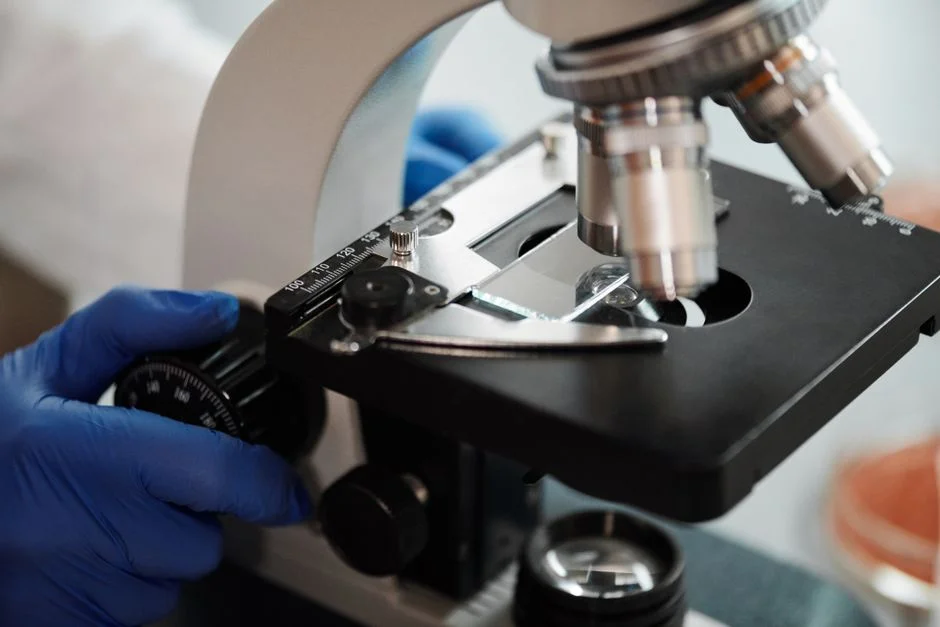
Loading is the second suspect. Nitrifier yield is 0.15 lb cells per lb NH3-N oxidized, so under overload, the biomass cannot reproduce fast enough to keep up. Audit influent sources against the EnviroZyme 8-step guidance: proteins, blood, urea, amino acid products, casein, corrosion inhibitors, raw materials, and quat cleaners. The third suspect is sludge age. Nitrifiers are slow-growing autotrophs that need MCRT of 8-20 days; verify no unintended sludge loss from clarifier blanket drift, foaming, or failed RAS. Run a nutrient check: phosphorus becomes deficient in a nitrifying system, and trace Ca, Fe, Mg, Mo, Cu, Ni, Zn should be present but not excessive—for metals limits see the zinc discharge standard 2026 and the broader how to remove heavy metals from wastewater guide. A microscopic exam of floc—dispersed, necrotic, pinpoint, with low ciliate activity—confirms toxicity in minutes. Solids protection at headworks also matters here; a rotary mechanical bar screen for headworks protection keeps rags and FOG from upsetting aeration tanks in the first place.
The Response Ladder: Speed-to-Result for an Active Exceedance
Immediate and short-term actions must be executed in parallel during the exceedance window. The table below ranks the four tiers by speed-to-result, capex, and the right operating condition for each.
| Tier | Action | Speed-to-result | Capex / opex | Best fit |
|---|---|---|---|---|
| 1 — Immediate | Raise DO to 2.5-3.0 mg/L; verify blower and diffuser; halt known quat-amm dosing | Stops further die-off within hours | Low cost; limited by blower capacity | Any plant; first move |
| 2 — Short-term | Dose alkali to pH 7.5-8.0, CaCO3 >100 ppm; side-stream ammonia stripping at pH 10.8-11.5 with lime or caustic | Stabilizes pH; stripping removes 80-95% NH3 on high-strength streams | Stripping needs towers and ongoing chemical spend | High-strength or shock-loaded streams |
| 3 — Stabilization | Bioaugment with supplemental AOB+NOB culture to seed the two-step conversion while root cause is fixed | Recovery compressed from weeks/months to days | Culture cost low vs daily fines (per EnviroZyme protocol) | Post-toxic-slug or post-DO-crash basins |
| 4 — Long-term | Re-rate aeration; add an MBR stage; install online NH3 and DO monitoring | Stable long-term ammonia compliance | Higher capex; lowest total cost of ownership where biology can be stabilized | Capacity-limited sites |
For capacity-limited sites where biology and clarification couple poorly, the long-term path is an MBR membrane bioreactor for capacity-limited sites. Ammonia stripping is reserved for high-strength or shock-loaded streams (typically influent >500-1,000 mg/L) or where non-biodegradable inhibitors are present; where biology can be stabilized, bioaugmentation plus a long-term capacity fix typically delivers the lowest total cost of ownership (HydropureWater field data, 2026).
Cold-Weather Recovery: Keeping Nitrification Alive Below 15°C
Nitrification rates roughly halve per 10°C drop, and a winter basin in a northern climate can lose 50-70% of its summer nitrification rate simply because the biology slowed. The remediation is to increase MCRT during winter to retain the slow-growing autotrophs—the working window is 8-20 days, and the colder the basin, the higher the MCRT must climb. At maximum design capacity, biology will underperform and effluent NH3 will rise until warmer temperatures return, so aeration capacity should be planned for the worst week of the year, not the average week.
Two moves shorten the recovery. First, consider MBBR carrier media to retain nitrifier biomass independent of clarifier SRT; the moving-bed biofilm reactor process keeps autotrophs attached and active even when suspended-growth SRT would wash them out. Second, bioaugment at the start of cold season rather than mid-crisis, so AOB and NOB populations are already seeded when loading shifts. Mid-winter seeding works, but it costs a fine cycle you could have avoided.
Prevention Roadmap: Hardware That Stops the Next Spike
Ammonia exceedances are almost always preceded by a window where proper measurement would have caught the trend. Specify the following hardware and instrumentation during recovery so the next spike never starts. Place online DO probes at the end of the aeration basin on an auto-control loop to the blowers to capture DO drift before it reaches critical levels. Add inline pH and alkalinity monitoring tied to an automatic chemical dosing system for alkali feed so buffer loss is corrected the moment it crosses setpoint. Upstream, install a rotary mechanical bar screen for headworks protection to keep rags and FOG from upsetting aeration tanks and clarifiers. For solids-driven washout, add a DAF system for FOG and solids control or a high-efficiency sedimentation tank to protect SRT. Finally, for sites where biology and clarification couple poorly and footprint is constrained, plan an MBR membrane bioreactor for capacity-limited sites as the long-term compliance anchor.
Frequently Asked Questions
What causes high effluent ammonia in a wastewater treatment plant?
High effluent ammonia is a nitrification upset caused by one of four SCADA patterns: cold-weather slowdown below 15°C,
Frequently Asked Questions
What causes high effluent ammonia in a wastewater treatment plant?
High effluent ammonia is primarily caused by the inhibition or washout of nitrifying bacteria (Nitrosomonas and Nitrobacter). Common triggers include toxic shock loads from industrial discharges, rapid pH drops below 6.8, significant decreases in mixed liquor suspended solids (MLSS) age, or temperature fluctuations that inhibit microbial metabolism.
Operational factors such as low dissolved oxygen (DO) levels, insufficient hydraulic retention time (HRT), or excessive sludge wasting that reduces the Mean Cell Residence Time (MCRT) below the required threshold—typically 8–12 days at 20°C—are the most frequent mechanical causes of ammonia breakthrough.
How long does nitrification recovery take after an ammonia upset?
Nitrification recovery typically takes between 7 to 21 days depending on the severity of the upset and the water temperature. Because nitrifying bacteria have slow generation times compared to heterotrophic bacteria, the recovery process is limited by the specific growth rate of the biomass remaining in the system.
If the system has suffered complete biomass washout or total toxicity, recovery can take significantly longer, often requiring bioaugmentation or re-seeding from a stable secondary plant. Maintaining an MCRT of at least 15 days during the recovery phase is recommended to allow the nitrifying population to rebuild its density.
What dissolved oxygen level is needed for nitrification?
Nitrifying bacteria are obligate aerobes and require a dissolved oxygen (DO) concentration of at least 2.0 mg/L in the aeration basin for optimal performance. While nitrification can occur at levels as low as 1.0 mg/L, the reaction kinetics decrease significantly, often leading to effluent instability.
It is recommended to maintain DO levels between 2.0 mg/L and 3.0 mg/L during peak diurnal loading periods. Excessively high DO levels above 4.0 mg/L generally provide diminishing returns and increase energy consumption without improving ammonia oxidation rates.
Does cold weather kill nitrifying bacteria in winter?
Cold weather does not kill nitrifying bacteria, but it drastically slows their metabolic activity and growth rate. The nitrification rate is highly temperature-dependent, with activity dropping by approximately 50% for every 10°C decrease in temperature; below 10°C, nitrification is significantly impaired.
To compensate for lower temperatures, plants must increase the MCRT to prevent biomass washout, as the bacteria require a longer time to reproduce in colder water. If the MCRT is not extended to account for the slower growth rates during winter, the system will experience a "washout" of the nitrifying population even if the bacteria are still technically viable.
When is ammonia stripping better than biological ammonia removal?
Ammonia stripping is more effective than biological removal when dealing with high-strength industrial waste streams where ammonia concentrations exceed 500–1,000 mg/L. At these levels, the osmotic stress and potential toxicity of free ammonia (NH3) can inhibit biological treatment processes, making biological nitrification impractical or impossible.
Stripping is also preferred in scenarios where the wastewater is highly variable or contains non-biodegradable inhibitory compounds that would poison the biological sludge. However, stripping efficiency is highly dependent on pH—requiring a range of 10.5 to 11.5—and ambient air temperatures, making it less cost-effective for typical municipal sewage with low ammonia concentrations.