What the Zinc Discharge Standard Actually Says in 2026
The zinc discharge standard in 2026 typically sits between 1.0 and 5.0 mg/L total zinc for industrial effluent. China GB 39731-2020 sets 1.0 mg/L direct and 2.0 mg/L indirect for the lead/zinc sector. EU IED BAT-AELs commonly fall in 0.3–2.0 mg/L total zinc. The US EPA freshwater chronic criterion is 0.12 mg/L dissolved zinc.
The permit limit is the maximum total zinc concentration (mg/L) allowed in treated effluent at the point of compliance — the outfall or internal monitoring point defined in the operating permit. The compliance number changes with the analytical form. Total recoverable zinc (unfiltered, acid-digested), dissolved zinc (0.45 μm filtered), and acid-extractable zinc (pH 2 digest on a settled sample) can return values 20–40% apart on the same wastewater. The 0.12 mg/L US EPA criterion specifically refers to dissolved zinc, which is harder to hit than total recoverable because the particulate fraction is excluded from the count.
Three numbers anchor most compliance conversations in 2026:
- 1.0 mg/L total zinc — China GB 39731-2020 direct discharge limit for the lead and zinc industry (per the 2020 MEE publication of Emission standard of pollutants for lead and zinc industry).
- 0.3–2.0 mg/L total zinc — EU IED 2010/75/EU BAT-AEL band reported in the Common Waste Water and Waste Gas Treatment/Management Systems in the Chemical Sector BREF (2014, still the operative reference in early 2026).
- 0.12 mg/L dissolved zinc — US EPA 2017 national recommended freshwater chronic criterion, hardness-dependent under the CMC/CCC equations in Zinc Water Quality Standards Criteria Summaries.
The WHO drinking water guideline of 3 mg/L (2017, still current in 2026) is a non-binding reference used for source-water protection, not industrial discharge. Vietnam's QCVN 40:2011/BTNMT sits at 3 mg/L zinc for industrial effluent into receiving surface water. Plants sizing for Southeast Asia often start from that 3 mg/L band, then tighten if the receiving river has a harder ambient target.
| Standard / Authority | Year | Limit (mg/L) | Analytical form | Applies to |
|---|---|---|---|---|
| China GB 39731-2020 | 2020 | 1.0 (direct) / 2.0 (indirect) | Total zinc | Lead/zinc industry direct + indirect discharge |
| EU IED BAT-AEL (CWW BREF) | 2014 | 0.3–2.0 | Total zinc | Chemical sector installations, multi-sector CWW |
| US EPA Freshwater CCC | 2017 | 0.12 (hardness-dependent) | Dissolved zinc | Surface water ambient quality |
| US 40 CFR 433 (Metal Finishing) | 1983 / amended 2024 | 0.95 monthly avg / 1.27 daily max | Total recoverable | Metal finishing point source |
| WHO Drinking Water | 2017 | 3.0 (health-based, not formal standard) | Total zinc | Drinking water source |
| Vietnam QCVN 40:2011/BTNMT | 2011 | 3.0 | Total zinc | Industrial effluent to surface water |
Regional Comparison: China, EU, US, and Emerging Markets
Multinational operators with galvanizing, electroplating, or battery plants need a side-by-side view of the binding number in each jurisdiction. They also need to know whether indirect discharge (to a centralized WWTP) is more permissive than direct discharge (to surface water). Across the four major regulatory blocks in 2026, the strictest numeric limit is the US EPA freshwater CCC at 0.12 mg/L dissolved zinc. That figure is an ambient water-quality target, not a point-source effluent number. The strictest point-source number is GB 39731-2020 at 1.0 mg/L total zinc for direct discharge from lead/zinc industrial facilities.
China enforces the most sector-specific numeric limits. GB 39731-2020 sets 1.0 mg/L direct and 2.0 mg/L indirect for the lead/zinc industry, while GB 25466-2010 covers lead/zinc smelting at the same 1.0/2.0 mg/L bands. Effluent entering surface water also has to meet GB 3838-2002 Class III at 1.0 mg/L total zinc — the receptor-driven backstop. The EU operates under IED 2010/75/EU, where BAT-AELs are facility-specific ranges set during permit review. The typical zinc band in the CWW BREF is 0.3–2.0 mg/L total zinc, with a tighter end via sulfide polishing or ion exchange. For broader EU member-state framing beyond zinc alone, see industrial wastewater discharge limits – hungary. Use it as a regional compliance companion. The US runs on a two-layer system: ambient criteria (EPA 2017 CCC, hardness-based) and effluent limitations guidelines (ELG). For metal finishing, 40 CFR Part 433 caps total recoverable zinc at 0.95 mg/L monthly average and 1.27 mg/L daily maximum. Vietnam's QCVN 40:2011/BTNMT sits at 3.0 mg/L zinc for industrial wastewater discharged to surface water. That limit looks permissive on paper but is enforced through COD/BOD co-limits; the full numeric band is in the Vietnam QCVN zinc limits compliance guide.
What are discharge limits for zinc?
Discharge limits for zinc at industrial outfalls most often fall between 1.0 and 3.0 mg/L total zinc. Ambient freshwater criteria can sit near 0.12 mg/L dissolved zinc. China GB 39731-2020 locks direct discharge at 1.0 mg/L total zinc for the lead/zinc sector. EU IED BAT-AEL permits commonly land in the 0.3–2.0 mg/L total zinc band. US metal finishing under 40 CFR 433 uses 0.95 mg/L monthly average and 1.27 mg/L daily maximum as total recoverable zinc. Matching the wrong analytical form to the permit is a frequent audit failure.
What is Indonesia's wastewater discharge standard?
Indonesia's wastewater discharge standard for zinc under PP No. 22/2021 commonly lists 2.0 mg/L total zinc. That Annex VI figure applies to industrial discharge to surface water. That number is less tight than China's 1.0 mg/L direct limit, but co-limits on COD, BOD, and other metals still drive plant design. Cross-metal context for Indonesian permits appears in the Indonesia PP No. 22 nickel limits guide. Operators planning Johor or other ASEAN transfers should still map the receiving-country permit. Do not copy a China or EU residual target without that check.
| Jurisdiction | Standard / Instrument | Limit (mg/L) | Form | Discharge type | Hardness / matrix note |
|---|---|---|---|---|---|
| China | GB 39731-2020 | 1.0 | Total zinc | Direct to surface water | Lead/zinc industry, applies at outfall |
| China | GB 39731-2020 | 2.0 | Total zinc | Indirect to municipal WWTP | Pre-treatment standard |
| China | GB 3838-2002 Class III | 1.0 | Total zinc | Surface water ambient | Receptor standard, applies to receiving body |
| EU | IED 2010/75/EU (CWW BREF BAT-AEL) | 0.3–2.0 | Total zinc | Direct to surface water | Range set in permit per BAT findings |
| US | EPA 2017 CCC (freshwater) | 0.12 (hardness-dependent) | Dissolved | Ambient surface water | CCC = 0.985 × exp(0.8473 × ln(H)) − 0.249 |
| US | 40 CFR Part 433 (Metal Finishing) | 0.95 MA / 1.27 DM | Total recoverable | Direct to POTW or surface water | Subcategorizes by process (racks, barrels, etc.) |
| Vietnam | QCVN 40:2011/BTNMT | 3.0 | Total zinc | Industrial to surface water | COD/BOD co-limits apply |
| Indonesia | PP No. 22/2021 (zinc) | 2.0 (PP 22 Annex VI common) | Total zinc | Industrial to surface water | See Indonesia PP No. 22 nickel limits for cross-metal context |
Operators planning a permit amendment or a new discharge line should map the binding number first, then work backward to the treatment residual target. Hitting 1.0 mg/L is a hydroxide precipitation problem; hitting 0.12 mg/L dissolved requires ion exchange or RO. EU multi-site teams comparing member-state framing can also cross-check the EU industrial discharge standards overview. Use it when zinc is only one of several metals on the permit.
Where the Zinc Comes From: Influent Concentrations by Industry
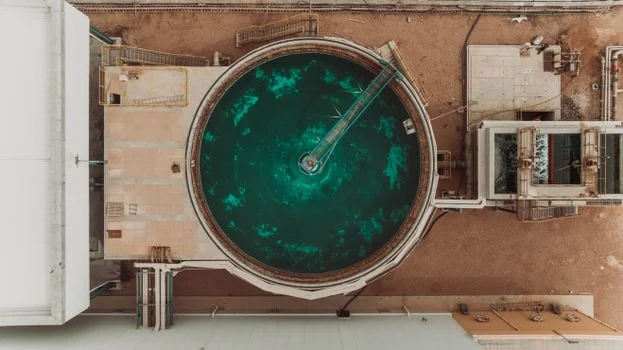
Treatment trains are sized against the worst-case influent, not the average. Across the four source streams that dominate industrial zinc loads, influent total zinc spans a wide band. It ranges from 20 mg/L (dilute electroplating rinse) to 2,000 mg/L (acid mine drainage) — a 100× spread that drives chemistry, hydraulic, and CAPEX decisions independently of the discharge target.
Electroplating and zinc-plating rinse water runs 20–80 mg/L total zinc at pH 2–4. Cadmium is a frequent co-contaminant, and cyanide in the plating bath stream must be oxidized before metal precipitation. Hot-dip galvanizing generates 30–150 mg/L total zinc from flux and pickling rinses. High chloride (5,000–15,000 mg/L Cl⁻) and iron (50–500 mg/L Fe) complicate sulfide polishing. Battery manufacturing and Ni-Zn recycling can spike to 50–500 mg/L total zinc. pH swings from 1 (leaching) to 9 (cathode formation), with high suspended solids from black mass handling — the battery recycling wastewater treatment cost guide covers full CAPEX/OPEX for that stream. Mining and primary smelting produce 100–2,000 mg/L acid mine drainage with sulfate often 2,000–5,000 mg/L SO₄²⁻. This is a lime neutralization train, not a NaOH train, and gypsum sludge volumes dominate OPEX. Brass and copper-zinc alloy mills run 30–200 mg/L total zinc mixed with copper and nickel, requiring staged precipitation. The DAF pre-treatment system removes emulsified oils before metal precipitation to protect clarifier performance.
| Source industry | Influent total zinc (mg/L) | pH | Key co-contaminants | Design implication |
|---|---|---|---|---|
| Electroplating / zinc plating rinse | 20–80 | 2–4 | Cd, Ni, CN⁻, brighteners | CN⁻ chlorination upstream; two-stage hydroxide |
| Hot-dip galvanizing | 30–150 | 1–3 (pickling) | Fe 50–500, Cl⁻ 5,000–15,000 | High Cl⁻, sulfide resin fouling risk |
| Battery mfg. / Ni-Zn recycling | 50–500 | 1–9 (swing) | Ni, Cd, Co, black mass SS | Equalization critical; see battery wastewater treatment cost benchmark |
| Mining / smelting AMD | 100–2,000 | 2–4 | SO₄²⁻ 2,000–5,000, Fe, Mn | Lime train, gypsum sludge 5–10× metal mass |
| Brass / Cu-Zn alloy mill | 30–200 | 3–6 | Cu 10–100, Ni 5–50 | Staged sulfide for Cu then Zn; see copper foil wastewater treatment guide |
Design rule: pick the 95th-percentile influent, not the median. A plating line that averages 40 mg/L zinc will hit 120 mg/L during a bath dump. That spike is what the clarifier must survive without pH excursion. Most plants we size for galvanizing and plating rinse streams run equalization at the lower end of the 24–48 h HRT window. Raise HRT only when dump frequency is high.
Treatment Technologies to Hit the Standard
Each discharge target maps to a specific technology. Hydroxide precipitation covers the 1.0–5.0 mg/L band. That band includes GB 39731-2020, EU BAT-AEL mid-range, and most emerging-market indirect discharge permits. Sulfide precipitation extends down to <0.5 mg/L. It suits tighter EU permits and US 40 CFR 433 metal finishing ELGs. Ion exchange and membrane polishing close the gap to <0.1 mg/L. Use them for reuse or for matching the EPA 0.12 mg/L dissolved criterion on sensitive receiving waters.
Hydroxide precipitation at pH 9.0–10.0 with NaOH or lime is the workhorse. Stoichiometric NaOH demand is 1.2–1.4 kg NaOH per kg zinc removed. Lime runs 1.8–2.2 kg Ca(OH)₂ per kg zinc and adds a calcium load. Sludge generation is 3–5 kg dry solids per kg zinc removed. A hydroxide-only plant producing 100 kg/d of zinc-bearing sludge needs dewatering sized for that mass. Typical options are a plate and frame filter press or, for higher throughput, the equipment in the filter press vs belt filter press comparison. Sulfide precipitation with Na₂S or NaHS at pH 7–8 drives residual total zinc below 0.5 mg/L and works as a polish after hydroxide. The trade-off is H₂S exposure — covered-area scrubbers and sodium hypochlorite scrubbers on the clarifier vent are standard. A PLC-controlled chemical dosing skid with ORP control is the typical safeguard against over-dosing.
Ion exchange on a strong-acid cation resin in Na-form achieves 0.05–0.2 mg/L residual total zinc. It is the usual choice for <0.5 mg/L reuse targets. Resin fouling from hardness (Ca, Mg) and iron is the main O&M cost. Regeneration NaCl demand runs 150–250 g NaCl per liter of resin per cycle, and iron fouling needs periodic HCl washing. For a discharge target below 0.05 mg/L, ultrafiltration followed by reverse osmosis at 75–85% recovery delivers the cleanest effluent. Brine returns to the precipitation stage. The multi-media filtration polish upstream of IX or RO protects against particulate breakthrough.
Standard process flow for a metal-finishing line targeting ≤1.0 mg/L total zinc direct discharge:
- Equalization (24–48 h HRT) with cyanide destruction by alkaline chlorination if the line includes plating baths
- pH adjustment to 9–10 with NaOH or lime in a flash mix reactor
- DAF or lamella clarifier for suspended solids and metal-hydroxide floc removal
- Two-stage precipitation — hydroxide primary, sulfide polish to <0.5 mg/L if needed
- Sand / multi-media filtration to <2 NTU
- Optional IX or RO for reuse or for sites whose permit requires <0.1 mg/L dissolved zinc
- Sludge thickening + dewatering via a plate and frame filter press to 25–35% DS cake
| Discharge target (mg/L total Zn) | Recommended technology | Achievable residual (mg/L) | Sludge (kg DS / kg Zn) | CAPEX band (USD per m³/d) |
|---|---|---|---|---|
| ≤5.0 (indirect / permissive) | Single-stage hydroxide, pH 9–10 | 1–5 | 3–5 | $80–180 (HydropureWater 2026 field data) |
| ≤2.0 (GB 39731 indirect, EU BAT upper) | Hydroxide + lamella clarifier | 0.8–2.0 | 3–5 | $150–280 |
| ≤1.0 (GB 39731 direct, US 40 CFR 433) | Two-stage hydroxide + sulfide polish | 0.1–0.5 | 4–7 | $280–450 |
| ≤0.12 dissolved (US EPA CCC) | Hydroxide + IX, or RO polish | 0.02–0.1 | 4–7 + resin/membrane waste | $450–800 |
Selection checklist before freezing CAPEX:
- Confirm analytical form (total recoverable vs dissolved) on the permit face sheet
- Size on 95th-percentile influent zinc, not monthly average
- Decide hydroxide-only vs hydroxide + sulfide based on ≤1.0 vs ≤0.5 mg/L residual need
- Budget sludge at 3–7 kg DS per kg zinc removed, plus hazardous-waste haulage
- Add IX or RO only when reuse or <0.12 mg/L dissolved is required
- Verify cyanide destruction is upstream if plating baths dump into the same equalization tank
- Match dewatering cake solids (≥25% DS) to the disposal classification pathway
Compliance, Monitoring, and Common Failure Modes
Permit exceedances on zinc most often trace to four causes: wrong sampling point, wrong analytical form, pH excursion in the clarifier, and improper sludge disposal. Each is preventable with a documented SOP and a continuous monitoring loop.
The discharge point of compliance is almost always the outfall defined in the permit — not the clarifier overflow, not the equalization tank, and not the feed to the municipal WWTP. Operators that sample internal streams for "process control" confuse the two. They then fail a DMR (discharge monitoring report) comparison during the next audit. The analytical form is the second trap. 0.12 mg/L dissolved (US EPA) is structurally harder to hit than 1.0 mg/L total recoverable (GB 39731) because the dissolved method excludes the particulate fraction. If your lab is reporting total but the permit says dissolved, you have a measurement gap. pH excursion is the leading cause of hydroxide-stage failures. Feed pH swings from upstream plating-bath dumps can drag the clarifier from 9.5 to 8.0 in minutes, re-dissolving Zn(OH)₂ and pushing 10–50 mg/L zinc through to the outfall. Continuous inline pH with an auto-dosing loop, ideally a PLC-controlled chemical dosing skid, is the standard defense. The broader monitor suite used in industrial permits is covered in the online BOD analyzer buyers guide for the COD/BOD co-limits.
Sludge handling is a secondary compliance risk. Zinc-bearing precipitation sludge typically fails TCLP for zinc. It is classified as hazardous waste under US RCRA (non-listed metal hydroxide sludges, often managed under 16 09 02 in the EU EWC) once it exceeds mobility thresholds. Disposing of it to a non-hazardous landfill creates a second permit violation and a long-tail remediation liability. Dewater to ≥25% DS before transport, characterize the leachate, and route through a licensed hazardous-waste hauler. The plate and frame filter press selection upstream drives the cake solids that determine waste-classification outcomes.
Who This Is For / Next Step
This guide is for plant engineers, EPC contractors, and procurement managers. It supports zinc treatment sizing for galvanizing, plating, battery, mining, or brass streams against a numeric permit. Teams chasing nutrient-only municipal permits in cities such as Madrid should look elsewhere for N/P design bases. The same applies to Johor final effluent packages without a zinc line item. If your outfall target is already known, map it to the technology band above. Request a residual-and-sludge estimate through our zinc treatment inquiry form with flow (m³/d), influent zinc, and the exact permit form (total vs dissolved).
Frequently Asked Questions
What is the standard zinc discharge limit for industrial wastewater in 2026?
Most jurisdictions cap total zinc at 1.0–3.0 mg/L for industrial effluent. China GB 39731-2020 is among the strictest point-source numbers at 1.0 mg/L direct discharge. The EU IED BAT-AEL band is commonly 0.3–2.0 mg/L total zinc. The US EPA freshwater chronic criterion is 0.12 mg/L dissolved zinc and is an ambient criterion, not a universal ELG.
Which treatment achieves the lowest residual zinc?
Reverse osmosis polishing after hydroxide precipitation can deliver <0.05 mg/L total zinc at 75–85% recovery. Ion exchange on a strong-acid cation resin in Na-form reaches 0.05–0.2 mg/L residual total zinc. Hydroxide precipitation alone typically stops at 1–2 mg/L residual at pH 9–10, which covers many GB 39731 and mid-range EU permits.
Is zinc-bearing sludge hazardous waste?
Frequently yes. Zinc hydroxide precipitation sludge often exceeds TCLP thresholds for zinc and is managed as hazardous waste under US RCRA and EU EWC 16 09 02. Always characterize the leachate before disposal routing, and dewater to ≥25% DS so transport and classification stay consistent with the waste profile.
Why does the US EPA limit of 0.12 mg/L look stricter than the Chinese 1.0 mg/L?
The US number is dissolved zinc measured on a 0.45 μm filtered sample; the Chinese number is total recoverable zinc. Dissolved is structurally harder to hit because the particulate fraction is excluded. The apparent 8× gap therefore overstates the practical compliance gap between the two instruments.
What water discharge limits matter most for multi-country zinc plants?
Map the binding point-source number first. Key anchors are 1.0 mg/L total zinc (China GB 39731 direct), 0.95/1.27 mg/L total recoverable (US 40 CFR 433), 0.3–2.0 mg/L total zinc (EU BAT-AEL), and 2.0–3.0 mg/L total zinc in several ASEAN instruments. Ambient criteria such as 0.12 mg/L dissolved zinc only become design drivers when the permit imports them into the outfall condition.