What Drives the Capital Cost of an Ozone System in India
The capital cost of an ozonation system in India in 2026 is determined by four engineering inputs that can swing the final price by a factor of 3 to 10 before duty or freight (per Ozone India Technology commercial data, 2025). These drivers are: generator output in g/hr, feed-gas configuration (dried ambient air versus PSA oxygen), contactor material (SS316 versus HDPE-lined), and the off-gas destructor plus instrumentation package. Incorrect specifications often cause system failure within 12-18 months.
Sizing starts with one formula. Ozone demand (g/hr) = flow (m³/hr) × dose (mg/L). For example, an STP polishing duty at 50 m³/hr with a target dose of 8 mg/L requires 400 g/hr of ozone output. Engineers add a 20-30% safety margin for influent variability, lifting the requirement to roughly 450 g/hr, and then select the next standard generator size — in this case, a 500 g/hr unit (per S1 sizing methodology). The "round up to standard size" rule is mandatory: undersized units fail when dissolved-ozone residual cannot be maintained at peak flow, necessitating a costly second cell retrofit.
Once the g/hr figure is locked, the four CAPEX drivers interact. A 500 g/hr generator on dried air with an SS316 contactor and a thermal destructor differs significantly from a 500 g/hr unit on PSA oxygen with an HDPE contactor and a catalytic destructor, with the bill of materials diverging by ₹15-25 lakh at the same nominal output. The following sections convert these engineering decisions into specific ₹ figures.
India CAPEX Bands by System Class (2026)
Capital cost for an ozone system in water treatment in India in 2026 spans from ₹1.5 lakh for a 2-10 g/hr sanitation skid to ₹1.4-2.5 crore for a 5-10 kg/hr municipal zero-liquid-discharge (ZLD) installation, depending on g/hr demand and application dose (per S1 dose ranges and 2026 Indian EPC market data). The table below anchors a buyer's flow rate and dose to a defensible ₹ range before issuing vendor RFQs.
| System Class | Generator Size | Typical Application | Target Dose | CAPEX Band (₹, 2026) |
|---|---|---|---|---|
| CIP / sanitation skid | 2-10 g/hr | Food & beverage surface sanitization | 0.5-3 mg/L | 1.5-3 lakh |
| Packaged drinking water (IS:14543) | 50-100 g/hr | Bottling plants, FSSAI compliance | 0.2-0.5 mg/L | 4-6 lakh |
| STP tertiary polishing | 200-500 g/hr | Municipal reuse, cooling tower | 5-10 mg/L | 10-18 lakh |
| Textile ETP / pharma loop | 1-3 kg/hr | Reactive dye colour removal, purified water | 10-30 mg/L / 0.1-0.2 mg/L | 45-90 lakh |
| Municipal ZLD / large textile | 5-10 kg/hr | Common effluent plants, ZLD | 10-30 mg/L | 1.4-2.5 crore |
Three caveats refine these estimates. First, these figures cover equipment-only costs; civil works, piping, electrical cabling, and PLC integration typically add 25-40%. Second, dose anchors the band, not just the g/hr: 0.5 mg/L for drinking water and 25 mg/L for textile colour removal at the same flow produce a 50× difference in g/hr demand, with pricing tracking the g/hr. Third, the landed-cost layer impacts the budget: imported European dielectric cells attract basic customs duty (BCD) and surcharges, while ISO/CE-certified Indian-assembled systems — such as the HydropureWater ozone generator for water treatment — attract only GST. This 15-25% landed-cost gap often influences procurement decisions.
Component Cost Breakdown: Where the Money Goes
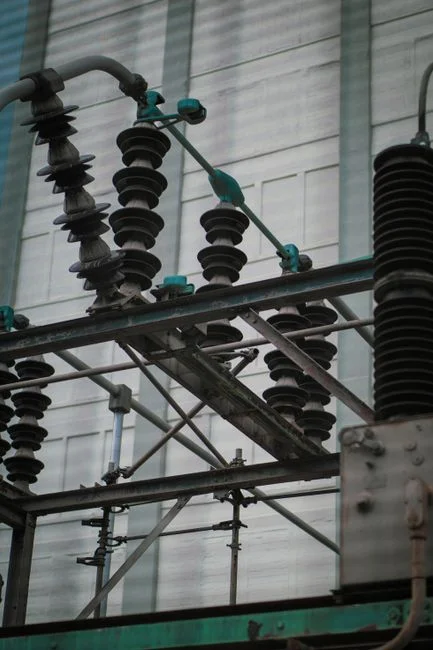
Every ozonation system quote in India resolves into five line items, and buyers should interrogate each to convert a lump-sum bid into a defensible BOQ. The generator cell and its high-frequency power supply dominate the bill of materials at 45-55% of system cost, scaling linearly with g/hr output and increasing when PSA oxygen feed is specified due to tighter mechanical tolerances. The dielectric — typically a quartz tube or ceramic plate inside a stainless cooling jacket — is the primary consumable and the most often undervalued line item.
Feed-gas drying constitutes the second cost block. Silica-gel towers suffice for sub-100 g/hr systems, while refrigerant dryers serve the mid-range. Desiccant towers with heated regeneration are mandatory for industrial duty above 1 kg/hr to ensure a dew point of -40°C or lower, preventing the formation of nitric acid that destroys the dielectric (per S1, 2025). The contactor, typically an SS316 column with a venturi injector or static mixer, or an HDPE-lined alternative for chloride-bearing effluents, represents 15-20% of system cost and is sized for at least 3-5 minutes of contact time at peak flow.
The off-gas destructor (catalytic or thermal) is mandatory above 10 g/hr under CPCB safety rules and adds 8-12% of system cost. The dissolved-ozone sensor and PLC/HMI instrumentation package account for 5-8% of the total; while small in percentage, this is critical for pharma and FSSAI audits. Buyers specifying PLC-controlled chemical dosing for ozone pretreatment should ensure the same PLC platform covers both the dosing and ozone skids to simplify maintenance.
Feed Gas: Dried Air vs PSA Oxygen and the Cost Trade-off
The feed-gas configuration is the primary CAPEX/OPEX decision in an Indian ozone installation, with the economic preference shifting at roughly 200-500 g/hr of demand. Dried ambient air produces 1-3% ozone by weight, whereas PSA oxygen dried to a -40°C dew point produces 6-12% by weight — a 4× concentration increase that halves the required generator size (per S1). The optimal choice depends on the plant's power tariff and load profile.
Below 200 g/hr, dried air is more cost-effective. The PSA skid, oxygen receiver tank, and pressure regulators add ₹6-12 lakh, which is not recovered through power savings at low output. A refrigerant or silica-gel dryer feeding a compact air-fed generator is standard for 50-100 g/hr drinking water plants. Above 500 g/hr, the economics reverse: a smaller generator, lower specific power (kWh per kg O₃), and reduced contactor volume allow the PSA skid to pay back in 18-30 months under standard Indian industrial tariffs (₹7-9/kWh). Textile ETPs at 1-3 kg/hr typically specify PSA oxygen, while municipal ZLD plants at 5-10 kg/hr require it for economic viability.
Regardless of configuration, feed gas must be dried to a dew point of -40°C or lower. Moisture destroys the dielectric via nitric acid formation, fouls the power supply, and corrodes the SS316 contactor. Reducing dryer scope to save ₹1-2 lakh is counterproductive. For textile applications, refer to the 2026 engineering guide to ozone for textile wastewater to understand how feed-gas choice affects the operating envelope for reactive-dye effluents.
Ozone vs the Alternatives Indian Buyers Compare
Buyers typically evaluate three alternatives: chlorination, ozone-based AOPs (O₃/UV, O₃/H₂O₂, catalytic O₃/TiO₂), and MBR + UF polishing. The table below maps water-quality outcomes to the appropriate technology to address performance requirements.
| Alternative | CAPEX vs Standalone Ozone | Best-Fit Application | Limitation vs Ozone |
|---|---|---|---|
| Chlorination (Cl₂ / NaOCl) | -40 to -60% | Bulk municipal disinfection, low-COD effluent | Cannot inactivate Cryptosporidium/Giardia at normal doses; forms THMs; cannot break reactive dye chromophores (per S1) |
| O₃/H₂O₂ or O₃/UV AOP | +25 to +40% | Refractory COD, pharmaceutical residues, landfill leachate | Higher oxidant cost; hydroxyl radical pathway is non-selective (per MDPI 2025 review) |
| MBR + UF polishing | Comparable (substitutes, not supplements) | Water reuse, TSS <1 mg/L target, total solids removal | Does not destroy dissolved organics or inactivate resistant pathogens (per MDPI 2025 review) |
| Catalytic O₃/TiO₂ | +30 to +50% | Trace organics, polishing after biological | Catalyst cost and replacement interval; limited long-term field data |
The decision framework is straightforward. Ozone is the standard for disinfection or colour removal, as chlorination fails on reactive dye chromophores and chlorine-resistant protozoa (per S1 application table). For reuse targets requiring total suspended solids below 1 mg/L, an MBR system for ozone polishing duty or an industrial UF water treatment system is often preferred. When targeting refractory organics and bioburden simultaneously, an AOP ozone system following MBR is the standard Indian EPC route. For a coastal-plant context, see the ETP engineering guide for Indian plants.
RFQ Checklist: What to Ask Before You Sign a PO
Use this 11-item checklist to evaluate vendor quotes and identify potential 10-15% scope gaps.
- Generator output in g/hr at the specified feed gas, not peak rating at ideal conditions.
- Dew point guarantee on the feed-gas dryer in °C, included in the warranty.
- Contactor material (SS316 / SS316L / HDPE-lined) and wetted-volume in litres, sized for peak flow plus 20% margin.
- Off-gas destructor certification (catalytic or thermal) with destruction efficiency ≥99% at peak load, per CPCB requirements for systems above 10 g/hr (per S1).
- Dissolved-ozone sensor make and model with calibration intervals, as required for FSSAI and WHO GMP documentation.
- PLC / HMI / IoT scope, including controller platform and SCADA integration capabilities.
- O&M spares package for 2 years: dielectric cell, dryer desiccant, O-rings, sensor membranes, and fuses.
- Warranty terms on the dielectric cell, with a 12-month minimum.
- CPCB / SPCB approval documentation and the manufacturer's reference list in the relevant state.
- Site-prep civil drawings, including foundation loads, cable trenches, and ozone room ventilation.
- Local service response time from the manufacturer's nearest branch, documented in the contract.
Provide every vendor with the same sizing benchmark (e.g., 50 m³/hr × 8 mg/L = 400 g/hr) to ensure direct comparability. If bids vary significantly for the same nominal output, the difference typically lies in items 3, 4, and 5. Industrial water-treatment valves and media spares can be sourced separately to reduce OEM markups.
Frequently Asked Questions
What is the capital cost of an ozone system for water treatment in India in 2026?
Capital cost ranges from ₹1.5-3 lakh for a 2-10 g/hr sanitation skid to ₹1.4-2.5 crore for a 5-10 kg/hr municipal ZLD installation, with most packaged drinking water units
Frequently Asked Questions
What is the capital cost of an ozone system for water treatment in India in 2026?
In 2026, the capital expenditure (CAPEX) for an ozone system in India typically ranges from ₹15,000 to ₹45,000 per kg of ozone capacity per day, depending on the feed gas source and automation level. For a standard 100 g/h system, total project costs including contact tanks, diffusers, and instrumentation usually fall between ₹4 lakhs and ₹12 lakhs, excluding civil works.
How do you size an ozone generator for an STP or ETP in India?
Sizing is determined by calculating the required ozone dosage (mg/L) multiplied by the peak hourly flow rate (m³/h). For secondary treated wastewater in Indian STPs, typical dosages range from 5 to 15 mg/L, while textile ETPs often require 20 to 50 mg/L for color removal. Engineers must also account for a 20% safety factor to compensate for fluctuations in influent Chemical Oxygen Demand (COD) and temperature.
Is dried air or PSA oxygen cheaper for an industrial ozone system?
Dried air systems have a lower initial CAPEX but suffer from significantly higher power consumption, typically requiring 15–20 kWh per kg of ozone produced. PSA oxygen systems, while 25% to 40% more expensive to install, are more cost-effective for medium to large-scale industrial applications due to higher ozone concentrations (8–12% by weight vs. 1–3% for air) and lower total cost of ownership over a 5-year period.
What is the CPCB requirement for off-gas destruction in an ozonation system?
The Central Pollution Control Board (CPCB) mandates that ozone off-gas must be treated before atmospheric discharge to ensure ambient concentrations remain below the occupational health limit of 0.1 ppm for an 8-hour exposure. Systems must incorporate a thermal or catalytic ozone destruct unit (ODU) to decompose residual ozone into oxygen, ensuring discharge concentrations do not exceed the permissible environmental safety standards.
How does ozone CAPEX compare to chlorination for a textile ETP in India?
The initial capital investment for an ozone system is 5 to 8 times higher than a conventional chlorine dosing system due to the complexity of high-voltage power supplies and specialized stainless steel contactors. However, for textile ETPs, ozone is increasingly preferred as a tertiary treatment step because it avoids the formation of Adsorbable Organic Halides (AOX) and trihalomethanes, which are strictly regulated under CPCB discharge norms for the textile sector.