Uttarakhand’s sewage treatment equipment market is fragmented, with suppliers offering MBBR, EBR, and MBR systems at costs ranging from ₹2.5–₹6.5 lakh per m³ (2025 CAPEX benchmarks). However, only 30% of suppliers provide UPCB-compliant discharge data (BOD <30 mg/L, TSS <100 mg/L) upfront. This guide compares technical specs, cost structures, and compliance requirements to help buyers select equipment that meets Uttarakhand’s regulatory and budget constraints.
Why Uttarakhand’s Sewage Treatment Market is Different: Regulatory, Geographical, and Budget Constraints
The Uttarakhand Pollution Control Board (UPCB) enforces discharge standards that are significantly more stringent than the national CPCB guidelines, particularly for "sensitive zones" such as the Ganga basin in Rishikesh and Haridwar. According to UPCB Notification No. 123/2023, projects in these areas must achieve BOD levels below 20 mg/L and TSS below 50 mg/L. For a procurement manager, this means that generic off-the-shelf equipment often fails to meet local compliance within six months of installation, leading to legal penalties and operational shutdowns.
Geographical constraints further complicate equipment selection. In the hilly terrain of the Garhwal and Kumaon divisions, footprint is the primary limiting factor. Standard underground STPs are often restricted to a maximum excavation depth of 2.5 meters in Dehradun and 3.5 meters in Mussoorie due to soil stability and rock strata. This necessitates the use of high-density treatment processes like MBR or specialized underground package STP for hilly terrain that can operate efficiently within a compact, reinforced footprint.
The tourism-driven economy of Uttarakhand creates massive seasonal fluctuations in sewage load. Hotels and ashrams often experience a 50–200% variation in hydraulic load between the peak pilgrimage season and the monsoon months. Equipment suppliers must provide robust flow equalization tanks and modular treatment units to prevent biomass washout during peak loads. budget constraints are dictated by the Uttarakhand Urban Development Agency (UUDA) 2024 guidelines, which cap municipal sewage project spending at approximately ₹4.2 lakh/m³. Selecting a sewage treatment equipment supplier in uttarakhand india requires balancing these rigid financial caps with the technical necessity of high-performance filtration.
Sewage Treatment Processes Compared: MBBR vs. EBR vs. MBR for Uttarakhand Use Cases
Selecting the correct biological process is the most critical decision for ensuring long-term UPCB compliance and operational stability. In Uttarakhand, the choice typically fluctuates between Moving Bed Bioreactor (MBBR), Electro Bio Reactor (EBR), and Membrane Bioreactor (MBR) technologies, each serving distinct industrial or municipal niches.
MBBR systems are the standard for municipal projects, such as those under the Dehradun Smart City initiative. They offer a COD removal rate of 85–92% and require a footprint of 0.5–1.2 m²/m³. While MBBR is cost-effective, it often requires a larger secondary clarifier, which can be problematic in mountainous sites. Conversely, an MBR system for high-efficiency treatment eliminates the need for secondary clarification by using membrane filtration, achieving 95–98% COD removal. This makes MBR the preferred choice for space-constrained luxury hotels in Mussoorie or hospitals where high-quality permeate is required for cooling tower makeup or irrigation.
EBR technology is gaining traction in Haridwar’s industrial SEZs. While it achieves 90–95% COD removal, it has a high power demand of 0.8–1.5 kWh/m³, making it less suitable for residential projects where electricity costs are a concern. For very small-scale or rural applications in districts like Uttarkashi, bio-digesters (such as the BioFurnaX i-SeptoSys) are used, though their BOD removal is limited to 60–70%, often requiring secondary polishing to meet UPCB norms.
| Parameter | MBBR (Moving Bed) | EBR (Electro Bio) | MBR (Membrane) |
|---|---|---|---|
| COD Removal Rate | 85–92% | 90–95% | 95–98% |
| Footprint Required | 0.5–1.2 m²/m³ | 0.6–1.0 m²/m³ | 0.3–0.8 m²/m³ |
| Power Consumption | 0.4–0.7 kWh/m³ | 0.8–1.5 kWh/m³ | 1.0–2.0 kWh/m³ |
| UPCB Compliance | General Zones | Industrial SEZ | Sensitive/Urban Zones |
| Best Use Case | Municipal/Large Residential | Industrial Parks | Hotels/Hospitals |
Cost Benchmarks for Sewage Treatment Equipment in Uttarakhand (2025 Data)
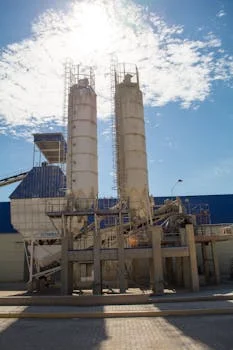
Capital expenditure (CAPEX) for sewage treatment plants in Uttarakhand is influenced heavily by the logistics of transporting heavy equipment to high-altitude sites. As of 2025, market rates for MBBR systems range from ₹2.5–₹4.5 lakh/m³, while MBR systems command a premium of ₹3.8–₹6.5 lakh/m³ due to the cost of membrane modules and sophisticated automation. These benchmarks are slightly higher than Rajasthan’s cost benchmarks for comparison, primarily due to terrain-related installation challenges.
Operating expenditure (OPEX) is often overlooked during the procurement phase but dictates the project's ROI. MBBR systems are the most economical to run, with OPEX ranging from ₹0.8–₹1.5/m³, covering power, sludge disposal, and semi-skilled labor. MBR systems, while providing superior water quality, cost ₹1.2–₹2.2/m³ to operate, largely due to higher power requirements for membrane scouring and the eventual cost of membrane replacement every 5 to 7 years. For hospital STP design considerations, the higher OPEX of MBR is often justified by the total elimination of pathogens and the ability to reuse water internally.
| Cost Component | MBBR (Standard) | MBR (High-Performance) |
|---|---|---|
| CAPEX (per m³/day) | ₹2.5L – ₹4.5L | ₹3.8L – ₹6.5L |
| OPEX (per m³ treated) | ₹0.8 – ₹1.5 | ₹1.2 – ₹2.2 |
| Site Prep (Hilly Terrain) | ₹0.8L – ₹1.2L /m³ | ₹0.5L – ₹0.9L /m³ |
| Membrane Replacement | N/A | ₹1.5L – ₹2.5L (Year 5+) |
Financing and subsidies can mitigate these costs. The Uttarakhand Urban Development Agency offers subsidies of 20–30% for municipal-linked projects, while SIDBI provides loans for industrial wastewater equipment at competitive interest rates of 8–10%. Buyers should also budget for "hidden" costs, including UPCB approval fees (ranging from ₹20,000 to ₹50,000) and specialized structural reinforcement required for STPs built on slopes.
UPCB Compliance Checklist: How to Ensure Your Sewage Treatment Plant Meets Uttarakhand Standards
Compliance failure in Uttarakhand carries heavy penalties, with fines ranging from ₹1–₹5 lakh under the Uttarakhand Water Pollution Control Act 2023. Ensuring your sewage treatment equipment supplier in uttarakhand india provides a system that actually meets the discharge standards requires a rigorous verification of technical specs against the UPCB Notification No. 123/2023.
The primary standards are divided by zone sensitivity. In general zones, a BOD of <30 mg/L is acceptable, but in the "Eco-Sensitive Zones" of the upper Himalayas, this drops to <20 mg/L. any facility intending to reuse treated water for horticulture or toilet flushing must implement tertiary treatment, typically involving chlorine dioxide disinfection for reuse compliance or UV sterilization. Monitoring protocols must include monthly BOD/TSS testing and quarterly heavy metal analysis for industrial effluents.
| Compliance Parameter | UPCB General Standard | UPCB Sensitive Zone |
|---|---|---|
| BOD (Biological Oxygen Demand) | < 30 mg/L | < 20 mg/L |
| TSS (Total Suspended Solids) | < 100 mg/L | < 50 mg/L |
| COD (Chemical Oxygen Demand) | < 250 mg/L | < 150 mg/L |
| Fecal Coliform | < 1000 MPN/100ml | < 230 MPN/100ml |
| Required Documentation | Form 1 & Form 2 | Form 1, 2 & EIA Report |
Decision Framework: How to Choose the Right Sewage Treatment Equipment for Your Uttarakhand Project
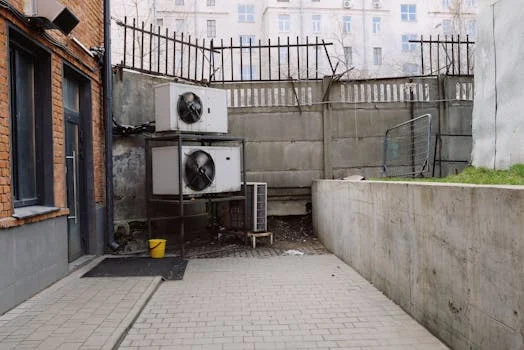
Choosing the right equipment requires a systematic evaluation of your project’s specific constraints. Follow this five-step framework to narrow down your supplier options:
- Step 1: Define Project Type and Location: Determine if you are in a "Sensitive Zone" (near the Ganga or in a National Park). If yes, prioritize MBR systems to ensure compliance with <20 mg/L BOD standards.
- Step 2: Calculate Peak Flow Variation: For hotels and tourism sites, calculate the "Peak Factor." If your peak load is >200% of average flow, ensure the supplier includes a flow equalization tank sized for at least 8–12 hours of storage.
- Step 3: Evaluate Space and Depth Limits: Measure the available footprint. If the area is less than 0.8 m²/m³ of daily flow, or if excavation depth is limited by rock, an integrated MBR or a containerized above-ground system is the only viable option.
- Step 4: Compare Total Cost of Ownership (TCO): Do not buy based on CAPEX alone. Calculate the 10-year TCO by adding CAPEX + (Annual OPEX x 10) + (Membrane/Media Replacement). Often, a more expensive MBR system is cheaper over 10 years due to water reuse savings.
- Step 5: Verify Supplier Credentials: Request UPCB "Consent to Operate" (CTO) certificates from at least three previous projects in Uttarakhand. Ensure the supplier offers local maintenance support, as getting technicians to remote hill stations can take weeks.
Frequently Asked Questions
What is the typical lead time for sewage treatment equipment in Uttarakhand?
Standard lead times range from 4 to 8 weeks for modular MBBR systems. Custom-engineered MBR plants or large-scale municipal equipment can take 12 to 16 weeks, including transportation to hilly regions.
Do I need UPCB approval for a small STP (e.g., 20 m³/day)?
Yes. Under current Uttarakhand regulations, all commercial and industrial establishments generating sewage must obtain a "Consent to Establish" (CTE) before construction and a "Consent to Operate" (CTO) before commissioning, regardless of the plant size.
What is the lifespan of MBBR vs. MBR systems?
The structural components and tanks of both systems generally last 15–20 years. However, MBBR media is virtually permanent, whereas MBR membranes typically require replacement every 5–7 years depending on influent quality and maintenance rigor.
Can I reuse treated sewage for irrigation in Uttarakhand?
Yes, UPCB encourages water reuse. However, for irrigation in public areas or residential gardens, the water must undergo disinfection (UV or Chlorine Dioxide) to ensure fecal coliform levels are below 100 MPN/100ml.
What are the maintenance requirements for a 100 m³/day STP?
Daily tasks include checking blower operation and sludge levels. Weekly maintenance involves cleaning the bar screen and checking the dosing pumps. Monthly, you must perform UPCB-mandated BOD/TSS testing at an NABL-accredited lab.
Further Reading
Explore these in-depth articles on related wastewater treatment topics: