Why Port Allen Chemical Preparations Plants Are Re-Evaluating Clarification in 2026
The Port Allen / West Baton Rouge Parish stretch of the Mississippi River corridor hosts a dense cluster of chemical preparations and industrial inorganic chemicals plants classified under NAICS 325 and SIC 2819. Their wastewater contains variable TSS from metal-hydroxide flocs and catalyst fines, intermittent FOG spikes during equipment-cleaning, pH swings from 2 to 12 across batch operations, and elevated TDS. A conventional circular clarifier copes with the settleable fraction, but fine hydroxide flocs escape over the weirs, free oil sheens pass through, and pH excursions disrupt the coagulation step. 2026 is a re-evaluation year for these facilities.
Two regulatory pressures converge in 2026. The EPA's ongoing effluent-guidelines review for the inorganic chemicals category and Louisiana DEQ priorities under LAC 33:IX push permit renewal cycles toward stricter metal and TSS monitoring. Any plant discharging to the Baton Rouge POTW must satisfy 40 CFR 403 general pretreatment standards and local limits negotiated in its individual LPDES permit. Specific numeric effluent limits must be verified against the plant's own permit — the comparison below uses engineering benchmarks. For a side-by-side look at how the same decision plays out in a different influent profile, see the DAF vs clarifier for petroleum wastewater guide.
How a DAF System Actually Separates Solids (2026 Mechanism)
Dissolved air flotation clarifiers use micro-bubbles to lift conditioned floc to the surface instead of allowing it to sink. The process runs in a sequence: pH correction, coagulation, flocculation, and air-bubble attachment.
Recycle pressurization is the heart of the unit. A sidestream of clarified effluent is pressurized to approximately 100 psi (≈6.9 bar) and supersaturated with air. Upon release to atmospheric pressure inside the float tank, the dissolved air exits the solution as micro-bubbles in the 30–50 µm range. These bubbles attach to the chemically conditioned floc and float the solids to the surface, where a chain-and-flight skimmer drags the float over a beach and into a sludge sump (S1). Choosing the correct equipment order is vital for efficiency.
Paired with proper chemical conditioning, DAF performance on chemical-preparations streams includes 70–90% TSS removal, 90–98% FOG removal, and 30–60% COD removal (HydroChemix 2026, S5). Standard construction is 304SS, with 316SS, polypropylene, epoxy-coated mild steel, or polyethylene available for chloride-rich or low-pH inorganic feeds (S1, S3). Material selection is critical because chloride and pH excursions dictate long-term durability. If you are comparing DAF against other primary separators, the DAF vs clarifier buyer's guide for mining wastewater walks through the same decision logic for a high-TDS matrix.
How a Lamella Clarifier Separates Solids (and Where It Wins)
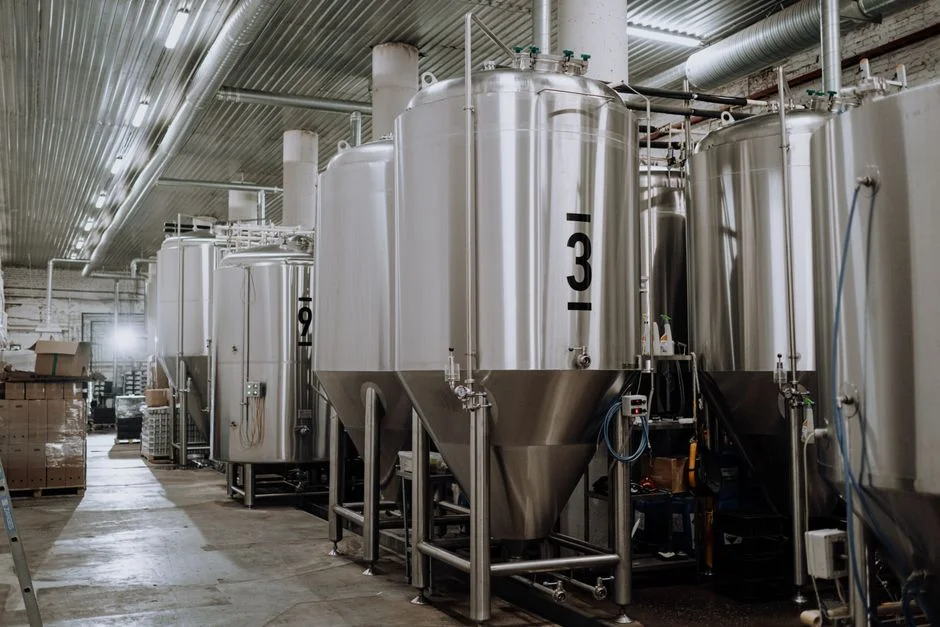
A lamella (high-rate) clarifier uses a pack of inclined plates set at 55–60° from horizontal to maximize settling area within a small footprint. Feed enters the reactor, mixes with coagulant and flocculant, and clarified water rises countercurrent to the settled sludge that slides down the plates into a hopper. Sludge recirculation keeps fresh floc in contact with incoming colloids, which improves capture and reduces coagulant demand. The HydropureWater high-efficiency sedimentation tank (lamella clarifier) line is rated for surface loadings of 20–40 m/h with up to 30% lower coagulant consumption than a conventional clarifier.
Lamella systems excel in the Port Allen case where dense, settleable solids like metal-hydroxide flocs are present and buoyancy is undesirable. These systems are less effective for oils, greases, very fine particles, or streams with high buoyant loads. A lamella will pass free oil, whereas a DAF will float it. The technology choice depends primarily on influent character and secondarily on flow rate.
DAF vs Clarifier: 2026 Side-by-Side for Chemical Preparations Wastewater
The head-to-head matrix below keys performance, footprint, and cost to the characteristics of an NAICS 325 / SIC 2819 wastewater stream. DAF performance numbers reflect chemical conditioning with PAC + PAM at typical dosing (S5). Lamella performance on settleable TSS is described qualitatively; expect 80–95% on settleable solids when sludge recirculation and plate spacing are specified correctly.
| Parameter | DAF (with chemical conditioning) | Lamella clarifier (with sludge recirculation) |
|---|---|---|
| TSS removal (typical) | 70–90% (S5) | Settleable TSS up to ~95% with proper floc; poor on fines |
| FOG / oil removal | 90–98% (S5) | Near-zero on free oil; oil floats and escapes over weirs |
| Metal-hydroxide handling | Good, after precipitation and floc conditioning | Strongest use case — dense hydroxides settle readily on plates |
| Footprint at 50 m³/h | Compact skid; SigmaDAF Compact handles ≤66 GPM (≈15 m³/h) as a single skid, modular two-skid above that (S3) | Smaller plan area than a conventional clarifier, but taller; larger sludge-storage volume |
| Typical chemical demand | PAC 10–300 mg/L + PAM flocculant (S5); DAF-with-FOG conditioning sits toward the upper end | Lower coagulant use due to sludge recirculation (up to 30% reduction) |
| CAPEX band | Higher unit CAPEX per m³/h, partially offset by smaller tank and building footprint | Lower unit CAPEX per m³/h; larger civil works and sludge hopper |
| Sludge | Thickened float (2–5% solids typical); dewatered via plate and frame filter press | Settled underflow (1–3% typical); same dewatering path |
| Best-fit feed | Moderate-to-high TSS with FOG, fine or buoyant particles, variable pH | High-density settleable solids, metal hydroxides, low FOG, stable pH |
Chemical operating costs range from $0.02–0.20 per m³ of water treated across both technologies when using PAC plus PAM (HydroChemix 2026, S5). Lamella systems with sludge recirculation typically anchor the lower end of this range, while DAF systems with FOG conditioning occupy the upper end. The wider context for these cost and compliance decisions is covered in the industrial wastewater permit compliance and equipment selection guide.
Matching Technology to Influent Profile: 2026 Decision Framework
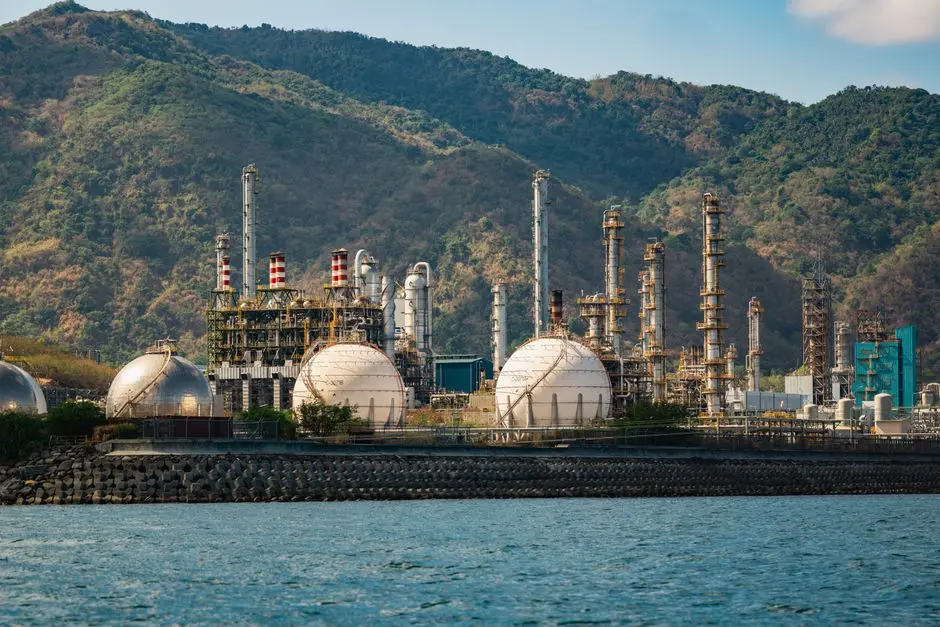
Engineers can apply the following rules to their wastewater characterization data, assuming equalization and flow-paced chemical dosing are already in place.
| Influent profile | Recommended primary | Reasoning |
|---|---|---|
| Low TSS, no FOG, metals present (e.g., scrubber blowdown after pH adjust) | Lamella clarifier | Dense hydroxide floc settles readily; chemical cost minimized by sludge recirculation |
| Moderate TSS with FOG or oil (e.g., equipment-washwater) | HydropureWater dissolved air flotation system | Bubble attachment lifts oil and fine solids that a clarifier would pass or emulsify |
| High TSS with FOG and metals (combined process + wash stream) | DAF primary + lamella polishing | DAF strips FOG and bulk TSS; lamella polishes metal-hydroxide carryover before discharge |
| Variable pH 2–12 with intermittent FOG | DAF with equalization and robust dosing | pH swings collapse lamella settling; DAF tolerates conditioned feed once equalized |
Run bench-scale jar testing before any CAPEX commitment. Both Aries and SigmaDAF offer jar testing to determine removal efficiencies, floatation characteristics, and chemical program requirements (S1, S3). For inorganic-chemicals streams that fluctuate in pH and FOG, jar testing on a representative composite sample provides the data needed for system design. Specify construction materials at this stage; chloride-bearing or low-pH feeds require 316SS, FRP, or polyethylene rather than mild steel (S1).
Cost, Footprint, and Compliance: The 2026 Numbers That Matter
Operating costs for chemical conditioning range from $0.02–0.20 per m³, including coagulant, flocculant, and energy (HydroChemix 2026, S5). The HydropureWater DAF line covers 4–300 m³/h, and the lamella clarifier line covers 10–200 m³/h, spanning the typical 30–150 m³/h flows seen at NAICS 325 plants in the Port Allen corridor.
Compliance is the non-negotiable requirement. Plants discharging to the Baton Rouge POTW operate under 40 CFR 403 general pretreatment standards, with site-specific numeric limits set in their individual LPDES permit. Do not rely on vendor brochures for generic limits; verify all TSS, metals, and oil-and-grease thresholds against your permit. The capital decision involves balancing permit requirements, available pad space, and the operational budget supported by your chemical program. Sludge from either technology is best processed with a plate and frame filter press to reach 18–25% dry solids for off-site disposal.
Frequently Asked Questions
When is DAF the right pick over a lamella clarifier for a NAICS 325 plant?
DAF is the preferred choice when wastewater carries FOG, oil, or fine buoyant solids, or when feed pH swings between 2 and 12 would disrupt a settling floc. DAF paired with PAC + PAM conditioning delivers 70–90% TSS removal and 90–98% FOG removal (HydroChemix 2026, S5).
How much chemical does a DAF system actually consume on an inorganic-chemicals feed?
PAC dosing for DAF typically runs 10–300 mg/L depending on influent TSS, with PAM flocculant added downstream. The all-in chemical treatment cost lands between $0.02–0.20 per m³, with FOG-bearing feeds sitting toward the upper end (HydroChemix 2026, S5).
What is the smallest defensible step before committing CAPEX to a DAF or clarifier in 2026?
Perform a bench-scale jar test on a representative composite of the plant's combined waste streams, ideally facilitated by the equipment vendor. The test confirms removal efficiencies, establishes coagulant and flocculant doses, and defines the sludge yield — all of which are necessary to justify the technology choice to procurement and LPDES reviewers.