What an Effluent Treatment Plant Does in Bangalore's Industrial Context
An effluent treatment plant in Bangalore treats industrial wastewater — pharmaceutical formulation and bulk drugs, textile dyeing, electroplating, food processing, distillery spent wash, and metal finishing — through primary, biological, and tertiary stages to meet Karnataka State Pollution Control Board (KSPCB) discharge consent limits or to achieve Zero Liquid Discharge (ZLD). A peer-reviewed IISc Bangalore study of a southern-India pharmaceutical ETP (Das et al., Science of the Total Environment, 17 Nov 2025) reported 98.8% turbidity, 93% BOD, 62% total nitrogen, and 48% COD removal on a baseline activated sludge process — figures that double as the realistic ceiling of an ASP and the justification for targeted upgrades.
The typical Bangalore process train runs: collection and equalisation → primary clarification → biological treatment (aerobic ASP, SBR, MBBR, or MBR) → tertiary polishing (filtration, RO, advanced oxidation) → sludge dewatering. The IISc team modelled this exact sequence and used BioWin digital-twin simulation to identify that alternating aerobic-anoxic cycling, not a wholesale technology swap, is what lifts nitrogen removal from 62% toward National Green Tribunal (NGT) effluent expectations (Das et al., 2025).
Two regulatory poles govern the design. First, KSPCB consent under the Water (Prevention and Control of Pollution) Act sets outlet limits for surface-water and sewer disposal. Second, ZLD — mandated for pharma formulation, bulk drugs, dye intermediates, and distilleries by CPCB — forces 90–95% water recovery plus salt disposal, which makes aeration energy, not capex, the dominant operating concern. The same IISc study found ZLD to be the operational driver pushing plants toward energy self-sufficiency and on-site water audit, including a measured 23,292.5 KL/annum rainwater harvest potential at a single pharmaceutical site (Das et al., 2025).
KSPCB Discharge Norms and Influent Characteristics by Industry
KSPCB consent orders typically enforce pH 6.5–8.5, TSS ≤100 mg/L, BOD ≤30 mg/L, COD ≤250 mg/L, oil & grease ≤10 mg/L for discharge into public sewer, with stricter limits for inland surface water bodies. These are the widely cited general-industry norms — actual consent schedules vary by industry category, plant location, and the receiving water body's assimilative capacity, so confirm against your current KSPCB consent order before finalising design.
| Industry (Bangalore-heavy) | Typical Influent COD (mg/L) | Key Stressor | Specialised Pretreatment |
|---|---|---|---|
| Pharma formulation / bulk drugs | 5,000–25,000 | Residual APIs, NH₃-N 500–2,000 ppm (Akruthi field case) | Equalisation + ammoniacal-N stripper before biological |
| Textile dyeing | 1,500–5,000 | High colour, TDS 3,000–8,000, sulphate | Coagulation-flocculation, DAF, colour-specific AOP |
| Electroplating | 200–1,500 | Cr/Ni/Cd heavy metals, low pH | Cr(VI) reduction + precipitation, ion exchange |
| Food processing | 2,000–10,000 | High BOD, oil & grease, seasonal load | DAF for FOG, equalisation tanks for load swings |
| Distillery spent wash | 80,000–150,000 | Dark colour, very high BOD, potassium salts | Anaerobic UASB + multi-effect evaporator (ZLD) |
| Tannery (incl. mixed waste near Hosur Road) | 3,000–10,000 | Salinity 2–10% w/v (Microbial Cell Factories, 2008) | Salt-tolerant bacterial consortia (80% COD at 8% w/v NaCl) |
Bangalore's piped-water TDS often runs 500–1,200 mg/L, which means even a well-run biological outlet typically needs reverse osmosis or nanofiltration polishing before any reuse loop can be closed. Direct nanofiltration has been demonstrated as a single-step polish producing reuse-quality effluent for agricultural or indirect potable use (Schrader, PhD thesis, University of Twente, 2015), making NF a credible intermediate option for plants not under full ZLD.
For saline mixed waste — common near Hosur Road tanneries and a few electroplating clusters — published batch data show salt-tolerant mixed consortia delivering 80% COD reduction at 8% w/v salinity and 83% at 6% w/v (Microbial Cell Factories, 2008). That is the operating envelope an EHS manager can defend in a KSPCB technical meeting when conventional activated sludge would simply wash out.
Core Treatment Technologies: ASP, SBR, MBBR, and MBR Compared
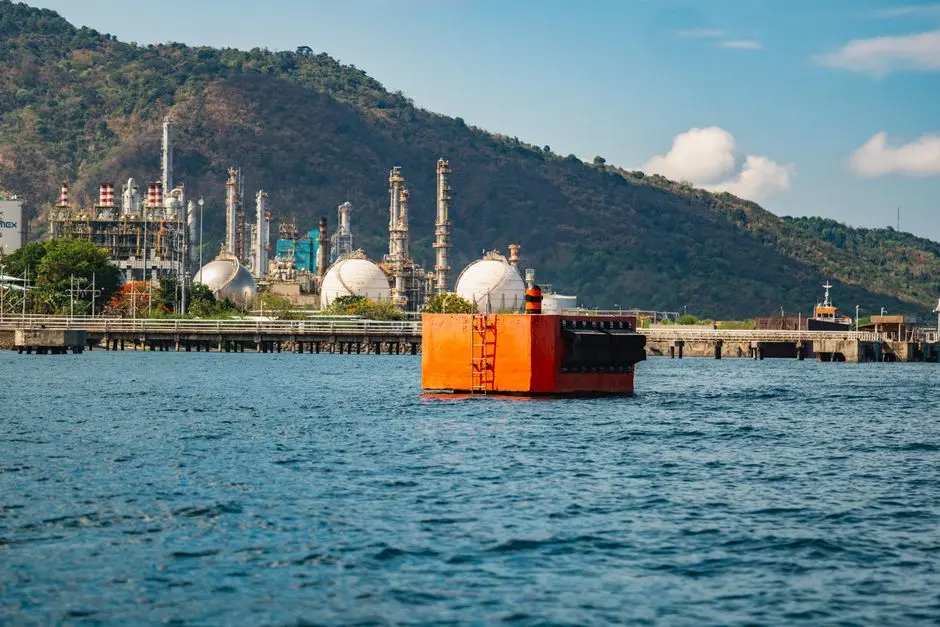
Activated Sludge Process (ASP) remains the Bangalore default because it is the lowest capex per m³/day, but the IISc pharma data show its ceiling: only 48% COD removal and 62% TN removal in baseline configuration (Das et al., 2025). Sequencing Batch Reactor (SBR) suits plants below 50 m³/day with intermittent flows — it offers a small footprint and batch-level control but limited tolerance to high TDS. Moving Bed Biofilm Reactor (MBBR) carries biofilm carriers that buffer load swings typical of Bangalore garment units; pairing MBBR with anoxic zones is the most cost-effective route to lift total nitrogen past the 62% IISc baseline. Membrane Bioreactor (MBR) couples activated sludge with submerged 0.1 µm PVDF membranes — outlet TSS <5 mg/L and BOD <5 mg/L are routine, which is what makes the integrated MBR membrane bioreactor system the standard for sites targeting reuse or tight surface-water consent. The MBR module reference is documented in the MBR membrane bioreactor module datasheet, with broader sizing context in the hotel-resort wastewater sizing guide if you need to cross-check biological design loads.
Across all four, the IISc BioWin finding that 20% aeration energy savings are achievable through aeration-time optimisation (Das et al., 2025) is the single largest opex lever for a Bangalore ETP — aeration typically accounts for 50–60% of plant electricity, so a 20% cut shortens advanced aeration-control payback to 3–5 years.
| Parameter | ASP | SBR | MBBR | MBR |
|---|---|---|---|---|
| Influent COD range (mg/L) | 500–5,000 | 500–4,000 | 500–6,000 | 500–25,000 |
| Outlet BOD / COD (mg/L) | ≤30 / ≤250 (KSPCB) | ≤20 / ≤150 | ≤20 / ≤150 | ≤5 / ≤50 |
| Total nitrogen removal | 40–60% | 50–70% (batch anoxic) | 60–80% (anoxic zone) | 70–85% (with anoxic) |
| Footprint (m² per m³/day) | 0.4–0.7 | 0.3–0.5 | 0.2–0.4 | 0.25–0.45 |
| Indicative CAPEX (₹ per m³/day, 2026) | 35,000–50,000 | 45,000–65,000 | 50,000–75,000 | 80,000–1,20,000 |
| Indicative OPEX (₹ per m³ treated) | 12–20 | 14–22 | 15–24 | 22–35 |
| Best-fit Bangalore industry | Food, low-strength textile | Pharma <50 m³/day,间歇 batch | Textile with load swings, electroplating blended streams | Pharma ZLD, distillery polishing, any site targeting reuse |
Tertiary and Polishing Steps for ZLD in Bangalore
Tertiary stage is what separates a KSPCB-compliant discharge from a ZLD loop. The standard sequence is: secondary clarifier or DAF → multimedia (sand) filtration → activated carbon → disinfection (UV or chlorination) → RO or NF for reuse → multi-effect evaporator / crystalliser for ZLD brine. The IISc study recommends non-thermal plasma (dielectric barrier discharge) and microalgal polishing specifically to address residual APIs and E. coli that survive the ASP — a point that matters for every Bangalore formulation and bulk-drug plant facing NGT scrutiny on antibiotic traces (Das et al., 2025).
For textile and food plants, a dissolved air flotation system (4–300 m³/h range) is the standard pre-RO cut for TSS and oil & grease — micro-bubble flotation handles the surfactant and FOG loads that otherwise foul RO membranes within weeks. Downstream of biological treatment, an industrial RO system typically achieves 95–99% salt rejection and brings the reuse TDS below 200 mg/L, which is the threshold for most process-water loops. For plants not under strict ZLD, nanofiltration offers a lower-pressure single-step polish producing agricultural-reuse-quality effluent (Schrader, 2015). Disinfection is best closed out with a UV sterilizer sized at 30–40 mJ/cm² to handle residual coliforms without generating chlorinated by-products. Tertiary-stage process detail is covered in the tertiary wastewater treatment engineering guide.
Sludge Handling and Reuse
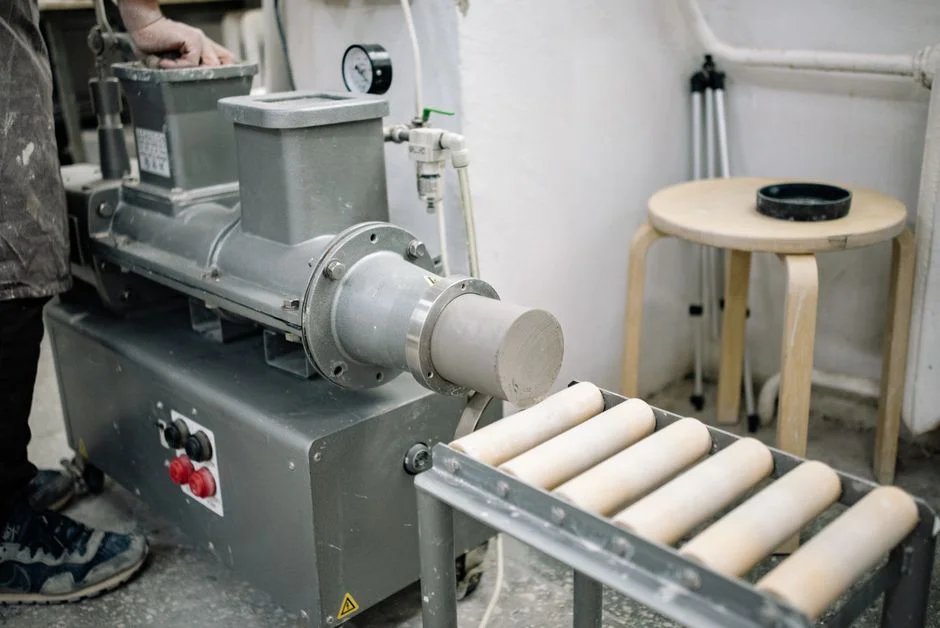
Sludge, not effluent, is where most Bangalore ETPs fail their mass balance. Typical biological sludge yield sits at 0.3–0.8 kg dry solids per m³ treated; chemical-physical plants (electroplating, tannery) can run 5–8 kg/m³. A plate and frame filter press (1–500 m² filtration area) is the Bangalore default for dewatering to a >30% dry-solids cake suitable for transport to a TSDF or for co-processing in cement kilns. A high-efficiency sedimentation tank — a lamella clarifier design — cuts downstream sludge load by 20–30% versus a conventional clarifier, which directly reduces press cycle time and polymer consumption.
For circular-economy framing, a published Bangalore case study documented solids from an ETP being compressed and fed to boilers as briquettes after separation from the lean effluent stream (Akruthi Enviro field case, 2024) — a real datapoint an EHS manager can cite in a board memo. Anaerobic pre-treatment via UASB is the standard upstream sludge-volume reducer for high-strength distillery and pharma streams; the UASB reactor installation and commissioning guide covers sizing and start-up. The rural sewage treatment in India engineering guide provides useful parallels for small-footprint Bangalore satellite plants.
Bangalore ETP Cost Benchmarks and 2026 OPEX Drivers
These are 2026 indicative ranges for capex justification in a board memo — your vendor quote will vary with influent load, automation level, and reuse-vs-discharge target. The headline benchmark: ₹25–45 lakh for a 50 m³/day ASP-only plant, ₹1.2–2.5 Cr for a 100 m³/day MBR + RO ZLD system, and opex of ₹18–35 per m³ treated across biological and advanced configurations. Detailed cost-per-m³ methodology and an industry-anchored ROI calculator are in the wastewater treatment cost per cubic metre 2025 engineering breakdown.
| Plant Size | Biological Only (CAPEX) | Biological + MBR (CAPEX) | Full ZLD: MBR + RO + Evaporator (CAPEX) | OPEX (₹/m³) |
|---|---|---|---|---|
| 50 m³/day | ₹25–45 lakh | ₹55–90 lakh | ₹1.1–1.8 Cr | ₹18–28 |
| 100 m³/day | ₹45–80 lakh | ₹90 lakh–1.4 Cr | ₹1.2–2.5 Cr | ₹20–32 |
| 250 m³/day | ₹1.0–1.7 Cr | ₹1.8–3.0 Cr | ₹3.5–6.0 Cr | ₹22–35 |
Aeration is the dominant opex line — 50–60% of plant electricity. The IISc BioWin finding of 20% aeration energy savings through aeration-time optimisation (Das et al., 2025) is the single most defensible efficiency lever. On the water-saving side, the same study documented 23,292.5 KL/annum of recoverable rainwater at one pharmaceutical site — a realistic 20,000–25,000 KL/annum envelope for any Bangalore plant with 1–2 acres of rooftop area, which directly reduces fresh-water draw and eases the ZLD mass balance. KSPCB consent renewal routinely rewards quantified water-recovery numbers, so a rainwater-harvest line item strengthens the application.
Frequently Asked Questions
What is the indicative 2026 capex for a 100 m³/day ETP in Bangalore targeting KSPCB sewer-discharge consent?
Biological-only ASP is ₹45–80 lakh; ASP plus MBR polishing lands at ₹90 lakh to ₹1.4 Cr; a full ZLD configuration with MBR + RO + evaporator runs ₹1.2–2.5 Cr (HydropureWater 2026 indicative ranges). Your actual figure depends on influent load, automation, and the reuse-versus-discharge target.
Which biological technology should I choose for a Bangalore pharmaceutical ETP under ZLD?
For a ZLD-bound pharma plant, MBR is the most defensible baseline — submerged 0.1 µm PVDF membranes routinely deliver outlet TSS below 5 mg/L and BOD below 5 mg/L, which is what the RO stage downstream requires. The IISc Bangalore study (Das et al., Science of the Total Environment, 2025) further recommends aerobic-anoxic cycling to lift total nitrogen removal from the 62% baseline toward NGT expectations.
How long does KSPCB consent to operate an ETP typically take in 2026?
A first-time consent under the Water Act, 1974, typically takes 90–120 days from a complete application, including site inspection and public-hearing steps for larger plants. Renewals with no capacity change usually clear in 45–60 days; an expansion or ZLD retrofit can extend the timeline to 4–6 months.
Is retrofitting an existing ASP cheaper than building a greenfield MBR in Bangalore?
Often yes — converting an existing ASP aeration tank into an MBBR with added carrier media or adding a downstream MBR cassette to the existing clarifier typically costs 40–55% of a greenfield MBR build. The IISc 2025 study showed that, in many cases, process optimisation on the existing ASP (aeration-time control, anoxic-zone addition) recovers 15–25% of the performance gap at a fraction of the capex.