
Why Chiang Mai Hotels Need a Packaged MBR, Not a Conventional Sewage Plant
Chiang Mai's 50–400 room hotels face a hydraulic profile that conventional activated sludge (ASP) and SBR plants handle poorly: a 60–90% seasonal occupancy swing layered onto monsoon-season infiltration that pushes peak inflow to 2–3× the dry-weather average (HydropureWater field data, 2026). Conventional plants lose biomass, fail effluent limits, and require clarifiers that consume valuable front-of-house real estate. A packaged membrane bioreactor (MBR) replaces the clarifier with a submerged PVDF membrane module, retains MLSS at 8,000–12,000 mg/L, and holds effluent quality steady through hydraulic surges that would wash out a settling tank.
The technology class is proven at hotel scale: an Imemflo hollow-fibre MBR has run at a 200-bed five-star property at 250 m³/d since commissioning, with treated water meeting the wastewater reuse standard (Imemflo, hotel reference install). Independent datasheets back the removal rates — Pure Aqua's Toray flat-sheet MBR delivers about 98% BOD5 reduction with virtually complete TSS removal, while Imemflo's combined HF/FS line reports 90–95% removal of harmful substances from hotel wastewater.
Four operational outcomes matter to a hotel asset owner: (1) footprint roughly 60% smaller than ASP because the clarifier is eliminated; (2) effluent suitable for landscape irrigation and toilet flushing without tertiary polishing; (3) a physical pathogen barrier that protects guests and downstream waterways; (4) modular expansion by adding membrane cassettes when the hotel adds rooms. An integrated packaged MBR system is the equipment class that delivers these four outcomes in a factory-tested skid.
Step 1 — Size the Plant Correctly for a Chiang Mai Hotel
Defensible sizing starts with guest-night count, not room count, because a 400-room property at 30% occupancy produces less wastewater than a 150-room property at 95% occupancy during the Chiang Mai high season (November–February). For three- to four-star hotels, apply 0.30–0.45 m³ per guest-night; for five-star properties with spa, on-site laundry, and large F&B operations, apply 0.50–0.60 m³ per guest-night (HydropureWater sizing rule for tropical resort properties, 2026). Add a 10–15% buffer for wet-season inflow and infiltration (I&I) — Chiang Mai's May–October monsoon regularly saturates septic-tank-era laterals and pushes B&Bs, resorts, and city hotels past their design flow.
Worked example: 150 rooms × 75% occupancy × 0.40 m³/guest-night = 45 m³/d average. Adding a 15% monsoon buffer yields a design flow of about 52 m³/d. Apply a diurnal peaking factor of 2.0–2.5× to size the equalisation and membrane tank, since morning showers plus midday laundry cycles drive the day's peak. Pure Aqua's MBR-12.5K-1 (47 m³/d) and MBR-25.0K-2 (95 m³/d) bracket the typical 50–400 room hotel envelope, and the Imemflo 200-bed five-star reference plant at 250 m³/d is a useful upper benchmark for luxury properties with full laundry and spa loads.
| Hotel profile | Rooms | Avg. occupancy | Specific flow (m³/guest-night) | Avg. daily flow (m³/d) | +15% monsoon buffer (m³/d) | Recommended Pure Aqua model |
|---|---|---|---|---|---|---|
| Boutique 3-star, city | 50 | 70% | 0.35 | 12 | 14 | MBR-6.25K-1 (24 m³/d) |
| Mid-scale 4-star, MICE | 150 | 75% | 0.40 | 45 | 52 | MBR-12.5K-1 (47 m³/d) |
| Resort 4-star, Mae Jo district | 250 | 80% | 0.45 | 90 | 104 | MBR-25.0K-2 (95 m³/d) |
| Luxury 5-star, spa + laundry | 200 | 85% | 0.55 | 94 | 108 | MBR-25.0K-2 (95 m³/d) |
| Resort 5-star, full amenities | 400 | 80% | 0.60 | 192 | 221 | MBR-50.0K-4 (189 m³/d) |
Step 2 — Match the Membrane Format to Site Constraints
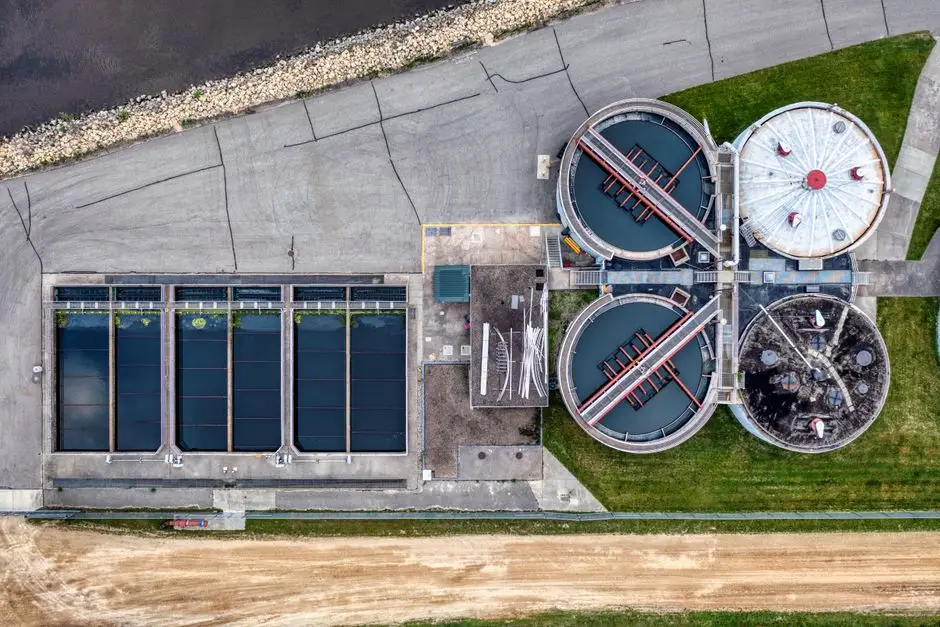
The hollow-fibre versus flat-sheet choice is the most consequential equipment decision after sizing, and it is site-driven rather than preference-driven. Hollow-fibre (HF) MBR offers the highest packing density (m² membrane per m³ tank) and the lowest CAPEX per m², but the bundled fibres foul more readily under hydraulic shock and demand disciplined relaxation-plus-backwash cycles that a non-specialist hotel maintenance team often skips. Flat-sheet (FS) MBR, by contrast, uses rigid PVDF panels with an integrated coarse-bubble aeration box that continuously scours the membrane surface; elements are individually replaceable without draining the tank, and the system draws 10–20× less energy than legacy cross-flow designs (HydropureWater DF series, 2026). The trade-off is a slightly larger tank footprint per m³ of permeate.
Pure Aqua's Toray flat-sheet cassette uses PVDF + PET non-woven fabric in 515 × 1,608 × 13.5 mm elements with 1.4 m² effective area per panel — a proven format in tropical hotel deployments where ambient temperatures push MLSS activity above 25 °C and fouling risk is high. Imemflo supplies both HF and FS in its hotel line, with the HF format dominant in its 200-bed reference install.
Decision rule for Chiang Mai hotels: pick flat-sheet when the site footprint is adequate, the O&M team is non-specialist, or the plant sits below a landscaped area where unscheduled shutdowns are unacceptable. Pick hollow-fibre when footprint is extremely tight (city-centre 50-room boutique with no service yard) and the hotel has a trained technician on a service contract. For most 100–250 room properties, a PVDF flat-sheet MBR membrane module hits the right balance of robustness, serviceability, and effluent quality.
| Parameter | Hollow-fibre MBR | Flat-sheet MBR | SBR / MBBR (legacy) |
|---|---|---|---|
| Pore size | 0.1–0.4 µm | 0.1 µm (PVDF) | n/a (settling) |
| Typical BOD5 removal | 95–98% | ~98% (per Pure Aqua datasheet) | 85–95% |
| Typical TSS in effluent | <2 mg/L | <1 mg/L | 10–30 mg/L |
| MLSS tolerance | 8,000–12,000 mg/L | 10,000–15,000 mg/L | 3,000–5,000 mg/L |
| Footprint vs ASP | −50% | −60% | 0% (baseline) |
| Cleaning cycle | Backwash + chem CIP every 1–3 months | Chem CIP every 3–6 months, in-situ | Drain & refill per batch |
| Best-fit hotel site | Tight footprint, trained operator | Variable load, non-specialist staff | Low-load, low-seasonality |
Step 3 — Confirm Compliance with Thailand PCD and Hotel Reuse Standards
Securing a Thailand Pollution Control Department (PCD) permit and the local Building Control Division sign-off hinges on three effluent numbers: BOD ≤20 mg/L, TSS ≤30 mg/L, and total coliforms ≤5,000 MPN/100 mL for on-site discharge to surface water. The Building Control Division, which oversees hotel wastewater reuse applications in Chiang Mai municipality, typically requires the same MBR effluent to be reused for landscape irrigation, toilet flushing, and cooling-tower makeup where site area permits, rather than discharged to a municipal sewer. A packaged MBR with PVDF membrane routinely delivers BOD <5 mg/L, TSS <1 mg/L, and >4 log virus removal — values that exceed PCD surface-water limits with margin and clear reuse thresholds for irrigation (Imemflo hotel reference: treated water meeting the wastewater reuse standard).
One pre-treatment item that gets missed in the MBR scope: kitchen waste from hotel F&B generates fats, oils, and grease (FOG) that coat the membrane and trigger premature CIP. Several Chiang Mai districts require a grease interceptor upstream of the MBR, and any hotel with more than one central kitchen or a 24-hour room-service operation should budget for a DAF pre-treatment for kitchen FOG unit. DAF removes 70–90% of FOG and a large fraction of suspended solids before they reach the bioreactor, which doubles the interval between membrane cleanings.
| Parameter | PCD surface-water limit | Reuse (irrigation / cooling) | Typical MBR effluent (PVDF) |
|---|---|---|---|
| BOD5 | ≤20 mg/L | ≤10 mg/L (landscape) | <5 mg/L |
| TSS | ≤30 mg/L | ≤10 mg/L | <1 mg/L |
| Total coliforms | ≤5,000 MPN/100 mL | ≤1,000 MPN/100 mL (cooling) | <100 MPN/100 mL (with UV) |
| NH3-N | ≤4 mg/L | ≤2 mg/L | <1 mg/L (nitrification) |
| FOG (upstream of MBR) | — | — | <10 mg/L after DAF |
Step 4 — Pick the Right Skid Configuration: Containerized, Buried, or Trailer-Mounted
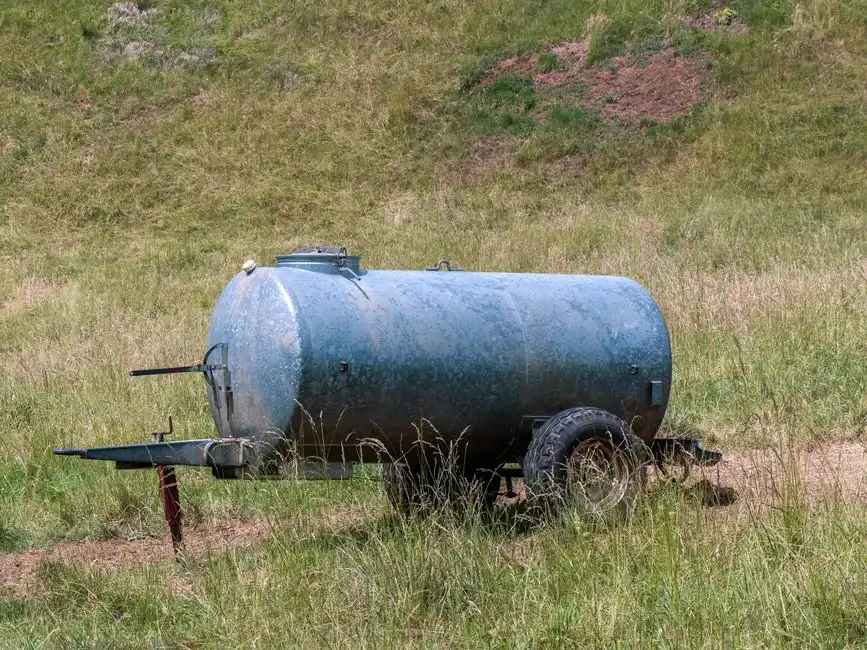
Skid format is driven by site aesthetics, schedule, and relocation risk. A containerized 20' or 40' ISO skid is the fastest path to commissioning: the MBR is factory-tested, ships with all blowers, pumps, control panel, and membranes pre-installed, and can be lifted into place in a single rigging day. Pure Aqua offers the MBR-6.25K through MBR-75.0K series in this format, covering 24–284 m³/d. For a 50–400 room Chiang Mai hotel with a service yard and a 6–8 month fit-out schedule, containerized is the default choice — and it can be relocated if the property is later sold for conversion.
For resort properties where visual impact matters and the plant must sit below a lawn, garden, or pool deck, an underground package sewage treatment plant in the WSZ series (1–80 m³/h) buries the reactor below grade with only the control kiosk and access hatch visible. The trade-off: buried plants are harder to inspect, slower to maintain, and cannot be relocated. Trailer-mounted MBR skids are reserved for pop-up hotels, construction camps, or temporary events that align with Chiang Mai's festival calendar (Songkran, Loy Krathong, flower festival overflow).
Decision framework: containerized when schedule pressure is high and the site has a service zone; buried when aesthetics trump mobility and the O&M contractor is local; trailer-mounted for temporary capacity. For most 100–250 room hotels, containerized 40' ISO delivers the lowest total installed cost when civil works and factory testing are priced in.
Step 5 — Budget the CAPEX and OPEX in THB
A realistic CAPEX band for a 50–250 m³/d packaged MBR in Thailand runs THB 1.2–3.5 million (≈USD 35,000–100,000 at 2026 exchange rates), driven by membrane area, automation level, skid finish (GRP-lined carbon steel vs stainless), and the scope of pre-treatment included (HydropureWater regional cost band, 2026). The OPEX line is dominated by aeration energy — blowers typically draw 0.3–0.5 kWh per m³ treated — plus membrane cleaning chemicals and scheduled membrane replacement at year 7–10. Expect THB 0.8–1.5 million per year for a mid-size hotel plant running at 70–80% of design flow.
Sludge handling is the line item most owners underestimate. MBR produces concentrated waste activated sludge at 1.5–2.0% dry solids; left unmanaged, hauling cost erodes OPEX. A sludge dewatering filter press dewatersthe waste to 25–35% DS cake and cuts sludge hauling cost by 50–70% versus drying beds or belt thickeners. For a 100 m³/d hotel plant, the filter press pays back in 18–30 months on hauling savings alone. Triangulate these figures against the Colombo hotel MBR selection guide and the Chennai hotel MBR buyer's guide in our catalogue to sanity-check regional cost bands; both cities show packaged MBR CAPEX within 15% of Bangkok and Chiang Mai on a like-for-like basis.
The 5-Point Selection Checklist for Your Chiang Mai Hotel MBR
Hand this list to procurement, the M&E consultant, and the Thai permitting authority. Every item maps to a decision point in the article above.
- Size defensibly: confirm design flow at 0.30–0.45 m³ per guest-night (or 0.50–0.60 for 5-star with spa/laundry), add 10–15% wet-season buffer, and apply a 2.0–2.5× diurnal peaking factor for the equalisation tank.
- Pick flat-sheet PVDF unless footprint is the binding constraint and a trained O&M technician is on contract; specify elements that are individually replaceable without draining the tank.
- Verify effluent compliance: MBR must guarantee BOD <5 mg/L and TSS <1 mg/L to clear PCD surface-water limits (BOD ≤20, TSS ≤30) and unlock reuse credits for landscape irrigation and cooling-tower makeup.
- Match skid to site: containerized 40' ISO for fast-track city and MICE hotels, buried package plant for resort properties where visual impact is unacceptable, trailer-mounted for temporary capacity.
- Lock in commercial terms: factory witness test at the supplier's facility, membrane warranty of at least 5 years, and a local Thai service partner with a documented 48-hour on-site response SLA. Validate the AI/automation claims against current AI-driven MBR control trends before paying a premium for a "smart" package.
Closing procurement note: an integrated packaged MBR system that satisfies all five items above will typically secure PCD sign-off within one permit cycle and clear the Building Control Division reuse review without a supplementary treatment train.
Frequently Asked Questions
What flow rate should I size a packaged MBR STP for a 150-room Chiang Mai hotel?
Apply 0.30–0.45 m³ per guest-night for a 3- to 4-star property, or 0.50–0.60 m³ per guest-night for a 5-star with spa, laundry, and large F&B. A 150-room hotel at 75% occupancy and 0.40 m³/guest-night produces 45 m³/d average; add a 10–15% monsoon buffer for a design flow of about 52 m³/d (HydropureWater sizing rule, 2026).
Which membrane format — hollow-fibre or flat-sheet — is better for a hotel MBR in tropical climate?
Flat-sheet PVDF is the safer default for tropical hotel sites because its integrated coarse-bubble aeration box continuously scours the membrane, the system tolerates MLSS up to 15,000 mg/L, and elements are individually replaceable without draining the tank. Hollow-fibre is appropriate when footprint is the binding constraint and a trained O&M technician runs the plant.
What effluent limits does a packaged MBR need to meet for Thailand PCD compliance and hotel reuse?
PCD surface-water discharge requires BOD ≤20 mg/L, TSS ≤30 mg/L, and total coliforms ≤5,000 MPN/100 mL. A PVDF MBR with optional UV polishing delivers BOD <5 mg/L, TSS <1 mg/L, and >4 log virus removal — exceeding PCD limits with margin and clearing reuse thresholds for landscape irrigation, toilet flushing, and cooling-tower makeup.
How much does a packaged MBR STP cost for a mid-size hotel in Thailand?
CAPEX for a 50–250 m³/d packaged MBR in Thailand runs THB 1.2–3.5 million (≈USD 35,000–100,000), with OPEX around THB 0.8–1.5 million per year for a mid-size plant. Sludge hauling is the variable line item — a plate-and-frame filter press dewatersthe waste activated sludge to 25–35% DS and cuts hauling cost by 50–70% (HydropureWater regional cost band, 2026).
Do I need a DAF or grease interceptor upstream of the hotel MBR?
Yes, for any hotel with central kitchen, 24-hour room service, or on-site laundry discharge. FOG coats the membrane and shortens CIP intervals; a DAF unit upstream removes 70–90% of FOG before it reaches the bioreactor and is required by several Chiang Mai districts as a pre-treatment scope item.