Why Colombo Hotels Are Specifying Packaged MBR in 2026
Tourism arrivals into Sri Lanka crossed 2.2 million in 2024 and Colombo's 3–5 star inventory continues to expand, pushing nightly water demand into the 0.20–0.25 m³/guest-night band once laundry, kitchen, and staff use are added. A 4-star hotel running 80% occupancy on 100 keys sends roughly 18–22 m³/day through the sewer — and the Central Environmental Authority (CEA) treats any discharge that fails to meet the prescribed <10 mg/L BOD envelope as a non-compliance event, not a warning. Without effective sewage treatment, hotels risk CEA fines and long-term groundwater contamination (per Prudence Engineering, an accredited Sri Lankan STP designer active since 2008).
Packaged MBR — a factory-built packaged MBR wastewater treatment system with submerged 0.1 µm PVDF membranes — fits Colombo's tight service yards where the water table sits within 1–2 m of grade for half the year. The skid ships tested, arrives on a single low-bed, and can be commissioned in 7–14 days versus 8–12 weeks for a poured-concrete conventional activated-sludge plant. Hotel wastewater is also unusually demanding: kitchen grease pushes BOD to 350–500 mg/L, laundry pulses pH to 9–10, and coastal municipal sewers introduce 500–1,500 mg/L chloride spikes — influent variability that a well-designed submerged membrane bioreactor handles without bulking sludge events.
Sizing a Packaged MBR STP: The Numbers a Colombo Hotel Engineer Actually Uses
Vendor bids in Sri Lanka routinely understate peak flow by 30–50%, which is why CEA rejections and overflow incidents still surface in coastal districts. The defensible sizing basis is: average daily flow (ADF) × peak factor = peak hourly flow (PHF), then select a packaged MBR rated at PHF with 20% hydraulic margin. Use these unit demands until you have a measured influent study:
- Guest: 0.20–0.25 m³ per occupied room-night (per hotel STP design convention; covers room, F&B, common areas).
- Staff: 0.05 m³ per staff-day (shifts, kitchen, housekeeping).
- Laundry: multiply total guest+staff flow by 1.15 if on-site laundry operates.
Peak factor: 2.0× for a stable-occupancy business hotel (CBD corporate traffic, predictable weeknight loadings); 2.5× for a resort hotel with weekend/seasonal peaks, banquet spikes and monsoon inflow/infiltration (I&I). This is the single most underspecified number in vendor bids in Sri Lanka and the first place to push back on a quotation.
Worked example — 100-key, 30-staff, 4-star Colombo hotel with on-site laundry. ADF = (100 × 0.225) + (30 × 0.05) = 22.5 + 1.5 = 24.0 m³/day, × 1.15 laundry factor = 27.6 m³/day, say 28 m³/day. Peak factor 2.0× (CBD business hotel) gives PHF ≈ 56 m³/day. Add 20% margin and the recommended packaged MBR capacity is 70 m³/day — comfortably inside the 10–2,000 m³/day envelope of a standard packaged MBR wastewater treatment system. The HECS 6 KLD packaged STP described in a published Sri Lankan hotel reference sits at the boutique end of this same product family (per HECS Amaze MBR PSTP, a 6 m³/day packaged plant documented in local hotel installations).
| Room count | Avg flow (m³/day) | Peak flow @ 2.0× (m³/day) | Recommended MBR (m³/day) | Footprint (m², approx.) |
|---|---|---|---|---|
| 30 keys (boutique) | 10 | 20 | 25 | 10–15 |
| 60 keys (3-star) | 19 | 38 | 45 | 18–25 |
| 100 keys (4-star) | 28 | 56 | 70 | 25–35 |
| 200 keys (5-star) | 56 | 112 | 135 | 45–60 |
| 300 keys (resort) | 85 | 213 (×2.5) | 260 | 70–90 |
Footprints assume a single above-grade packaged MBR skid with integral tank; buried configurations shrink the visible footprint to roughly 40% of these numbers at the cost of excavation and dewatering on a Colombo site with a high water table.
What a Packaged MBR Must Discharge to Stay CEA-Compliant
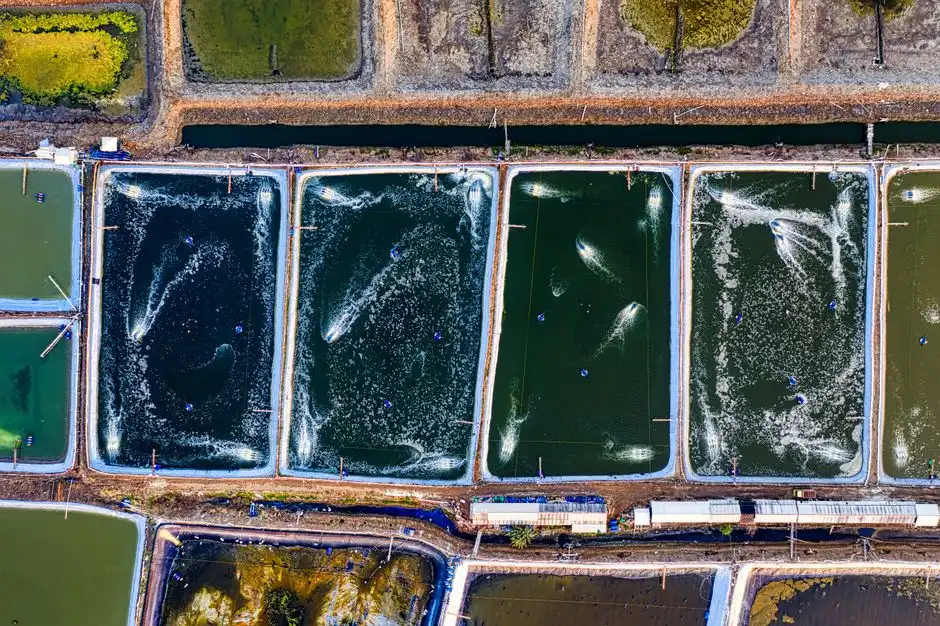
The pass/fail line for any hotel STP in Sri Lanka is the CEA discharge envelope, not the vendor's marketing sheet. A correctly designed packaged MBR should reliably deliver the following treated-water parameters (HydropureWater field data, 2026, consistent with the published 99% impurity-removal envelope of an MBR PSTP):
| Parameter | CEA / design envelope | Why it matters for a hotel |
|---|---|---|
| BOD₅ | ≤ 10 mg/L | Receiving-water protection and reuse eligibility for toilet flush and irrigation. |
| TSS | ≤ 10 mg/L | MBR's 0.1 µm membrane cut-off physically excludes suspended solids — no tertiary clarifier needed. |
| COD | ≤ 50 mg/L | Cross-check on BOD; protects reuse piping from organic fouling. |
| NH₃-N | ≤ 5 mg/L | Prevents ammonia toxicity in cooling-tower make-up and irrigation reuse. |
| Fecal coliform | Non-detectable in 100 mL | Achievable only with the membrane barrier plus UV or chlorine dioxide polishing (tertiary disinfection stage, per standard Sri Lankan STP process design). |
| pH | 6.5–8.5 | Laundry alkaline pulses must be neutralised in equalisation upstream of the MBR. |
The 0.1 µm cut-off of a PVDF submerged membrane is what gives an MBR its TSS and pathogen margin — conventional activated sludge typically discharges 20–30 mg/L TSS even with a well-operated secondary clarifier. CEA expects treated water quality to be demonstrated by an accredited lab report during commissioning, so insist on a 7-day composite sample from the supplier before releasing the final payment milestone. Treated water at this envelope is suitable for toilet flushing, landscaping, and cooling-tower make-up; guest-laundry or pool top-up reuse requires a separate RO polish.
Packaged MBR vs Underground A/O vs Containerised MBR: Which Wins on a Colombo Site?
Three formats compete for a Colombo hotel project. None is universally best; the right answer depends on water table, service-yard geometry, and how visible the plant can be from guest areas.
| Criterion | Packaged MBR skid (above-grade) | Underground WSZ A/O + disinfection | Containerised / ISO-frame MBR |
|---|---|---|---|
| Footprint | Smallest visible — 0.1 µm membranes deliver <1 µm filtrate and roughly 60% smaller footprint than conventional activated sludge (per MBR product spec). | Buried; visible footprint is just the access covers and control kiosk — landscape recoverable above. | Fixed 20 ft / 40 ft ISO footprint; needs truck access for delivery and cassette change-out. |
| Civil works on a Colombo site | Minimal — concrete plinth only. Best choice where the water table sits within 1–2 m of grade. | Significant — excavation, dewatering, anti-floatation slab. Not viable above the water table without a substantial raft. | Minimal — concrete hardstand only. |
| Effluent quality | BOD/TSS < 10 mg/L, non-detectable fecal coliform with UV polish. | BOD/TSS 20–30 mg/L typical; needs a separate tertiary filter or MBR upgrade to reach CEA < 10 mg/L envelope. | Same as packaged MBR — membrane and biology are identical. |
| Expansion modularity | Add a second skid in parallel; common in phased hotel expansions. | Limited — additional buried tanks need new excavation. | Drop-in additional ISO modules; container logistics dominate cost. |
| Operator skill required | Low — automated with remote monitoring. | Moderate — sludge wasting and decanter cycles need human judgement. | Low — same automation as packaged skid. |
| Best fit in Colombo | Existing hotels retrofitting into a tight service yard. | New-build hotels where the landscape above the plant is a design priority, with low water table. | Resorts with truck access and a need for 7-day mobilisation. |
For a typical retrofitted 4-star hotel in the Colombo 03–07 corridor, the packaged MBR skid is the default recommendation. The underground packaged sewage treatment plant alternative wins on new-build sites where the owner wants the service yard returned to landscaping, and the containerised packaged MBR wastewater treatment system is the right answer for resort properties with phased build-out and truck access. The DF-series PVDF flat-sheet MBR membrane module can be specified inside any of the three formats.
Membrane, Material and Automation Choices That Decide 10-Year OPEX
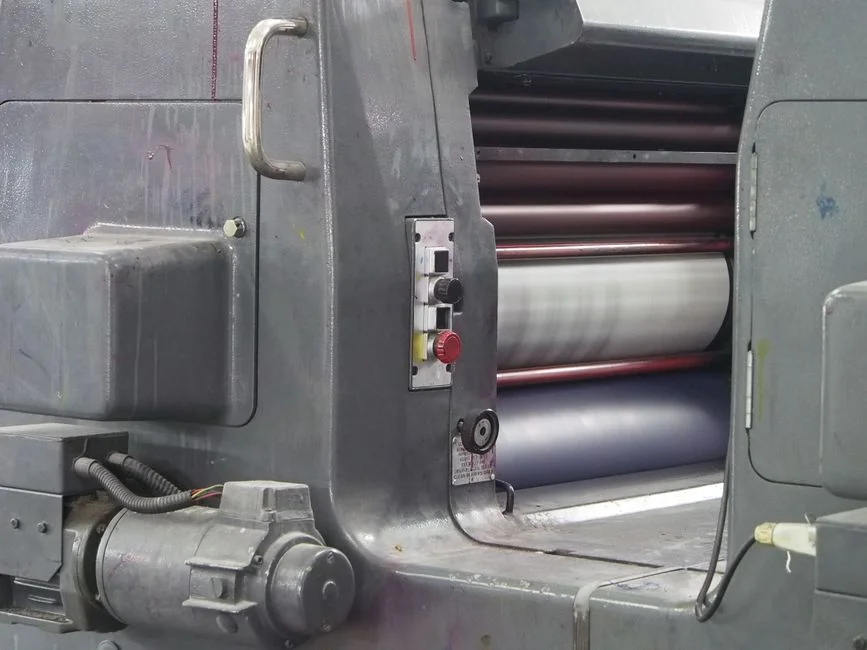
First cost is roughly 30–40% of the procurement decision; the rest is membrane life, energy per m³, and operator hours. Specify PVDF flat-sheet or hollow-fibre submerged membranes at 0.1–0.03 µm pore size, with an integral aeration scour box — the DF module is rated for 10–20× lower energy than external cross-flow designs because permeate suction and air scour share the same manifold. PVDF resists the chlorine residuals used during cleaning-in-place (CIP) far better than polyethersulphone or polyethylene, which is why it is the default material in hotel MBR installations.
Membrane replacement is the dominant 5–10 year OPEX line. A correctly operated PVDF cassette runs 8–10 years before flux declines below design; aggressive CIP with citric acid (to remove scalants) followed by 500–2,000 mg/L NaOCl (to control biofouling) extends life by 2–3 years. Demand individually replaceable elements so a single failed sheet does not force a full cassette change-out at 60–80% of new-unit cost. For a 100-key hotel MBR, budget 8–15% of installed cost as membrane replacement reserve over a 10-year horizon (HydropureWater field data, 2026).
Automation is the second OPEX lever. A packaged MBR with remote SCADA — alarms on transmembrane pressure (TMP), dissolved oxygen (DO), and flow — cuts operator visits from daily to weekly and is essential when the hotel cannot justify a full-time STP attendant. The HECS SmartHub-style remote monitoring referenced in published Sri Lankan hotel installations is the reference benchmark. Finally, specify corrosion-resistant GRP or powder-coated stainless enclosures — coastal Colombo humidity plus salt-laden air will eat mild steel in 3–5 years.
The CEA Documentation Pack and Operator Handover
A packaged MBR protects the hotel only if the paperwork and training are right. The typical CEA submission for a hotel STP in Sri Lanka includes: a design basis report (with the peak factor and influent/effluent envelope from this guide), a process flow diagram, a hydraulic profile, a guaranteed effluent quality table, an O&M manual, and an operator competency certificate issued by the system designer. The designer must be a CEA-accredited consultant — Prudence Engineering, for example, has held CEA accreditation since 2017 and operates a 200+ installation base across the island (per Prudence Engineering, 2025-08) — and the hotel should verify this accreditation is current before signing.
For the disinfection and sludge train, specify a chlorine dioxide generator or UV steriliser downstream of the MBR to meet the non-detectable fecal coliform target, and a sludge dewatering filter press to reduce waste volume before off-site disposal. Without dewatering, a 100-key hotel will generate 1.5–2.0 m³ of wet sludge per week — a hidden OPEX line many boards miss. Close out the project with a 7–14 day trial run, composite sampling at a CEA-accredited lab, and a signed handover certificate. For an SBR process alternative to compare against, see the SBR process design and sizing reference.
Supplier Shortlist: 10 Questions to Ask Any Packaged MBR Vendor in Sri Lanka
Use this scorecard in any vendor meeting. A credible packaged MBR supplier in Sri Lanka should answer "yes" to at least 8 of 10.
| # | Question | Pass / Fail trigger |
|---|---|---|
| 1 | Are you a CEA-accredited STP consultant? | Letter of accreditation, current year. |
| 2 | Can you show 200+ island installations and at least one Colombo hotel reference? | Reference list with contact numbers. |
| 3 | What is the membrane material, pore size, origin, and warranty? | PVDF, 0.1 µm, 5+ year pro-rata membrane warranty. |
| 4 | Is the unit factory-tested on a clean-water loop before shipment? | Factory Acceptance Test (FAT) report per ISO 9001 process. |
| 5 | What is the delivery lead time to Colombo? | ≤ 8–10 weeks ex-works for a packaged 50–100 m³/day unit. |
| 6 | What is included in your civil works scope? | Clear split between supplier and client — no grey areas on plinth and pipework. |
| 7 | Do you offer SCADA with remote monitoring and mobile alerts? | Web/mobile dashboard; alarm forwarding to email/SMS. |
| 8 | What is the OPEX in LKR per m³ treated? | Itemised — power, chemicals, membrane CIP, operator hours, sludge hauling. |
| 9 | What is the response time for a Colombo-based service engineer? | ≤ 24 hours on-island, with a service contract option. |
| 10 | Is operator training and a 7-day composite sampling protocol included? | Training certificate + accredited lab report at handover. |
For reference, the packaged MBR wastewater treatment system range covers 10–2,000 m³/day in both skid and containerised formats, with PVDF membrane modules and remote monitoring as standard. Before signing any contract, lock down three deliverables in writing: the influent characterisation the bid is based on, the peak-flow basis (2.0× or 2.5×), and a guaranteed effluent table tied to a retention payment.
Frequently Asked Questions
What peak flow factor should I use when sizing a packaged MBR for a Colombo hotel?
Use 2.0× for a business hotel with stable occupancy and 2.5× for a resort with weekend or seasonal peaks plus monsoon-driven inflow/infiltration. A 100-key 4-star Colombo hotel with on-site laundry typically averages 28 m³/day, peaks at 56 m³/day (×2.0), and needs a 70 m³/day packaged MBR after a 20% hydraulic margin (HydropureWater field data, 2026).
What effluent parameters must a packaged MBR meet for CEA discharge approval in Sri Lanka?
CEA expects BOD ≤ 10 mg/L, TSS ≤ 10 mg/L, COD ≤ 50 mg/L, NH₃-N ≤ 5 mg/L, pH 6.5–8.5, and fecal coliform non-detectable in 100 mL. The 0.1 µm PVDF membrane is what makes the TSS and pathogen envelope physically achievable; a UV or chlorine dioxide polish is required downstream for the coliform target.
How does an MBR differ from a conventional activated sludge plant for a hotel?
An MBR couples a biological reactor with a submerged 0.1 µm membrane that physically retains solids, so there is no need for a secondary clarifier or tertiary sand filter. Effluent TSS is consistently below 10 mg/L versus 20–30 mg/L for conventional activated sludge, and the footprint is roughly 60% smaller — a decisive advantage on tight Colombo service yards.
How often do MBR membranes need to be replaced in a hotel installation?
PVDF submerged membranes in a well-operated hotel MBR last 8–10 years before flux declines below design, with annual CIP using citric acid and 500–2,000 mg/L NaOCl. Individually replaceable elements avoid a full cassette change-out and reduce the membrane reserve budget to roughly 8–15% of installed cost over a 10-year horizon.
Can the treated water from a packaged MBR be reused for toilet flushing and irrigation at a hotel?
Yes. Water meeting the BOD ≤ 10 mg/L, TSS ≤ 10 mg/L, NH₃-N ≤ 5 mg/L, and non-detectable fecal coliform envelope is suitable for toilet flushing, landscaping, and cooling-tower make-up. Guest-laundry or pool top-up reuse requires an additional RO polish. For full specifications, see the packaged MBR wastewater treatment system product page.