What 'Compact' Actually Means for Pharmaceutical Effluent
A compact sewage treatment unit for pharmaceutical plants is a prefabricated, skid- or container-mounted biological system — typically A/O, SBR, or MBR — engineered to treat 10–2,000 m³/d of effluent containing high COD, residual active pharmaceutical ingredients (APIs), antibiotics, and solvents. In a pharma context "compact" does not mean a small domestic package. It means a factory-built envelope integrating equalisation, biological treatment, clarification or membrane separation, and disinfection, sized for industrial flows and qualified against industrial discharge rules. The unit usually sits downstream of equalisation and pre-treatment (Fenton, ozone, or DAF) and delivers effluent COD ≤50 mg/L, BOD ≤10 mg/L, and TSS ≤10 mg/L suitable for discharge or reuse, in a footprint roughly 60% smaller than conventional activated sludge (HydropureWater MBR system datasheet).
The domestic package plants sold for houses, hotels, and small communities — certified to EN 12566 and shipped in 1–18 m³/d capacity bands (BioKube product range, retrieved 2026) — are not pharma equipment. Pharmaceutical influent is an order of magnitude higher in COD (commonly 1,000–25,000 mg/L), carries BOD₅/COD ratios often below 0.4 (a marker of poor biodegradability), swings between pH 2 and pH 11, and is loaded with solvents, salts, and antibiotic residues (Li et al., J. Water Process Eng. 63, 105404, June 2024). Li et al. describe pharmaceutical wastewater as "highly toxic" and "difficult to be purified" precisely because of these residual APIs and refractory organics — conditions a CEN 12566 system has no design margin for. A single biological package is therefore rarely sufficient: "compact" for pharma means a compact centre of a multi-barrier train, not a stand-alone box.
Why Pharmaceutical Effluent Breaks a Standard Packaged Plant
Generic packaged biology fails on pharma sites for four documented reasons. First, residual APIs and antibiotic carry-over inhibit or kill the biomass in conventional activated sludge; shock loads from a fermentation batch or a CIP rinse can drop MLVSS by 30–50% within hours and trigger a permit excursion. Second, under-designed systems select for antibiotic-resistance genes (ARGs): the 2024 Li et al. review highlights ARG proliferation as a direct consequence of incomplete pharmaceutical wastewater treatment, and Hou et al. (Water Res. 2019) demonstrated that combinations of UASB + A/O + advanced oxidation are required to remove both antibiotics and ARG hosts simultaneously. The compact biological stage must therefore hold high MLSS with good sludge retention, which is the structural advantage of MBR over CAS.
Third, batch discharges from CIP, formulation suites, and QC labs produce salinity and pH swings that domestic EN 12566 systems are not designed to buffer. Equalisation is non-negotiable: a 24–48 h HRT buffer is the difference between a stable biological stage and a permit violation. Fourth, the refractory organic fraction — antibiotics, cytotoxics, contrast media, hormones, and organic solvents — survives biological treatment, which is why a downstream advanced oxidation stage (ozone, Fenton, UV/H₂O₂) is standard in the pharma train, not optional. Li et al. note that "existing composite processes, while capable of meeting emission standards, have long process chains, require large land areas, high costs, and show high carbon emissions" (2024 review, J. Water Process Eng. 63, 105404). That observation is exactly why compact, modular, multi-barrier systems have become the 2026 default for new pharma builds and brownfield expansions — they compress the composite train into a smaller envelope without dropping the barriers.
The Three-Stage Train: Where the Compact Unit Fits
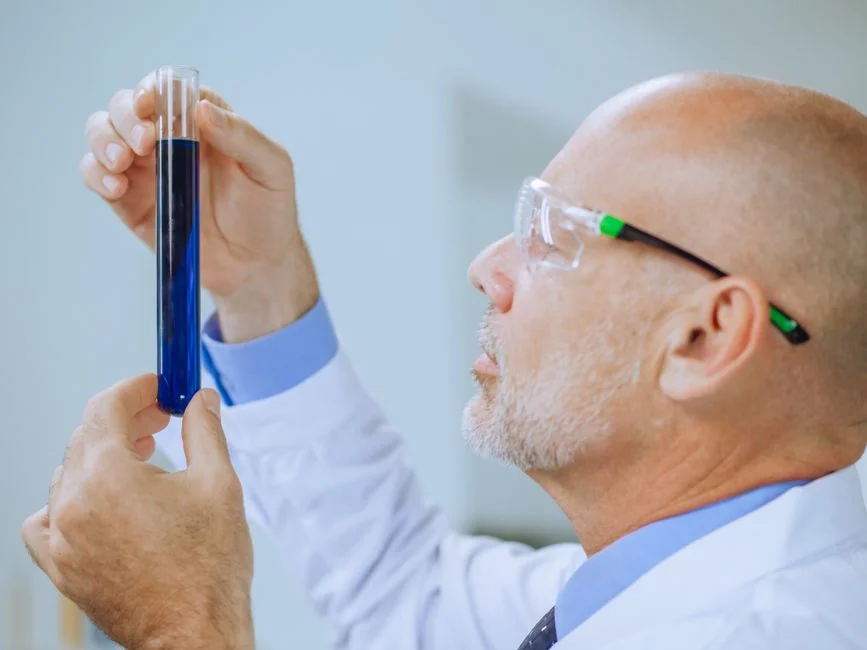
A defensible pharma effluent train is a three-stage architecture, and the compact biological package is the middle stage — never the only stage. The buyer who tries to specify one box that does everything ends up with a non-compliant plant.
- Stage 1 — Pre-treatment. A GX rotary mechanical bar screen for headworks solids removal, followed by a 24–48 h HRT equalisation tank with pH correction, and either a dissolved air flotation system for FOG and suspended solids or a Fenton/ozone reactor for easily-oxidised APIs and antibiotics. Pre-treatment is what protects the downstream biological stage from shock and emulsified loading.
- Stage 2 — Compact biological package. The A/O, SBR, or MBR system itself: the "sewage treatment unit" the buyer is specifying. This is where COD, BOD, and ammonia are removed and where the bulk of the capex/opex sits.
- Stage 3 — Advanced treatment and disinfection. MBR effluent polishing, ozonation or UV/H₂O₂ for residual APIs, activated carbon for trace organics, and either chlorine dioxide or UV for disinfection. Sludge is dewatered on a plate and frame filter press for sludge dewatering to roughly 22–28% dry solids before disposal.
The combined "pretreatment + biochemical + advanced" treatment flow is the reference architecture used in the 2024 Li et al. review and is what every compact unit for pharma must be sized into. Equipment position matters: putting an MBR upstream of equalisation, or skipping the DAF before an SBR treating antibiotic wastewater, is the most common spec error we see in pharma RFQs. The 2026 EPA pretreatment standards (40 CFR 133) and the EU Industrial Emissions Directive 2010/75/EU both expect a properly designed front end before any biological stage, regardless of footprint.
A/O vs SBR vs MBR: Choosing the Right Biological Core
The three viable compact cores for pharma are A/O (anoxic/oxic), SBR (sequencing batch reactor), and MBR (membrane bioreactor). Each has a defensible niche; the wrong choice locks the plant into 10–15 years of OPEX pain. The comparison below is framed against a 20–50 m³/d API or formulation load — the flow band where most compact pharma units are actually specified.
| Parameter | A/O (e.g. WSZ underground A/O package) | SBR | MBR (e.g. HydropureWater MBR system) |
|---|---|---|---|
| Flow regime | Continuous | Time-based batch | Continuous with submerged membranes |
| Typical influent COD window | 500–3,000 mg/L | 500–5,000 mg/L | 500–10,000+ mg/L |
| Achievable effluent COD | ≤100 mg/L | ≤50 mg/L | ≤30 mg/L |
| Achievable effluent TSS | ≤30 mg/L | ≤10 mg/L | <1 mg/L |
| Achievable NH₃-N | ≤15 mg/L | ≤5 mg/L | ≤1 mg/L |
| MLSS tolerance | 3,000–5,000 mg/L | 3,000–6,000 mg/L | 8,000–12,000 mg/L |
| Footprint per m³/d | ~0.6–0.8 m² | ~0.7–1.0 m² | ~0.3–0.5 m² |
| Relative CAPEX | Lowest | Mid | Highest |
| Best-fit flow band | <20 m³/d or >500 m³/d multi-train | <20 m³/d, variable load | 20–500 m³/d |
| Refractory API handling | Limited — needs polishing | Moderate | Strong (high MLSS, polish-ready) |
The 60% footprint reduction claimed for the HydropureWater MBR is the headline number in the table, but the more important operational fact is the 8,000–12,000 mg/L MLSS band: that is what gives MBR the resilience to absorb the 30–50% MLVSS dips a pharma site delivers during a fermentation or formulation batch. SBR remains the right answer for sub-20 m³/d flows with highly variable loads, because cycle ratios can be re-tuned per shift. A/O is the lowest-capex option and the right call on very small or very large multi-train flows, but it needs a downstream MBR polish or an advanced oxidation stage to consistently meet the ≤50 mg/L COD envelope most jurisdictions require for surface-water discharge. The PVDF flat-sheet membrane modules used in the MBR core (DF series, 0.1 µm nominal pore) are also far more tolerant of intermittent shock loading than hollow-fibre units, which is why they dominate pharma MBR retrofits.
Effluent Targets and Compliance Anchors for 2026
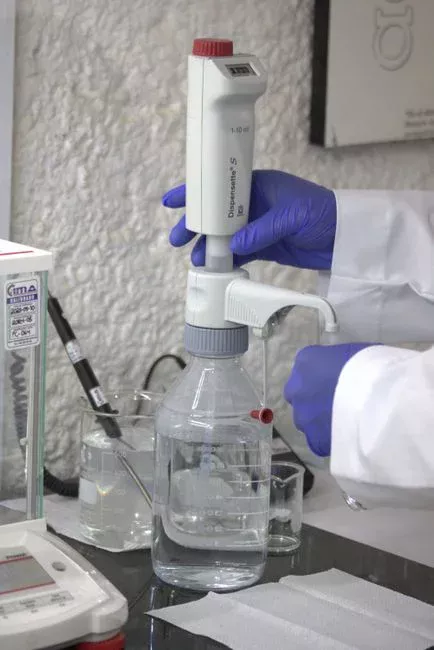
The compact unit's effluent target is set by the discharge route, not by the technology choice. Surface-water discharge in most jurisdictions now expects COD ≤50 mg/L, BOD ≤10 mg/L, TSS ≤10 mg/L, and NH₃-N ≤5 mg/L (Li et al., 2024 review, J. Water Process Eng. 63, 105404). The EU Urban Waste Water Directive 91/271/EEC and the WHO Guidelines on Pharmaceuticals in Drinking-Water set the residual-pharmaceutical envelope, while the EU Industrial Emissions Directive 2010/75/EU and the US EPA's 40 CFR 133 govern the upstream process and pretreatment standards. The HydropureWater medical wastewater treatment system is one example of a compact unit engineered to this baseline for hospital and pharma-adjacent streams.
For sewer discharge to a municipal POTW, the compact unit is sized to meet local pretreatment limits — typically COD ≤1,000 mg/L, TSS ≤500 mg/L, pH 6–9 — which is a much lighter envelope than direct discharge and changes the technology choice toward A/O or SBR rather than MBR. For on-site reuse (cooling-tower make-up, boiler feed, CIP final rinse), target reuse-grade quality: BOD₅ ≤30 mg/L, COD ≤50 mg/L, turbidity ≤1 NTU, and add RO or EDI polishing to bring conductivity and silica in line with the downstream asset. Connecting the effluent target to the discharge route upfront is what keeps the spec defensible at audit; for related pharma reuse considerations, our underground sewage treatment system for pharmaceutical plants guide walks through the buried-vs-above-grade decision in more detail.
Sizing, Footprint, and 2026 CAPEX Bands
The sizing rule of thumb for a pharma compact biological stage is 1.2–1.5× the average daily flow to handle batch peaks, with the upstream equalisation tank sized at 24–48 h HRT (HydropureWater engineering guideline, 2026). Footprint scales inversely with technology complexity: an MBR package at 0.3–0.5 m² per m³/d is roughly half the area of an SBR at 0.7–1.0 m² per m³/d, which is the "60% smaller" headline the MBR datasheet quotes against conventional activated sludge.
| Configuration | Footprint (m² per m³/d) | CAPEX band, 2026 (USD per m³/d) | Typical OPEX drivers |
|---|---|---|---|
| Skid-mounted A/O package | 0.6–0.8 | 15,000–40,000 | Aeration energy 60–70% of plant kWh; sludge hauling |
| SBR package | 0.7–1.0 | 20,000–55,000 | Aeration + sequence-control instrumentation; sludge hauling |
| MBR package | 0.3–0.5 | 35,000–80,000 | Aeration + membrane cleaning CIP; membrane replacement every 5–8 years |
| Pre-treatment add-on (DAF or Fenton) | +10–20% | +20–40% of biological CAPEX | Fenton: H₂O₂ + FeSO₄ dosing; DAF: polyacrylamide + saturator |
| Advanced polishing (O₃ / UV-H₂O₂ / carbon) | +10–15% | +30–60% of biological CAPEX | Ozone generator power; UV lamp replacement; carbon exhaustion |
The biological CAPEX bands above are descriptive order-of-magnitude figures consistent with the relative technology complexity stated in the 2024 Li et al. review — they are not vendor quotes and a specific RFQ will move ±25% based on materials (SS304 vs SS316 contact parts), instrumentation, and country of manufacture. Add 30–60% on top of the biological CAPEX for pre-treatment and advanced polishing, which matches the 2024 review's observation that composite trains carry significant non-biological cost. OPEX is dominated by aeration energy at 60–70% of plant electricity, membrane replacement on the MBR at a 5–8 year cycle, and sludge hauling — the plate and frame filter press for sludge dewatering cuts hauling cost by getting cake to 22–28% DS. For an antibiotic-fermentation wastewater context where ozone polishing is essential, see our ozone oxidation system for antibiotic fermentation wastewater engineering guide, and for the trace-organic polish step our activated carbon filter for refractory organic wastewater guide is the relevant follow-on.
Selection Checklist: Specifying a Compact Pharma Sewage Treatment Unit
Use this vendor-ready checklist before issuing an RFQ for a packaged or containerised pharma STP. Items 1–4 fix the design basis; items 5–7 fix the build quality and scope.
- Influent characterisation. A 7-day composite sampling campaign for COD, BOD₅, TSS, pH, salinity, residual APIs of concern, and ARG screening if any antibiotic is handled on site. Without this, the biological stage is sized on assumptions.
- Discharge route. Sewer, surface water, or on-site reuse — locked in writing before the technology shortlist is finalised, because it sets the effluent envelope and therefore the biological choice.
- Hydraulic profile. Average, peak, and instantaneous batch flows. Equalisation sizing follows directly from peak-to-average ratio and required HRT.
- Footprint and headroom. Buried (WSZ-style), skid-mounted above-grade, or containerised in a 40-ft ISO frame. Buried units free up surface land but complicate tank inspection; containerised units suit pilot and trailer-mounted deployments.
- Materials and certifications. SS304 minimum, SS316 for solvent-bearing or high-chloride streams; ISO 9001 fabrication; CE marking for EU sites; compliance with the EU Industrial Emissions Directive 2010/75/EU, US EPA 40 CFR 133, or local pharma effluent rules as relevant.
- Automation. PLC with remote telemetry, "no-operator" design for units below 50 m³/d, and integration with the plant's central SCADA so the EHS team gets one alarm path, not five.
- Vendor scope. Influent characterisation support, P&ID, factory acceptance test (FAT), installation supervision, commissioning, and a 12-month performance guarantee tied to the agreed effluent KPIs — not just a mechanical warranty.
The RFQ that goes out with all seven items answered is the one that comes back with comparable bids. For brownfield and acquisition contexts — for example a contract manufacturer taking on a newly acquired Indian formulation site — the WuXi AppTec India 2026 wastewater compliance guide covers the regulatory side of the same exercise.
Frequently Asked Questions
What is a compact sewage treatment unit for pharmaceutical plants?
A prefabricated A/O, SBR, or MBR system handling 10–2,000 m³/d, normally specified as the middle stage of a pre-treatment + biological + advanced-oxidation train. It is designed for pharma effluent containing APIs, antibiotics, and solvents and sized to deliver COD ≤50 mg/L, BOD ≤10 mg/L, and TSS ≤10 mg/L in roughly 60% of the footprint of a conventional activated sludge plant.
Can a domestic package plant treat pharma wastewater?
No. Domestic package plants in the 1–18 m³/d range, certified to EN 12566 (BioKube product range, retrieved 2026), are designed for household BOD₅ and TSS profiles, not pharma COD 1,000–25,000 mg/L, API toxicity, or batch salinity and pH swings. They will fail an effluent compliance audit inside one operating quarter on a pharma site.
MBR vs SBR for pharma: which is better?
MBR is the standard choice for 20–500 m³/d flows where footprint, MLSS resilience, and reuse-grade effluent matter. SBR is the right answer for sub-20 m³/d flows with highly variable loads, because the cycle ratios can be re-tuned per shift. Both outperform conventional A/O on refractory APIs because they sustain higher MLSS and tighter effluent TSS.
What pre-treatment is needed upstream of the package unit?
At minimum: a rotary bar screen for solids, a 24–48 h HRT flow and pH equalisation tank, and either a DAF unit (for FOG and suspended solids) or a Fenton/ozone reactor (for oxidisable APIs and antibiotics). Skipping equalisation is the single most common cause of biological-stage failure on pharma sites.
What CAPEX should we budget for a 50 m³/d pharma compact STP in 2026?
Order-of-magnitude USD 1.5–4 million all-in, depending on the effluent target and the polishing scope (ozone, UV/H₂O₂, carbon, RO). The biological package alone — typically an MBR core — runs roughly USD 1.75–4 million for 50 m³/d at the 35,000–80,000 USD per m³/d band; add 30–60% on top for pre-treatment and advanced polishing to land in the all-in range above. These figures are descriptive engineering estimates consistent with the 2024 Li et al. review's composite-train cost burden, not vendor quotes.
Related Equipment
- DF series PVDF flat sheet MBR membrane module — specifications, capacity range, and technical data
- Chlorine dioxide generator — specifications, capacity range, and technical data