Why Vitamin Manufacturing Effluent Needs an AOP Stage
Vitamin C and B-complex plants fail 2026 permit tests on color and BOD/COD ratio, not on the raw COD loading the biological stage was designed to handle. Raw vitamin mother liquor characterized in peer-reviewed work showed pH 6.98, COD 63,000 mg/L, BOD 7,717 mg/L, and a BOD/COD ratio of just 0.12 (MDPI Processes, 2025-08) — a value that signals an effluent the biomass will barely touch. After ozone pretreatment at 7 g/h and 4% w/w O₃ for 4 hours, that same stream's BOD/COD rose to 0.44, COD dropped 41%, and color fell 33.3%; ten subsequent days of aerobic biodegradation then pushed cumulative COD reduction to 73%.
Conventional biotreatment on vitamin fermentation effluent typically leaves BOD/COD below 0.2, the 2026 non-compliance trigger under China GB 21904 and the EU 2022/647 watch list for recalcitrant compounds. The two chromophore sources the engineer has to plan for are residual pyridoxine, riboflavin, and nicotinamide from B-complex production, and β-carotene with its conjugated polyene isomers from vitamin A synthesis. Both absorb in the visible range and survive activated sludge. The job of the AOP is to convert these bio-recalcitrant molecules into biodegradable fragments, not to destroy high-strength loadings on its own — that 73% cumulative reduction came from ozone plus 10 days of downstream aerobic biodegradation, not ozone alone. Reframing the AOP as a BOD/COD-lift and chromophore-clearing tool is what lets the engineer defend scope and budget to procurement before the mode debate starts.
Vitamin Wastewater Characterization: The Numbers That Drive Sizing
Before an OEM can quote a generator, the engineer must produce a characterization table with the parameters that actually drive sizing. The typical vitamin manufacturing wastewater envelope is COD 3,000–25,000 mg/L, BOD₅ 1,500–7,000 mg/L, TSS 500–4,000 mg/L, pH 4–9, color 1,000–5,000 Pt-Co units, and temperature 25–40°C. Mother liquor from ascorbic acid synthesis can spike above 60,000 mg/L COD, but the slipstream sent to ozone polishing is normally the post-MBR effluent — and the polishing-stage numbers apply there, not at the raw mother-liquor loading.
Two process variables dominate the mode decision. First, pH: vitamin effluents arrive near pH 7, where molecular ozone (E° = 2.07 V) reacts selectively with electron-rich aromatics. Lift the contactor to pH 8.5–9.0 with NaOH or lime and ozone decomposes through a chain reaction that generates hydroxyl radicals (•OH, E° = 2.85 V), the non-selective oxidant that attacks saturated and otherwise unreactive organics. Reactor hardware does not change; only the dose of caustic does. Second, bromide: if feed Br⁻ exceeds 0.1 mg/L, molecular ozone forms bromate and mode selection has to shift away from O₃ alone — a real consideration in coastal Chinese vitamin plants.
| Parameter | Vitamin effluent (pre-ozone, post-MBR) | Target after ozone polishing |
|---|---|---|
| BOD/COD ratio | 0.10–0.20 | > 0.30 |
| COD (mg/L) | 500–3,000 | < 200 (post-guard) |
| pH (contactor) | 6.5–8.0 | 8.5–9.0 for •OH pathway |
| Color (Pt-Co) | 500–3,000 | < 30 dilution units (per GB 21904) |
| Applied O₃ dose (mg/L) | — | 200–500 (pilot-locate optimum) |
| Bromide (mg/L) | < 0.1 preferred | Switch mode if > 0.1 |
AOP Modes for Vitamin Polishing: O3, O3/H2O2, O3/UV
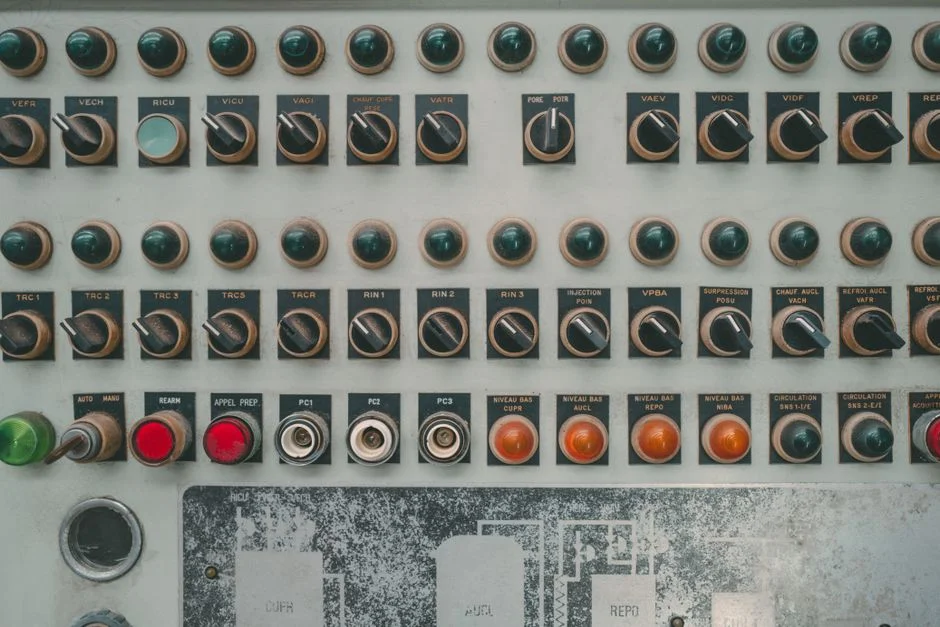
The three ozone operating modes split along three axes: oxidation power, capex, and opex. O₃ alone has the lowest capital cost and is best for color and aromatic chromophore removal; the risk is bromate formation when feed Br⁻ exceeds 0.1 mg/L. O₃/H₂O₂ (Peroxone) converts nearly 100% of input O₃ to •OH at the optimal 1:0.7 mass ratio and pushes the BOD/COD ratio upward more aggressively — 60–80% COD removal is achievable on food-pharma streams at 200–500 mg/L applied dose. O₃/UV delivers the highest oxidation power (92% COD on the Shiraz refinery case at 2,335 mg/L, pH 9.4, 15°C) but UV lamp fouling and energy cost are the opex constraints that often push the mode out of contention for color-saturated vitamin streams.
For vitamin manufacturing, the default specification is O₃/H₂O₂ unless the stream is sulfide-bearing (in which case the alkaline O₃/UV case is supported by refinery data) or the target chromophore is highly conjugated, as with residual β-carotene from vitamin A synthesis, where UV photolysis adds genuine incremental removal. A defensible pharma benchmark for low-strength finishing effluent is ozone 10 mg/L + H₂O₂ 1.8 mL/L at pH 6 for 60 min, which achieved 46.3% COD removal on tablet-coating wastewater (2025-08) — a useful spec for that slipstream. For high-strength mother liquor, route a slipstream through ozone to oxidize inhibitory compounds before it is recycled to the bioreactor, rather than ozonizing the full flow; ozonation raised specific oxygen uptake rate (SOUR) by 126.2% on textile effluent, direct evidence that the biotreatment downstream is more active on a pre-ozonated feed. A design memo should state the mode, the applied dose, the O₃:H₂O₂ ratio, the contactor pH, and the anticipated bromate risk before any pilot runs.
| Mode | Best fit for vitamin duty | Capex | Key risk / constraint |
|---|---|---|---|
| O₃ alone | Color removal, low-Br⁻ streams | Lowest | Bromate if Br⁻ > 0.1 mg/L |
| O₃/H₂O₂ (Peroxone, 1:0.7) | BOD/COD lift, mixed recalcitrance (default) | Mid | H₂O₂ handling, 60–80% COD at 200–500 mg/L |
| O₃/UV | Sulfide-bearing streams, conjugated VA chromophores | Highest | Lamp fouling, energy; 92% COD refinery case at 2,335 mg/L |
Dose Window and Position: Where the COD Actually Goes
The safe design window for non-pressurized ozone contactors is an applied injection rate of 0.09–0.15 g O₃/L·h (1.5–2.5 mg/L·min); above 0.2 g/L·h the marginal COD gain flattens. The non-linear dose response is the single most important point to defend in the design memo: at ozone doses of 100, 200, and 300 mg/L for 2 hours, COD removal was 43%, 65%, and 44% respectively (2025-08) — proof that pushing dose past the optimum wastes energy and can re-form recalcitrant by-products.
Position in the train matters more than the absolute dose. A 400 L pilot with venturi injection at up to 600 mg O₃/L produced a ranking that is directly useful for vitamin plant topology: post-biological treatment gave 81% COD removal, process water 60%, pre-biological 46%, and bleaching water only 28%. The AOP belongs after the MBR. A practical train for a vitamin plant reads: equalization → DAF or lamella for TSS and oils → anaerobic or aerobic MBBR → MBR polishing → ozone contactor → optional activated carbon for residual ozone by-products. DAF upstream is especially useful for the high-TSS mother liquor slipstream that carries cell debris and oil. Engineers integrating the polishing stage on an existing biological train should specify the MBR membrane bioreactor system such that the post-MBR effluent is the slipstream sent to ozone, with the MBR sized for the full mother-liquor loading and the AOP sized only for the recalcitrant fraction.
| Pilot position (400 L, venturi, ≤ 600 mg O₃/L) | COD removal | Interpretation for vitamin train |
|---|---|---|
| Post-biological (after MBR) | 81% | Default position — capture highest return on ozone |
| Process water (recirculation) | 60% | Slipstream polish for reuse loops |
| Pre-biological (before MBR) | 46% | Only for inhibitory mother liquor pre-oxidation |
| Bleaching water | 28% | Avoid — wasted dose on dilute wash water |
Pilot Protocol: The 1.5–2.5 L Reactor Sequence That Holds Up in Audit
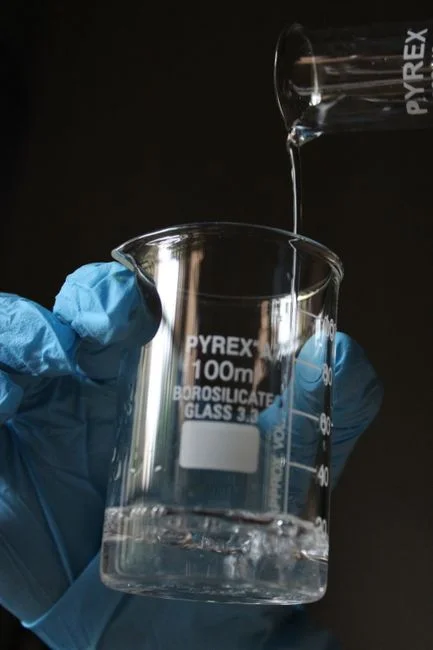
A defensible pilot sequence for a vitamin plant starts with a 1.5–2.5 L semi-batch borosilicate reactor with diffuser-fed ozone, bracketing the dose-response curve at three applied doses (e.g., 16, 28, 39 mg/L) and three contact times. Real vitamin effluent should be used, not synthetic; matrix effects from residual fermentation salts, yeast extract, and antifoam agents can shift the optimum by 50% relative to bench data. Sampling at t = 0, 15, 30, 60, 120, and 240 minutes should include COD, BOD₅, TOC, color (Pt-Co), UV₂₅₄, pH, residual dissolved O₃, and bromide/bromate where relevant. UV₂₅₄ is the cheap surrogate for aromaticity and is the variable to trend when scaling up.
The single most important output of the pilot is the BOD/COD inflection: the applied dose that pushes the post-ozone BOD/COD ratio above 0.3 is typically the operating setpoint for combined ozone + downstream bio operation, and is the number the design basis memo should quote to the regulator. From the pilot CT product (ozone residual × contact time), the full-scale contactor HRT is set at 1.5–2× the pilot value to cover the scale-up safety factor. Off-gas O₃ must be measured and a thermal or catalytic destruct unit sized at 110–120% of generator output.
2026 Compliance and Downstream Safeguards
China GB 21904 sets COD ≤ 50 mg/L and color ≤ 30 dilution units for the chemical synthesis sector, and the EU 2022/647 watch list flags several vitamin-relevant recalcitrant compounds. Ozone polishing must be paired with a downstream safeguard — typically granular activated carbon or UV/H₂O₂ — to take out residual ozone, bromate, and any aldehyde by-products the AOP can leave behind. A bromate excursion is the most common permit failure on vitamin plants in 2026, and the safeguard column is what prevents it. Off-gas O₃ must be measured and a thermal or catalytic destruct unit sized at 110–120% of generator output, the compliance expectation under EU industrial emissions rules and PRC GB discharge norms. For a worked example of how the same ozone-train compliance logic applies to a different industry, the ozone oxidation system for leather wastewater guide walks through the safeguard pairing in detail.
Opex, Capex Levers, and Scale-Up
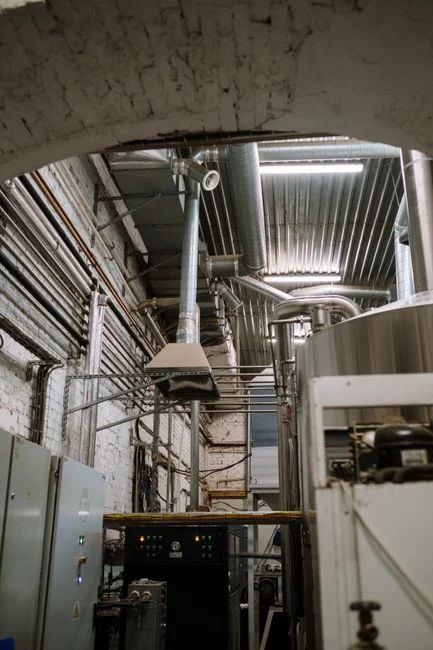
Opex for an ozone oxidation system is dominated by power — about 8–12 kWh per kg O₃ generated, depending on feed gas — plus liquid oxygen supply if specified, H₂O₂ dose for Peroxone mode, and off-gas destruction energy. The two largest levers an engineer can pull are (1) raising feed-gas oxygen concentration from air to 90%+ O₂, which raises generator output 2–3× and cuts specific energy, and (2) installing a heat-recovery loop on the off-gas destructor to pre-warm feed gas. Turnkey skid integration with the upstream MBR allows shared blowers, controls, and an integrated SCADA tag set, which lowers both installed cost and operator burden during commissioning. Pairing the polishing stage with a packaged HydropureWater ozone generator on a common skid is the cleanest way to capture the shared-infrastructure savings. The ozone oxidation system for tannery wastewater guide is a useful cross-check on cost structures for comparable organic loadings.
Frequently Asked Questions
What is the typical applied ozone dose for vitamin manufacturing wastewater polishing?
Most vitamin post-MBR polishing duty lands in the 200–500 mg/L applied ozone range, with the precise optimum located by pilot at 1.5–2.5 mg/L·min injection rate (2025-08). Above 500 mg/L the marginal COD gain flattens and energy cost rises non-linearly.
Should ozone go before or after the biological stage?
After the MBR. A 400 L pilot ranked post-biological application at 81% COD removal, against only 46% when ozone was placed before the bio stage. The recommended train is equalization → DAF → MBBR → MBR → ozone contactor → activated carbon.
O3, O3/H2O2, or O3/UV — which mode for vitamin effluent?
For most vitamin finishing effluent, O₃/H₂O₂ at a 1:0.7 mass ratio is the better default because it drives the BOD/COD ratio above 0.3 and achieves 60–80% COD removal at 200–500 mg/L. O₃ alone is acceptable when the stream is low in bromide and color is the primary target; O₃/UV is reserved for sulfide-bearing or highly conjugated chromophores such as residual β-carotene from vitamin A synthesis.
How is bromate risk controlled?
Monitor feed Br⁻ and switch to a UV/H₂O₂ or alternative AOP mode if Br⁻ exceeds 0.1 mg/L. Activated carbon polishing downstream also removes residual bromate, and the contactor pH should be held in the 8.5–9.0 range to keep the •OH pathway dominant.
What 2026 discharge limits apply?
China GB 21904 sets COD ≤ 50 mg/L and color ≤ 30 dilution units for the chemical synthesis sector; the EU 2022/647 watch list flags several vitamin-relevant recalcitrant compounds. Verify site-specific limits against the current local permit and the latest GB and EU listings before issuing the purchase order.