
Why a Ford India acquisition is a water-risk deal, not just an environmental one
Ford's 2023 CDP Water Security disclosure names two India facilities exposed to water risk: one in the Palar basin and one in the Sabarmati River basin, each representing 1-25% of company-wide facilities and less than 1% of global revenue (per Ford CDP Water Security 2023). That single disclosure reframes an India plant acquisition from a routine consent-transfer exercise into a basin-stressed water risk deal that Ford's own corporate water policy has already committed to manage.
Three additional CDP data points bind the new Indian entity to Ford's published framework the moment the share purchase closes. First, Ford's global manufacturing water strategy targets a 30% reduction in water use per vehicle from a 2015-2020 baseline, with an aspirational goal of zero potable water use for manufacturing processes (per Ford CDP 2019). Second, Ford monitors TDS and zinc as standard effluent parameters across 100% of sites, measured yearly via lab analysis or in-line measurement (per Ford CDP 2023). Third, Ford's supplier water-stewardship framework transitioned in 2022 from the internal PACE program to the Manufacture 2030 (M2030) initiative, which any acquired entity must align with to remain inside Ford's supply-chain reporting boundary.
For the deal team, this means the SPA cannot be drafted against generic SPCB compliance language. It must reference the named basins, the corporate reuse aspirational goal, and the M2030 supplier framework so that post-close covenants are enforceable against Ford's own published disclosures rather than against a third-party standard. The rest of this article maps the India permit stack, the discharge envelope, the audit scope, the retrofit cost matrix, and the SPA trigger language onto that CDP frame. For a cross-jurisdiction read on Ford's parallel Mexico plant exposure, see the Ford Mexico plant acquisition compliance guide.
The three India-specific permits that sit on the critical path
Three India-specific permits sit on the critical path of any Ford acquisition close: the Consent to Operate (CTO) under the Water Act and Air Act, the Hazardous Waste Authorization under HOWM Rules 2016, and the CETP membership letter. Each is issued to a specific legal entity, so a change-of-control clause in the SPA does not transfer the document — it triggers a fresh application by the new Indian entity. The deal team should treat the 60-180 day re-consent window as a closing condition, not an afterthought.
During that window the plant either operates under a continuation letter (discretionary and revocable) or halts discharge entirely; both outcomes are deal-killers if not pre-negotiated in the SPA. Ford's own CDP 2023 disclosure sharpens the CETP dependency: over 97% of Ford's global water discharge routes to an additional facility for treatment, and the final emissions to the environment are therefore unknown to Ford. In India this routing reality means the CETP membership letter is not an administrative box-tick — it is the document that determines whether the plant's discharge ever meets the 250/30/6.5-8.5 envelope at the receiving water body.
| Permit | Statutory basis | Re-issue window after change-of-control | Deal impact if missed |
|---|---|---|---|
| Consent to Operate (CTO) — Water + Air | Water Act 1974, Air Act 1981 | 60-180 days at SPCB | Production halt; revocation risk |
| Hazardous Waste Authorization | HOWM Rules 2016 | 60-120 days at SPCB | Sludge disposal stop; show-cause notice |
| CETP membership letter | State CETP by-laws; SPCB oversight | 30-90 days at CETP operator | Capacity mismatch; surcharge per m³ |
The US parallel is faster but no less strict. EPA NPDES permits re-issue on a 5-year cycle, but change-of-control still requires a name-transfer filing within 30-90 days; 2024-2025 consent-decree cases show that missing that window triggers automatic escalation to a consent order (per EPA enforcement records, 2025). The diligence team should pull the SPCB portals directly, because data-room versions are routinely out of date.
The discharge envelope: COD, BOD, pH, TDS, and zinc
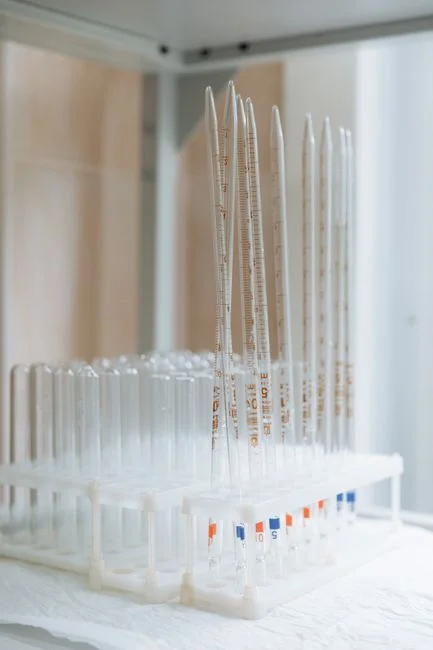
Every retrofit, indemnity trigger, and post-close covenant in this framework is measured against a single compliance yardstick: COD below 250 mg/L, BOD below 30 mg/L, pH 6.5-8.5 (per CPCB/SPCB general discharge standards, compiled 2025-08). The envelope is the constant reference that ties permit transfer, Phase II sampling, unit-operation audit, and SPA trigger language into a single arithmetic. State and central regulators cite it; the buyer's EHS director will quote it back to the seller; counsel will paste it into the environmental schedule.
Ford's own CDP 2023 disclosure tightens that yardstick at two specific points. pH discharge to surface water at Ford sites must be between 6-9, and COD discharged to irrigation must be below 150 mg/L — a tighter envelope than the CPCB/SPCB general standard for any Ford site routing to irrigation reuse. Standard effluent parameters Ford monitors across 100% of sites are TDS and zinc, measured yearly via lab analysis or in-line measurement (per Ford CDP 2023). For an India plant routing through a CETP, TDS becomes the practical gatekeeper: many Indian CETPs levy surcharge penalties above 2,000 mg/L TDS and reject intake above 2,100 mg/L.
| Parameter | CPCB/SPCB general standard | Ford CDP 2023 (where tighter) | Measurement frequency |
|---|---|---|---|
| COD | <250 mg/L | <150 mg/L if to irrigation | Daily composite, 24-h |
| BOD | <30 mg/L | — | Daily composite, 24-h |
| pH | 6.5-8.5 | 6-9 (surface water) | Continuous, in-line |
| TDS | Monitored 100% of sites | Yearly lab or in-line | |
| Zinc | Site-specific / CETP cap | Monitored 100% of sites | Yearly lab or in-line |
| O&G | <10 mg/L typical | — | Daily grab |
Automotive-specific wastewater streams define the inlet load the envelope must absorb: paint shop overspray (high in solvent and resin), phosphating rinse water (high in zinc, nickel, and phosphate), E-coat bath dumps (high in resin and pigment), and oily emulsion from machining. Each requires a dedicated pre-treatment unit before the common biological stage, and each is the reason TDS and zinc are the two parameters Ford has standardized on for cross-site reporting. A DAF system for automotive oily emulsion and paint overspray pre-treatment is the conventional first move for O&G and TSS cut before equalization.
Phase II sampling and unit-operation audit: where envelope misses actually happen
Pulling the right samples is the difference between a defensible Phase II report and a six-figure supplemental drilling campaign. Sample at three points per ASTM E2247-16 practice: the ETP inlet, the secondary clarifier outlet, and downstream of any polishing stage. Run a 5-7 day composite campaign with at least 30 days of recent operating data for context. The minimum analytical panel for an automotive plant is COD, BOD, TSS, pH, O&G, total nitrogen, TDS, zinc, nickel, chromium (trivalent), and lead — reflecting the paint shop and phosphating line chemistry rather than the API mix used in pharma ETP audits.
Four failure modes account for most envelope misses in Indian automotive ETPs. (1) Bulking sludge with SVI >150 mL/g is the most common cause of secondary clarifier carryover. (2) Nocardia or Microthrix foaming signals prolonged low F/M ratio or O&G carryover that coats the biomass. (3) Toxic-shock events from solvent or peak-load spills strip biomass within hours and produce a flat DO spike. (4) O&G carryover upstream of the aeration tank suffocates floc and is the single most common root cause of poor BOD removal in older plants.
Dosing discipline must be verified, not assumed. Neutralization dose is typically 0.56 mg/L CaO per 1 mg/L acidity, jar-test verified. Coagulant dose must be re-validated against the current production schedule — a paint line model change can shift optimal dose by 20-40%. Chlorine residual is measured at the discharge weir, not the dosing pump. For inlet-side protection, a DAF system for automotive oily emulsion and paint overspray pre-treatment is the conventional first stage to lift free oil and TSS before they reach the aeration tank.
Retrofit cost matrix: compliance versus zero-liquid-discharge
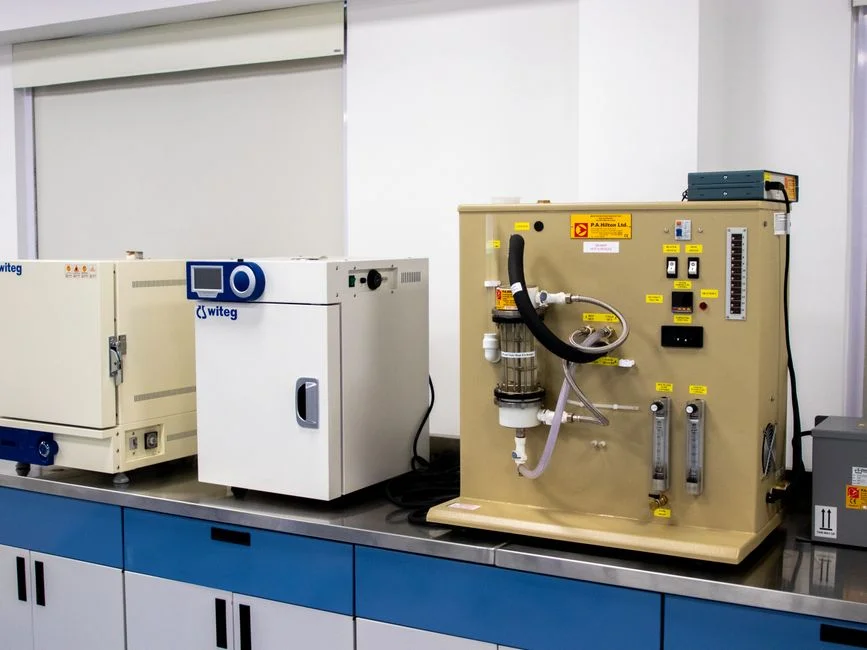
The retrofit matrix below turns the audit into a budget the CFO can underwrite against the price chip. Figures are order-of-magnitude 2026 estimates for greenfield-equivalent installed cost, sized to the inlet load and discharge objective, and should be validated by an EPC advisor before being written into the SPA (per internal engineering benchmarks, 2026).
| Scope | Target outcome | Capex range (USD, 2026) | Notes |
|---|---|---|---|
| Compliance retrofit (lamella + MBBR or MBR + RO polish) | 250/30/6.5-8.5 envelope met | $2-6M (500-2,000 m³/day) | Standard mid-cap deal scope |
| ZLD or reuse-grade upgrade | Cooling-tower makeup; zero potable aspirational goal | $6-15M | Aligned with Ford CDP 2019 aspirational goal |
| Lamella clarifier retrofit only | Primary TSS cut, 20-40 m/h surface loading | $0.4-0.9M | ~30% chemical reduction; first move |
| MBR polishing only | BOD <30 mg/L, near-reuse quality | $1.2-2.5M | PVDF flat-sheet modules |
| RO polishing for reuse | TDS <500 mg/L makeup water | $0.8-2.0M | Recovery up to 95% |
The mapping rule the deal team should underwrite against: spending under $1M typically buys consent renewal; $1-3M buys modern compliance with the 250/30/6.5-8.5 envelope; above $3M is required for ZLD or reuse-grade water for cooling-tower makeup. A MBR membrane bioreactor for automotive effluent polishing delivers the BOD cut, and a lamella clarifier retrofit for primary TSS reduction is typically the highest-payback first move on the matrix.
SPA environmental schedule: trigger language that converts disputes into arithmetic
Convert the retrofit cost into deal structure using four building blocks. First, the buyer holds 5-10% of equity value in escrow for 18-36 months against ETP retrofit cost over-run, consent revocation, and any third-party hazardous-substance claim. Second, the seller gives a specific indemnity for known historical spills, documented non-attainment events, and any pending enforcement action disclosed in the data room. Third, Pollution Legal Liability plus Cleanup Cost Cap insurance covers unknown legacy conditions up to $10-50M for mid-cap deals (per M&A insurance market practice, 2025). Fourth, a post-close compliance covenant obliges the seller to fund continued ETP operation up to closing, with daily influent and effluent logs shared via an online dashboard.
The environmental schedule should reference specific trigger events rather than general compliance language. Acceptable triggers: any non-attainment of 250 mg/L COD, 30 mg/L BOD, or 6.5-8.5 pH measured against a 30-day rolling average; any zinc or TDS exceedance; any third-party damage claim; any show-cause or closure notice from an SPCB or EPA regional office. Vague language ("material environmental liabilities") invites litigation; quantified triggers convert disputes into arithmetic. For a sectoral comparator, the Ford Texas plant acquisition compliance guide walks the same trigger framework against a US NPDES envelope.
Day 0-90 integration plan: stabilization, priority retrofit, polish
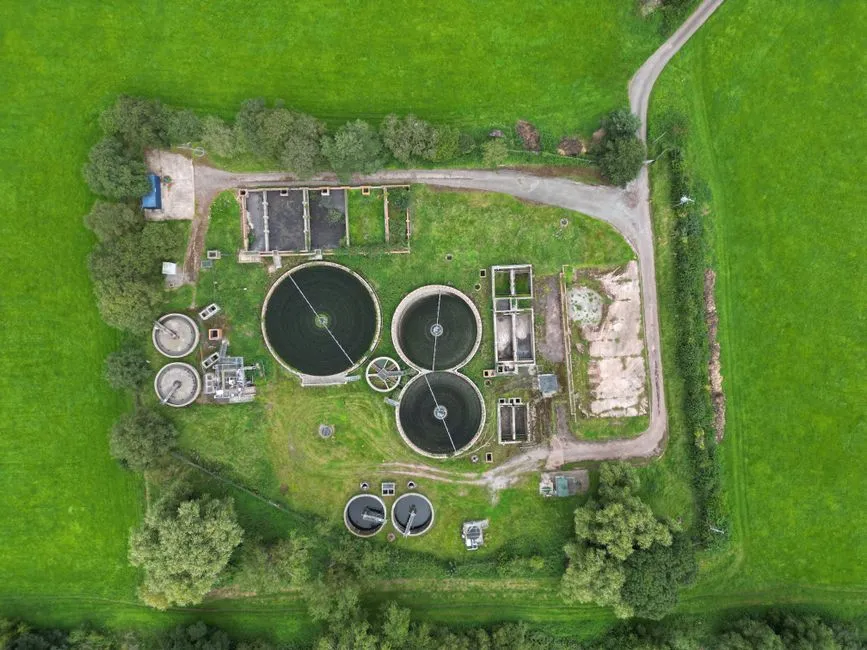
Day 0-30 is stabilization, not construction. Install online telemetry (pH, flow, COD/TOC) at the inlet and outlet, run a 30-day compliance confirmation campaign against the 250/30/6.5-8.5 envelope, and calibrate a PLC-controlled chemical dosing skid for jar-test-validated setpoints. Lock the operator shift roster. A reliable baseline is the only way to measure the retrofit's impact.
Day 31-60 is the priority retrofit window. Execute neutralization upgrades, install a lamella clarifier retrofit where primary clarification is the bottleneck, and tune return-activated-sludge controls to a sludge age of 5-15 days with DO at 2-4 mg/L. These are the lowest-cost, highest-payback moves on the matrix.
Day 61-90 is the polish train. Install an MBR membrane bioreactor system with PVDF flat-sheet modules for secondary polishing, an industrial RO system for reuse-grade water, and an AOP skid for residual solvent or refractory COD breakdown. Commission a reuse line to the cooling tower. Experienced EPCs deliver these as skid-mounted, pre-wired, factory-tested modules so the 90-day window holds. For a cross-border read on a different OEM's water strategy, the Hyundai Arizona plant wastewater compliance guide is a useful comparator.
Frequently Asked Questions
What permits must a Ford India acquisition re-apply for at closing?
The new Indian entity must re-apply for Consent to Operate under the Water Act and Air Act (60-180 day SPCB window), Hazardous Waste Authorization under HOWM Rules 2016 (60-120 days), and CETP membership letter (30-90 days). None of the three transfer under a change-of-control clause, so re-issue is a closing condition, not a post-close item.
What is the discharge envelope an India automotive plant must meet?
COD below 250 mg/L, BOD below 30 mg/L, pH 6.5-8.5 (per CPCB/SPCB general discharge standards, compiled 2025-08). Ford's own CDP 2023 tightens that envelope to pH 6-9 for surface discharge and COD below 150 mg/L for any irrigation reuse. TDS and zinc are monitored at 100% of Ford sites.
How do the Palar and Sabarmati basin-risk disclosures affect the deal?
Ford's 2023 CDP Water Security disclosure names one facility in each of the Palar and Sabarmati basins as exposed to water risk, each representing 1-25% of company-wide facilities and less than 1% of global revenue. That disclosure compels Ford to apply its 30% per-vehicle water reduction and zero potable water aspirational goal to any acquired entity, which directly drives the post-close reuse and ZLD upgrade scope.
What does a compliance retrofit cost in 2026?
Order-of-magnitude 2026 estimates put a compliance retrofit — lamella clarifier, MBBR or MBR biological polishing, and RO — at $2-6M for a 500-2,000 m³/day plant. A ZLD or reuse-grade upgrade lands at $6-15M. Spending under $1M typically buys consent renewal; $1-3M buys modern envelope compliance; above $3M is required for ZLD or cooling-tower reuse-grade water.
What trigger language should the SPA environmental schedule include?
Quantified triggers, not vague compliance language: any non-attainment of 250 mg/L COD, 30 mg/L BOD, or 6.5-8.5 pH on a 30-day rolling average; any zinc or TDS exceedance; any third-party damage claim; any show-cause or closure notice from an SPCB or EPA regional office. Backed by 5-10% equity escrow held 18-36 months and a $10-50M Pollution Legal Liability plus Cleanup Cost Cap policy.