
What ADEQ Permit Stack a Pfizer Acquirer Inherits on the Change-of-Control Date
On the change-of-control date, a Pfizer acquirer in Arizona steps into four parallel ADEQ instruments simultaneously: an AZPDES individual or general discharge permit under A.A.C. (the state-administered NPDES program), an Aquifer Protection Permit (APP) if the site discharges or injects into a dry well, any active dry-well registration, and any open consent order or compliance schedule tied to the legal entity on file. The buyer files an NPDES name transfer within 30–90 days, and the 2024–2025 EPA enforcement pattern shows that missing that window triggers automatic escalation to a consent order (per EPA enforcement records, 2025). Treat the permit stack as the binding constraint on closing: permits are inherited, not rewritten, and the new entity either operates under a continuation letter or halts discharge — both deal-killers if the SPA does not pre-negotiate the gap.
Inside the Phoenix Active Management Area (AMA), ADEQ layers a Best Available Demonstrated Control Technology (BADCT) and a no-degradation review on top of the AZPDES effluent floor because the basin is designated a sole-source aquifer under the federal Safe Drinking Water Act. That gate is independent of numeric compliance: a plant posting clean DMRs can still be denied re-issuance if the no-degradation review finds discharge quality inconsistent with basin standards (per S4/HydropureWater 2026). A Pinal or Cochise County siting runs a more conventional AZPDES pathway without the basin-level political gate, which compresses the re-issuance timeline materially relative to a Phoenix, Mesa, or Chandler address. One more operational point the SPA drafting team often misses: an APP or AZPDES permit authorizes discharge but does not grant pipeline easement, so the buyer must coordinate with the Salt River Project, the Maricopa County Flood Control District, and the Central Arizona Project for legal access. For a parallel jurisdictional framing of an Arizona acquisition, see the Hyundai Arizona plant wastewater requirements guide.
| Instrument | Triggering condition | Change-of-control action | Risk if missed |
|---|---|---|---|
| AZPDES individual or general permit (A.A.C.) | Surface or other NPDES-regulated discharge | File name transfer within 30–90 days | Automatic escalation to consent order (EPA 2025) |
| Aquifer Protection Permit (APP) | Discharge or injection within Phoenix AMA or designated aquifer | APP re-issuance review, BADCT and no-degradation gate | Permit denial even with clean DMRs |
| Dry-well registration | On-site injection well present | Update registration to new legal entity | Operating without authorization |
| Open consent order / compliance schedule | Any active enforcement action on the data room | Specific indemnity or assumption letter | Inherited enforcement, notifiable to the SPA |
Arizona Numeric Effluent Standards That Bind a Pharma Discharge
The pharma-specific outlet envelope for an API plant sits at COD below 250 mg/L, BOD below 30 mg/L, and pH 6.5–8.5, against an inlet that routinely runs 1,000–10,000 mg/L COD and frequently above 10,000 mg/L on synthesis lines (per pharma ETP engineering data, 2025). The Arizona-specific additions layered on top of the federal Clean Water Act floor are Total Dissolved Solids (TDS) and chloride caps tied to receiving-aquifer quality under A.A.C., plus the Arizona numeric nickel standard for domestic water sources at 100 µg/L under A.A.C. R18-11 (per S4/HydropureWater 2026). Cobalt has no universal Arizona surface water numeric standard, so cobalt limits are set through toxicity-based permit conditions derived from NPDES technical guidance rather than a single published value (per S4/HydropureWater 2026). These three ADEQ-specific numerics — TDS, chloride, and nickel — are the parameters the buyer's Phase II panel must cover in addition to the standard COD/BOD/TSS suite.
The Phoenix AMA no-degradation review can override a clean DMR record. A facility that has been compliant for years can still be denied re-issuance if the discharge quality is judged inconsistent with the basin's no-degradation standard, because the review is a forward-looking groundwater quality test, not a backward-looking compliance test. In practice this means the retrofit scope must be sized not just to today's effluent envelope but to the basin's projected assimilative capacity, which for a sole-source aquifer is conservative by design. EPC advisors should pre-test the no-degradation envelope with a groundwater model before the SPA capex number is locked.
The Antibiotic-Residue Trap: AMR as the Hidden 8–15% Price Chip

AMR has moved effluent from an EHS line item to a board-level ESG concern. The 2022 EU IED 2010/75/EU BAT conclusion update tightened antibiotic-residue ceilings and remains binding through 2026, and EPA's 2025 PFAS/PPCP framework updates treat specific API residues as candidate pollutants with monitoring triggers (per EPA PFAS strategic roadmap updates, 2025). India's draft pharmaceutical effluent norms notified in 2024 propose antibiotic-residue limits at ng/L levels, mirroring EU practice. A US acquirer that only checks today's AZPDES permit is checking the wrong document: the buyer's future re-issuance will be evaluated against an AMR-aware permit outlook that does not yet exist on the data room shelf.
The enforcement pattern in 2024–2025 pharma deals is concrete. Multiple mid-cap API plant acquisitions have triggered price chips of 8–15% or escrow holdbacks of $5–20M specifically tied to legacy antibiotic-residue exceedances in surrounding groundwater (per trade-press reporting, 2025). The cost of getting it wrong is structural: a multi-year legacy cleanup, an antibiotic-monitoring program, and CTO re-issue typically run $20–60M, often 5–12% of deal value for mid-cap API plants (per S2/HydropureWater 2025). The Phase II ESA outlet panel should add antibiotic and hormone residue assays even where the existing permit does not require them, because the buyer's future permits and the EPA/EU frameworks increasingly will. The current data room is the right place to discover a 5-year-old exceedance — not a re-issuance hearing.
Stage-Gate ETP Due Diligence for an Arizona Pharma Site
The diligence workflow that survives both the SPA draft and the EPC RFP runs in seven stages, each producing a deliverable that feeds the next. The full sequencing, parameter tables, and failure-mode scorecards are in the global 7-stage Pfizer ETP due-diligence framework; the Arizona-specific overlay is summarized below.
Stage 1 — Permit file review. Pull the consent to operate (CTO), hazardous-waste authorization, CETP letter if applicable, and any show-cause or closure notice from the seller data room, the ADEQ portal, and EPA Enforcement and Compliance History Online (ECHO). Require groundwater monitoring results, sludge inventory, and the historical API-spill map.
Stage 2 — Effluent-focused Phase I/II ESA. Per ASTM E2247-16 practice, pull 24-hour composite samples at the ETP inlet, the secondary clarifier outlet, and downstream of any polishing stage.
Stage 3 — Baseline panel. COD, BOD, TSS, pH, oil & grease, total nitrogen, plus a target API list covering solvents, antibiotics, hormones, and any SVHC-listed compounds, run as a 5–7 day campaign at a third-party lab.
Stage 4 — Unit-operation audit. Pass/fail scorecard for screening → equalization → biological → tertiary → disinfection against the 250/30/6.5–8.5 envelope. Common failure modes: bulking sludge (SVI above 150 mL/g), Nocardia/Microthrix foaming, toxic-shock DO spikes, oil & grease carryover suffocating floc (per pharma ETP operations data, 2025).
Stage 5 — Retrofit CAPEX envelope. Size MBR, RO, and AOP upgrades to the inlet load.
Stage 6 — Liability allocation. Escrow percentage, specific indemnity, PLL/Cleanup Cost Cap insurance.
Stage 7 — 30/60/90-day post-close execution plan. Telemetry install, operator lock, retrofit commissioning, and an MBR/RO/AOP polish train inside 90 days.
Retrofit Capex Bands for a 500–2,000 m³/day Arizona API Plant
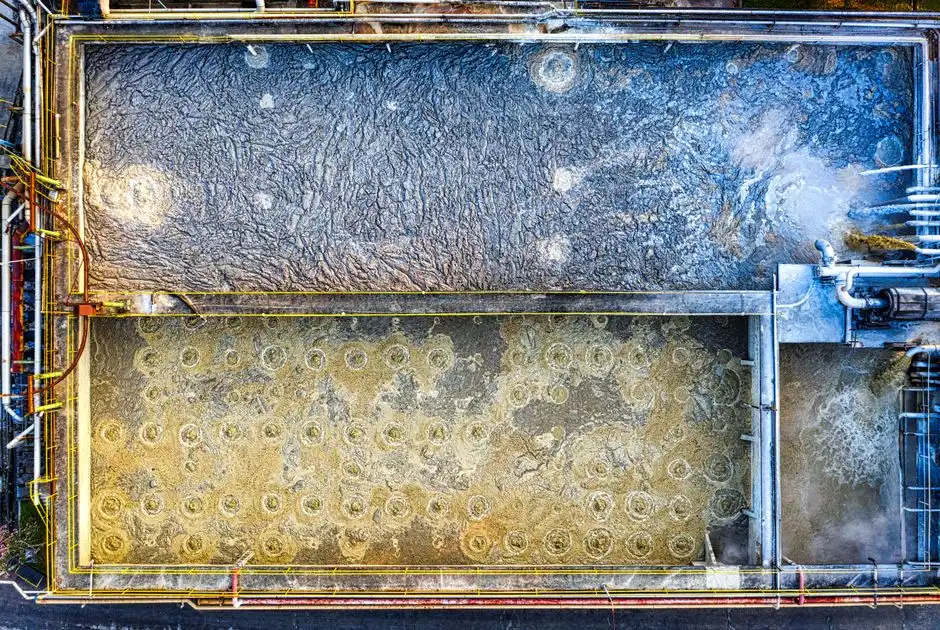
The base train for an Arizona API retrofit is a lamella clarifier retrofit (surface loading 20–40 m/h) followed by MBBR or MBR biological polishing with MLSS 8,000–12,000 mg/L and a DF series PVDF flat-sheet MBR module at 0.1 µm, then an industrial RO system for dissolved solids and residual API removal. For a 500–2,000 m³/day API plant, a full compliance retrofit with an integrated MBR membrane bioreactor system for biological polishing, an industrial RO system for dissolved solids, and a lamella clarifier for primary TSS cut lands in the $2–6M envelope (per internal engineering benchmarks, 2026). A ZLD or reuse-grade upgrade runs $6–15M; spending under $1M typically buys consent renewal only.
The Arizona-specific OPEX pinch point is brine disposal. RO reject is 15–30% of feed, producing 225–450 m³/day of brine on a 1,500 m³/day plant, and deep-well injection (Class I or Class V depending on volume) is the dominant disposal path with an industrial waste hauler as fallback (per S4/HydropureWater 2026). The reuse-line economics change the math: MBR effluent polishing plus RO permeate reused as cooling-tower makeup cuts freshwater demand and shifts the ZLD break-even. Forward-osmosis pilots are an option for high-recovery concentrate management in ZLD configurations. For semiconductor ZLD cost and tech-selection cross-checks, see the 2026 semiconductor ZLD cost and tech-selection guide.
| Spend band | Scope | Outcome |
|---|---|---|
| Under $1M | Consent renewal, minor dosing upgrades | Maintains existing permit; no headroom for growth |
| $2–6M | Lamella + MBR (MLSS 8,000–12,000 mg/L) + RO; AOP for residual API | Hits 250/30/6.5–8.5 envelope; reuse-grade permeate |
| $6–15M | ZLD add-on (evaporator/crystallizer) or full FO + brine concentrator | ZLD or cooling-tower reuse; eliminates aquifer-discharge liability |
Indemnity and Escrow Structure That Actually Binds the Seller
The standard pharma ETP liability structure runs as follows. The buyer holds 5–10% of equity value in escrow for 18–36 months against ETP retrofit cost over-run, consent revocation, and any third-party API claim. The seller gives a specific indemnity for known historical spills, documented non-attainment events, and any pending enforcement action disclosed in the data room. Environmental insurance — Pollution Legal Liability plus Cleanup Cost Cap — covers unknown legacy conditions up to a stated limit, typically $10–50M for mid-cap deals (per M&A insurance market practice, 2025).
The SPA's environmental schedule should reference specific trigger events rather than general compliance language. Acceptable triggers: any non-attainment of the 250 mg/L COD, 30 mg/L BOD, or 6.5–8.5 pH envelope measured against a 30-day rolling average; any API-in-effluent exceedance against the target list; any third-party damage claim; any show-cause or closure notice from ADEQ or EPA Region 9. Vague language ("material environmental liabilities") invites litigation; quantified triggers convert disputes into arithmetic. The financial impact is significant: a well-structured indemnity and escrow package typically reduces the buyer's effective ETP retrofit cost by 30–50% versus a clean-balance-sheet assumption, because the seller retains the cost of pre-closing underperformance and the insurance layer absorbs unknown legacy conditions (per S2/HydropureWater 2025).
30/60/90-Day Post-Close Execution Plan
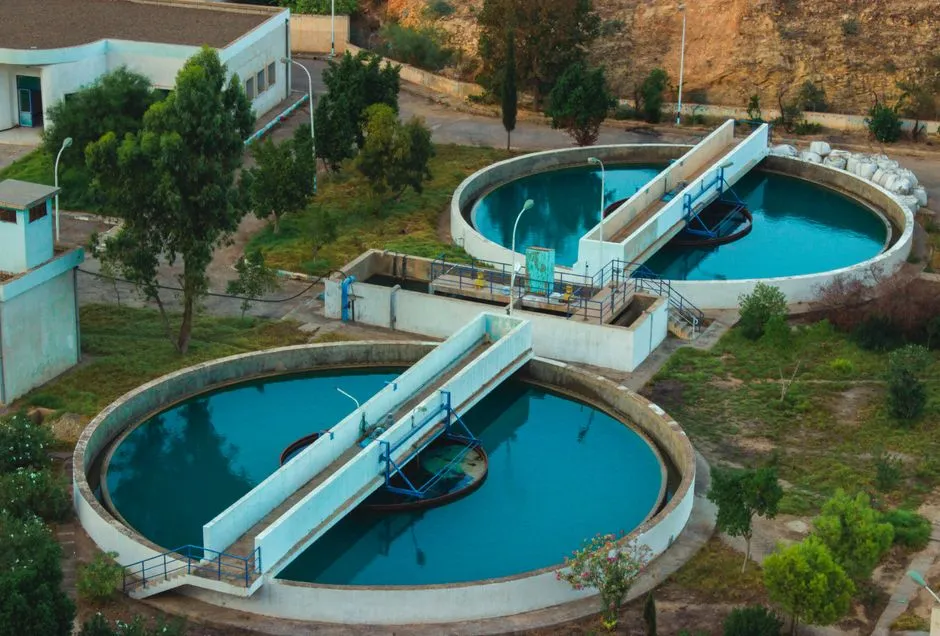
Day 0–30 — Stabilization. Install online telemetry (pH, flow, COD/TOC) at the inlet and outlet; run a 30-day compliance confirmation campaign against the 250/30/6.5–8.5 envelope; lock the operator shift roster; calibrate a PLC-controlled chemical dosing skid against jar-test-validated setpoints. A reliable baseline is the only way to measure the retrofit's impact.
Day 31–60 — Priority retrofit window. Execute neutralization upgrades and PLC-controlled coagulant dosing; install a lamella clarifier retrofit where primary clarification is the bottleneck; tune return-activated-sludge controls to a sludge age of 5–15 days with DO at 2–4 mg/L. These are the lowest-cost, highest-payback moves on the matrix.
Day 61–90 — Polish train. Install an integrated MBR membrane bioreactor system with a DF series PVDF flat-sheet MBR module for secondary polishing, an industrial RO system for reuse-grade water, and an AOP skid for residual API breakdown; commission a reuse line to the cooling tower. Experienced EPCs deliver these skid-mounted, pre-wired, and factory-tested so the 90-day window holds.
Frequently Asked Questions
How long does the ADEQ permit name transfer take after a Pfizer acquisition in Arizona?
An NPDES name transfer in the US must be filed within 30–90 days of the change-of-control date, and the 2024–2025 EPA enforcement pattern shows that missing that window triggers automatic escalation to a consent order (per EPA enforcement records, 2025). For sites inside the Phoenix Active Management Area, the AZPDES re-issuance also runs through ADEQ's Best Available Demonstrated Control Technology (BADCT) and no-degradation review, which is independent of numeric compliance and can deny re-issuance even when DMRs are clean.
What numeric effluent limits apply to a pharma discharge in Arizona?
The pharma-specific outlet envelope is COD below 250 mg/L, BOD below 30 mg/L, and pH 6.5–8.5, against an inlet that routinely runs 1,000–10,000 mg/L COD. The Arizona-specific additions layered on top of the federal floor are Total Dissolved Solids and chloride caps tied to receiving-aquifer quality under A.A.C., plus the Arizona numeric nickel standard for domestic water sources at 100 µg/L under A.A.C. R18-11 (per S4/HydropureWater 2026).
What is the compliance retrofit capex for a 500–2,000 m³/day Arizona API plant?
Order-of-magnitude 2026 estimates put a compliance retrofit (lamella clarifier, MBBR or MBR biological polishing, industrial RO) at $2–6M; a ZLD or reuse-grade upgrade lands at $6–15M. Spending under $1M usually buys consent renewal only (per internal engineering benchmarks, 2026).
What price-chip or escrow exposure does antibiotic-residue risk create in a pharma deal?
The 2024–2025 enforcement pattern in pharma deals has produced price chips of 8–15% or escrow holdbacks of $5–20M specifically tied to legacy antibiotic-residue exceedances in surrounding groundwater (per trade-press reporting, 2025). The cost of getting it wrong — multi-year legacy cleanup, an antibiotic-monitoring program, and CTO re-issue — typically runs $20–60M, often 5–12% of deal value for mid-cap API plants.
What indemnity and escrow structure converts ETP liability into a number?
A standard pharma ETP liability package holds 5–10% of equity value in escrow for 18–36 months against ETP retrofit cost over-run, consent revocation, and third-party API claims, paired with a seller-specific indemnity for known historical spills and Pollution Legal Liability plus Cleanup Cost Cap insurance at $10–50M. A well-structured package typically reduces the buyer's effective ETP retrofit cost by 30–50% versus a clean-balance-sheet assumption (per S2/HydropureWater 2025).