Why Tuscaloosa Textile Plants Are Rethinking Activated Sludge in 2026
A reactive-dye effluent stream at 32 °C with 1,800 mg/L COD, 600 Pt-Co color, and 4,000 mg/L sulfate is not what 1970s-era Conventional Activated Sludge (CAS) was sized for — but it is exactly what a Tuscaloosa mercerizing and exhaust-dyeing plant discharges on a Tuesday afternoon. Reactive azo and phthalocyanine dyes dominate the color load, and azo dyes alone account for roughly 50% of all textile dyestuff used globally (S2). Approximately 15% of applied dye ends up in the wastewater stream rather than the fiber, translating to more than 200,000 tons of dyestuffs discharged worldwide each year (S2).
Discharge to the Black Warrior River watershed is regulated by the Alabama Department of Environmental Management (ADEM) under delegated NPDES authority, and ADEM permit writers in 2025-08 enforcement summaries have flagged reactive-dye facilities for color, residual BOD, and salt exceedances. Pilot-scale head-to-head data confirms CAS delivers only 28% color removal on this stream (S3), which is below the threshold most ADEM permits will accept when downstream uses include public water-supply intakes. The secondary clarifier, not the aeration basin, is now the bottleneck for 2026 compliance and for any in-plant water-reuse credit that improves the mill's operating margin.
How a Conventional Activated Sludge Plant Treats Dyeing Effluent
A conventional textile-effluent train runs screening → flow equalization → primary clarification → aeration basin → secondary clarifier → chlorination or UV disinfection. The aeration basin operates at a food-to-microorganism ratio of F/M 0.2–0.5 d⁻¹, mixed liquor suspended solids (MLSS) of 2,000–4,000 mg/L, and a solids retention time (SRT) of 5–15 days. The secondary clarifier depends on biofloc settling well enough to produce a clean supernatant.
Dye removal in CAS happens by two mechanisms: adsorption onto the biofloc surface and partial intracellular degradation of hydrophobic azo linkages. Hydrophobic disperse dyes adsorb reasonably well, but hydrophilic reactive dyes — the dominant class in Tuscaloosa cotton-knit and package-dyeing operations — carry sulfonate groups that keep them in solution and pass through the clarifier largely intact. On the matched pilot, CAS achieved only 54–70% COD removal and 28% color removal over 244 days at textile F/M (S3). Engineers running these basins also report poor sludge settleability when dye loads spike, SVI climbing above 200 mL/g, and clarifier washout of slow-growing organisms during the morning batch-discharge window from the dye house.
How an MBR Re-engineers the Same Train
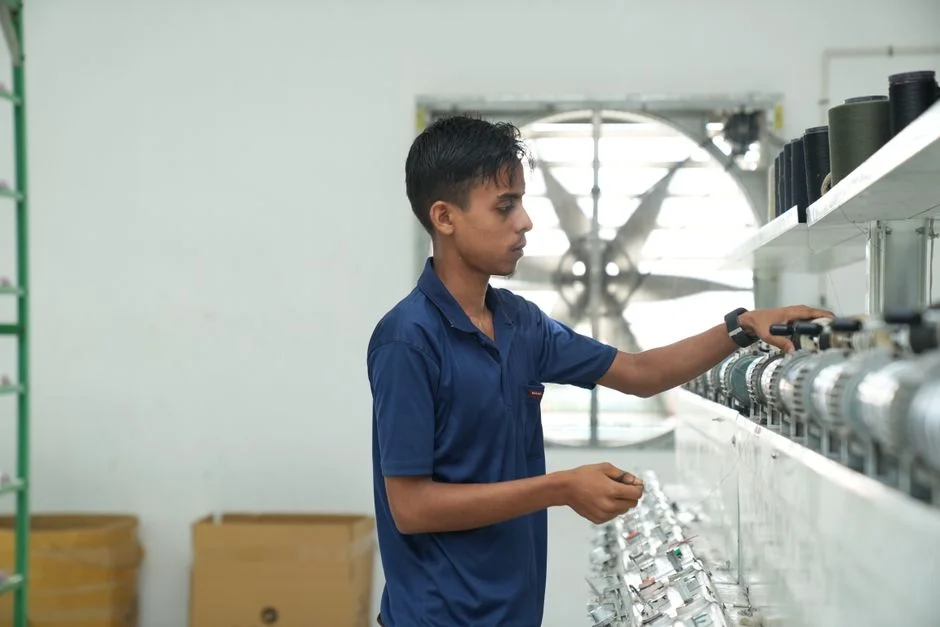
A Membrane Bioreactor (MBR) replaces the secondary clarifier with a submerged ultrafiltration or microfiltration membrane module, typically 0.03–0.1 μm PVDF flat-sheet or hollow fiber, immersed directly in the aeration tank. Because biomass is retained by the membrane rather than by gravity settling, MLSS can be pushed to 8,000–12,000 mg/L and SRT to 20–60 days without losing solids.
On the same textile wastewater and matched F/M, the MBR pilot delivered 89–92% COD removal, 70% color with MF membranes, and 72–73% color with UF membranes over 244 days (S3). The longer SRT enriches the slow-growing bacterial consortia responsible for reductive cleavage of azo bonds and partial mineralization of aromatic amines, which is the mechanism behind the 40+ percentage-point color advantage over CAS. The high MLSS also decouples hydraulic retention time from biomass retention, so a 6 a.m. batch-dump from the dye house no longer washes the biomass out of the system. For a turnkey retrofit, the DF-series 0.1 μm PVDF flat-sheet MBR module integrates an aeration box for membrane scouring, runs at 10–20× lower energy than external cross-flow designs, and produces 32–135 m³/day per module — a useful anchor for the engineer's first sizing pass.
MBR vs CAS: Head-to-Head Parameter Comparison
The table below distills pilot data (S3), typical CAS operating envelopes, and HydropureWater product specifications (S6) into one scannable grid. Where a pilot value is not available, the cell shows a typical engineering range rather than a fabricated single number.
| Parameter | Conventional Activated Sludge (CAS) | Submerged MBR |
|---|---|---|
| COD removal (textile pilot, 244 d) | 54–70% (S3) | 89–92% (S3) |
| Color removal (Pt-Co, textile pilot) | ~28% (S3) | 70% (MF) / 72–73% (UF) (S3) |
| SRT | 5–15 days | 20–60 days |
| MLSS | 2,000–4,000 mg/L | 8,000–12,000 mg/L |
| Effluent TSS | 10–30 mg/L (clarifier-dependent) | <1 mg/L (membrane-retained) |
| Footprint | Baseline (aeration + clarifier) | ~60% smaller than CAS (S6) |
| Sludge yield (Yobs) | 0.3–0.5 kg TSS/kg COD | 0.15–0.3 kg TSS/kg COD (longer SRT) |
| Reuse suitability | Limited; polishing usually required | Near-reuse quality; UF polish optional |
| Membrane / clarifier maintenance | Clarifier sweep, scum, RAS control | Air-scour continuous, CIP 30–90 d, membrane replacement 5–8 yr |
| CAPEX band (per m³/d capacity) | $150–$400 | $400–$900 |
| OPEX band (per m³ treated) | $0.15–$0.40 | $0.30–$0.70 |
| Specific energy for separation | Low (gravity) | ~0.3–0.6 kWh/m³ for membrane scour on top of biological aeration |
For flows under 200 m³/day with non-restrictive color consent and existing basin capacity, CAS still wins on CAPEX and operator familiarity. The MBR column wins on every effluent-quality line, footprint, and reuse potential — which is why a packaged HydropureWater integrated MBR system (10–2,000 m³/d) tends to be the option that closes the loop on a 2026 ADEM-tight consent. For background on the membrane module internals, the MBR module engineering explainer walks through pore-size selection and aeration-box geometry in more detail than this guide can cover.
Textile-Specific Fouling: The Real Cost of Choosing MBR
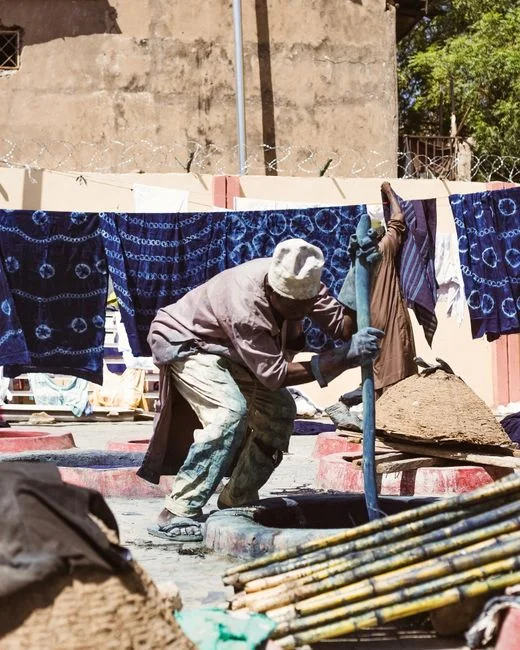
Membrane fouling is the single largest operational risk on textile effluent, driven by dye molecules, surfactants, hydrolysed reactive groups, and extracellular polymeric substances (EPS) released by the stressed biomass (S2). On PVDF, these species interact with the membrane surface and accelerate both reversible and irreversible flux decline.
Defensible fouling control on Tuscaloosa textile streams looks like four stacked layers. First, headworks protection with a GX-series rotary mechanical bar screen for headworks to pull fibers and lint before they mat on the membrane. Second, a dissolved air flotation pre-treatment unit to drop color, suspended solids, and emulsified auxiliaries upstream of the bioreactor. Third, equalization to dampen the batch-discharge shock from the dye house. Fourth, submerged flat-sheet geometry with continuous air-scour at the membrane surface, plus a maintenance CIP on roughly a weekly cadence and a full recovery CIP every 30–90 days depending on influent. For a textile comparator in a different industry, the MBR vs CAS comparison for fabricated metals shows how the same fouling logic changes with influent chemistry. If polishing to reuse quality is the target, a downstream UF train — sized per the UF system sizing for paper mill wastewater principles — extends membrane life by removing the residual color that would otherwise load the bioreactor membrane.
Cost and Footprint Reality Check for a Tuscaloosa Plant
Order-of-magnitude CAPEX for a CAS retrofit on textile effluent runs $150–$400 per m³/d of installed capacity, while a packaged MBR sits at $400–$900 per m³/d. The gap narrows once reuse credit, avoided tertiary polishing, eliminated clarifier, and reduced sludge hauling are added to the model. OPEX lands at $0.15–$0.40/m³ for CAS and $0.30–$0.70/m³ for MBR, with the delta driven by membrane aeration, periodic CIP chemicals, and membrane replacement amortized over a 5–8 year service life.
Footprint is the single line item that usually tips the plant manager. The HydropureWater MBR specification cites a 60% smaller footprint than comparable CAS trains (S6), which on a Tuscaloosa mill site hemmed in by the dye house, the rail spur, and a floodway setback is often the binding constraint. For textile flows in the 100–2,000 m³/d range, a defensible payback against a CAS + clarifier + sand-filter polish train is typically 3–6 years when reuse is monetized. Without the reuse credit, payback stretches toward 6–9 years and the CAPEX differential becomes the dominant risk.
Which System to Specify: A 2026 Decision Framework
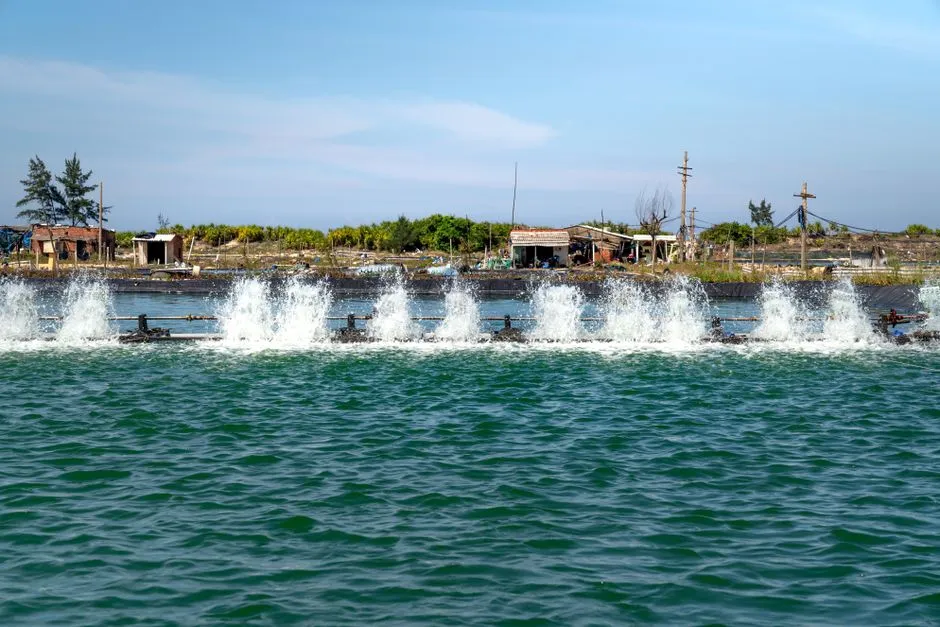
Apply this decision tree to your specific site requirements. Start with four inputs: influent COD, influent color, discharge objective, and available footprint.
- Specify CAS only when ALL of the following are true: influent COD < 800 mg/L, color is not regulated or not measured against the permit, flow < 200 m³/d, no reuse target, and the existing aeration basin has at least 30% spare hydraulic capacity.
- Specify MBR when ANY of the following are true: color > 150 Pt-Co and is in the permit, any in-plant reuse target above 20% of treated flow, flow > 100 m³/d, footprint constrained by site or floodway, or 2026 ADEM enforcement risk is non-trivial. For dye-house effluents in Tuscaloosa this branch is the default, not the exception.
- Specify MBR + DAF + UF polish when: the discharge objective is in-plant process water recycle (e.g., wash-water, boiler-feed make-up after RO), or the permit requires near-reuse quality for direct reuse, or the mill is voluntarily reducing Black Warrior River intake by 30% or more. The integrated HydropureWater stack (bar screen → DAF → MBR → UF polish) is the configuration that closes this branch.
If the matched-pilot numbers (S3) hold at full scale, an MBR specified under branch 2 or 3 will deliver an effluent that the existing ADEM permit envelope can absorb without a costly consent modification, and that the operations team can stabilize inside one SRT window — roughly 30–45 days from startup.
Frequently Asked Questions
Is MBR or CAS better for textile/dyeing wastewater in Tuscaloosa?
MBR is better for the majority of Tuscaloosa reactive-dye streams. Matched pilot data (S3) shows MBR delivers 89–92% COD removal and 70–7
Frequently Asked Questions
Is MBR better than activated sludge for textile wastewater?
Membrane Bioreactors (MBR) are generally superior for textile wastewater because they operate at higher Mixed Liquor Suspended Solids (MLSS) concentrations, typically ranging from 8,000 to 15,000 mg/L, compared to 2,000 to 4,000 mg/L in conventional systems. This allows for longer Sludge Retention Times (SRT), which are essential for degrading complex recalcitrant organic compounds and synthetic dyes common in textile effluents.
Furthermore, MBRs provide a physical barrier that ensures complete biomass retention and produces high-quality permeate suitable for industrial water reuse, meeting stringent discharge standards that conventional activated sludge systems often struggle to achieve without extensive tertiary treatment stages.
What color removal can an MBR achieve on dyeing effluent?
MBR systems typically achieve color removal efficiencies between 60% and 90% depending on the dye chemistry, specifically showing high efficacy for reactive and acid dyes. While biological degradation alone may not fully remove all chromophores, the integration of high-density microbial populations in an MBR facilitates the breakdown of aromatic rings more effectively than conventional processes.
For complete decolorization, MBRs are frequently paired with pre-treatment ozonation or advanced oxidation processes (AOP). When combined with these technologies, the system can achieve near 100% color removal, meeting the strict aesthetic and environmental requirements for discharge into Alabama waterways.
How much does an MBR cost versus a conventional activated sludge plant for a textile mill?
In 2026, the capital expenditure (CAPEX) for an MBR system is approximately 20% to 35% higher than a conventional activated sludge plant due to the cost of membrane modules and sophisticated control systems. However, the operational expenditure (OPEX) for MBRs is increasingly competitive, as they eliminate the need for secondary clarifiers and tertiary filtration systems, reducing the overall physical footprint of the plant by up to 50%.
Life-cycle cost analysis indicates that while MBRs require higher energy inputs for membrane aeration—typically 0.5 to 1.5 kWh/m³ of treated water—the savings realized through water reuse and the avoidance of high municipal sewer surcharges often result in a return on investment within 4 to 7 years for high-volume textile operations.
Does an MBR foul faster on textile dye wastewater, and how is it controlled?
Yes, textile wastewater presents a high risk of membrane fouling due to the presence of surfactants, sizing agents, and residual dyes that can form a dense cake layer or cause pore blocking. Fouling is primarily controlled through aggressive chemical cleaning cycles (Clean-in-Place or CIP) using sodium hypochlorite or citric acid, typically scheduled every 3 to 6 months depending on flux rates.
Operational control strategies include maintaining an optimal flux rate of 15–25 LMH (liters per square meter per hour), utilizing cyclic aeration to create turbulence across the membrane surface, and implementing rigorous pre-screening to remove fibrous materials that could cause physical membrane damage.
When is conventional activated sludge still the right choice for a textile plant in 2026?
Conventional activated sludge remains the preferred choice for textile facilities that have ample land availability and do not require high-quality permeate for internal water reuse. If the facility discharges into a robust municipal system with lenient limits on Total Suspended Solids (TSS) and turbidity, the lower energy consumption and reduced maintenance complexity of a conventional system may offer a more favorable economic profile.
Additionally, for smaller mills with low flow rates where the capital cost of membrane replacement and the technical expertise required for MBR operation are prohibitive, conventional systems provide a reliable, low-complexity solution that satisfies basic environmental compliance standards without the need for specialized membrane management.