Why Danville Mining and Metals Plants Are Re-asking the DAF vs Clarifier Question in 2026
A Danville, Virginia aggregate plant watches its overflow clarifier push 180 mg/L total suspended solids and 2.1 mg/L total zinc to outfall, and a VA DEQ permit reviewer flags it before the 2026 VPDES renewal — that is the scenario driving most of the calls I get from Southside Virginia right now. The wrong primary separator does not just miss a number; it forces a cascade of re-treatment, polymer over-dosing, and hauled sludge cost that quietly doubles OPEX. The real question in 2026 is not "DAF or nothing" — it is which physical separation step sits in front of any chemical precipitation, RO, or reuse train, and which of two mature equipment families (dissolved air flotation or a gravity/lamella clarifier) is sized to the influent you actually have on a Tuesday afternoon, not the design average.
Danville sits on the Dan River in the Virginia Piedmont, with a duty mix that no single technology covers cleanly: crushed-stone and aggregate wash water, light fabricated-metal and metal-finishing rinse, ferrous pickling, and a long tail of legacy acid mine drainage (AMD) along the Dan River watershed. Each of these streams has a different TSS range, particle density, FOG load, and abrasive-solids content. 2026 drivers are pushing the re-evaluation: tighter VA DEQ VPDES renewal terms, renewed EPA multi-sector effluent inspections under 40 CFR 430/433/437, and water-reuse pressure as the Piedmont region watches its surface-water budget tighten. For comparison work in adjacent markets, see the Headland mining/metals DAF vs clarifier guide and the Birmingham metals DAF vs clarifier guide.
On the equipment side, the two families actually being bid in our region are commercial DAF systems (Clearwater/SigmaDAF, ClearStream, Aries) and inclined-plate/lamella clarifiers such as the HydropureWater high-efficiency lamella clarifier. DAF is not a novel option in 2026 — Clearwater Industries has manufactured DAF equipment in North America since 1996 (S1), and SigmaDAF Clarifiers has completed over 800 installations across 25+ countries since 1994 (S1). The choice is between two proven, code-compliant hardware packages matched to very different influent physics.
How a DAF Clarifier and a Gravity Clarifier Actually Separate Solids
A dissolved air flotation (DAF) clarifier separates solids by attaching them to air bubbles and floating the resulting particle–bubble aggregate to the surface, where a paddle or flight skimmer removes it. The mechanism is forced buoyancy: clarified effluent is recycled through a pressurization pump and saturation vessel at roughly 100 psi, supersaturating the water with air (S1, S3). On pressure release through a relief valve at the tank center, the dissolved air comes out of solution as 30–50 µm micro-bubbles (S1, S3). Those micro-bubbles adhere to chemically conditioned floc and lift it; a paddle skimmer scrapes the floated layer into a sludge sump, while heavier settleables drop to a bottom collection zone and are removed by an auger (S1).
A gravity clarifier separates solids by letting them sink under Stokes-law settling. A conventional rectangular or circular clarifier runs at about 1–2 m/h surface loading rate and depends on long hydraulic retention time and a large plan area. A lamella (inclined-plate) clarifier stacks the effective settling area into a pack of inclined plates, raising equivalent surface loading to 20–40 m/h in a much smaller footprint — the geometry used in the HydropureWater high-efficiency lamella design (HydropureWater high-efficiency lamella clarifier). The trade-off is taller tank depth and a larger plan area than a DAF of equal hydraulic capacity, but no air-saturation skid and a simpler controls envelope.
Both technologies lean on chemical conditioning upstream. Aries and Clearwater/SigmaDAF both flag pH control → coagulation → flocculation as non-optional for DAF: the coagulant neutralizes particle surface charge, the flocculant (long-chain polymer) builds larger floc that micro-bubbles can attach to, and the saturator does the rest (S3, S1). A lamella clarifier benefits from the same conditioning chemistry but does not require the recycle pressurization loop, which simplifies mechanical layout and lowers the barrier to entry for plants without a saturator skid already on site.
Head-to-Head: DAF vs Clarifier on the Parameters That Decide a Mining/Metals Bid
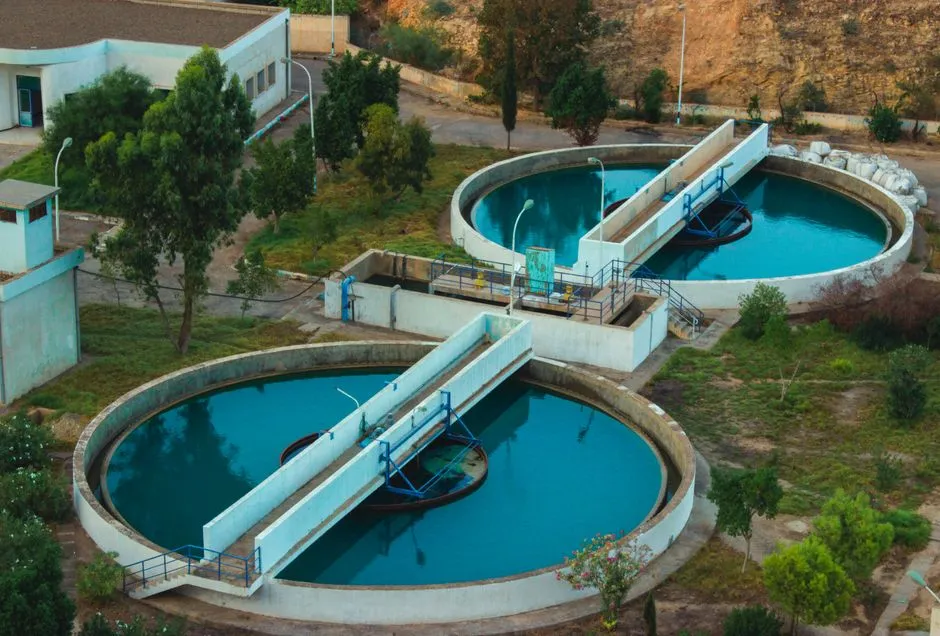
Procurement and engineering reviewers want the comparison in a format they can paste into a specification, so the table below is the working matrix. Numbers are drawn from the SigmaDAF/Clearwater product literature (S1), the Aries Equipment specification (S3), the ClearStream product page (S5), and the HydropureWater JY-series lamella clarifier specification sheet.
| Parameter | DAF (dissolved air flotation) | Lamella / gravity clarifier |
|---|---|---|
| Target TSS range | ~50–5,000 mg/L (FPAC handles very high solids loads; FPBC suits low-to-medium loads) (S1) | ~1,000–50,000 mg/L; conventional clarifier tuned for settleable solids, lamella handles high TSS with smaller footprint (HydropureWater spec) |
| FOG / oil removal | Strong — floatables are exactly what micro-bubbles target (S1, S5) | Limited — free oil must be removed upstream; FOG is not the design driver |
| Surface loading / rise rate | ~10–25 m/h hydraulic rise rate in the floatation cell (S1, S3) | ~1–2 m/h (conventional); 20–40 m/h (lamella, HydropureWater spec) |
| Hydraulic residence time | ~15–30 min in the float cell (S3) | ~2–4 h (conventional); 20–40 min (lamella, HydropureWater spec) |
| Footprint per m³/h | Small — Compact skid ≤66 GPM single skid; >66 GPM modular two-skid (S1) | Lamella: small in plan area but taller in profile; conventional: large plan area, shallow |
| Materials of construction | Standard 304SS; optional 316SS, polypropylene for corrosive streams (S1). Aries: epoxy-coated mild steel, SS, or polyethylene (S3) | Typically carbon steel with rubber lining or 304/316SS; polypropylene plates common |
| Chemical conditioning demand | High — pH control, coagulant, flocculant all required for performance (S1, S3) | Moderate — flocculation still needed for fine solids, but no saturator-side chemistry |
| Energy (recycle pump + saturator) | Continuous — recycle pump, air compressor, saturation vessel (S1, S3) | Minimal — no recycle pressurization loop; only sludge pumps and mixers |
| Pre-treatment requirement | Equalization, grit removal for abrasive streams, oil-water separation for free oils (S3) | Equalization, grit removal; coarse screening recommended |
The columns tell the same story a process engineer would tell in a meeting: DAF wins on FOG, footprint, and floatable-light floc; lamella wins on heavy slurry, abrasive mineral solids, and OPEX simplicity. The numbers that anchor this — 30–50 µm bubbles (S1), ~100 psi recycle (S3), ≤66 GPM single-skid envelope for the SigmaDAF Compact (S1), circular DAFs optimal under ~50 ft diameter (S5), 20–40 m/h lamella surface loading (HydropureWater spec) — are the same numbers you should see on the data sheets any serious vendor sends in 2026.
Which Mining and Metals Wastewater Streams in Danville Favor DAF — and Which Favor a Clarifier
The parameter table only earns its keep once it is mapped to the four duty cases that show up at the gate of a Danville, VA plant. The matrix below ties influent reality to a defensible technology call.
| Danville duty case | Influent profile | Recommended primary separator | Why |
|---|---|---|---|
| Metal-finishing rinse & ferrous pickling | Low-density metal-hydroxide floc, emulsified oil, TSS 200–3,000 mg/L, acidic pH carry-through | DAF (HydropureWater DAF system) with pH/coag/floc upstream | Floc is light; 30–50 µm micro-bubbles (S1) lift it efficiently. 40 CFR Part 433 metals capture is the primary permit driver. |
| Aggregate wash water / crushed-stone plant | Abrasive silica, TSS 5,000–50,000 mg/L, low FOG | Lamella clarifier (or conventional gravity clarifier) | Heavy mineral slurry loads the DAF saturator recycle with grit and drops skim efficiency; lamella handles abrasive settleable solids at 20–40 m/h (HydropureWater spec). |
| AMD neutralization (lime or soda ash) | High-density metal-hydroxide sludge after neutralization, TSS 1,000–10,000 mg/L, near-neutral pH | Lamella clarifier or thickener | Floc is dense and sinks readily; DAF is feasible only if floc is unusually light. Lamella surface loading and small footprint fit a brownfield retrofit. |
| Centralized waste treater (mixed industrial waste) | FOG + metals, variable TSS, intermittent slug loads | DAF as the default front end, often followed by clarifier/thickener for sludge management | FOG load is the design driver; DAF handles floatables. This is the 40 CFR Part 437 scenario, and a 5-question local pre-PO check (see decision framework below) is essential before signing. |
Two of the four cases call for DAF, one for a clarifier, and one (AMD) sits on the fence pending bench-scale jar testing — which is why the standard answer to "DAF or clarifier?" in our region is "depends on the floc." For a parallel treatment of mining-only streams in the Midwest, see the Parshall mining wastewater DAF vs clarifier guide.
2026 Compliance Layer: EPA Effluent Limits and the VA DEQ VPDES Permit in Danville
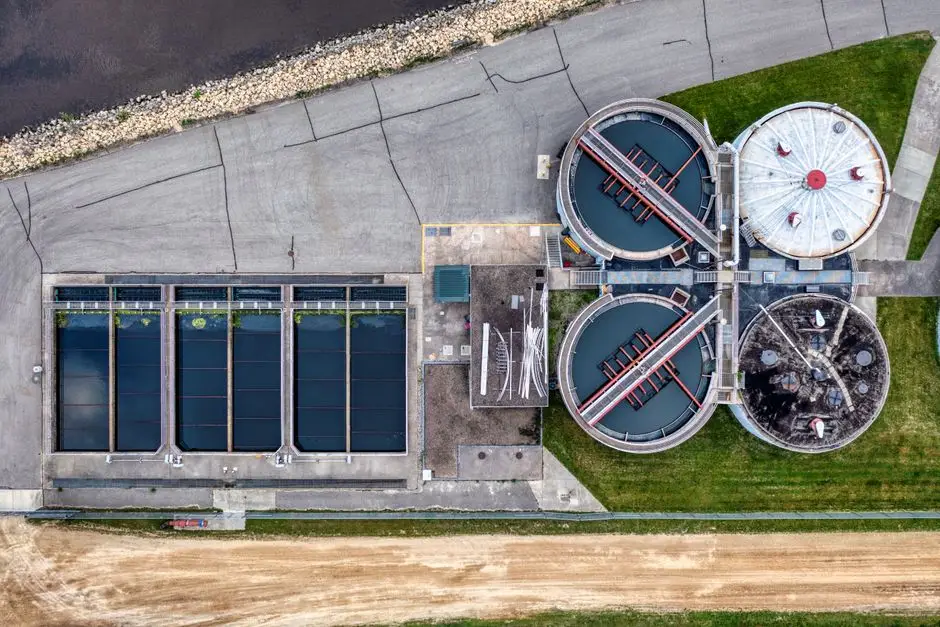
Equipment choice sits downstream of regulatory category, so the first step in any 2026 selection is to confirm which federal subcategory applies. For a Danville facility the most likely candidates are 40 CFR Part 430 (ore mining and dressing), 40 CFR Part 433 (metal finishing), and 40 CFR Part 437 (centralized waste treatment). Each regulates a different effluent profile and a different mix of total metals, TSS, and — for Part 437 — oil and grease. Specific numeric limits vary by subcategory and by individual permit, so any equipment spec should be reviewed against the actual permit rather than a generic EPA table.
Virginia is a delegated NPDES state, so Danville discharges go through a VA DEQ VPDES individual permit or general permit (the VAG series) covering industrial stormwater and process wastewater. The 2026 inspection and renewal cycle has tightened, particularly for total metals (Cu, Ni, Zn, Pb, Cr) and for facilities on the Dan River watershed where downstream water-quality concerns intersect with the EPA's multi-sector enforcement priorities. That means the primary clarifier's metal-hydroxide capture rate is not just an OPEX variable — it is a direct permit variable. The same equipment that lifts 90% of the floc off as a float at one plant may lift only 70% at another because the upstream chemistry differs by a few tenths of a pH unit, which is exactly why bench or pilot work on real wastewater is the only defensible sizing basis (S3). For context on how permit language is shaping 2026 equipment decisions across industries, see this September 2026 regional wastewater infrastructure update.
Sizing, Footprint and CAPEX Reality Check for a 2026 Danville Project
Translating a technology preference into a defensible 2026 budget line means framing cost as typical industrial OEM budgetary ranges rather than quoting numbers that no one's RFQ will actually hit. The main cost drivers for a primary separator in front of a chemical precipitation, RO, or reuse train are: skid versus field-built, materials of construction, the chemical conditioning package (coagulant, flocculant, polymer feed, pH control), automation level (PLC screen, remote telemetry), and the sludge-handling downstream. A SigmaDAF Compact or a ClearStream rectangular DAF ships fully shop-assembled (S1, S5), which cuts field-installation hours and is attractive to a Danville brownfield retrofit where the existing concrete basin or pipe gallery constrains the build. Aries also offers bench-scale jar testing to nail down removal efficiencies, float characteristics, and a cost-effective chemical program before any commitment (S3).
On the clarifier side, the 20–40 m/h surface loading rate of a lamella design (HydropureWater spec) means a much smaller plan area than a conventional clarifier, but the tank profile is taller — a real constraint in older Danville plants with low ceiling heights or shallow excavation depth. The chemical conditioning package is also a real cost line; pairing either technology with an automatic chemical dosing system is the only way to keep dose rates stable across the diurnal swings a Danville plant typically sees. The honest answer for a 2026 PO is that neither DAF nor a lamella clarifier can be defensibly sized from a vendor brochure — bench or pilot testing on real wastewater remains the only credible path to a locked-in CAPEX and OPEX number, and any vendor that skips that step should be a red flag.
Decision Framework: A 5-Question Checklist Before You Sign a PO in Danville
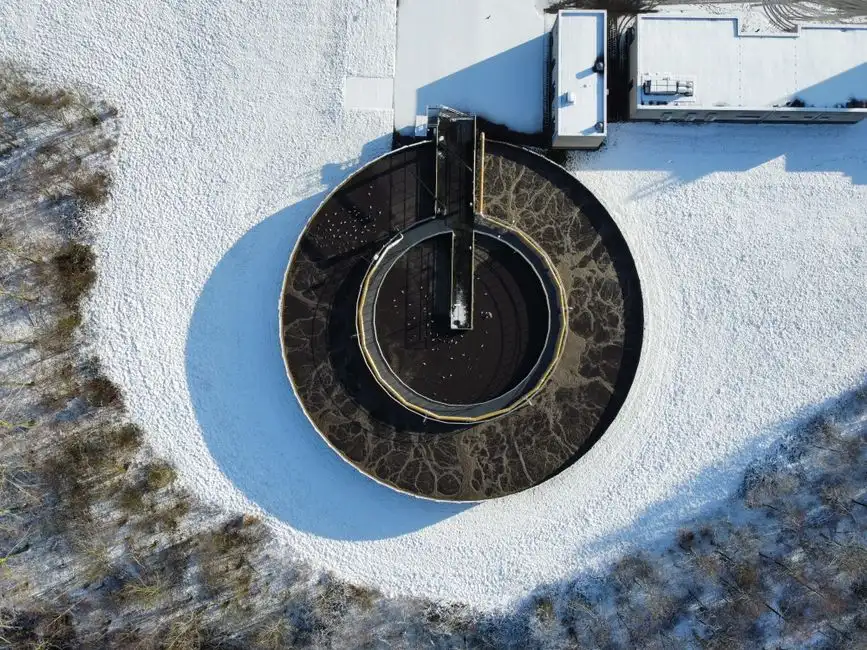
Before you walk into a procurement meeting, tick off these five questions. Each is a hard gate; a "no" or "don't know" answer sends you back to bench-scale jar testing rather than into a purchase order.
| # | Question | What the answer picks |
|---|---|---|
| 1 | What is the 95th-percentile TSS and FOG on a real composite sample, not a design basis? | TSS >5,000 mg/L and low FOG → clarifier/lamella. FOG-bearing, TSS under ~3,000 mg/L → DAF. |
| 2 | Does the floc float (low bulk density) or sink (heavy mineral / hydroxide)? | Floc that floats → DAF. Floc that sinks → lamella or conventional clarifier. This single question resolves most bids. |
| 3 | What is the available footprint and headroom in the existing Danville plant? | Tight plan area, adequate height → lamella or rectangular DAF (S5). Tight height, large floor → conventional clarifier or circular DAF under ~50 ft diameter (S5). |
| 4 | Which 40 CFR subcategory and VPDES permit limits will the equipment be measured against? | 40 CFR 430 (ore mining), 433 (metal finishing), or 437 (centralized waste treatment), each with a different metals/TSS/FOG envelope under the VA DEQ VPDES layer. |
| 5 | Is there a credible local operator to run the chemical conditioning, or do you need a turnkey skid? | Limited operator bandwidth → SigmaDAF Compact ≤66 GPM single skid (S1) with PLC screen. Experienced local team → custom field-built DAF or lamella package is feasible. |
For a parallel five-question framing in a different duty case, see the Nashville chemicals DAF vs clarifier buyer guide. The point of running your bid through this table is not to produce a vendor preference — it is to produce a defensible, written record that a VA DEQ reviewer can read in five minutes and accept as the basis for the equipment selection.
Frequently Asked Questions
When should a Danville mining or metals plant pick DAF over a clarifier in 2026?
Pick DAF when the influent carries oil, FOG, or low-density metal-hydroxide floc with TSS up to a few thousand mg/L — typical of metal-finishing rinse, ferrous pickling, and centralized waste streams under 40 CFR Part 433 or 437. The DAF system lifts 30–50 µm micro-bubbles (S1) onto conditioned floc and skims it, with a Compact skid envelope at ≤66 GPM single skid for smaller flows (S1).
When is a lamella or gravity clarifier the better primary separator in Danville?
Choose a lamella or gravity clarifier when the stream is heavy, abrasive slurry above ~5,000 mg/L TSS with little oil — aggregate wash water, crushed-stone plant effluent, or post-neutralization AMD sludge. The HydropureWater high-efficiency lamella clarifier runs at 20–40 m/h surface loading in a small plan area with no air-saturation skid, which suits dense mineral floc that sinks readily.
What influent data do I need before sizing a DAF or clarifier in 2026?
You need 95th-percentile TSS, FOG, pH, and temperature on a real composite sample — not a design basis — plus bench or pilot jar-test data on flotation versus settling behavior. Aries' bench-scale jar testing (S3) and SigmaDAF/ClearStream pilot units (S1) are the standard 2026 path to a defensible size and chemical program.
Which EPA and Virginia permits govern a Danville mining or metals discharge in 2026?
Federal coverage is typically 40 CFR Part 430 (ore mining), Part 433 (metal finishing), or Part 437 (centralized waste treatment), and Virginia adds a VA DEQ VPDES individual or general (VAG) permit layer. 2026 renewals have tightened total-metals limits, so the primary clarifier's metal-hydroxide capture rate is a direct permit variable, not just an OPEX one.