Kuwait's Municipal Wastewater Treatment: A Strategic Overview
Kuwait is investing heavily in its municipal sewage treatment infrastructure, with major projects like the North Kabd and Umm Al-Hayman plants aiming to significantly expand capacity. These initiatives, often involving international partnerships, underscore the nation's commitment to modernizing its wastewater management systems to meet growing demands and environmental standards. The country has awarded a significant $3.3 billion contract to a Chinese state-owned company for its largest sewage treatment plant, North Kabd, which will have a capacity of 1 million cubic meters of wastewater per day. Under this comprehensive contract, the awarded firm will be responsible for the plant's design, build, operation, and maintenance over a 10-year period. Another flagship project, the Umm Al-Hayman Wastewater Treatment Plant, is slated for full operations by June 2025, signaling progress in upgrading the nation's wastewater capabilities. Complementing these, other projects such as the South Al-Mutlaa Wastewater Treatment Plant are also underway, with capacities of 400,000 m³/day and a peak capacity of 600,000 m³/day. These large-scale undertakings are integral to Kuwait's broader infrastructure development initiatives, aiming to enhance public health and environmental sustainability.
Key Municipal Wastewater Treatment Projects in Detail
Kuwait's commitment to modernizing its wastewater infrastructure is most evident in its ambitious large-scale projects. The North Kabd Sewage Plant stands as the nation's largest, designed to process a substantial 1 million cubic meters of wastewater daily. The comprehensive 10-year Design, Build, Operate, and Maintain (DBOM) contract awarded for this facility highlights the long-term vision for its management and performance. The Umm Al-Hayman Wastewater Treatment Plant is another cornerstone project, expected to commence full operations by June 2025, addressing the wastewater needs of the entire southern region of Kuwait and aiming to transform sludge into valuable byproducts. Further contributing to regional wastewater management is the South Al-Mutlaa Wastewater Treatment Plant, with a capacity of 400,000 m³/day, expandable to a peak of 600,000 m³/day. A key output of this plant is ultra-filtered treated effluent, indicating a push towards higher quality treated water. These municipal sewage treatment plants in Kuwait typically employ a multi-stage process. This includes primary treatment to remove settleable solids, followed by secondary biological treatment, which can involve processes like activated sludge or more advanced Membrane Bioreactors (MBR). Tertiary treatment stages are increasingly crucial for achieving the high effluent quality required for reuse, often involving advanced filtration and disinfection. The goal of producing ultra-filtered treated effluent, as seen in projects like South Al-Mutlaa, underscores the adoption of sophisticated technologies to meet stringent water quality standards.
| Project Name | Capacity (m³/day) | Peak Capacity (m³/day) | Contract Type | Expected Completion/Operation |
|---|---|---|---|---|
| North Kabd Sewage Plant | 1,000,000 | N/A | Design, Build, Operate, Maintain (10 years) | Under Construction |
| Umm Al-Hayman Wastewater Treatment Plant | N/A | N/A | N/A | Full Operations by June 2025 |
| South Al-Mutlaa Wastewater Treatment Plant | 400,000 | 600,000 | N/A | Underway |
Technological Considerations and Challenges in Kuwait's Wastewater Sector
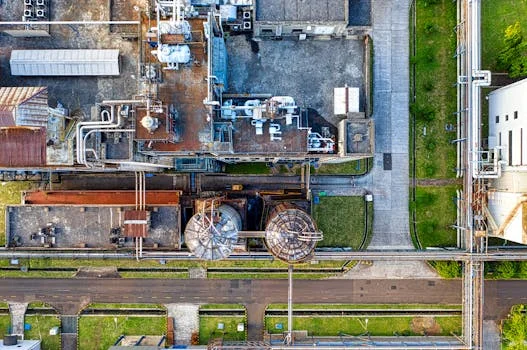
Kuwait's strategic investments in municipal sewage treatment plants are accompanied by significant technological considerations and operational challenges. The drive towards higher effluent quality, particularly for water reuse, points towards the increasing adoption of advanced treatment technologies. Membrane Bioreactors (MBR) are well-suited for this objective, offering superior effluent quality and a more compact footprint compared to conventional systems, which is advantageous in land-constrained urban environments. The overarching challenge for Kuwait's wastewater sector remains effective wastewater reuse. Despite substantial treatment efforts, the nation struggles with limited storage capacity and existing infrastructure issues that often confine the reuse of treated wastewater primarily to irrigation. To overcome these quality constraints and enable broader reuse applications, advanced treatment stages, including robust tertiary filtration and disinfection processes, are paramount. Dissolved Air Flotation (DAF) systems play a vital role, particularly in pre-treatment stages or for specialized industrial wastewater streams that may be co-treated. DAF systems are highly efficient in removing suspended solids, oils, and grease, thereby protecting downstream biological treatment processes. For decentralized solutions or specific community needs, integrated sewage treatment plants, such as those in the WSZ series, offer a compact and effective approach. Robust screening and pre-treatment systems are also critical. Rotary mechanical bar screens, for instance, are essential for removing rags, grit, and other debris, thereby safeguarding the integrity and operational efficiency of subsequent treatment units. Ensuring these advanced technologies are integrated effectively is key to meeting Kuwait's evolving wastewater management goals.
Future Outlook and Opportunities in Kuwait's Wastewater Sector
The ongoing large-scale municipal sewage treatment plant projects in Kuwait signal a strong governmental commitment to upgrading and expanding its wastewater infrastructure. This robust investment trajectory is expected to foster an increased focus on water reuse, consequently driving demand for more sophisticated treatment technologies capable of producing high-quality effluent suitable for a wider range of applications. Opportunities abound for technology providers offering integrated solutions, advanced automation, and intelligent monitoring systems, which are crucial for enhancing operational efficiency and ensuring compliance with increasingly stringent environmental regulations. The persistent challenge of sludge management will inevitably lead to a greater demand for efficient dewatering and treatment solutions, such as advanced sludge dewatering equipment. The implementation of smart monitoring systems, including SCADA, is also anticipated to play a significant role in optimizing plant performance, reducing operational costs, and improving overall system reliability across Kuwait's wastewater network. As the nation progresses, the integration of these advanced solutions will be pivotal in achieving its long-term water security and environmental sustainability objectives.
Frequently Asked Questions

What is the total investment in Kuwait's sewage treatment infrastructure?
Kuwait has awarded a significant $3.3 billion contract for its largest sewage treatment plant, North Kabd, indicating a substantial investment in upgrading its wastewater infrastructure.
What are the main challenges Kuwait faces in wastewater management and reuse?
Key challenges include limited storage capacity for treated wastewater, existing infrastructure issues, and quality constraints that primarily confine reuse to irrigation.
Which Chinese companies are involved in Kuwait's major sewage plant projects?
China State Construction Engineering Corp has been awarded the contract for the North Kabd sewage plant.
What is the expected timeline for the completion of key wastewater projects in Kuwait?
The Umm Al-Hayman Wastewater Treatment Plant is expected to commence full operations by June 2025.
What kind of technologies are being considered or implemented in new Kuwaiti sewage plants?
Projects are increasingly incorporating advanced technologies such as Membrane Bioreactors (MBR) for higher effluent quality, sophisticated tertiary filtration, disinfection systems, and robust pre-treatment solutions like Dissolved Air Flotation (DAF) and mechanical bar screens.
Related Equipment
- MBR membrane bioreactor systems — view specifications, capacity range, and technical data
- DAF flotation systems — view specifications, capacity range, and technical data
Need a customized solution? Request a free quote with your specific flow rate and pollutant parameters.
Further Reading
Explore these in-depth articles on related wastewater treatment topics: