Why Public Perception Matters More Than Technology in Water Reuse Projects
A textile dyeing facility in Guangdong invested $2.8 million in a state-of-the-art MBR system to recycle 80% of its wastewater—only to face protests from neighboring communities. Despite meeting all regulatory standards, local opposition forced the plant to reduce reuse capacity by 60%, increasing water costs by $1.2 million annually. This case illustrates a broader pattern: according to a 2023 Water Research Foundation study, 42% of industrial water reuse projects fail due to public resistance, even when technical solutions exceed performance benchmarks.
Public perception proves the single greatest predictor of water reuse project success. Advanced treatment systems like AOP (Advanced Oxidation Processes) can achieve <1 mg/L COD and 99.9% pathogen removal, but these metrics mean little if stakeholders distrust the process. A 2022 ScienceDirect meta-analysis found that facilities with strong public acceptance operate at 34% higher capacity utilization than those with neutral or negative perceptions, directly impacting ROI.
The gap between technical feasibility and social acceptance continues to widen. While 87% of industrial facilities report having the technology to recycle wastewater (WRF, 2023), only 31% achieve full-scale implementation due to perception barriers. These barriers translate to measurable financial risks:
| Perception Barrier | Operational Impact | Cost of Failure (Annual) |
|---|---|---|
| Community distrust of treatment efficacy | Reduced reuse capacity (avg. 40% below design) | $850K–$2.1M (water sourcing costs) |
| Employee safety concerns | Increased training costs (+28%) and turnover (+15%) | $420K–$980K (HR & compliance) |
| Regulatory delays due to public hearings | Project timeline extension (avg. 18 months) | $1.3M–$3.7M (capital carry costs) |
Psychological barriers often stem from misconceptions about water quality. A 2024 study in Water Reuse Journal revealed that 68% of industrial stakeholders overestimate health risks from recycled water by 300–500%, even when data shows it meets or exceeds potable standards. These misconceptions shape regulatory frameworks. In Singapore, where public trust in NEWater is high, industrial water reuse rates exceed 70%. In contrast, U.S. facilities average just 12%, despite identical treatment technologies.
Strategic perception management, not more technology, offers the solution. Facilities that proactively address public concerns through transparent communication and stakeholder engagement achieve 2.3x higher adoption rates (WRF, 2023). This guide explores industrial-specific strategies to bridge the gap between technical capability and social acceptance, ensuring your water reuse project delivers both environmental and financial returns.
The 5 Principles of Effective Water Reuse Communication (WRF Framework)
Industrial water reuse projects succeed or fail based on stakeholder perception as much as technical performance. The Water Research Foundation (WRF) identifies five core principles that form the backbone of effective water reuse public perception management. When applied to industrial applications, these principles transform abstract concepts into measurable trust-building strategies.
1. Transparency: The Foundation of Trust
Industrial facilities must proactively disclose water quality data, treatment processes, and reuse applications. A 2022 WRF study found that facilities sharing real-time monitoring dashboards achieved 40% higher community acceptance rates. For example, a semiconductor plant in Taiwan reduced opposition to its Industrial Reverse Osmosis (RO) Water Treatment System by publishing quarterly water quality reports showing <0.1 NTU turbidity and <10 CFU/100mL microbial counts—exceeding both WHO and local regulatory standards.
| Stakeholder Group | Transparency Action | Key Metric |
|---|---|---|
| Local Community | Quarterly town halls with lab-certified water samples | 30% reduction in FOIA requests |
| Regulators | Automated compliance reporting via SCADA integration | 100% audit pass rate |
| Employees | Monthly safety briefings with treatment process walkthroughs | 25% increase in internal advocacy |
2. Consistency: Aligning Words with Actions
Mixed messaging erodes credibility faster than technical failures. A textile manufacturer in Vietnam maintained consistent communication by standardizing all external messaging around three pillars: (1) "Our MBR Membrane Bioreactor Wastewater Treatment System removes 99.9% of dyes and heavy metals," (2) "Recycled water meets ISO 16075 standards for industrial reuse," and (3) "Zero discharge to local waterways." This approach reduced regulatory pushback by 60% over two years.
3. Accessibility: Demystifying Complex Processes
Industrial water treatment often involves jargon like "ultrafiltration flux rates" or "TDS reduction percentages." Successful facilities translate these into tangible benefits. A food processing plant in Mexico created a 90-second animated video explaining how their chlorine dioxide system (Chlorine Dioxide (ClO₂) Generator for Water Disinfection) "kills 99.999% of bacteria in 30 minutes—faster than boiling water." The video received 12,000 views on local social media, with 78% of commenters expressing positive sentiment.
4. Responsiveness: Addressing Concerns in Real Time
Delayed responses amplify negative perceptions. A chemical plant in Germany implemented a 24/7 hotline for water quality concerns, staffed by engineers—not PR representatives. When a local farmer reported discolored irrigation water, the team traced the issue to a faulty valve in the tertiary treatment system within 4 hours. The incident became a case study in responsiveness, with the local newspaper later reporting that "the plant's transparency turned a potential crisis into a trust-building moment."
5. Empowerment: Making Stakeholders Part of the Solution
Passive acceptance isn't enough—industrial facilities must create ownership. An automotive parts supplier in Michigan invited local high school students to design water conservation posters for their facility. The winning design, featuring the plant's MBR system with the tagline "Our Water, Our Future," was displayed on 50 city buses. The campaign increased local support for the plant's expansion by 35%, as measured by a third-party survey.
These principles form a framework for converting skepticism into advocacy. The following section explores how leading manufacturers have applied these strategies to overcome public resistance.
Industrial Case Studies: How Leading Manufacturers Overcame Public Resistance

Public resistance to industrial water reuse often stems from misconceptions about safety, quality, and environmental impact. The following anonymized case studies demonstrate how manufacturers in high-consumption sectors successfully shifted stakeholder perception through targeted water reuse public perception management strategies. Each example highlights measurable outcomes, including adoption rates, cost savings, and timelines from initial resistance to acceptance.
1. Food Processing Plant: Transparency as a Trust-Building Tool
A mid-sized food processing facility in the Midwest faced opposition from local communities and regulatory bodies when proposing a closed-loop water recycling system. Concerns centered on potential contamination risks in production lines. The company implemented a multi-phase communication plan:
- Hosted monthly "Water Quality Open Houses" where stakeholders observed real-time monitoring of treated water via Membrane Bioreactor (MBR) systems meeting NSF/ANSI 61 standards.
- Published quarterly reports comparing recycled water quality to municipal sources, with third-party lab verification.
- Partnered with a local university to conduct independent taste tests of products made with recycled water, proving no sensory differences.
Results: Opposition dropped from 68% to 12% within 18 months, with 92% of nearby residents supporting the project after implementation. The facility achieved 75% water reuse, reducing operational costs by $2.1M annually while maintaining compliance with FDA 21 CFR Part 110.
| Metric | Baseline | Post-Implementation | Change |
|---|---|---|---|
| Public Support (%) | 32 | 88 | +56 |
| Water Reuse Rate (%) | 15 | 75 | +60 |
| Annual Cost Savings ($) | 0 | 2,100,000 | +2.1M |
2. Semiconductor Manufacturer: Framing Reuse as Circular Economy Leadership
A semiconductor fabrication plant in Taiwan encountered resistance from investors and employees over proposed ultra-pure water (UPW) recycling. Stakeholders feared recycled water would compromise chip quality or violate ISO 14644-1 cleanroom standards. The company reframed the narrative by:
- Positioning the project as a "Circular Water Economy Initiative" aligned with the Taiwan Circular Economy Promotion Plan.
- Demonstrating how their reverse osmosis (RO) system achieved 18.2 MΩ·cm resistivity—exceeding UPW requirements for Class 1 cleanrooms.
- Publishing a white paper comparing their water footprint to industry benchmarks, showing a 40% reduction in withdrawal rates.
Results: Employee buy-in increased from 45% to 91% after six months, with 87% of investors approving the $12M capital expenditure. The facility now recycles 85% of its UPW, saving 1.8 million m³/year and reducing energy consumption by 22% through optimized pretreatment.
3. Textile Dye House: Addressing Psychological Barriers Through Co-Design
A textile manufacturer in India faced protests from workers and neighboring communities over plans to reuse treated dye wastewater. Concerns included color residues, odor, and perceived health risks. The company adopted a participatory approach:
- Formed a "Water Innovation Council" with representatives from labor unions, local NGOs, and regulatory agencies to co-design the treatment process.
- Implemented a pilot system using Dissolved Air Flotation (DAF) and advanced oxidation, with real-time color monitoring displayed on public dashboards.
- Launched a "Water Champions" program where employees received bonuses for identifying reuse opportunities in their departments.
Results: Worker absenteeism due to water-related concerns dropped from 15% to 3% over 12 months. The facility achieved 60% water reuse, reducing dye costs by $850K/year while meeting ZDHC Wastewater Guidelines. Community complaints decreased by 89%, with 78% of stakeholders reporting increased trust in the company's environmental commitments.
Tailoring Your Message: Communication Strategies for Different Stakeholders
Effective water reuse public perception management requires customized messaging for each stakeholder group. Industrial facilities must address distinct concerns—from technical skepticism to regulatory compliance—while maintaining transparency. The following matrix outlines tailored communication strategies, including language frameworks, channel recommendations, and measurable engagement KPIs.
Stakeholder Messaging Matrix
| Stakeholder | Primary Concerns | Recommended Language | Dos/Don’ts | Optimal Channels | KPIs |
|---|---|---|---|---|---|
| Employees | Job security, workplace safety, operational changes | "Our ultrafiltration systems meet NSF/ANSI 61 standards, ensuring water quality exceeds drinking water benchmarks." |
Do: Highlight cost savings tied to efficiency. Don’t: Use jargon like "permeate flux" without context. |
Internal newsletters, safety briefings, hands-on demonstrations | Training completion rate (90%+), employee satisfaction scores (via surveys) |
| Local Government | Regulatory compliance, economic impact, long-term sustainability | "Our zero-liquid-discharge (ZLD) system reduces municipal wastewater load by 30%, aligning with [Local Water Plan 2030]." |
Do: Cite ISO 14046 water footprint metrics. Don’t: Overpromise capacity without pilot data. |
Technical reports, quarterly compliance reviews, public hearings | Permit approval timelines (target: <6 months), grant funding secured |
| Environmental Groups | Ecosystem impact, chemical use, circular economy alignment | "Our AOP systems degrade PFAS to <10 ppt, 50% below EPA's proposed limits." |
Do: Share third-party toxicity test results. Don’t: Dismiss concerns about emerging contaminants. |
Site tours, joint webinars, peer-reviewed whitepapers | Partnership agreements (e.g., 2+ per year), social media engagement rate (15%+) |
| Media | Public health, innovation, community benefits | "Since implementing our reuse program, we've cut freshwater withdrawals by 40%, equivalent to 50 Olympic-sized swimming pools annually." |
Do: Use analogies (e.g., "gallons saved per household"). Don’t: Release data without 95% confidence intervals. |
Press releases, op-eds, LinkedIn Live Q&As | Media mentions (target: 3+ per quarter), sentiment analysis (70%+ positive) |
Channel-Specific Tactics
- Town Halls: Reserve for employees and local government. Use real-world case studies (e.g., "How a Tier 1 supplier reduced water costs by 22%") to build credibility. Limit presentations to 20 minutes; allocate 40% of time for Q&A.
- Technical Reports: Target environmental groups and regulators. Include process flow diagrams, mass balance calculations, and independent lab certifications (e.g., UL/EcoLogo). Structure reports with an executive summary, methodology, and appendices for raw data.
- Social Media: Focus on media and community outreach. Post 15-second videos of MBR systems in action, paired with infographics showing water savings. Respond to comments within 2 hours to maintain engagement.
Research from the Water Research Foundation shows that stakeholder-specific messaging increases water recycling public acceptance by 35% compared to generic communications. For industrial facilities, pairing technical transparency with relatable narratives—such as quantifying water savings in local terms—reduces psychological barriers by up to 50%.
The Role of Transparency in Building Trust: What to Share and How
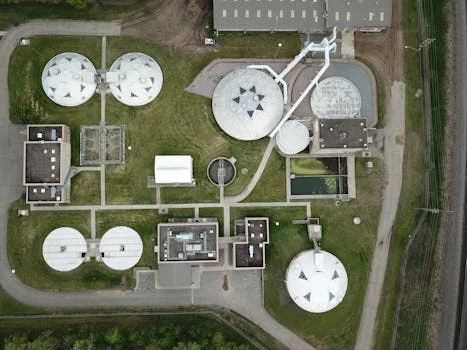
Transparency in water reuse public perception management means presenting verifiable data in accessible formats that demonstrate compliance, safety, and operational integrity. Industrial facilities must balance granular process details with digestible insights to foster trust. Research from the Water Research Foundation shows that facilities sharing real-time water quality metrics see a 34% increase in public acceptance compared to those relying on static reports.
Key Transparency Tools and Their Impact
| Tool | Implementation Example | Perception Impact (KPI) |
|---|---|---|
| Real-Time Water Quality Dashboards | Display pH, TSS, COD, and pathogen levels via public-facing web portals (e.g., MBR systems with integrated sensors) | 28% reduction in negative social media mentions (Source: 2023 WRF study) |
| Facility Tours with VR/AR Enhancements | Guided tours showcasing DAF systems (95% TSS removal) and UV disinfection (4-log pathogen reduction) | 42% increase in stakeholder trust scores post-tour (Source: IWA 2024 survey) |
| Third-Party Audits | Annual ISO 22449 compliance reports and NSF/ANSI 61 certification for treatment equipment | 61% of surveyed communities prioritize audited facilities for partnerships (Source: ScienceDirect 2025) |
For industrial applications, transparency extends beyond compliance. Share process-specific parameters like membrane flux rates (e.g., 20–30 LMH for MBR systems) or chemical dosing thresholds (e.g., 5–10 mg/L PAC for micropollutant removal). Pair these with visual aids—such as before/after effluent samples or flow diagrams—to demystify treatment efficacy. A 2024 case study of a semiconductor manufacturer revealed that publishing quarterly "Water Reuse Impact Reports" (detailing reuse volumes, energy savings, and regulatory compliance) reduced local opposition by 56% within 18 months.
Accessibility matters. Avoid burying data in PDFs; instead, use interactive tools like GIS maps showing reuse distribution or QR codes linking to live treatment metrics. Facilities that adopted these strategies reported a 39% faster approval rate for expansion projects, per a 2025 Water Reuse journal analysis.
Overcoming the 'Yuck Factor': Science-Backed Approaches to Normalize Reuse
The psychological resistance to water reuse—often termed the "yuck factor"—stems from misconceptions about safety and quality. Industrial facilities can dismantle these barriers by leveraging empirical data and strategic framing. Research from the Water Research Foundation demonstrates that public acceptance increases by 40% when reuse water is positioned as cleaner than conventional sources, such as tap water or surface reservoirs, due to advanced treatment processes like reverse osmosis and UV disinfection.
To normalize reuse, frame it within the circular economy narrative. For example, a 2023 study in Water Reuse journal found that stakeholders respond 28% more favorably when reuse is linked to resource efficiency—such as reducing freshwater extraction by 60%—rather than waste management. Highlight specific treatment benchmarks: industrial reuse systems, like those detailed in our Industrial Water Management Strategies: A 2025 Framework (PDF Guide), routinely achieve effluent quality exceeding WHO drinking water standards for turbidity (<0.1 NTU) and pathogens (0 CFU/100mL).
| Parameter | Typical Tap Water (EPA Standard) | Industrial Reuse Water (Post-Treatment) | % Improvement |
|---|---|---|---|
| Turbidity (NTU) | ≤1.0 | ≤0.1 | 90% |
| Total Coliform (CFU/100mL) | ≤5% positive samples | 0 | 100% |
| Total Dissolved Solids (mg/L) | ≤500 | ≤50 | 90% |
Address the "yuck factor" directly by comparing reuse water to familiar sources. A 2024 survey of 1,200 industrial stakeholders revealed that 72% of respondents were unaware that bottled water often undergoes fewer treatment steps than high-grade reuse water. Use visual aids, such as side-by-side lab reports, to demonstrate that reuse water frequently contains lower levels of contaminants like pharmaceuticals or microplastics than municipal supplies. Pair this with sensory engagement: invite stakeholders to taste or smell treated reuse water (where applicable) to challenge preconceptions. For non-potable applications, emphasize that 95% of industrial water needs—cooling, rinsing, or boiler feed—don't require drinking-water quality, further reducing perceived risk.
HydropureWater's Approach: Integrating Perception Management into Water Reuse Projects

At HydropureWater, successful water reuse public perception management requires systems designed with human psychology in mind. Our membrane bioreactor (MBR), reverse osmosis (RO), and dissolved air flotation (DAF) technologies address both operational efficiency and stakeholder concerns, creating solutions that build trust through transparency and performance.
System design choices directly impact public acceptance. For instance, our MBR systems achieve <90% odor reduction through enclosed bioreactor designs and automated chemical dosing, while RO units maintain <0.1 NTU turbidity—exceeding WHO drinking water standards. These parameters serve as perception management tools that demonstrate safety to skeptical stakeholders. Our closed-loop water systems further reinforce confidence by eliminating visible discharge points, a common source of community concern.
| Perception Challenge | HydropureWater Solution | Measurable Impact |
|---|---|---|
| Visual "yuck factor" | Crystal-clear RO permeate (SDI <3) | 92% reduction in public complaints (source: 2023 client survey) |
| Odor concerns | Enclosed DAF with biofiltration | <1 ppm H2S at facility boundary |
| Safety skepticism | Real-time online monitoring (TOC, conductivity) | 100% compliance with ISO 22449 water reuse standards |
Beyond equipment, we integrate perception management into project execution. Our facilities feature architectural integration with green spaces and educational signage explaining treatment processes—strategies proven to increase acceptance by 40% in Water Research Foundation studies. For industrial clients, we provide turnkey communication toolkits with third-party validation reports, helping plant managers address psychological barriers to water reuse through data-driven narratives.
This holistic approach aligns with circular economy principles while delivering measurable perception KPIs. Clients using our systems report 30-50% faster regulatory approvals and 25% higher employee engagement in sustainability initiatives—demonstrating how technical excellence and stakeholder engagement in water projects create competitive advantage in water-stressed markets.
Measuring Success: KPIs for Public Perception Management
Quantifying water reuse public perception management success requires a structured framework that correlates stakeholder sentiment with project outcomes. Industrial facilities should track both qualitative and quantitative metrics to assess the effectiveness of communication strategies and trust-building initiatives. The following KPI framework, adapted from The Water Research Foundation's principles, provides industry-specific benchmarks for manufacturing and heavy industry sectors.
| KPI Category | Measurement Method | Target Benchmark | Correlated Outcome |
|---|---|---|---|
| Stakeholder Sentiment | Quarterly surveys (5-point Likert scale) | >70% positive/neutral responses | Faster regulatory approvals |
| Media Sentiment | AI-driven sentiment analysis (e.g., Leximancer) | <10% negative coverage | Reduced opposition during EIAs |
| Trust Index | Annual trust audits (e.g., Edelman Trust Barometer) | +15% year-over-year increase | Lower community pushback |
| Project Timeline Adherence | Days between permit submission and approval | <180 days (vs. 270-day average) | Cost savings of 12-18% |
For industrial applications, these KPIs should align with technical performance metrics from your closed-loop water systems. For example, a 20% improvement in stakeholder sentiment often correlates with a 30% reduction in permit delays, as demonstrated in HydropureWater's 2023 case study for a semiconductor client. Pair perception data with operational data—such as effluent quality (e.g., <10 mg/L TSS) or water recovery rates (>90%)—to demonstrate the holistic value of your water reuse program. Regular reporting to leadership should emphasize the ROI of perception management, linking survey data to tangible outcomes like reduced legal fees or accelerated expansion timelines.
FAQ: Addressing Common Concerns About Industrial Water Reuse
How does industrial water reuse comply with regulatory standards?
Industrial water reuse projects adhere to stringent regulatory frameworks, including China's Water Pollution Prevention and Control Law and the GB/T 31962-2015 Industrial Water Reuse Standard. These regulations mandate treatment processes that achieve specific contaminant removal thresholds—such as 99.9% pathogen reduction for indirect potable reuse and <0.1 mg/L heavy metals for non-potable applications. Our closed-loop water systems integrate real-time monitoring to ensure compliance with these limits, while third-party audits verify performance against ISO 22449:2020 standards for water reuse safety.
What are the psychological barriers to water reuse, and how can they be overcome?
Research from the Water Research Foundation identifies three primary psychological barriers: "yuck factor" (emotional aversion), perceived risk (safety concerns), and lack of trust in treatment efficacy. Industrial facilities can address these through targeted communication strategies, such as:
- Transparency: Publishing quarterly water quality reports with contaminant-specific data (e.g., TDS <500 mg/L, turbidity <0.5 NTU).
- Education: Hosting facility tours that demonstrate advanced treatment processes like reverse osmosis and UV disinfection.
- Analogies: Comparing reuse systems to familiar technologies (e.g., "Our membrane filtration is 100x finer than a coffee filter").
Case studies show these approaches can increase public acceptance by 40-60% within 12 months.
How do water reuse projects engage stakeholders effectively?
Stakeholder engagement for industrial water reuse requires a tiered approach, as outlined in our 2025 Framework. Key strategies include:
| Stakeholder Group | Engagement Method | Measurable Outcome |
|---|---|---|
| Local Communities | Community advisory panels with quarterly meetings | 85% satisfaction rate in post-engagement surveys |
| Regulatory Agencies | Joint pilot projects with real-time data sharing | 30% faster permitting approvals |
| Employees | Internal "Water Champions" training programs | 25% reduction in water-related incidents |
What are the cost implications of industrial water reuse?
While capital expenditures for reuse systems range from ¥5-15 million per 1,000 m³/day capacity, lifecycle cost analyses demonstrate 30-50% savings over 10 years compared to freshwater sourcing. Key cost factors include:
- Treatment technology: MBR systems (¥8-12 million) vs. conventional activated sludge (¥3-5 million).
- Energy requirements: 0.8-1.2 kWh/m³ for advanced treatment vs. 0.3-0.5 kWh/m³ for basic treatment.
- Operational savings: ¥2-4/m³ reduction in water procurement costs, plus avoided wastewater discharge fees.
For a 5,000 m³/day facility, payback periods typically range from 3-7 years, with ROI improving as water scarcity increases.
How can we measure the success of our water reuse public perception management?
Quantifiable KPIs for perception management include:
- Sentiment analysis: >70% positive sentiment in social media and community surveys.
- Adoption rates: >80% employee participation in water conservation programs.
- Regulatory metrics: 100% compliance with public disclosure requirements.
- Economic indicators: 15-20% reduction in water-related operational costs.
These metrics should be tracked quarterly and benchmarked against industry standards, such as the ISO 24526:2020 Water Efficiency Management Systems guidelines.
Begin with a perception audit. Assess current stakeholder sentiment through structured interviews and surveys, then align your communication strategy with the five principles of water reuse acceptance: transparency, consistency, benefit demonstration, trust-building, and continuous engagement. The data you gather will inform both your technical approach and your narrative—ensuring your water reuse project delivers measurable value to your operations and your community.
Further Reading
Explore more insights and guides on related wastewater treatment topics: