DAF vs Clarifier for Mining and Metals Wastewater in Oil City
For Oil City mining and metals factories in 2026, choose DAF when the stream carries emulsified oils, flotation-grade fines, or FOG alongside suspended solids; choose a lamella (inclined-plate) clarifier when the dominant load is high-density metal hydroxide or ore fines that settle readily. DAF typically cuts TSS to 20–50 mg/L but adds compressor energy; lamella clarifiers deliver 20–40 m/h surface loading with 30% lower chemical use but struggle with neutrally buoyant oily floc. A two-stage train — DAF first to break emulsions, lamella to polish — handles the worst combined streams coming off rolling mills, electroplating lines, and machined-parts washers in this region.
Dissolved air flotation removes suspended solids, oils, hydrocarbons, and minerals/metals from water (per wwdmag.com, 2024-08), which is the pollutant mix that the Oil City industrial base — anchored in steel finishing, machined-parts manufacturing, and oilfield service suppliers — produces in volume. The decision between DAF and a gravity clarifier for any 2026 retrofit is a stream-typing question anchored to 25 PA Code § 95 discharge standards and the federal effluent limitations under 40 CFR Part 440 (ore mining and dressing) or 40 CFR Part 413 (metal finishing). The following sections detail the mechanism, the matrix, and the budget framing to make that choice defensible.
How Each Technology Actually Works in a Metals Plant
DAF operates by recycling a portion of clarified effluent through an air saturation vessel held at 5–7 bar; compressed air dissolves into the recycle stream, which is then released through a specialized pressure-relief valve near the center of the flotation tank. The pressure drop nucleates microscopic bubbles (10–100 µm) that attach to flocculated suspended matter and lift it to the surface, where a mechanical skimmer removes the float layer (clearstreameng.com, 2024). In a metals plant, this mechanism is what makes DAF uniquely capable of capturing neutrally buoyant and oily particles that would otherwise pass straight through a gravity settler.
A lamella clarifier is a gravity device where wastewater enters a feed chamber, flows upward through a stack of parallel inclined plates set at 55–60° from horizontal, and exits over launder weirs at the top of the tank. The inclined geometry shortens the effective settling distance to roughly 50 mm, so particles that would never settle in a conventional clarifier reach the plate surface and slide down into a sludge hopper. A sludge recirculation blanket at the plate inlet boosts floc growth, which is why the design tolerates a 20–40 m/h surface loading rate. For dissolved metals specifically, hydroxide precipitation upstream of the plates is the chemistry that makes the separation work — see the lead removal technology guide for industrial wastewater for the upstream chemistry that applies to Ni, Cr, Zn, and Cu as well.
One DAF variant, dissolved gas flotation (DGF), replaces air with nitrogen to cut flammability risk and can drive residual oil below 25 ppmv (per wwdmag.com). Where tramp-oil concentrations push the LEL envelope, DGF is the safer architectural choice. Coagulant chemistry for metals streams typically pairs ferric chloride or poly aluminum chloride for dissolved metals precipitation with bentonite or anionic polyacrylamide as a flocculation aid for fine ore particles (per wwdmag.com).
Side-by-Side Comparison: DAF vs Lamella Clarifier
The matrix below allows a process engineer to identify their stream requirements and provides a visual for budget meetings. DAF performance ranges are drawn from general process descriptions; lamella figures come from high-efficiency sedimentation tank specifications.
| Parameter | DAF | Lamella (Inclined-Plate) Clarifier |
|---|---|---|
| TSS removal efficiency | 20–50 mg/L typical effluent | 30–80 mg/L typical effluent |
| Oil / FOG capture | Strong; handles emulsified oils down to <25 ppmv with DGF variant | Weak; neutrally buoyant floc passes through |
| Surface loading rate | 5–25 m/h hydraulic loading | 20–40 m/h |
| Footprint | Compact; rectangular units ship fully shop-assembled for retrofit | Larger tank footprint than DAF; smaller than conventional clarifier |
| Energy use | Higher — air compressor and recycle pump dominate OPEX | Low — gravity-driven, only sludge pump energy |
| Chemical demand | Coagulant + flocculant aid; alum baseline ~30 mg/L (USU, 2011) | ~30% lower chemical consumption vs conventional clarifier |
| CAPEX band | Higher (saturation vessel, recycle pump, skimmer drive) | Lower mechanical CAPEX; larger civil footprint |
| OPEX band | Energy-driven; lower chemical cost on small footprints | Energy-light; chemical savings compound on long runs |
| Best-fit stream | Oily emulsions, flotation-grade fines, FOG, surfactants | High-density metal hydroxides, ore fines, settleable sludges |
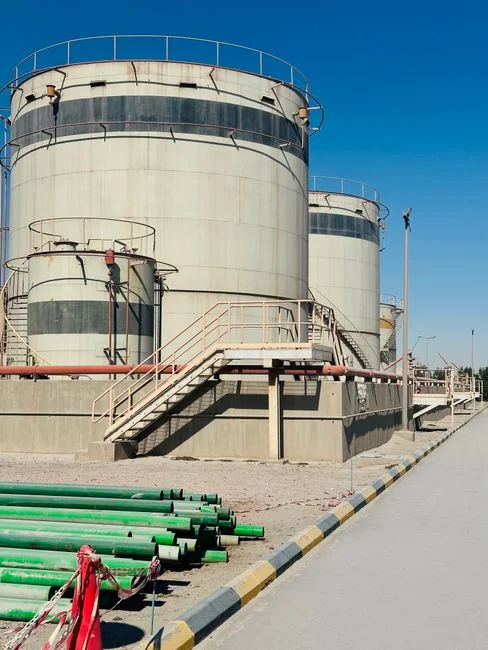
The dissolved air flotation (DAF) system sits on the DAF side of that matrix; the high-efficiency lamella clarifier covers the gravity side.
Mining and Metals Stream Types That Drive the Choice
Four stream archetypes cover the bulk of the regional retrofit decisions in 2026:
- Steel mill scale and rolling emulsions. Oil-coated fines dominate; tramp oil from the rolling emulsion bonds to iron scale and forms a neutrally buoyant floc. DAF first breaks the oil/water emulsion; a downstream lamella polishes residual TSS. Skipping the DAF stage means the lamella cannot settle what never sinks.
- Electroplating rinsewater. High dissolved metals (Ni, Cr, Zn, Cu) at pH 2–4 require hydroxide precipitation with NaOH or lime to pH 8.5–10. The resulting metal-hydroxide floc settles readily, so a lamella clarifier handles bulk clarification economically. DAF only enters the train if the same rinse line also carries surfactants or oil residues.
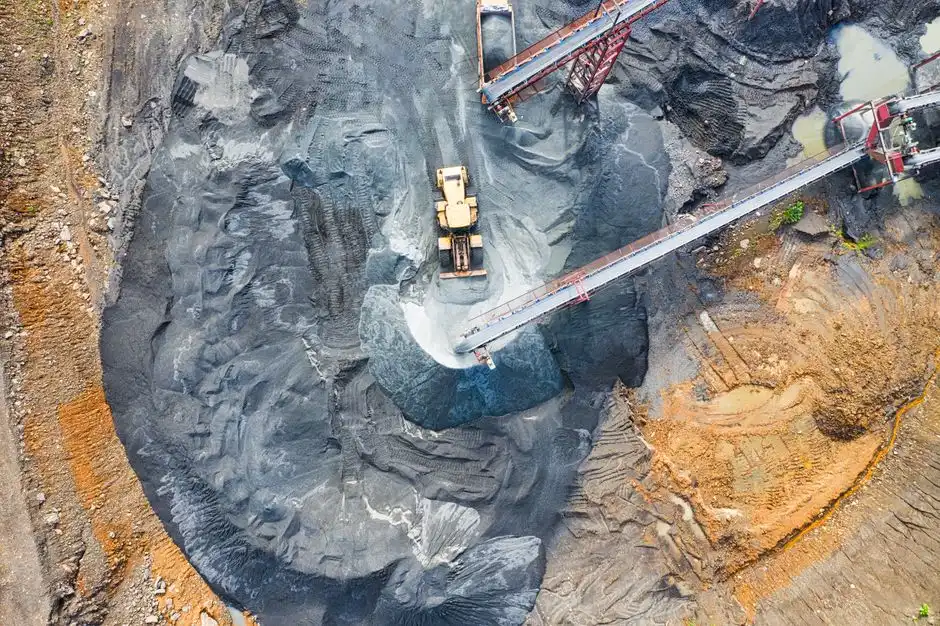
- Ore beneficiation tailings and AMD neutralization. Dense, high-specific-gravity metal-hydroxide sludge from lime treatment of acid mine drainage settles fast and carries little oil. Lamella dominates on settling velocity and on the chemical efficiency of a sludge recirculation blanket. DAF is wasted capital here.
- Machined-parts washer wastewater. Tramp oil plus metal fines from CNC and parts-washing operations is the classic DAF load. When oil concentration approaches flammability limits, the DGF nitrogen variant becomes the safer choice (per wwdmag.com).
When the stream is mixed — oil-coated fines plus dense hydroxide sludges in the same flow — the hybrid DAF→lamella train is the standard 2026 architecture.
Coagulant and Flocculant Selection for Metals Streams
Equipment selection requires specific upstream chemistry to function effectively. For dissolved metals removal across pH 4–11, ferric chloride is the workhorse coagulant. Where chloride loading is constrained, poly aluminum chloride (PACI) is the substitute. For fine ore particles that resist coagulation, bentonite or anionic polyacrylamide acts as a weighting/co-aid agent (per wwdmag.com). An alum baseline dose of approximately 30 mg/L was the optimized dose in the Logan USU DAF study for TSS removal in the 30–100 mg/L range (digitalcommons.usu.edu, 2011) — a useful starting curve for similar streams before jar testing.
| Contaminant | Primary Coagulant | Flocculant Aid | Typical pH Window |
|---|---|---|---|
| Dissolved Ni, Zn, Cu | Ferric chloride (50–150 mg/L) | Anionic polyacrylamide (0.5–2 mg/L) | 8.5–10 |
| Dissolved Cr(VI) (after reduction) | Ferric chloride or PACI | Anionic polyacrylamide | 7.5–9 |
| Oil-coated mill fines | PACI or alum (~30 mg/L baseline) | Cationic polyacrylamide + bentonite | 6.5–8 |
| Ore fines / AMD sludge | Lime + ferric chloride | Anionic polyacrylamide | 8.5–10.5 |
Before sizing either unit, run a 5–7 dose jar test across two coagulants with a settle-vs-float comparison at each dose. The dose that wins on float is your DAF setpoint; the dose that wins on settle is your lamella setpoint. An automatic chemical dosing system tied to a streaming-current monitor holds either setpoint steady under variable influent.
2026 CAPEX, Footprint, and Operating-Cost Trade-Offs
A DAF unit carries higher mechanical CAPEX because of the saturation vessel, recycle pump, air compressor, and skimmer drive. The offset is a much smaller civil footprint — rectangular DAF units ship fully shop-assembled and slot into existing basins on retrofit installs (clearstreameng.com). For a tight Oil City site where building envelope is the binding constraint, DAF frequently wins on total installed cost even before counting chemical or energy OPEX.
A lamella clarifier carries lower mechanical CAPEX (no compressor, no saturation vessel) but a larger tank footprint than DAF. The building envelope, however, is still smaller than a conventional clarifier because the inclined plates multiply the effective settling area. Up to 30% chemical savings versus a conventional clarifier (per the high-efficiency sedimentation tank product spec) compound into meaningful OPEX reductions on long runs.
The single largest OPEX line on a DAF is the air compressor — typically 5–15 kW for a mid-sized metals plant unit running 24/7. The lamella side has only the sludge pump. A defensible payback argument runs: lamella chemical savings (X $/yr) + sludge pump energy (Y $/yr) versus DAF compressor energy (Z $/yr) and avoided civil cost (W $). If Z + civil premium > X + Y over the planning horizon, the lamella pays for itself. The dissolved air flotation (DAF) system and the high-efficiency lamella clarifier bracket the two ends of that trade-off.
Implementation Gotchas Specific to the Oil City Region
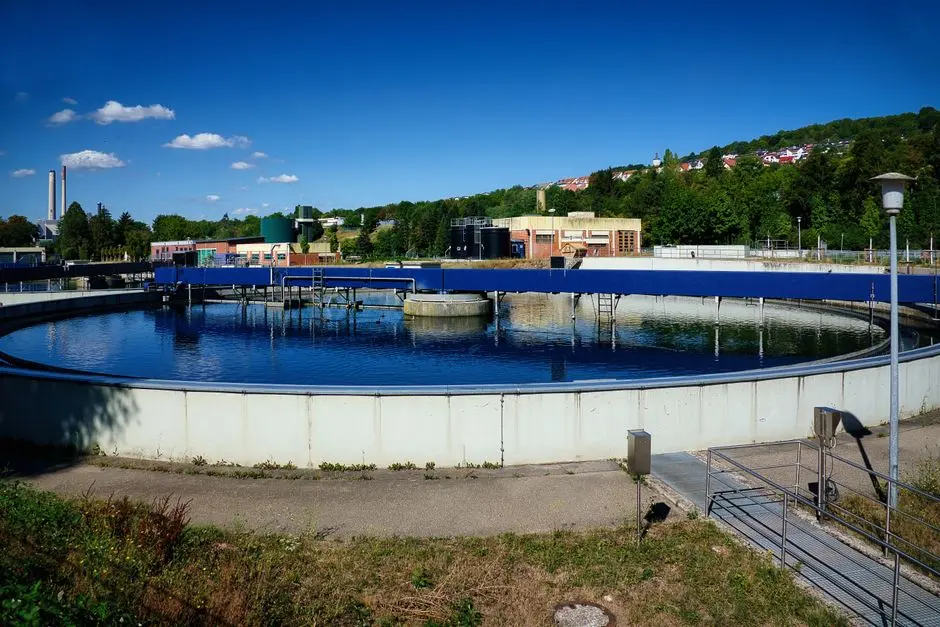
Northwest Pennsylvania winters drop well below freezing for extended periods, and uncovered DAF tanks will ice. Specify enclosed or covered DAF tanks for outdoor installation. Lamella clarifiers tolerate cold better, but polymer viscosity shifts at low temperature demand dose retuning on the flocculant pump — plan a winter jar test.
Regional groundwater carries elevated iron, and that iron fouling will plate out inside a DAF saturation vessel. Specify stainless or FRP wetted parts on the saturation vessel and recycle piping to keep the compressor suction side clean. On the discharge side, most Oil City plants send effluent to the Oil City sewer authority under industrial pretreatment permits. 25 PA Code § 95 sets the regulatory floor, but the POTW's local limits can be tighter — confirm local limits before sizing either unit, because a clarifier sized for 50 mg/L TSS will not satisfy a 30 mg/L local limit without a polish stage.
Sludge handling downstream differs between the two units and matters for the dewatering equipment spec: DAF float typically runs 3–5% dry solids, while lamella underflow runs 2–4%. Both feed a plate-and-frame filter press for dewatering, but the DAF float dewaters faster on a given filter area because of the higher initial solids.
Frequently Asked Questions
When is DAF the right primary clarifier for a metals stream?
Frequently Asked Questions
Should an Oil City metals plant choose DAF or a clarifier in 2026?
The choice depends on the specific gravity and particle size of your waste stream. In 2026, DAF is generally preferred for mining and metal finishing operations where contaminants are lighter than water or consist of emulsified oils, as it achieves separation rates up to 95% for suspended solids. Clarifiers remain the superior choice for high-density inorganic solids and heavy metal precipitates that settle at rates exceeding 0.5 inches per minute.
Can a lamella clarifier remove emulsified oil from machining wastewater?
No, a lamella clarifier alone cannot effectively remove emulsified oil. Because emulsified oil particles are typically smaller than 20 microns and carry a neutral buoyancy, they will pass through the inclined plates without settling. Effective removal of these oils requires chemical demulsification or the introduction of micro-bubbles via a DAF system to float the oil to the surface for skimming.
What TSS can a DAF system achieve on mining wastewater?
When properly dosed with coagulants and flocculants, a DAF system can consistently reduce Total Suspended Solids (TSS) in mining wastewater from influent concentrations of 500–2,000 mg/L down to effluent levels below 30 mg/L. Performance is highly dependent on the retention time, typically ranging from 20 to 30 minutes, and the air-to-solids ratio maintained within the contact zone.
Do metal finishing shops in Pennsylvania need a DAF before discharge?
Whether a facility requires a DAF depends on the local POTW (Publicly Owned Treatment Works) discharge permit and the specific EPA Categorical Pretreatment Standards under 40 CFR Part 433. If the wastewater contains oil and grease (O&G) levels exceeding local limits—often capped at 100 mg/L—or high levels of heavy metals that must be precipitated and removed, a DAF is frequently the most compact and compliant solution for meeting these Pennsylvania DEP-regulated mandates.
Is it ever worth using both DAF and a lamella clarifier in series?
Yes, this hybrid configuration is highly effective for complex waste streams containing both heavy settleable solids and light floatable contaminants. In this arrangement, the lamella clarifier acts as the primary stage to remove heavy mineral solids and metal hydroxides, reducing the hydraulic and solids loading on the secondary DAF unit. The DAF then polishes the effluent by floating residual emulsified oils and fine suspended matter, ensuring the final discharge meets stringent environmental standards.