Why Boca Chica EV Plants Have a DAF-or-Clarifier Problem in 2026
A Cameron County EV or tier-1 auto plant in 2026 runs at least four distinct wastewater streams that converge on the same headworks. Paint-shop e-coat and ED rinse water carries phosphate, surfactants, and pigment solids. Phosphate and nanoceramic pretreatment baths dump spent chemistry at the end of each shift. Machining coolant blowdown contributes free and emulsified oil. Anode and cathode slurry rinse water carries trace Ni, Co, Li, and Mn. Stamping lubrication oils, HVAC condensate, and occasional truck-wash water round out the mix. Together, these sources produce a flow that swings 3–6× between shifts, with TSS ranging from roughly 80 mg/L on a quiet day to more than 2,000 mg/L during a paint-shop dump, and FOG hitting 500–1,500 mg/L when coolant lines slip (HydropureWater field data, 2026).
This operating envelope defines the requirements for a Boca Chica or Brownsville gigafactory. The site is part of a Gulf Coast manufacturing cluster near SpaceX and the planned EV supply chain, and discharge flows to the Brownsville Public Utilities Board collection system under an SIU permit. The headworks designer must decide which solids-removal technology sits ahead of pH adjustment, metals precipitation, and any downstream MBR polish: a DAF, a lamella clarifier, or a combination of both.
How a DAF and a Clarifier Actually Treat EV Wastewater
A dissolved air flotation (DAF) unit saturates a sidestream of clarified water with air at 4–6 bar inside an air saturation vessel, then releases that water through a needle valve or back-pressure plate at the bottom of the flotation tank. The pressure drop nucleates 30–50 micron micro-bubbles that attach to flocculated oil droplets, paint solids, and fine suspended matter, lifting them to the surface in a few minutes (per Clearwater Industries' DAF process description). A surface skimmer pulls the resulting float into a collection trough. A DAF tolerates the slug loads, oil sheens, and warm temperatures typical of an auto-plant drain, and its float thickens to 3–6% dry solids, which is dry enough to feed a filter press directly.
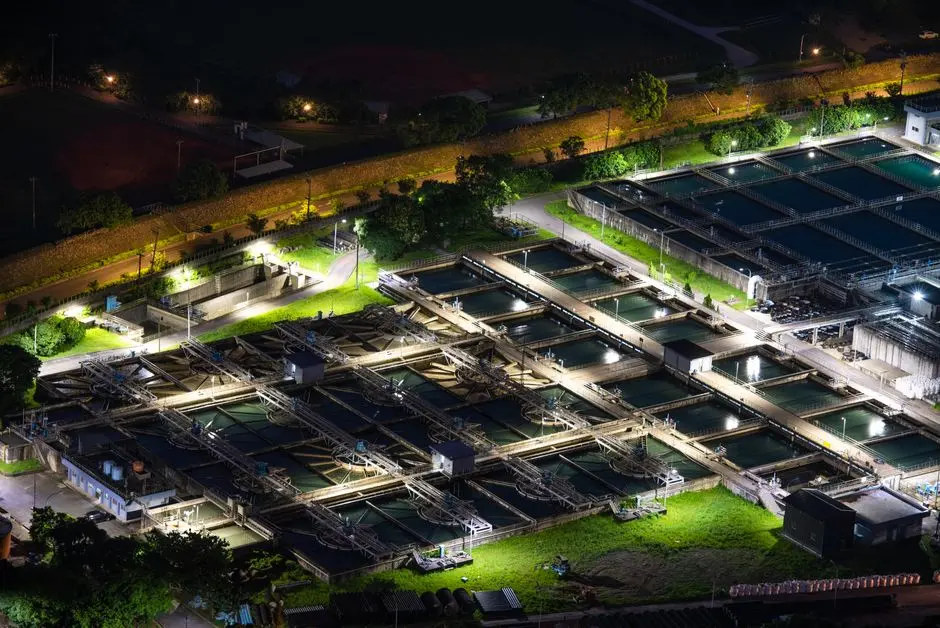
These units differ fundamentally from gravity-based separation technologies. A gravity clarifier settles heavier particles in a quiescent tank, while a lamella clarifier stacks inclined plates inside the tank to multiply the effective settling area, pushing surface loading to 20–40 m/h and cutting the tank footprint by 50–70% versus a conventional clarifier. Lamella units are cheaper to build, draw 2–5 kW instead of 8–15 kW, and pair naturally with the hydroxide or sulfide precipitation chemistry used to drop Ni, Co, Li, and Zn out of battery rinse water. Their primary limitation is the handling of light, floatable material like paint, free oil, and emulsified FOG.
Head-to-Head: DAF vs Clarifier on EV/Auto Effluent
The table below provides a procurement reference for 2026. Removal numbers are anchored to Ecologix's 2026 food-plant benchmark (95% DAF vs 70% clarifier FOG removal) and typical EV/auto operating ranges (HydropureWater field data, 2026).
| Metric | DAF (e.g., HydropureWater dissolved air flotation system) | Lamella Clarifier (e.g., HydropureWater high-efficiency lamella clarifier) | EV/Auto Comment |
|---|---|---|---|
| FOG removal | 85–95% | 50–70% | DAF dominates oily streams (Ecologix 2026) |
| TSS removal | 80–95% | 70–90% | Lamella competitive on metal-bearing particulate |
| Hydraulic loading | 5–25 m/h | 20–40 m/h | Lamella footprint advantage |
| Footprint | Larger tank + saturator skid | 50–70% smaller than conventional | Lamella wins on constrained Gulf Coast pads |
| Chemical demand | Coagulant + flocculant typical | Lower for low-FOG, metal-precip streams | DAF chemistry raises OpEx |
| Sludge character | Thick float, 3–6% DS | Bottom sludge, 1–2% DS | DAF float dewaters better |
| CapEx (50 m³/h) | USD 180,000–420,000 | USD 80,000–220,000 | Clarifier 30–50% lower |
| OpEx power | 8–15 kW | 2–5 kW | Clarifier ~60–70% lower |
The right answer for a Boca Chica gigafactory is rarely a binary pick. Most 2026 EV plants will run a DAF as the primary oil/paint removal step, followed by a lamella clarifier as a polish step downstream of the metals precipitation stage.
Cameron County, TX Discharge Rules That Drive the Choice in 2026
Industrial discharges into the Brownsville PUB collection system are regulated under 30 TAC Chapter 305 (industrial waste) and 30 TAC Chapter 327 (pretreatment), administered by TCEQ Region 15. For EV components, 40 CFR Part 433 (Metal Finishing categorical) and 40 CFR Part 467 (Aluminum Forming) often apply, setting daily-maximum and monthly-average limits on TSS, FOG, Ni, total Cr, Zn, and pH. FOG and TSS are the parameters most likely to trigger a notice of violation during inspection if effluent quality is inconsistent.
A DAF earns its place in the process train because it provides the reliability required to meet these standards. A lamella clarifier ahead of metals precipitation will not reliably hit a 50 mg/L FOG ceiling on a paint-shop or machining coolant stream, whereas a properly conditioned DAF will. Before locking in equipment, request the Cameron County / Brownsville PUB SIU permit limits, any local cap on total petroleum hydrocarbons, and the sampling protocol to determine if a DAF primary, lamella primary, or a hybrid train is required. A PLC-controlled coagulant and floc dosing skid ahead of the clarifier is the standard method for keeping precipitation chemistry within the narrow band required for metals discharge limits.
2026 Cost and Footprint Reality for a Cameron County Plant
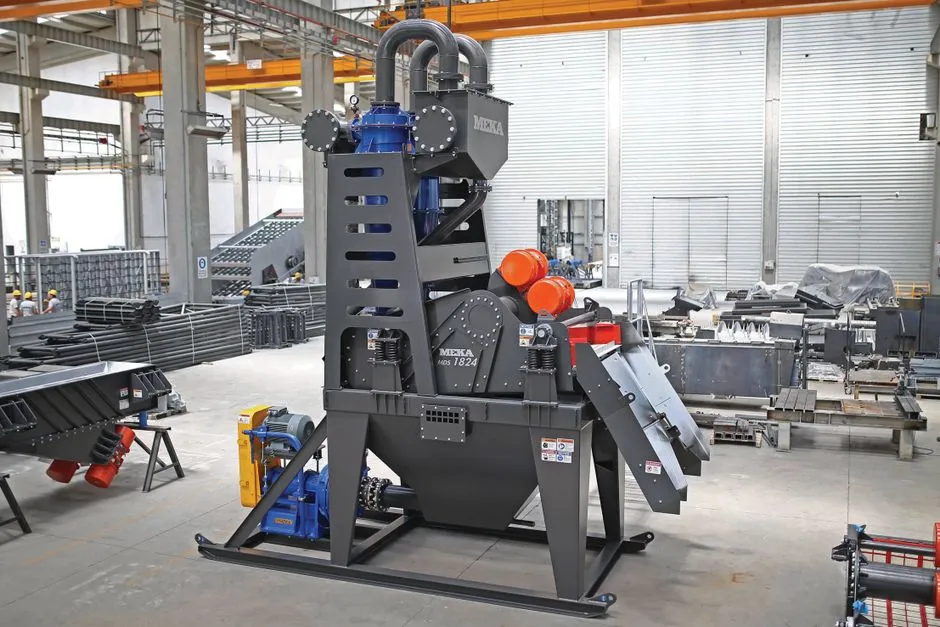
Planning CapEx in 2026 USD for a 20–50 m³/h headworks: a skid DAF typically runs USD 180,000–420,000 including the saturator, air compressor, and controls; an equivalent-capacity lamella clarifier package runs USD 80,000–220,000 (HydropureWater planning estimates, 2026). On OpEx, a 50 m³/h DAF draws 8–15 kW and consumes USD 25,000–60,000/yr in coagulant and flocculant; a lamella unit of the same capacity draws 2–5 kW and USD 10,000–30,000/yr in lime/caustic and polymer for the metals precipitation step.
Site realities dictate equipment selection as much as the price tag. Boca Chica and the Brownsville ship channel sit in a high-humidity, storm-surge-exposed Gulf Coast corridor with clay-rich soils; enclosed DAF tanks and compact lamella packages fare better than open concrete clarifiers. If the plant needs to bridge the gap between mechanical completion and permanent DAF commissioning, a trailer-mounted mobile DAF can be delivered and brought online within a single day (WesTech mobile DAF data) for temporary peak-load events. On the back end, a HydropureWater plate-and-frame filter press on the sludge side turns the 3–6% DS DAF float into a 25–35% DS cake, reducing hauling costs and disposal volume.
Decision Framework: Which One Should Your Plant Buy?
Use the following criteria as a first pass against your 24-hour composite samples.
- Pick DAF as primary when: influent FOG is above 100 mg/L, an oil sheen is present on the equalization basin, slug loads exceed 3× the average flow, or the dominant stream is paint-shop blowdown or machining coolant. Tight FOG and TSS permit limits—anything under 100 mg/L daily-max—also favor a DAF.
- Pick lamella clarifier as primary when: influent FOG is below 50 mg/L, the primary concern is metals-bearing suspended solids from battery rinse or coating pretreatment, flow is steady, and operator headcount is limited.
- Default to a hybrid train for most new 2026 EV plants in Cameron County: use a HydropureWater dissolved air flotation system as primary FOG/paint removal, followed by pH adjustment and metals precipitation, then a HydropureWater high-efficiency lamella clarifier as a polish step to bring TSS and residual metals into permit compliance before discharge.
If a single technology cannot meet the permit on its own, add an automatic coagulant and flocculant dosing skid ahead of the clarifier and a plate-and-frame filter press on the sludge side. This is the configuration most Cameron County pretreatment engineers accept upon review.
Frequently Asked Questions
What removal efficiencies can a DAF and a clarifier realistically hit on an oily auto-plant stream?
A DAF typically removes 85–95% of FOG and 80–95% of TSS; a clarifier typically removes 50–70% FOG and 70–90% TSS on the same oily auto stream, per the Ecologix 2026 food-plant benchmark and HydropureWater field data.
Can a Cameron County plant run DAF and clarifier together?
Yes. Many Cameron County plants run DAF primary plus clarifier polish, which is the most common 2026 EV-plant configuration because it targets different contaminant classes effectively.
What happens at startup if there is no clarified water for the DAF saturator?
A DAF saturation system requires a continuous supply of clean clarified water; if plant startup lacks clean water, use a temporary mobile DAF or fill the saturator from a potable source until the clarifier effluent is on-spec.
How does footprint compare between a lamella clarifier and a DAF skid?
Lamella clarifiers can be 50–70% smaller than conventional clarifiers of the same capacity, but DAF units require a separate saturator and air compressor skid that adds roughly 20–30% to the total DAF footprint.
What 2026 budget should an engineer plan for a 50 m³/h DAF versus a lamella clarifier in Cameron County?
For an EV gigafactory in 2026, expect USD 180,000–420,000 for a 50 m³/h DAF and USD 80,000–220,000 for an equivalent lamella clarifier, plus USD 25,000–60,000/yr OpEx on a DAF for chemicals and power (HydropureWater planning estimates, 2026).