
Why Sulphur Springs Food and Beverage Plants Need a 2026 Pretreatment Program
Under the EPA National Pretreatment Program codified at 40 CFR 403, any nondomestic discharger that introduces pollutants to a Publicly Owned Treatment Works (POTW) is classified as an Industrial User and must meet categorical or local pretreatment standards designed to protect both the municipal plant and the receiving watershed (per EPA, National Pretreatment Program Overview, 2025-09). Food and beverage operations are explicitly named as high-strength sources because their BOD, TSS, pH, and nutrient loadings can pass through or upset a domestic-only plant. For a meat, dairy, or bottling facility in Hopkins County, that classification means an Industrial User permit, site-specific discharge limits, and routine compliance reporting before the first gallon is ever sent to the sewer — even if your current setup is a floor drain and a haul truck.
Local utilities enforce on top of the federal framework. A plant inside Sulphur Springs city limits discharges to the Sulphur Springs Utilities wastewater system; a plant outside the city sewer service area but on an on-site sewage facility (OSSF) operates under Title V OWTS rules administered by the county and must still pretreat to protect the drainfield. In both cases, the practical enforcement ladder runs the same way: surcharges first, then compliance schedules, then consent orders, and ultimately permit revocation or termination of sewer service. The financial exposure — surcharge penalties plus hauling cost for every noncompliant batch — turns pretreatment train design from a maintenance task into a board-level decision.
The Mead & Hunt 70,000 GPD emergency pretreatment case showed what retrofitting under consent-order pressure looks like in practice: one day of effluent storage, an installed sampling plan, and a lift station to control hydraulic load (per Mead & Hunt, 2025-08). Plants in the Sulphur Springs area that get ahead of that scenario install the train in design rather than build it in panic. For a parallel regional reference, see the New Century F&B pretreatment compliance guide.
Step 1: Inventory the Waste Stream Before You Pick Equipment
Engineers must build an accurate inventory of every stream entering the floor drain before sizing any pipe, pump, or tank. Food and beverage waste streams are not interchangeable, and the unit process that goes first depends entirely on what is actually in the water. Meat and poultry facilities generate wastewater rich in fats, oils, and grease (FOG); if those contaminants are not removed upstream, they coat pipe walls, clog lift stations, and smother the biomass in any downstream biological reactor. Beverage manufacturing and confectionery operations produce wastewater high in sugars and starches — easily degradable compounds that cause rapid bacterial growth and BOD spikes from roughly 1,000 mg/L to 5,000 mg/L during a syrup changeover or bottle rinse (per ALAR, Food & Beverage Wastewater Treatment, 2025-10). Dairy plants and meat processors often discharge protein-rich wastewater, which contributes to high BOD, foaming in aeration basins, and odor complaints from neighbors.
Clean-in-place (CIP) systems and sanitation cycles release caustic, acid, and quat-based sanitizers into the wastewater stream. CIP slugs can swing pH from 4 to 11 in a single shift, and the quat can inhibit nitrifying bacteria downstream for hours. Food preparation and packaging lines contribute suspended solids — pulp, seeds, grain husks, broken bottle glass — that demand screening and clarification before the water reaches any biological or membrane step. The design basis for the equalization basin should target less than 20% peak-to-average variation before any biological stage (per ALAR, 2025-10); without that floor, the rest of the train is sized to a peak that rarely arrives. A PLC-controlled chemical dosing skid sized off this inventory keeps pH and coagulant feed matched to the real stream rather than a generic F&B template.
Step 2: Screening and Equalization at the Headworks
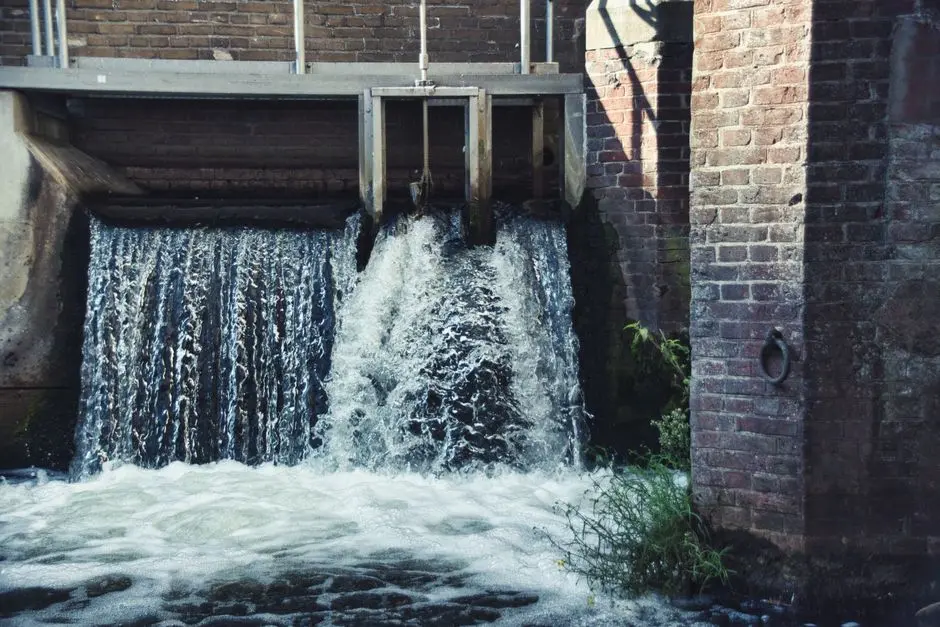
Rotary drum, climber, or channel screens with shaftless conveyors are the first engineered step in any Sulphur Springs F&B train, and they protect every piece of equipment downstream. Aperture selection is keyed to the largest recoverable solid; for plants with fibrous or raggy load, a rotary mechanical bar screen in the 2–6 mm aperture range is the typical choice. Screens accomplish this without the addition of chemicals and with minimum energy input — the lowest-cost removal step in the train (per WesTech, Food Processing Industry Wastewater Treatment, 2025-11).
Screen effluent goes to an equalization sump sized to dampen diurnal swings. Stream flow equalization is almost always advantageous because it shrinks downstream equipment, stabilizes biology, and supports compliance on slug-controlled parameters (per WesTech, 2025-11). For Hopkins County plants, this EQ basin often doubles as the working storage called out in a slug control plan — the same volume that lets biology ride out a CIP swing also satisfies the POTW that the plant has hydraulic control of its discharge. The GX series rotary mechanical bar screen covers the fine-screening class for continuous-duty operation on fibrous F&B streams.
Screening reduces TSS, FOG, and BOD simultaneously with no chemical addition and minimal energy. Combined with a properly sized EQ basin, headworks protection cuts the hydraulic and load variability that otherwise forces oversized biology downstream. Engineers who skip EQ in the name of footprint almost always pay for it in larger MBBR volume and slower recovery from upsets.
Step 3: DAF for Fats, Oils, Grease, and Floatable Solids
DAF is the standard unit process for free and emulsified fats, oils, and grease. A gravity clarifier alone cannot reliably meet the 100 mg/L FOG limit most POTWs enforce, especially when the stream includes emulsified fats from cooked product, rendered material, or cooked-confectionery wash water. DAF influent for F&B typically runs 500–3,000 mg/L TSS and 100–1,500 mg/L FOG (per ALAR, 2025-10); effluent routinely meets the 100 mg/L FOG target and approaches the 250 mg/L TSS ceiling without a downstream polish step.
Skimmed float from a DAF is already 3–6% dry solids and does not need thickening — the float can be diverted directly to rendering, anaerobic digestion, or the sludge holding tank ahead of the filter press (per WesTech, 2025-11). A dissolved air flotation system in the 4–300 m³/h band, with 13 standard models and white-water recycle, covers the typical F&B flow range; high-rate configurations are specified when footprint constraints dominate. When FOG is emulsified — cooked product, rendering condensate, sauce cookers — a coagulant and polymer dose upstream of the DAF is required, and the choice of flocculant should be confirmed by jar testing against the actual emulsified sample rather than a generic anionic blend.
Plant engineers should also confirm whether the local POTW imposes a categorical F&B FOG limit or a local surcharge schedule. Surcharges on FOG and BOD typically begin at concentrations well below the maximum allowable; designing to the surcharge trigger rather than the headline limit protects the OPEX line for the next decade.
Step 4: pH Neutralization and Equalized Chemical Conditioning
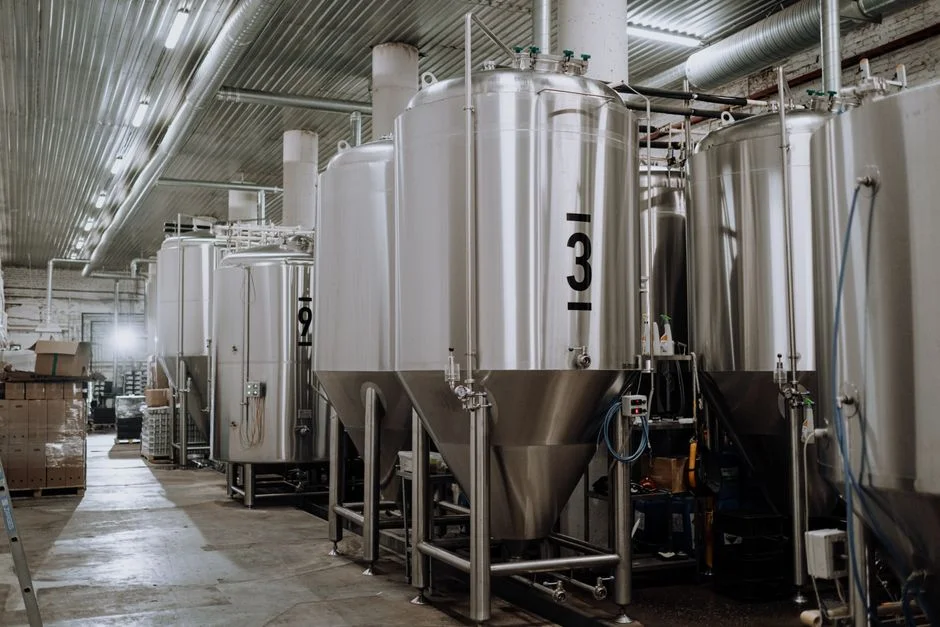
PLC-controlled dosing of caustic or acid holds pH in the 6.5–8.5 band before biology, and a pH interlock should automatically divert CIP slugs back to EQ whenever the reading drifts outside that window. The pH prohibition in 40 CFR 403 general prohibitions is the most-cited local limit because it is the easiest one for a CIP cycle to violate; an interlock turns a recurring violation into a self-correcting event. Coagulant and flocculant injection ahead of DAF or post-DAF clarification is selected by jar testing — floc choice differs for FOG skimmings versus biological floc, and overdosing costs OPEX without improving effluent.
An automatic chemical dosing skid pre-wired and factory-tested is the fastest path to a permit-ready chemistry step in a Sulphur Springs retrofit where the production team cannot absorb a long installation outage. Nutrient supplementation — nitrogen as urea, phosphorus as phosphoric acid — is frequently required because industrial effluents often lack the balanced N and P needed for biomass growth, and the residual ammonia leaving the aeration stage is a permit parameter in its own right (per WesTech, 2025-11). The same dosing skid can carry pH correction, coagulant, flocculant, and nutrient feed on a single PLC platform with one panel view for the operator.
Step 5: Biological Treatment for BOD and Ammonia Reduction
Aerobic MBBR or IFAS handles 1,000–5,000 mg/L BOD and 20–80 mg/L NH₃-N; effluent typically meets the 250–500 mg/L categorical BOD limit applied to food and beverage plants in this region (per ALAR, 2025-10). Adding anoxic zones discourages filamentous growth, supports nitrification, and produces better settling characteristics in the downstream clarifier (per WesTech, 2025-11). The hydraulic retention time on the MBBR is the design variable most often under-scoped; a 24-hour HRT handles 1,500 mg/L BOD comfortably, but plants with intermittent high-COD dumps should target 30–36 hours to ride out the swing.
Anaerobic pretreatment is indicated when BOD exceeds 2,000 mg/L and the wastewater temperature stays above 25 °C; under those conditions, anaerobic converts biomass to energy-rich biogas that can offset plant energy cost through cogeneration or boiler fuel blending (per WesTech, 2025-11). The trade-off is long start-up time, sensitivity to pH and temperature, and the need to add alkalinity; anaerobic is rarely a stand-alone discharge step in this region, but paired with MBBR polish it can cut aeration energy by 50–70% on high-strength streams. For plants needing reuse water or facing tighter local limits, an MBR polish delivers <30 mg/L TSS and <20 mg/L BOD (per ALAR, 2025-10); see the integrated MBR membrane bioreactor system for the packaged configuration and the MBR effluent quality specifications for 2026 for design targets.
Pretreatment Train Parameter Table: What Each Stage Must Hit
The table below is the working reference a Sulphur Springs engineer can hand to procurement or to the local POTW during permit negotiation. All numbers are typical operating ranges for municipal-grade F&B pretreatment equipment, not guarantees; pilot testing is the only way to confirm site-specific performance (per ALAR, 2025-10).
| Stage | Parameter Controlled | Typical F&B Influent | Effluent Target | Permit Limit / Citation |
|---|---|---|---|---|
| Rotary bar screen | TSS, rags, fibrous debris | Stream-dependent | Solids > aperture removed | Protects downstream equipment; no direct limit (per WesTech, 2025-11) |
| Equalization basin | Flow and load variation | Diurnal peaks 2–4× average | <20% peak-to-average variation | Supports compliance on slug-controlled parameters (per ALAR, 2025-10) |
| DAF | TSS, FOG | 500–3,000 mg/L TSS; 100–1,500 mg/L FOG | 100 mg/L FOG; 250 mg/L TSS | Typical POTW FOG 100 mg/L; TSS 250 mg/L (per ALAR, 2025-10) |
| Chemical dosing / pH adjustment | pH, TSS polish | pH swings 4–11 from CIP | pH 6.5–8.5 | 40 CFR 403 general prohibitions |
| MBBR / IFAS biology | BOD, NH₃-N | 1,000–5,000 mg/L BOD; 20–80 mg/L NH₃-N | ≤250–500 mg/L BOD | Categorical F&B BOD limit often 250–500 mg/L (per ALAR, 2025-10) |
| Lamella clarifier or MBR polish | TSS, residual BOD | MBR influent ~250 mg/L BOD | <30 mg/L TSS; <20 mg/L BOD (MBR) | Stricter local TSS limits; reuse water specs (per ALAR, 2025-10) |
Pair the DAF row with a high-rate sedimentation step when TSS variability is high; an integrated high-efficiency sedimentation tank with lamella plates cuts the clarifier footprint by roughly half versus a conventional cone-bottom unit.
Sludge Dewatering, Reporting, and Slug Control Under 40 CFR 403.12
Every kilogram of BOD and FOG removed upstream becomes a kilogram of sludge that requires disposal. DAF float sludge is typically 3–6% dry solids, and biological waste-activated sludge runs 0.5–2% — neither is haul-ready at those consistencies (per ALAR, 2025-10). A plate and frame filter press sized 1–500 m² produces 25–35% DS cake and cuts wet-ton hauling volume by 75–80%, which is the primary OPEX lever on the sludge side of the mass balance. For selection details and cycle-time math, the chamber filter press engineering selection guide walks through the plate-area calculation against feed solids and target cake.
Reporting rhythm is set by 40 CFR 403.12. Significant Industrial Users must maintain baseline monitoring reports, 90-day compliance reports, and routine self-monitoring at POTW-approved sampling stations (per ALAR, 2025-10). Sampling is typically 24-hour composite for BOD, TSS, and FOG, and grab for pH and ammonia; flow is metered continuously. Any plant storing or using bulk CIP chemicals must also maintain a slug control plan identifying the chemicals on site, the storage volumes, the discharge paths, and the engineered controls (secondary containment, automatic diversion to EQ, pH interlock) that prevent a slug from reaching the sewer. Disinfection with a chlorine dioxide generator is added at the tail when the local POTW imposes a fecal coliform limit, especially for raw-product or rendering facilities.
Frequently Asked Questions
What permit does a Sulphur Springs food plant need to discharge to the sewer in 2026?
An Industrial User permit issued by the local POTW under the EPA National Pretreatment Program (40 CFR 403). The permit sets site-specific discharge limits for BOD, TSS, FOG, pH, and ammonia, and it names the sampling, reporting, and slug control obligations the plant must meet on an ongoing basis.
What FOG limit applies to food plants in the Sulphur Springs area?
Most POTWs enforce a 100 mg/L FOG ceiling, with surcharges beginning well below that headline number. A DAF is the standard unit process to meet the FOG limit; a gravity clarifier alone is not reliable for emulsified FOG from cooked product or rendered material.
When is anaerobic pretreatment the right choice?
When influent BOD exceeds 2,000 mg/L and wastewater temperature stays above 25 °C. Under those conditions, anaerobic pretreatment produces biogas that can offset plant energy cost, but it requires alkalinity supplementation and a downstream aerobic polish (per WesTech, 2025-11).
How often must a Significant Industrial User sample and report?
24-hour composite sampling for BOD, TSS, and FOG; grab samples for pH and ammonia; continuous flow metering; plus 90-day compliance reports and baseline monitoring reports under 40 CFR 403.12 (per ALAR, 2025-10).
What is the single biggest OPEX lever after the train is built?
Mechanical dewatering with a filter press. Hauling cost scales with wet tons rather than dry tons, so cake dryness at 25–35% DS versus feed at 3–6% DS is the control variable that drives annual sludge OPEX.