
Why Framingham Pharma Plants Cannot Pick a Clarifier by Default
A dissolved air flotation (DAF) system is the stronger primary clarifier for most Framingham pharmaceutical plants in 2026 because pharmaceutical wastewater carries emulsified oils, CIP surfactants, and low-density biomass that gravity clarifiers settle poorly. DAF systems remove 85–98% of suspended solids depending on configuration by lifting what will not fall. A lamella clarifier only wins when the plant's influent is already low-FOG and footprint or chemical cost is the binding constraint.
A Framingham API or biologics plant runs three wastewater streams that meet at the equalization tank. Fermentation broth carries high BOD (often 5,000–15,000 mg/L), residual sugars, and lysed cell biomass with negative or near-neutral settling velocity. CIP rinses from clean-in-place cycles deliver emulsified surfactants, NaOH, and phosphoric-acid wash residues that hold oils in suspension rather than letting them float or sink. Process wash water adds API carryover, solvent traces, and intermediate-product fines. A gravity clarifier sees the settleable fraction of the first stream and almost nothing of the second.
All three streams discharge to the Upper Blackstone Water Pollution Control District (UBWPAD) interceptor under Framingham's local sewer limits, which sit on top of the EPA's categorical pretreatment standards for pharmaceutical manufacturing at 40 CFR § 439 and the general pretreatment framework at 40 CFR Part 403. The categorical standards cap BOD, TSS, pH, and in several subcategories COD/TOC. UBWPAD's local limits layer on FOG caps and surcharge triggers for any plant exceeding them. A clarifier that only handles settleable solids leaves emulsified FOG and API carryover to the sewer, triggering surcharges and compliance risk on the monthly UBWPAD bill. The 2026 decision for any Framingham pharma plant is therefore: which unit operation removes the streams a clarifier cannot, and where does the gravity option still pay back?
How a DAF Actually Treats Pharma Wastewater
A DAF unit floats solids rather than settling them. Air is dissolved into a pressurized recycle stream (typically 60–80 psig in a saturator) and released into the flotation cell through needle valves or a Micro Bubble Generator, where it comes out of solution as 30–50 µm bubbles (per SigmaDAF) or 20–40 µm bubbles (per DAF Corp). Those microbubbles attach to chemically conditioned floc and lift it to the surface, where a paddle skimmer removes the floated layer. Heavier solids settle to the bottom cone and discharge separately.
This mechanism makes DAF the right tool for pharma wastewater. API fines, lysed cells, and emulsified CIP surfactants are low-density or surface-active, which are the particles that escape a gravity clarifier. A microbubble attaches to oil-coated floc and lifts what a settling plate cannot catch. The HydropureWater DAF system is built around this principle: a saturator, recycle pump, flocculation tube, and shallow flotation cell sized for 4–300 m³/h on a single skid.
Chemical conditioning upstream makes the microbubbles effective. Coagulant (typically ferric chloride, alum, or PAC at 50–200 mg/L) destabilizes the colloidal fraction, and a flocculant (cationic polyacrylamide at 1–5 mg/L) bridges the destabilized particles into pin floc large enough for bubbles to attach. Without that conditioning train, a DAF is just an empty tank with a saturator. With it, the produced sludge leaves the unit at 2–4% thickened consistency (per DAF Corp's published operating data), so the downstream dewatering press sees a drier cake than clarifier underflow and hauling cost drops accordingly. The 2–4% figure is the difference between paying to haul water and paying to haul solids.
Where a Lamella or Circular Clarifier Still Makes Sense
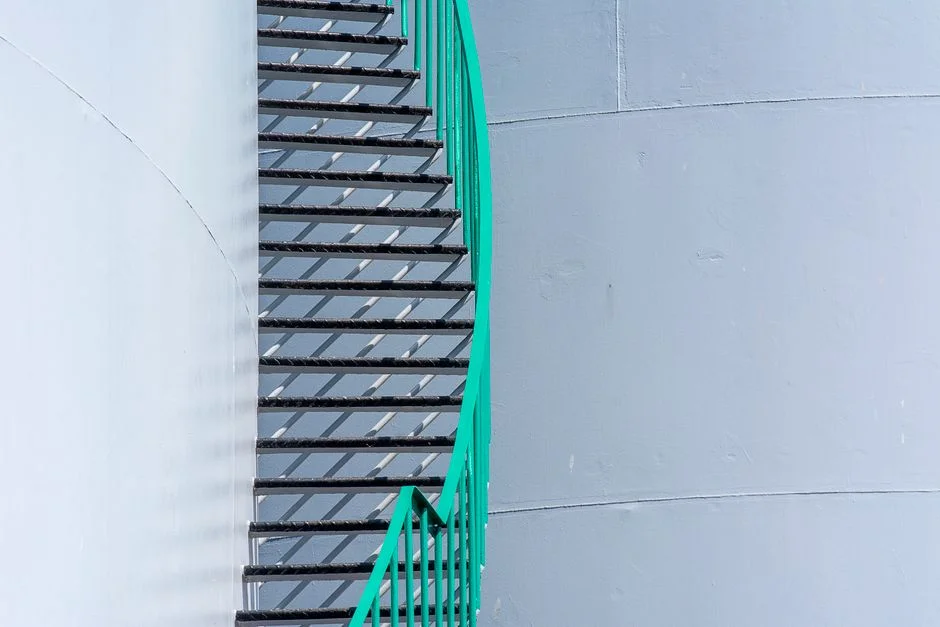
A lamella clarifier is a gravity thickener with inclined plates stacked inside the tank. Feed enters a flocculation zone, floc grows, and clarified water rises through the inclined plate pack while sludge slides down the plates into a hopper. Surface loading rates reach 20–40 m/h (per SigmaDAF's published lamella-equipped DAF variants), which compresses a conventional clarifier's footprint by roughly a factor of five.
Lamella designs also report coagulant consumption up to 30% lower than conventional clarification because the inclined plates shorten the settling path, giving the floc less time to break up. That is a real OPEX advantage for any plant running polymer at scale. The HydropureWater lamella clarifier is built on exactly this principle: floc blanket, sludge recirculation, inclined plate pack, and a thickened underflow that downstream presses can handle.
The pharma stream where a clarifier wins is the one a clarifier can actually treat. Settled cooling-tower blowdown, low-FOG utility wastewater, boiler blowdown, and any pre-treated stream where oil and surfactant have already been removed upstream all fall into this category. The mechanism is honest: lamella still relies on gravity, so free oil, emulsified FOG, and buoyant biomass will pass through to the sewer. Put a lamella on raw fermentation broth with CIP surfactant and it will discharge a cloudy effluent that fails UBWPAD's FOG cap. Put a lamella on utility-side water with no FOG and it will run for years on minimal polymer and minimal operator attention.
DAF vs Clarifier: Side-by-Side for Pharma in 2026
The table below provides a decision matrix for procurement. Every row reflects 2026 operating data — the DAF numbers are pulled from manufacturer-published ranges (DAF Corp FC Maximizer and RC UniMax, SigmaDAF), the lamella numbers reflect typical inclined-plate design rates, and the pharma-fit column is a working engineer's call.
| Parameter | DAF (round FC or rectangular RC) | Lamella / Inclined-Plate Clarifier |
|---|---|---|
| TSS removal | 92–98% (round FC Maximizer, per DAF Corp); 85–90% (rectangular RC UniMax, per DAF Corp) | 50–70% on the same pharma feed (HydropureWater field data, 2026) |
| FOG / emulsified oil removal | 80–95% on emulsified FOG; the right tool for CIP surfactant | Poor on emulsified FOG; relies on gravity, so buoyant material passes through |
| Footprint per m³/h | Single skid, 4–300 m³/h (per HydropureWater catalog) | Multi-basin train needed at >100 m³/h; civil works dominate |
| CAPEX driver | Higher upfront: skid, saturator, recycle pump, chemical feed | Lower upfront on equipment; concrete basin and plate packs |
| OPEX driver | Polymer and compressed air; offset by drier sludge (2–4% solids) | Lower polymer use (up to 30% less, per lamella spec); wetter underflow raises hauling |
| Sludge consistency | 2–4% solids from float (per DAF Corp) | 0.5–1.5% typical underflow |
| Best-fit pharma stream | Fermentation broth + CIP rinse; emulsified FOG; API fines | Utility wastewater, cooling-tower blowdown, low-FOG clarified supernatant |
| Worst-fit stream | High-FOG with no chemical conditioning upstream; high-temperature streams above 60 °C | Raw fermentation broth; CIP rinse with active surfactant; buoyant mycelial biomass |
If the stream carries FOG, surfactant, or API fines, pick DAF; if the stream is already low-FOG and the binding constraint is civil footprint, pick lamella. Most Framingham pharma plants have at least one of each, which is why the hybrid case in the next section is the realistic answer.
Two Framingham Plant Scenarios in 2026
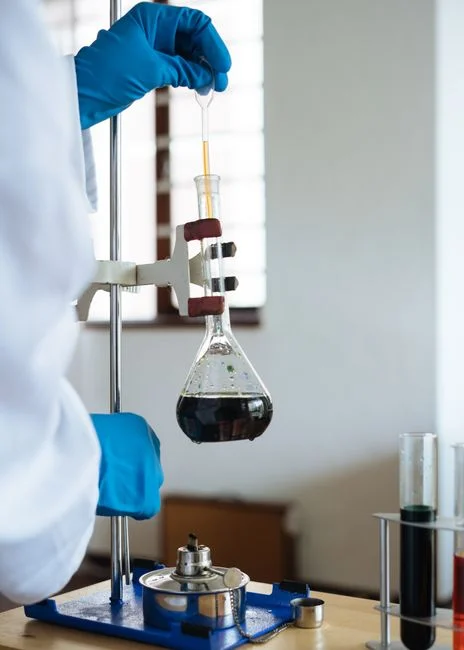
Scenario A involves a small API plant (~50 m³/h combined flow) where feed is fermentation broth and CIP rinse hitting a common equalization tank. The fermentation side carries 6,000–10,000 mg/L BOD and lysed cell biomass; the CIP side carries 0.5–2% emulsified surfactant and trace solvents. A single HydropureWater DAF skid covers 4–300 m³/h, handles both streams with one chemical conditioning train (coagulant + flocculant on the automatic chemical dosing system), and discharges an effluent that meets the 40 CFR § 439 TSS envelope and the UBWPAD FOG cap. A lamella on the same feed will pass the emulsified CIP load and the buoyant biomass straight through. The 50 m³/h scenario is a DAF win on removal, and a DAF loss on CAPEX relative to a concrete basin—the trade pays back through compliance margin and lower hauling cost.
Scenario B involves a mid-size biologics plant (~200 m³/h) where feed is mostly clarified fermentation supernatant with a low-FOG utility side stream (cooling-tower blowdown, RO reject, boiler blowdown). The fermentation supernatant has already been centrifugally clarified upstream, so TSS entering the primary is in the 200–500 mg/L range and FOG is below 50 mg/L. A lamella clarifier handles 200 m³/h in roughly a fifth of the DAF footprint, runs on a fraction of the polymer, and discharges an effluent that downstream biological treatment can finish. The 200 m³/h scenario is a lamella win on footprint and OPEX—provided FOG stays under control upstream.
The hybrid case is what most 2026 Framingham plants actually build. DAF on the process and CIP stream; lamella on the utility stream; both feeding a common biological step downstream (often a membrane bioreactor, where the HydropureWater MBR system is sized to take the combined clarified effluent). The decision is not "DAF or clarifier" in the abstract—it is "DAF on this stream, clarifier on that stream, MBR downstream."
CAPEX, OPEX, and Compliance in 2026
CAPEX splits cleanly. A DAF skid plus saturator, recycle pump, and chemical feed runs higher than a civil lamella basin of the same hydraulic capacity; lamella trades steel and pumps for concrete and plate packs. The DAF advantage is that the equipment is factory-built and skidded, so field labor and commissioning time drop. The lamella advantage is that concrete is cheap per cubic meter and the unit has no rotating machinery beyond the sludge scraper.
OPEX inverts the picture. DAF OPEX is dominated by polymer (cationic polyacrylamide at 1–5 mg/L on pharma feed) and compressed air for the saturator. Lamella OPEX is dominated by lower polymer use (up to 30% less, per the lamella product spec) and sludge hauling—but hauling volume is higher because underflow is wetter than DAF float. The 2–4% sludge consistency from a DAF translates directly into fewer truckloads per ton of dry solids hauled. The 2026 TCO breakdown for wastewater plants walks this through with worked numbers for both technologies.
Compliance is where the choice is actually made. 40 CFR Part 403 sets the general pretreatment framework, and 40 CFR § 439 sets the categorical pharma pretreatment standards for BOD, TSS, pH, and in several subcategories COD/TOC. UBWPAD's local limits layer on FOG caps, and the surcharges for exceeding them are the line item that gets a capital project's attention. A DAF buys compliance margin on FOG and emulsified oil that a lamella cannot match. A lamella buys operating margin on polymer and footprint that a DAF cannot match. Pick the one your plant is short on—that is the procurement argument that closes the 2026 budget review.
Frequently Asked Questions
Can a DAF handle CIP surfactant emulsions from a pharma clean-in-place cycle?
<Frequently Asked Questions
Should a pharmaceutical plant use DAF or a clarifier for wastewater treatment?
The selection depends on the specific gravity and physical characteristics of the suspended solids in the effluent. Dissolved Air Flotation (DAF) is the required technology for pharmaceutical wastewater containing light solids, oils, greases, emulsions, or fibers, as it utilizes microbubbles to float particles with specific gravities close to or less than 1.0. Gravity clarifiers are effective only for streams dominated by heavy, settleable inorganic solids with specific gravities significantly greater than 1.0, such as sand or metal hydroxides, and are unsuitable for the low-density organic sludge and emulsified oils common in API synthesis wastewater.
What TSS removal does a DAF achieve for pharma wastewater?
A properly designed DAF system typically achieves Total Suspended Solids (TSS) removal efficiencies between 85% and 95% for pharmaceutical wastewater when optimized with appropriate coagulant and flocculant dosing. For effluents with high organic loads, DAF systems can simultaneously reduce Chemical Oxygen Demand (COD) by 50% to 80%, depending on the solubility of contaminants and hydraulic retention time, which generally ranges from 20 to 60 minutes in industrial pharmaceutical applications.
When is a lamella clarifier better than a DAF for an API plant?
A lamella clarifier is superior when the wastewater contains dense, rapidly settleable solids and the facility requires a minimized footprint, as the inclined plate configuration increases surface area and allows for hydraulic loading rates of 10 to 15 m³/m²/h compared to conventional clarifiers. Lamella systems are also preferred for API plants generating high volumes of inorganic precipitates, such as metal hydroxides from pH neutralization, where gravity settling is more energy-efficient than flotation, eliminating the need for air dissolution pumps, pressurization systems, and the polymer chemicals required for bubble attachment in DAF processes.
What EPA categorical standards apply to pharmaceutical wastewater discharge?
Pharmaceutical wastewater discharges are regulated under the EPA Pharmaceutical Manufacturing Point Source Category standards in 40 CFR Part 439, which establish Best Available Technology (BAT) effluent limitations for New Source Performance Standards (NSPS) and Best Conventional/Non-con