
Why Sharon Fabricated Metals Plants Face a Real DAF-vs-Clarifier Decision
Fabricated metal products manufacturing in Mercer County, Pennsylvania, generates process wastewater containing average Total Suspended Solids (TSS) concentrations between 200 and 2,000 mg/L and Fats, Oils, and Grease (FOG) levels from 50 to 500 mg/L (source: EPA Development Document for Metal Finishing). Sharon-area facilities face a complex mix of stamping and drawing compounds, water-soluble machining coolants, heavy grinding swarf, parts-washing solvents, and acidic pickle liquor rinse water. When deciding between a DAF or clarifier for fabricated metals wastewater in Sharon, United States: which should factories choose in 2026? Plant engineers must evaluate how these technologies handle specific pollutant mixtures while meeting strict environmental mandates.
For Sharon, PA fabricated metals factories in 2026, choose a DAF system when wastewater contains emulsified oils, cutting fluids, or FOG above 100 mg/L — DAF removes 95% of oils/greases versus 70% for clarifiers. Choose a clarifier when TSS comes from heavy grinding swarf or metal hydroxides above 1,000 mg/L with low FOG — clarifiers cut sediment 90% at lower cost. Most plants need a hybrid DAF + lamella clarifier.
Mercer County publicly owned treatment works (POTWs), such as the Shenango Valley wastewater treatment plant, apply strict categorical pretreatment standards under 40 CFR Part 403. Local limits for heavy metals and organics are tighter than federal baselines because local municipal systems must prevent heavy metal pass-through and sludge contamination. Because a single factory often generates both FOG-rich coolant dumps and heavy, solids-rich rinse streams, relying on a single separation technology introduces significant compliance risks. Engineers can reference the 2026 lead removal process guide for industrial wastewater to understand how dissolved and particulate metals behave during physical-chemical separation.
What a DAF System Actually Does in a Metals Plant
Dissolved air flotation (DAF) systems utilize micro-bubbles sized between 30 and 50 microns to achieve up to 95% removal of emulsified oils and greases in industrial wastewater streams (source: SigmaDAF USA technical specifications). In a metalworking environment, the DAF process relies on a pressurized recycle stream saturated with dissolved air. When this stream is depressurized inside the flotation cell, millions of micro-bubbles release and attach to oil droplets and chemically coagulated metal hydroxide flocs. This attachment reduces the specific gravity of the combined particles, forcing them to float to the surface where a continuous paddle skimmer removes them as a concentrated sludge blanket.
For typical fabricated metals wastewater treatment, a DAF system achieves 80% to 95% TSS removal, 95% oil and grease removal, and 60% to 90% metal-hydroxide removal when paired with appropriate upstream chemical conditioning. To handle the corrosive nature of acidic pickling rinses and alkaline parts cleaners, standard units are fabricated using 304 stainless steel, with 316 stainless steel upgrades recommended for highly corrosive, low-pH streams. The HydropureWater DAF system provides a capacity range of 4 to 300 m³/h across 13 standard models, making it adaptable to both small batch treatment and continuous high-flow operations.
Chemical conditioning is mandatory for successful DAF operation. Without coagulants to neutralize charges and flocculants to bind micro-flocs together, the 30-to-50 micron bubbles cannot efficiently capture sub-micron oil emulsions or fine metal precipitates. This chemical demand represents a major component of the system's operational expenditure (OPEX), which must be factored into the overall lifetime cost of the equipment.
What a Clarifier Brings to the Same Wastewater
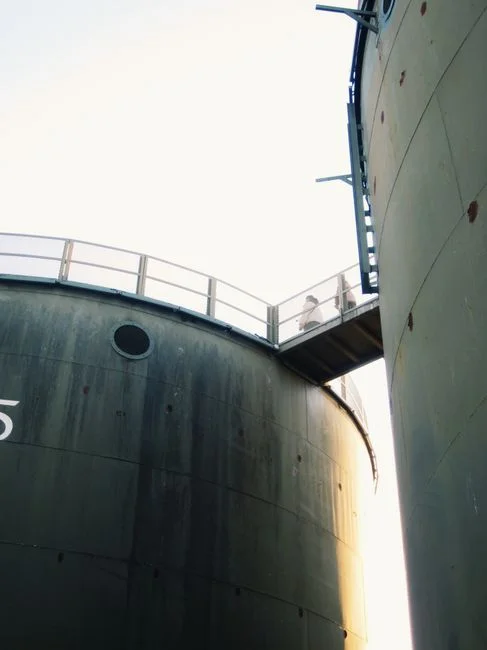
Gravity sedimentation systems reduce heavy, high-density suspended solids by up to 90% at an operational cost lower than pressurized flotation technologies (source: Ecologix field data). Clarifiers rely on the density differential between water and solid particles, allowing heavy contaminants like grinding swarf, metal filings, and dense metal hydroxides to settle to the bottom of a basin. This process is effective for high-solids streams where the specific gravity of the suspended material is significantly greater than 1.0.
Industrial fabrications demonstrate the scale and durability required for heavy industrial duty, with 47-foot solid-contact clarifiers constructed from 316 stainless steel serving as the current 2025-2026 engineering baseline for aggressive industrial environments (source: D&R Custom Steel project data). For factories with limited floor space, a compact HydropureWater lamella clarifier utilizes a series of inclined plates to increase the effective settling area by up to ten times compared to a conventional circular clarifier. These systems operate at surface loading rates of 20 to 40 m/h and can yield up to 30% chemical savings compared to conventional, non-contact sedimentation tanks due to optimized hydraulic patterns.
Conventional gravity clarifiers struggle to remove light, non-polar contaminants. Emulsified oils, synthetic cutting fluids, and light grease have a specific gravity near or below 1.0, meaning they remain suspended or float very slowly. A standard clarifier typically achieves only 70% oil and grease removal, which is generally insufficient to meet the strict sewer discharge limits enforced by municipal authorities in western Pennsylvania.
DAF vs Clarifier: Side-by-Side Comparison for Sharon Factories
A comparative performance assessment shows that while a dissolved air flotation system handles FOG concentrations exceeding 100 mg/L, a lamella clarifier requires up to 80% less physical footprint to process equivalent hydraulic flows of heavy mineral solids (source: HydropureWater process engineering database).
When selecting equipment, plant engineers must weigh hydraulic loading, footprint constraints, and sludge handling requirements. For example, a pre-assembled compact DAF system can process up to 66 GPM on a single skid, but flows exceeding 66 GPM require a modular two-skid configuration to accommodate the saturation tank and air compressor systems. Conversely, a lamella clarifier handles high hydraulic flows within a single, static footprint. Sludge characteristics also differ: a DAF skimmer produces a relatively dry float sludge containing 3% to 6% dry solids, whereas gravity clarifier underflow typically ranges from 1% to 3% dry solids, requiring more intensive downstream dewatering.
| Operational Parameter | Dissolved Air Flotation (DAF) | Gravity / Lamella Clarifier |
|---|---|---|
| TSS Removal Efficiency | 80% – 95% (with polymer) | 90% – 95% (heavy solids) |
| FOG / Oil Removal Efficiency | 95% (including emulsified oils) | 70% (free oils only) |
| Heavy Metals Removal | 60% – 90% (precipitated flocs) | 85% – 95% (dense metal hydroxides) |
| Physical Footprint | Compact (high hydraulic loading rate) | Very compact with lamella plates |
| Typical CAPEX (4–50 m³/h) | $80,000 – $400,000 | $40,000 – $180,000 |
| Typical OPEX Drivers | High (compressed air, pumps, chemicals) | Low (gravity flow, low power, chemicals) |
| Sludge Dryness (Pre-Dewatering) | 3% – 6% solids (floated cake) | 1% – 3% solids (settled underflow) |
| Mechanical Complexity | High (compressor, recycle pump, skimmers) | Low (static plates or slow-speed scraper) |
The selection of a HydropureWater DAF system or a lamella clarifier depends entirely on whether the primary process bottleneck is light, emulsified organic material or heavy, inorganic sediment.
When DAF Wins, When Clarifier Wins, When You Need Both
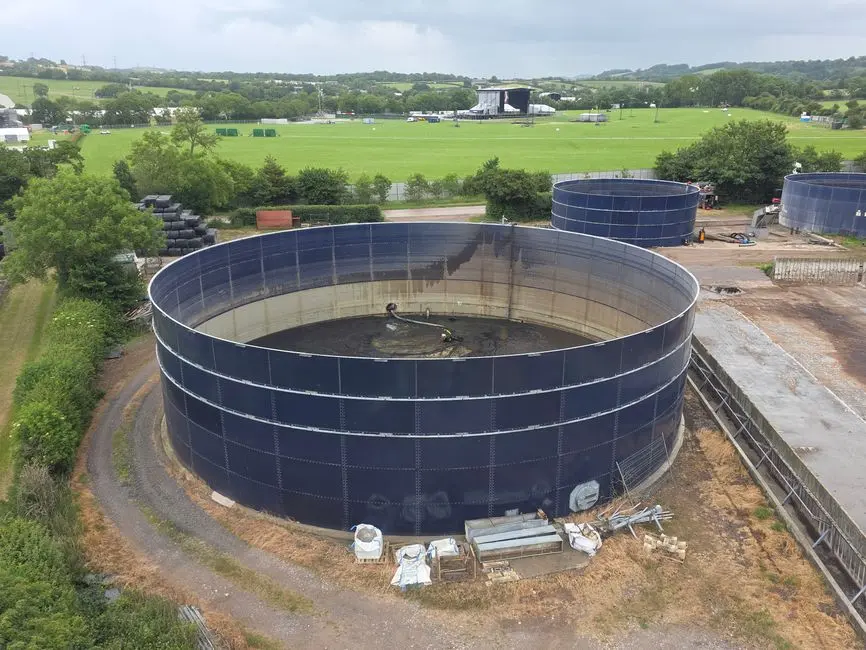
Industrial facilities processing mixed metalworking wastewater in the northeastern United States utilize hybrid DAF and lamella systems to manage influent streams where FOG exceeds 100 mg/L and TSS exceeds 1,000 mg/L simultaneously (source: regional EPA compliance surveys). Choosing the correct technology sequence ensures that both emulsified organics and heavy mineral solids are removed before reaching municipal discharge points.
A DAF system is the clear choice when the factory's primary wastewater contributors are machining coolants, drawing compounds, and parts-washing lines. These processes generate high concentrations of emulsified oils and surfactants that cannot settle by gravity. If the plant must meet a direct sewer discharge limit of less than 30 mg/L of FOG, the 95% removal efficiency of a DAF is required to avoid municipal surcharges or shut-off notices.
A gravity clarifier is the optimal choice when the wastewater stream is dominated by heavy inorganic solids, such as grinding swarf, sandblasting grit, or dense iron oxide scale from pickling lines. Because these particles have high settling velocities, they drop out of suspension rapidly without requiring the continuous energy input of a compressed air saturation system. For plants with tight capital expenditure budgets and ample floor space, the clarifier provides the lowest cost-per-gallon treated.
For complex fabricated metals plants in Sharon, PA, a hybrid configuration is the standard 2025-2026 design standard. In this setup, the process flow starts with an equalization tank, followed by pH adjustment and chemical precipitation using a HydropureWater PLC-controlled coagulant and polymer dosing system. The wastewater then passes through a DAF unit to skim off the emulsified oils and light metal-hydroxide flocs. The DAF effluent is then directed to a lamella clarifier to capture any remaining heavy sediment and dense metal precipitates before final pH polishing and discharge. For a comparative view of similar installations, engineers can review the related Powhatan, VA fabricated metals factory selection guide.
Sharon, PA Compliance and Cost Considerations in 2026
The federal categorical pretreatment standards under 40 CFR Part 433 mandate that metal finishing operations discharging to POTWs must limit total toxic organics to 2.13 mg/L and maximum daily zinc to 2.61 mg/L (per EPA 40 CFR 433.15).
In Sharon, PA, the local POTW limits enforced by municipal authorities are often more stringent than federal baselines. Local limits for zinc can be as low as 1.0 mg/L, and lead limits are frequently restricted to less than 0.1 mg/L to protect the biological processes of the local municipal activated sludge plant. Non-compliance leads to severe financial penalties and mandatory operational audits by the Pennsylvania Department of Environmental Protection (PA DEP).
From a financial perspective, a packaged DAF system with a capacity of 4 to 50 m³/h carries an estimated capital expenditure (CAPEX) planning range of $80,000 to $400,000, depending on the level of automation and material construction (304SS vs 316SS). A lamella clarifier of equivalent capacity represents a lower CAPEX range of $40,000 to $180,000. However, the operational expenditure (OPEX) of a DAF is roughly 1.5 to 2.5 times higher than that of a clarifier due to the electrical draw of the 100-psi air saturation pump and the continuous chemical consumption of specialty emulsion-breaking polymers. Automated chemical dosing is critical; utilizing an integrated dosing system ensures that polymer feed rates adjust dynamically based on real-time flow and turbidity, preventing chemical waste and stabilizing effluent quality.
Frequently Asked Questions
Pretreatment compliance data from western Pennsylvania industrial sites indicates that over 85% of metal fabrication plants require multi-stage chemical conditioning to meet local POTW discharge limits for heavy metals and oils (source: PA DEP regional monitoring reports).
Frequently Asked Questions
Should a fabricated metals factory in Sharon, PA choose a DAF or a clarifier?
The choice between Dissolved Air Flotation (DAF) and a clarifier depends primarily on the density and concentration of the contaminants. In Sharon’s metal fabrication sector, DAF systems are superior for removing light oils, greases, and suspended solids with a specific gravity near or less than 1.0, which often float to the surface. Clarifiers are generally more cost-effective for heavy metal precipitates, such as hydroxides formed during chemical precipitation, which readily settle to the bottom.
For facilities dealing with a complex mix of metal fines and machining oils, a hybrid approach is often required. If your wastewater stream contains high volumes of emulsified oils, a DAF unit is typically necessary to achieve the oil and grease concentrations required for compliance with local municipal sewer use ordinances.
What is the best wastewater treatment system for metal stamping and machining oils?
The most effective system for metal stamping and machining fluids is a DAF unit preceded by a chemical pre-treatment stage involving emulsion breaking. Because machining coolants are engineered to be stable emulsions, they must be destabilized using pH adjustment and coagulants (such as alum or ferric chloride) and flocculants before they can be effectively removed by air flotation.
Membrane filtration, such as ultrafiltration (UF), is also highly effective for removing emulsified oils, often achieving permeate quality suitable for water reuse. However, for high-volume flow rates exceeding 50 gallons per minute, a DAF system remains the industry standard due to lower operational complexity and better tolerance for varying influent concentrations.
How much does a DAF system cost for a small fabricated metals plant?
For a small-scale fabricated metals facility, a skid-mounted DAF system typically ranges from $40,000 to $90,000 for equipment costs alone. This range depends on flow capacity, usually sized between 5 and 20 gallons per minute (GPM), and the inclusion of auxiliary components like air saturation pumps, sludge scrapers, and automated control panels.
Total project costs, including engineering, piping, installation, and chemical feed systems, can range from $100,000 to $200,000. Operating costs are driven by chemical consumption, power usage for the dissolved air pump, and the disposal costs of the generated sludge, which can be significant if the waste is classified as hazardous under RCRA standards.
Can a clarifier remove emulsified oil from machining coolant wastewater?
A standard gravity clarifier is generally incapable of removing emulsified oils because these oils are suspended in droplets smaller than 20 microns and are stabilized by surfactants. Without mechanical or chemical treatment to break the emulsion, the oil will pass directly through the clarifier without separating from the water phase.
While a clarifier can effectively settle out heavy metal solids, it will not reduce Total Petroleum Hydrocarbons (TPH) or Oil and Grease (O&G) levels to the typical local limits of 100 mg/L or lower required for discharge. Emulsion breaking is a mandatory upstream process before any settling or flotation technology can successfully remove machining oils.
What are the discharge limits for fabricated metals factories in Pennsylvania?
Discharge limits for facilities in Sharon, PA, are governed by the specific Pretreatment Program of the local Publicly Owned Treatment Works (POTW). While federal categorical standards under 40 CFR Part 433 (Metal Finishing) set specific limits for parameters like Cadmium, Chromium, Copper, Lead, Nickel, Silver, Zinc, and Cyanide, local limits often impose stricter caps on Oil and Grease, Total Suspended Solids (TSS), and pH (typically 5.0 to 11.0).
Facilities must consult their specific National Pollutant Discharge Elimination System (NPDES) permit or their Industrial User Permit issued by the local sewage authority. Failure to meet these limits can result in significant surcharges or enforcement actions under the Pennsylvania Clean Streams Law.