
The Regulatory Stack Petroleum Plants Near Pompton Lakes Must Clear
Petroleum plants near Pompton Lakes, NJ meet sewer-discharge pretreatment limits by complying with three overlapping layers: EPA's categorical standard 40 CFR Part 419 for petroleum refining (NAICS 32411), the National Pretreatment Program under 40 CFR Part 403, and NJDEP-approved local sewer-use limits on FOG, TPH, pH, TSS, and BOD. Typical NJ local limits target FOG at 100–300 mg/L, TPH at 100 mg/L, and pH 6.0–9.0; plants achieve these with API/CPI oil-water separators followed by dissolved air flotation (DAF) and pH adjustment.
Federal categorical standards sit at the top of the stack. EPA promulgated the Petroleum Refining Effluent Guidelines and Standards at 40 CFR Part 419 in 1974 and amended them in 1975, 1977, 1982, and 1985; the rule covers wastewater discharges at over 140 refineries nationwide (per EPA's Petroleum Refining Effluent Guidelines page, 2024). The categorical standard applies regardless of whether a facility is a direct or indirect discharger, and NAICS 32411 is the classifier EPA uses for petroleum refining. Below it sits the National Pretreatment Program (40 CFR Part 403), a federal/state/local cooperative that controls what enters a POTW. New Jersey is a fully authorized pretreatment state, and EPA's Attachment 2-1: State and Territory Program Authorization Status (December 2024) confirms NJDEP, not EPA Region 2, runs day-to-day pretreatment enforcement for indirect industrial discharges. At the bottom sit NJDEP-approved local sewer-use ordinances, the layer that sets the binding constraint at the manhole. Federal limits govern refinery process streams — desalter water, cracking blowdown, sour water — while local limits govern what hits the receiving POTW: FOG, TPH, pH, TSS, and BOD. For a Passaic County facility whose receiving POTW runs a headworks allocation below the categorical minimum, the local FOG cap of 100–300 mg/L is almost always the harder line to clear.
Wastewater Streams a Petroleum Plant Must Characterize
EPA groups petroleum-refinery wastewater into defined wastestreams (per 40 CFR Part 419, summarized in EPA's 2024 Petroleum Refining Effluent Guidelines page), and every plant-wide FOG/TPH mass balance starts with mapping them. Process wastewater from desalting, atmospheric and vacuum distillation, catalytic cracking, coking, and visbreaking carries the bulk of the oily load. Bottom sediment and water (BS&W) drawn from crude storage tanks routinely runs 1,000–5,000 mg/L FOG and is a frequent cause of slug loads at the API separator. Sour water stripper overhead, caustic scrubber blowdown, and neutralization wash water drive the pH excursions — pH 2–12 spikes are not unusual at the equalization basin. Auxiliary streams add dissolved solids and modest BOD: once-through cooling tower blowdown, boiler blowdown, ion-exchange regeneration, and reverse-osmosis reject. Stormwater, both contaminated (process-area) and uncontaminated (rooftop/parking), is segregated under NPDES and must be kept out of the oily sewer until it passes the discharge criteria.
These characterization data points inform the design of downstream treatment units. Inlet concentrations to the pretreatment front-end typically fall in these ranges: FOG 200–2,000 mg/L, TPH 100–1,000 mg/L, TSS 100–500 mg/L, sulfide 5–50 mg/L, and pH swings of 2–12. The Hazen & Sawyer 50-utility survey (2016) is the limit-setting benchmark used in New Jersey as well: numeric FOG local limits ranged 50–300 mg/L, total O&G 100–600 mg/L, and TPH 100 mg/L, with 25 of 50 utilities applying narrative FOG criteria and 17 of 50 applying narrative TPH criteria. Three surveyed utilities prohibited FOG entirely. An engineer characterizing a Pompton Lakes-area terminal should pull at least two weeks of 24-hour composite samples across each refinery-side stream and build a flow-weighted composite before sizing equalization, API, or DAF units.
What NJ and Federal Limits Actually Require for Indirect Discharge
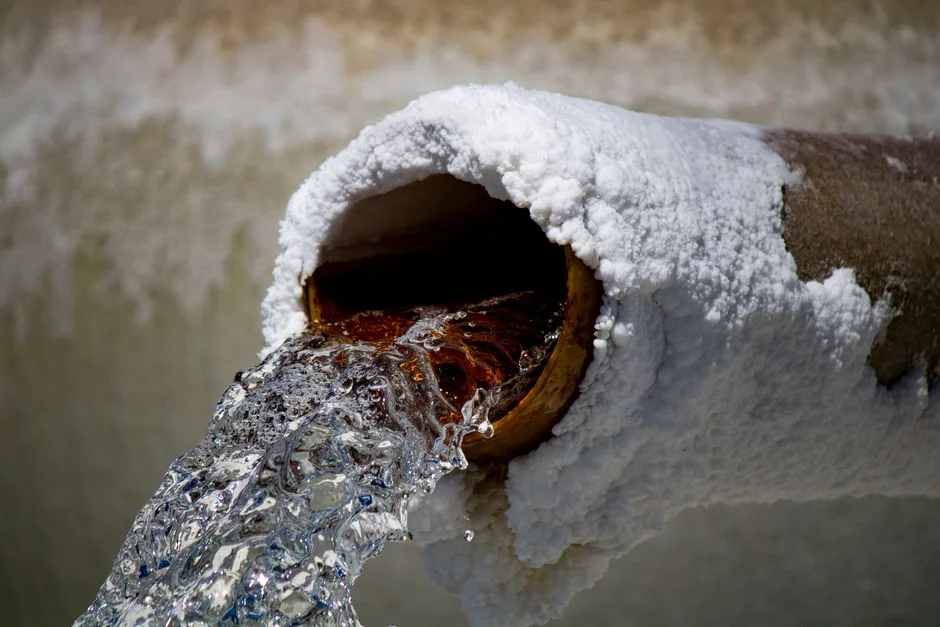
The table below is the working artifact a designer hands to procurement. It pairs the 40 CFR Part 419 refinery subcategory limits with the NJDEP-approved local limits that govern sewer discharge, and the effluent quality a properly sized API + DAF + pH-adjustment train can deliver.
| Pollutant | 40 CFR Part 419 limit (refinery subcategory, daily max) | Typical NJDEP-approved local sewer-use limit | Achievable effluent with API OWS + DAF + pH adjust |
|---|---|---|---|
| FOG / total O&G | Subcategory-dependent, typically 15–38 mg/L TSS/O&G BPT limits | 100–300 mg/L FOG; 100–600 mg/L total O&G; some utilities zero-discharge (Hazen 2016) | <50 mg/L |
| TPH | Covered under O&G for most subcategories | 100 mg/L numeric, or narrative "no visible sheen" (Hazen 2016) | <15 mg/L with chem-enhanced DAF |
| TSS | 30–60 mg/L BPT, subcategory-dependent | 200–400 mg/L typical, lower if reuse targeted | <30 mg/L with multimedia polish |
| BOD5 | 25–60 mg/L BPT, subcategory-dependent | 200–300 mg/L typical POTW cap | <100 mg/L (most BOD is associated with FOG/TSS) |
| pH | 6.0–9.0 (40 CFR 419.32 / typical permit) | 6.0–9.0 standard sewer-use range | 6.5–8.5 via PLC-controlled acid/caustic dosing |
| Sulfide | 1 mg/L (subcategory-dependent) | 1–10 mg/L; some NJ POTWs at 0.5 mg/L | <0.5 mg/L with oxidation/precipitation |
| Flow (categorical trigger) | Applies at 40 CFR 419 threshold flows | SIU threshold: >25,000 gpd or any categorical discharger | Equalization basin sized for 8–24 hr hydraulic retention |
The binding constraint is almost always the local FOG and TPH caps, not the 40 CFR Part 419 numeric effluent limits, because New Jersey refineries and asphalt/terminal facilities typically send waste to a small-to-mid POTW whose headworks allocation is tighter than the federal floor. Three of fifty utilities in the Hazen survey prohibited FOG entirely, demonstrating that "narrative" limits can be zero-discharge in practice. pH is the second binding constraint: most NJ sewer ordinances mirror EPA's 6.0–9.0 range, and refineries routinely violate it from caustic washes (pH 12+) or acid neutralization (pH 2–4), so equalization plus PLC-controlled dosing is mandatory. Plants with categorical-standard flow volumes above 25,000 gpd are also classified as Significant Industrial Users and must have a NJDEP-certified pretreatment coordinator on staff or under contract.
The Pretreatment Train: From Oily Influent to Sewer-Ready Effluent
A reliable train for indirect-discharge petroleum wastewater near Pompton Lakes runs five stages in series, and each stage is sized against a numeric removal target.
- Source separation and equalization. Stormwater, once-through cooling water, and oily process water are segregated at the first manhole. Process flow goes to an equalization basin sized for 8–24 hours of hydraulic retention, which dampens pH spikes from 2–12 down to a 4–10 band and floats off free oil before downstream units.
- Primary oil/water separation. An API or CPI (corrugated-plate interceptor) separator removes gross free oil by gravity. Properly sized at 1–2 ft/s horizontal velocity and 30–60 min retention, an API separator removes 60–80% of free FOG and most settleable TSS. This stage is the workhorse for BS&W and tank-draw-off streams.
- Dissolved Air Flotation (DAF). A chem-enhanced DAF unit handles emulsified oil, colloidal FOG, and TSS the API separator cannot. Micro-bubble flotation at 30–50% recycle and 4–6 bar saturation reliably achieves 90–95% removal on FOG and TPH when paired with coagulant (typically polyaluminum chloride at 50–150 mg/L) and a flocculant (0.5–3 mg/L anionic polyacrylamide). A Dissolved Air Flotation (DAF) system in the 4–300 m³/h range covers most Pompton Lakes-area terminal and small-refinery flows, and the unit-operation physics are detailed in this DAF oil water separator engineering walkthrough.
- pH adjustment. A PLC-controlled chemical dosing system meters sulfuric acid or caustic soda based on a continuous pH probe at the discharge manhole. Setpoint is 6.5–8.5 to stay inside the 6.0–9.0 local-limit band with margin. A two-stage cascade (coarse + trim) prevents overshoot on slug loads.
- Polishing. If the receiving POTW caps TSS or BOD below 30 mg/L, or the plant is targeting water reuse for cooling-tower makeup, follow the DAF with a multimedia filter (sand + anthracite + garnet) or an MBR. Most NJ POTWs accept the DAF effluent directly, so polishing is conditional rather than universal.
Proper configuration of these steps ensures consistent compliance with local sewer ordinances. Plants that already operate a chemical line can find related pretreatment context in this chemical plant pretreatment compliance near Trenton walkthrough; the regulatory stack and equalization discipline are nearly identical.
Sampling, Monitoring, and Reporting in the NJ Pretreatment Program
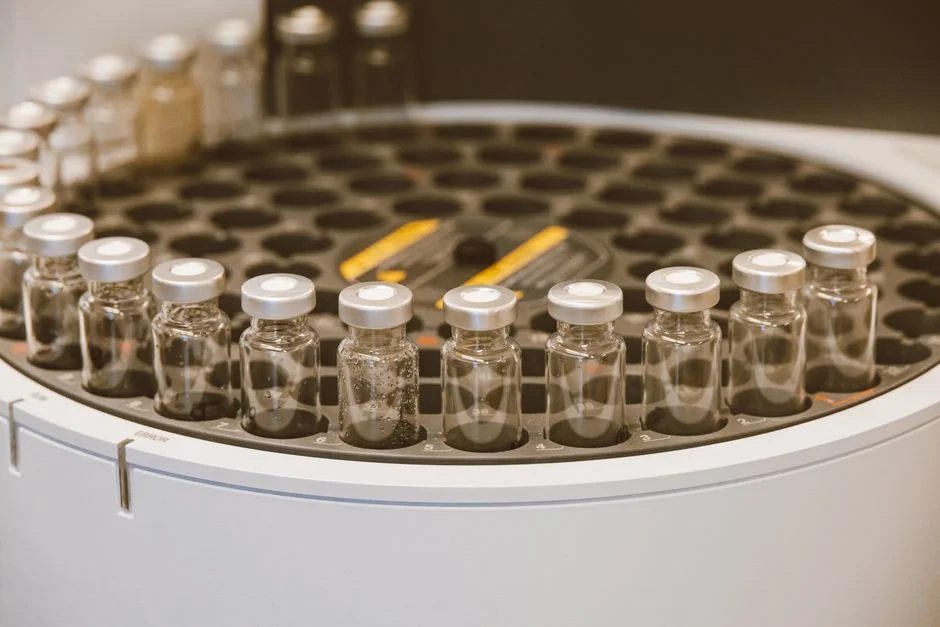
Startup compliance in New Jersey follows a fixed sequence. New SIUs file a Baseline Monitoring Report (BMR) within 180 days of the categorical-standard applicability date, then a 90-day compliance report demonstrating the treatment train can meet local limits under normal operations. After acceptance, routine self-monitoring typically requires 24-hour composite sampling for FOG, TPH, TSS, and BOD at least monthly, with pH continuously metered at the discharge manhole and recorded at intervals no greater than 15 minutes. NJDEP may require more frequent sampling if a Categorical Industrial User (CIU) operates under 40 CFR Part 419 — quarterly is common for FOG/TPH and weekly for pH on small CIUs.
Facilities discharging more than 25,000 gpd or operating under a federal categorical standard must designate a NJDEP-certified pretreatment coordinator responsible for sampling, chain-of-custody, recordkeeping, and reporting. The South Central Wastewater Authority Consent Special Order (Hazen & Sawyer 2016) is a useful cautionary reference: a single commercial laundry's unintentional FOG/TPH excursion triggered a state-issued consent order, capital-expenditure mandate, and a re-derivation of the POTW's local limits. The same enforcement pathway applies in New Jersey: a single out-of-limit composite on FOG, TPH, or pH is reportable and can trigger a Show Cause hearing. Records of all self-monitoring, calibration logs, and sludge manifests must be retained on-site for at least three years and made available to NJDEP inspectors on demand.
Frequently Asked Questions
What are the typical NJ local sewer-use limits for FOG and TPH at a petroleum plant?
NJDEP-
Frequently Asked Questions
What FOG and TPH limits apply to petroleum plants discharging to a POTW in New Jersey?
In New Jersey, discharge limits are typically governed by local sewer use ordinances (SUOs) established by the specific Publicly Owned Treatment Works (POTW). For FOG (Fats, Oils, and Grease), most local authorities enforce a standard limit of 100 mg/L to prevent sewer line blockages. TPH (Total Petroleum Hydrocarbons) limits are more stringent, often ranging from 15 mg/L to 50 mg/L depending on the capacity of the receiving facility to handle hydrocarbon loads.
Does 40 CFR Part 419 apply to small asphalt plants or terminals, or only refineries?
40 CFR Part 419, the Petroleum Refining Point Source Category, applies exclusively to facilities engaged in refining crude oil into products like gasoline or kerosene. It does not apply to standalone asphalt plants or bulk petroleum storage terminals. These smaller facilities are instead regulated under 40 CFR Part 429 or Part 443, or are managed through categorical pretreatment standards specifically negotiated in their individual industrial discharge permits.
How effective is DAF at removing TPH from refinery wastewater before sewer discharge?
Dissolved Air Flotation (DAF) is highly effective as a primary treatment process, typically achieving TPH removal efficiencies between 70% and 90%. When integrated with chemical coagulation and flocculation, DAF units can consistently reduce effluent concentrations to below 20 mg/L, making them a critical component for plants attempting to meet the tighter pretreatment requirements anticipated for 2026.
What pH range does NJDEP require for industrial discharges to a publicly owned treatment works?
The New Jersey Department of Environmental Protection (NJDEP) generally requires industrial discharges to maintain a pH range of 5.0 to 10.0 standard units. However, many local POTWs in the Pompton Lakes region impose more conservative limits, typically requiring pH to be maintained between 6.0 and 9.0 to prevent corrosion of collection system infrastructure and interference with biological treatment processes at the plant.
How does a petroleum plant separate stormwater from process wastewater to meet pretreatment rules?
Plants utilize a segregated drainage system to ensure compliance. Process wastewater—which contains higher concentrations of hydrocarbons—is routed through oil-water separators and pretreatment units before discharge. Stormwater from non-process areas is directed to separate retention basins or monitored through automated diversion valves that detect hydrocarbon presence; if contamination is detected via real-time sensors, the flow is automatically rerouted to the pretreatment system rather than being discharged as clean runoff.