Why Wire Drawing Wastewater Is a Special Case for Filter Presses
Wire drawing wastewater is not generic metal-finishing sludge, and treating it like one is the most common specification mistake. A typical wet-drawing line generates a combined stream of spent drawing compound (fatty-acid soaps, sodium stearate emulsions), entrained mineral or synthetic lube oil at 500–3,000 mg/L oil and grease, iron and steel fines at 200–2,000 mg/L TSS, zinc or iron phosphate coating rinse water, and occasional copper from brass-coated wire runs. The fines are sub-10 μm in roughly 60% of the mass distribution, which is finer than the cutting-oil swarf seen in most stamping operations.
That mix defeats a standard filter press in three ways. Free and emulsified oil blinds filter cloth within 2–5 cycles if it reaches the press unconditioned. Sub-10 μm metal fines migrate through standard woven polypropylene cloth and re-entrain in the filtrate. Soap-based drawing compounds carry an anionic surface charge that fights conventional coagulants, so the floc never forms the rigid matrix a press needs to release cake cleanly.
Once oil content crosses the thresholds in 40 CFR 261.31 and the EU List of Waste entry 11 02 01, the sludge is typically classified as hazardous — a status that flips dewatering from a cost question to a compliance question. The 2025 BRIN plate-frame study (National Research and Innovation Agency, 2025) reported 56.00% solids capture at 4% w/w CaCO₃ on cotton cloth; that is a clean-feed baseline, not a wire drawing feed. Real wire drawing slurry is colder, oilier, finer, and anionic, and a properly engineered system will run a different operating point entirely.
Upstream oil removal is not optional. A DAF system for oil and TSS removal upstream of the press is the single equipment decision that determines whether the filter press delivers a disposable cake or a clogged, oil-slicked mess.
Upstream Treatment: DAF and Emulsion Breaking Before the Press
A plate-frame press only works well after the oil is out of the feed. The standard pretreatment train for a wire drawing line runs: equalization → pH trim to 7–8.5 (per HydropureWater field data) → DAF for free and emulsified oil → sludge thickening → conditioning tank → filter press feed tank. Cutting the DAF stage to save CAPEX is the single most common cause of premature cloth blinding, and once the cloth is oil-loaded the press is effectively down.
DAF performance on this stream is well-characterized. With 4–300 m³/h capacity units sized to the plant, DAF achieves 80–95% total oil and grease removal, 60–85% TSS reduction, and typically drops effluent oil to under 30 mg/L — well below the 52 mg/L daily maximum in 40 CFR 433.105 for metal finishing. Sludge yield from DAF is generally 2–5% of influent flow as a 1–3% dry solids underflow, which sets the feed rate to the press.
Chemical conditioning is the second gate. Cationic polyacrylamide (CPAM) at 40–60% charge density is dosed at 3–8 kg per ton of dry solids — substantially higher than municipal biosolids conditioning, because the soap residue and oil carryover consume polymer. Many wire drawing operations pair CPAM with a coagulant, typically polyaluminum chloride (PAC) at 50–150 mg/L, to neutralize the anionic charge on the drawing-soap residuals before the polymer bridges the floc. An automatic polymer dosing skid for sludge conditioning on the conditioning tank keeps the dose within ±5% of setpoint as feed solids fluctuate, which is the difference between steady cake release and chronic wet cake.
The full flow reads: wastewater → DAF → sludge thickener → conditioning tank with CPAM + PAC → filter press → cake to hazardous-waste hauler, filtrate back to equalization. Each step has a measurable number attached: DAF O&G removal 80–95%, polymer 3–8 kg/ton DS, target feed solids 2–4% entering the press, target cake 25–40% DS leaving.
Filter Press Selection: Chamber vs. Membrane for Wire Drawing Sludge
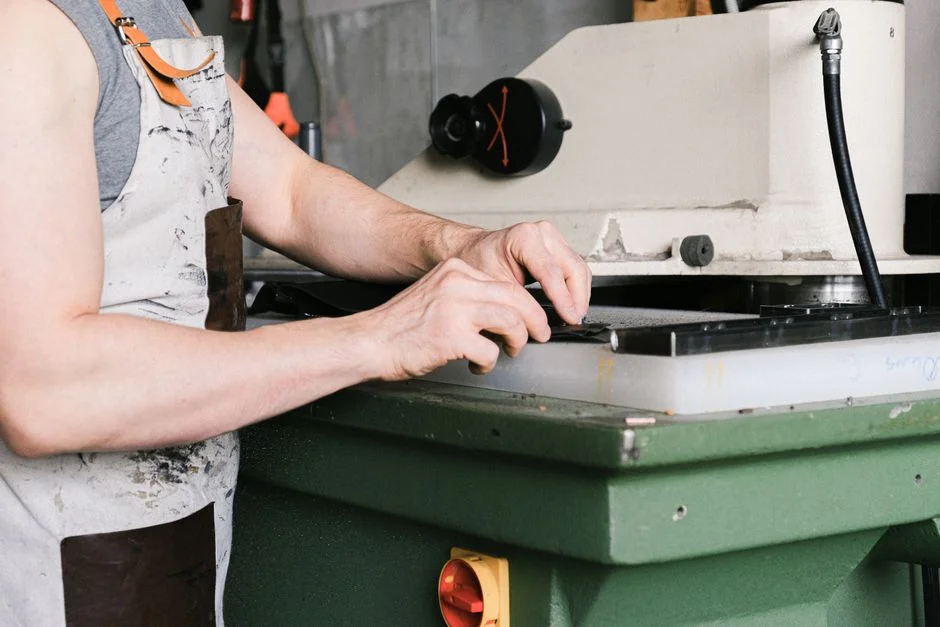
For wire drawing sludge, the design choice is between a recessed-chamber (plate-and-frame) press and a membrane (diaphragm) press. The chamber press operates at 6–15 bar feed pressure and delivers 25–35% cake dryness; the membrane press adds a 15–30 bar mechanical squeeze at the end of the cycle and pushes an additional 5–8% out of the cake, reaching 30–40% DS in well-conditioned feed. That 5–8% step change is the difference between paying a hauler to move semi-wet cake and passing the paint-filter test that some TSDFs require for incoming waste.
Chamber volume sizing is straightforward. A 1 m² plate holds approximately 15 L of cake at a 30 mm chamber depth. For a plant producing 800 kg DS/day at 5 cycles/day, total chamber volume required is roughly 5.3 m³, which maps to 60–80 m² of filtration area on a 30-plate press. A HydropureWater plate and frame filter press in the 30–50 m² range is a typical fit for a mid-sized wire drawing operation, with filtration areas scalable from 1 m² to 500 m² per the product envelope.
Plate material is fixed by chemistry. Polypropylene (PP) plates are standard for wire drawing because of pH tolerance across 1–13, resistance to emulsified oils, and low cost. Cast iron is rarely used — chloride-bearing rinse water from phosphate coating stages drives pitting corrosion within 12–24 months.
Cloth selection follows the BRIN study's central finding — cotton outperformed drill cloth for fine-particle capture — but translates poorly to wire drawing. PP monofilament cloth at 25–50 μm opening is the practical industry choice because it releases oily cake more cleanly and lasts 6–18 months versus 2–4 months for cotton. Cotton has no place in an oily metal hydroxide service.
| Parameter | Recessed-Chamber Press | Membrane (Diaphragm) Press |
|---|---|---|
| Feed pressure | 6–15 bar | 6–15 bar feed, 15–30 bar squeeze |
| Typical cake dryness (wire drawing, conditioned) | 25–35% DS | 30–40% DS |
| Plate material | PP (pH 1–13) | PP with elastomer diaphragm |
| Cloth (typical) | PP monofilament, 25–50 μm | PP monofilament, 25–50 μm |
| Cloth life (oily feed) | 6–18 months | 6–18 months |
| Best fit | Lower CAPEX, higher haul tonnage | Higher CAPEX, minimum haul volume |
Operating Parameters and Cake Discharge
Realistic operating envelopes for a wire drawing filter press are tighter than municipal biosolids numbers. Feed pressure of 6–15 bar is standard for chamber presses, 15–30 bar for the membrane squeeze phase. Cycle time of 30–90 minutes covers fill, press, squeeze (if applicable), and cake discharge — wire drawing's oily feed pushes most operations toward the upper half of that range, not the lower.
Cloth washing is where wire drawing operations differentiate themselves. Automatic cloth wash at 50–80 bar every 5–10 cycles is standard; for oily wire drawing cake, wash frequency typically doubles versus municipal biosolids because oil films form on the cloth surface faster than water alone can displace them. Skipping cloth wash for two or three cycles is the most common cause of rising filtrate TSS and falling cake solids in the field.
Cake discharge uses either drop-bottom or side-shift plate opening, with a scraper conveyor and drip tray beneath the press. The feed network follows the Questa Mine P&ID conventions: 4–8" sludge lines with cleanout connections, 1–2" filtrate and core-blow lines, and a utility water loop at 850 psi for cloth wash. Filtrate quality is the most underappreciated performance metric — TSS is typically under 50 mg/L when feed is well-conditioned, often clear enough to recycle back to the DAF inlet or to rinse-water makeup, which closes a water-reuse loop that municipal-style filter press guides never address.
Sizing Example: 10 ton/day Wire Drawing Plant
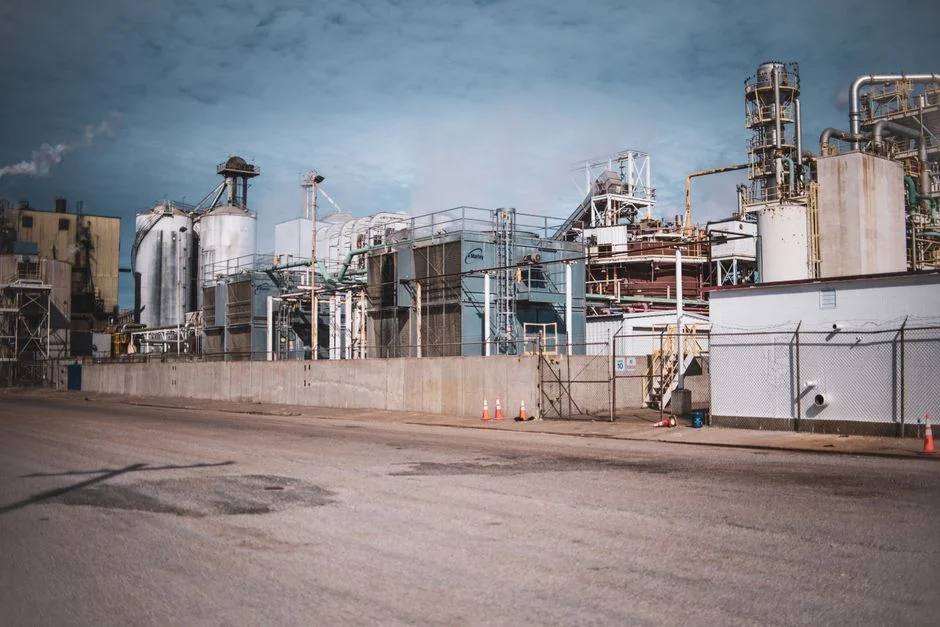
A worked example makes the math defensible in a CAPEX meeting. Take a 10 t/day wet sludge stream at 3% dry solids — that is 300 kg DS/day, a typical mid-sized wire drawing plant. The sizing decision is between a small, frequently-cycled press and a larger, less frequently-cycled press.
On a 12 m² press running 6 cycles/day, each cycle processes 50 kg DS, well within the polymer-conditioned envelope. On a 40 m² press running 2 cycles/day, each cycle handles 150 kg DS, which fits a membrane press's squeeze cycle. The polymer dose at 5 kg/ton DS is 1.5 kg/day of cationic polyacrylamide — easily handled by a small automatic dosing skid sized for 5–10 L/h of 0.1–0.5% prepared solution.
The volume reduction is the headline number. Feed sludge at 3% DS in, cake at 30% DS out, yields a 90% volume reduction. A mid-sized plant cutting wet tonnage by that factor moves from roughly one haul truck per day to roughly one per week — a logistics change that justifies the CAPEX by itself in most U.S. hauling markets. For a more detailed sizing walkthrough on a different industrial sludge, see the filter press sizing methodology for high-organic industrial sludge.
Against a belt press, the tradeoff is sharp. Belt presses on the same wire drawing feed reach only 18–22% cake dryness, which means roughly 2× the tonnage to haul versus a 30% DS plate-frame cake. Belt presses win on CAPEX and continuous operation; they lose on cake dryness, footprint per ton DS, and filtrate clarity. Plants that already run a belt press for routine biosolids often add a plate-frame unit specifically for the oily, metal-rich wire drawing line.
| Parameter | Value (10 t/d example) |
|---|---|
| Wet sludge feed | 10 t/day at 3% DS = 300 kg DS/day |
| Press option A | 12 m², 6 cycles/day, chamber press |
| Press option B | 40 m², 2 cycles/day, membrane press |
| CPAM dose | 1.5 kg/day at 5 kg/ton DS |
| Cake output (membrane) | ~1.0 t/day at 30% DS |
| Volume reduction | ~90% (10 t wet → 1 t cake) |
| Haul frequency shift | Daily → weekly |
| Polymer skid size | 5–10 L/h of 0.1–0.5% CPAM |
2026 Compliance and ROI for Wire Drawing Filter Press Buyers
Three compliance hooks drive the 2026 specification. 40 CFR 433 metal finishing categorical pretreatment standards cap oil and grease at 52 mg/L daily maximum and total metals (zinc, copper, lead, nickel) at the limits in 40 CFR 433.102 — DAF plus filter press combined is the most reliable way to meet both. The EPA's hazardous waste generator improvements finalized across 2025–2026 tighten the handling, recordkeeping, and transporter requirements for oily sludges, which makes dewatered cake a strategically better waste form than pumpable liquid sludge. The EU EWC code 11 02 01 (wastes from zinc and zinc phosphate coating) sets the parallel European framing.
CAPEX in 2026 for a 30–50 m² automatic plate-frame press package — press, feed pump, cloth wash, conveyor, and PLC controls — typically lands in the $80K–$220K band for industrial metalworking installations. Add the DAF, polymer skid, and conditioning tank and a full pretreatment-to-cake system sits in the $250K–$600K range depending on flow.
Payback is where the case closes. With haul-off at $200–$400 per wet ton and a 10 t/day plant cutting wet tonnage by 80% (membrane press on conditioned feed), annual haul savings land in the $580K–$1.17M range, against an installed system cost in the low six figures — payback is typically 8–18 months, with the wide range driven by regional haul rates and oil content variability. For plants with high zinc or copper in the cake, secondary metal recovery through a TSDF can offset another 10–30% of disposal cost.
The EHS upside is often missed in CAPEX reviews. Filter-pressed cake at 30% DS is far less likely to leak oil during transport than pumpable 3% sludge, reducing spill risk, insurance exposure, and the cleanup liabilities that come with a rejected load. For sites evaluating an add-on for fine precipitate capture rather than bulk sludge, electrocoagulation as an alternative or add-on for fine metal precipitate removal is worth scoping alongside the press.
Frequently Asked Questions
What cake dryness can a filter press realistically achieve on wire drawing wastewater?
A recessed-chamber press on well-conditioned wire drawing feed (2–4% DS in, 3–8 kg/ton DS CPAM) typically delivers 25–35% DS. A membrane press with a 15–30 bar squeeze pushes 30–40% DS. The 56% figure that appears in generic plate-frame literature is for clean CaCO₃ simulation, not oily metal hydroxide sludge.
What polymer dose is typical for wire drawing sludge dewatering?
Cationic polyacrylamide at 40–60% charge density, dosed at 3–8 kg per ton of dry solids, often paired with polyaluminum chloride at 50–150 mg/L as a charge-neutralizing coagulant. The dose runs higher than municipal biosolids because drawing soap residues consume polymer.
Can a filter press handle the oil and grease in wire drawing wastewater directly?
No, not reliably. Free and emulsified oil blinds filter cloth within 2–5 cycles if it reaches the press unconditioned. A dissolved air flotation unit upstream is required to drop oil and grease to under 30 mg/L before the press sees the feed — this is the single most common specification mistake on new wire drawing installations.
How often does the filter cloth need replacement on this service?
PP monofilament cloth at 25–50 μm opening typically lasts 6–18 months on wire drawing feed with automatic cloth wash every 5–10 cycles. Cotton cloth, which performed best in the BRIN CaCO₃ study, is not used in this service because it fouls within 2–4 months on oily cake.
What 2026 discharge limits should a wire drawing filter press system be designed to meet?
40 CFR 433 caps oil and grease at 52 mg/L daily maximum and sets categorical pretreatment limits for zinc, copper, lead, and nickel. The filtrate from a well-conditioned plate-frame press typically runs under 50 mg/L TSS and is clear enough to recycle to the DAF inlet or to rinse-water makeup, which also helps plants pursuing broader wastewater color removal options for combined outflow.