Israel's Unique Water Challenges and the Imperative for Residential Wastewater Treatment
Israel treats 80% of its municipal sewage, amounting to approximately 400 billion liters annually, and recycles nearly 90% of this treated effluent for agricultural irrigation (source: Israel Water Authority). This aggressive national strategy establishes reclaimed wastewater as a critical, climate-resilient water source alongside large-scale seawater desalination. In August 2025, the Israel Water Authority issued an urgent drought warning due to record-high temperatures and the desiccation of northern water basins, such as the Banias Stream, reinforcing the necessity of maximizing water recovery across all sectors, including residential wastewater treatment in Israel.
The country's water infrastructure operates on a dual-track model. While centralized municipal networks feed 120 wastewater treatment plants (WWTPs)—with the national water company Mekorot treating 40% of all municipal wastewater through its 8 regional plants—decentralized regions require localized engineering interventions. Mekorot's 9 reclamation plants enable 70% of treated effluent to be safely reused for agricultural irrigation (source: Mekorot operational data). To support sustainable water Israel initiatives, decentralized systems must achieve high purification standards to prevent the degradation of scarce groundwater aquifers and local streams.
Understanding Residential Wastewater Characteristics in the Israeli Context
Average domestic water consumption in Israel is approximately 137 liters per person per day, representing a highly concentrated organic and chemical load compared to typical North American or European municipal baselines (source: Israel Water Authority). Some municipal estimates that include distribution system losses place total water use at 90 cubic meters per person per year, which is equivalent to 247 liters per day (source: Israel Water Authority). Regardless of the calculation baseline, the low per-capita water volume means that residential wastewater in Israel exhibits high concentrations of biochemical oxygen demand (BOD), chemical oxygen demand (COD), and total suspended solids (TSS).
Residential wastewater contains a complex "environmental load" of non-biological chemical contaminants. According to standard practices such as ASTM E2717-18R25, residential discharge commonly carries mixtures of pharmaceuticals, natural and synthetic hormones, detergent metabolites, plasticizers, insecticides, and fire retardants (source: USGS Toxic Substances Hydrology Program data cited in ASTM E2717-18R25). While ASTM E2717-18R25 provides a methodology for estimating these chemical loads, its default parameters reflect North American water use averages and must be modified for Israel's concentrated streams. Baseline salinity varies significantly across the country, ranging from 10 mg/L of chlorides in the Upper Jordan River to 200 mg/L in the Sea of Galilee, and exceeding 1500 mg/L in southern groundwater aquifers (source: Mekorot salinity mapping). This fluctuating mineral baseline directly impacts the design of biological treatment processes, as elevated salinity can inhibit microbial kinetics.
Decentralized Residential Wastewater Solutions for Israel's Unconnected Homes
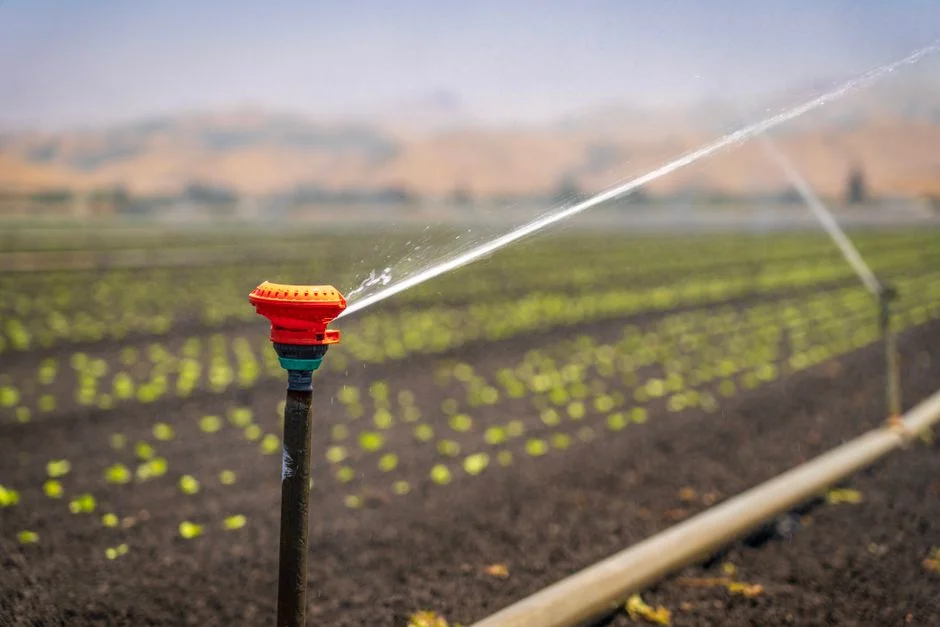
Approximately 500,000 homes in Israel are not linked to a centralized municipal sewage network, requiring localized, decentralized sewage solutions to prevent raw effluent from contaminating local aquifers (source: Israel Union for Environmental Defense). These unconnected residences, located primarily in rural communities, kibbutzim, and peripheral areas, must utilize robust, localized treatment to ensure environmental compliance. Historically, poor management led to localized pollution, but modern regulations mandate that only 2.7% of raw sewage nationwide flows into streams, and 0% enters the sea (source: Israel Union for Environmental Defense).
Engineers specify compact underground package sewage treatment plants to achieve these strict environmental targets. These systems provide automated, low-maintenance biological treatment within a minimal footprint. Unlike conventional septic tanks, which only provide primary settlement, package plants employ active aeration and clarification to yield effluent suitable for local agricultural reuse or subsurface irrigation. This localized reuse reduces the demand on freshwater and aligns with Israel's national conservation goals. For comparative context, engineers can consult a detailed guide to residential wastewater treatment in Norway to see how cold-climate decentralized strategies contrast with Israel's arid-zone requirements.
| Technology Type | Footprint Requirement (per household) | BOD5 Removal Efficiency | TSS Effluent Quality | Suitability for Israeli Agricultural Reuse |
|---|---|---|---|---|
| Standard Septic Tank + Soil Absorption | >100 m² | 40% - 60% | 50 - 90 mg/L | Unsuitable (restricted to subsurface discharge only) |
| Package Activated Sludge Plant | 15 - 30 m² | 85% - 95% | 10 - 20 mg/L | Restricted irrigation only |
| Packaged MBR System | <10 m² | >98% | <2 mg/L | Unrestricted irrigation (meets Inbar Standards) |
Advanced Treatment Technologies for Residential Water Reuse in Israel
Membrane bioreactor (MBR) systems designed for residential developments achieve ultrafiltration limits down to 0.04 microns, eliminating 99.99% of suspended solids and pathogens without requiring large-scale secondary clarifiers (source: HydropureWater engineering data). For housing developments, kibbutzim, and multi-family residential complexes, integrated MBR membrane bioreactor systems represent the gold standard for water reclamation. MBR technology reduces the physical footprint of the treatment plant by up to 60% compared to conventional activated sludge systems. This footprint reduction is critical in Israel, where land availability near residential zones is highly restricted.
The high-quality effluent produced by MBR systems easily meets the standards required for unrestricted irrigation, matching the operational philosophy of major municipal facilities like the Shafdan plant, which treats and reuses 100% of the Tel Aviv metropolitan area's sewage (source: Israel Water Authority). To achieve complete disinfection and chemical safety, small-scale MBR installations are often paired with auxiliary systems, such as automated chemical dosing for pH correction and advanced disinfection units, including chlorine dioxide generators.
The Israeli government supports these advanced decentralized systems by investing approximately NIS 450 million (US$125 million) annually in sanitation through specialized funds like the Wastewater Renovation and Reuse Program (source: Israel Ministry of Finance). These funds provide long-term subsidized loans (typically 20-year terms at 5% interest) and direct grants to municipal and regional authorities implementing high-efficiency reclamation systems. For projects requiring flexible deployment, engineers frequently specify containerized wastewater treatment solutions that can be scaled rapidly. Detailed technical specifications can also be compared against international installations, such as a membrane bioreactor system specifications and applications.
| Water Quality Parameter | Typical Raw Influent Baseline | Residential MBR Effluent | Israeli Unrestricted Reuse Standard (Inbar) |
|---|---|---|---|
| BOD5 (mg/L) | 300 - 450 | <5.0 | ≤10 |
| TSS (mg/L) | 250 - 350 | <2.0 | ≤10 |
| Turbidity (NTU) | 150 - 250 | <0.2 | ≤1.0 |
| Fecal Coliforms (CFU/100mL) | 10^6 - 10^7 | <10 | ≤10 |
Designing and Implementing Residential Wastewater Systems for Israeli Compliance
Reclaimed residential wastewater in Israel must comply with the Public Health Regulations (Effluent Quality Standards), commonly known as the Inbar Standards, which mandate maximum limits of 10 mg/L BOD and 10 mg/L TSS for unrestricted agricultural irrigation (source: Israel Ministry of Environmental Protection). Designing systems to meet these criteria requires adjusting standard international guidelines, such as ASTM E2717-18R25, to account for Israel's specific climate, high ambient temperatures, and strict water conservation mandates. High temperatures accelerate biological kinetics but also increase the risk of septic conditions and odor generation in equalization tanks, requiring careful engineering of pre-aeration and mixing systems.
Engineers must design decentralized systems to integrate seamlessly with the broader water management framework overseen by the Israel Water Authority and Mekorot. Mekorot supplies 1.5 billion cubic meters of water annually—representing 70% of Israel's total water supply and 80% of its drinking water (source: Mekorot operational data). Because municipal and regional utilities distribute 86% of the country's potable water via large-scale desalination, the incoming tap water has low mineral salinity but may require specific buffering during biological treatment. Working with local process engineers ensures that residential treatment systems obtain the necessary permits from the Ministry of Health and the Ministry of Environmental Protection, ultimately contributing to the national goal of recycling nearly 90% of wastewater for agricultural use.
Frequently Asked Questions
What challenges does Israel face in residential wastewater treatment?
Israel faces severe water scarcity, which demands that almost all wastewater be treated to high standards for agricultural reuse. Additionally, approximately 500,000 homes are not connected to the centralized sewage network, requiring decentralized treatment systems that can consistently meet the strict national "Inbar Standards" (10 mg/L BOD and 10 mg/L TSS) under concentrated organic load conditions.
What technologies are best for residential wastewater reuse in Israel?
Membrane Bioreactor (MBR) systems and integrated package sewage treatment plants are the most effective solutions. MBR technology combines biological treatment with ultrafiltration, reducing the physical footprint by 60% and producing high-quality effluent (BOD <5 mg/L, TSS <2 mg/L) that is safe for unrestricted agricultural and landscape irrigation.
How much wastewater does Israel recycle from residential sources?
Israel is a global leader in water recycling, treating 80% of its total sewage (approximately 400 billion liters per year) and reclaiming nearly 90% of that treated effluent. This reclaimed water is primarily used to supply around 50% of the total water consumed by the agricultural sector nationwide.
Are there government subsidies for residential wastewater treatment in Israel?
The Israeli government invests approximately NIS 450 million (US$125 million) annually in sanitation infrastructure through funds like the Wastewater Renovation and Reuse Program. These subsidies are primarily distributed as long-term, low-interest loans (20 years at 5% interest) and direct grants to assist local authorities and developers in implementing advanced reclamation technologies.