Taiwan Residential Wastewater Regulatory Landscape 2026
Taiwan’s Environmental Protection Agency (EPA) mandates stringent residential wastewater effluent limits, specifically requiring BOD5≤20 mg/L, SS≤20 mg/L, TN≤15 mg/L, TP≤2 mg/L, NH3-N≤10 mg/L, and Coliform count ≤160,000 CFU/100ml (source: Taoyuan municipal project data, 2026). These standards apply to all new developments where connection to a central municipal sewer line is unavailable, a frequent occurrence given that Taiwan’s national sewer connection rate remains significantly lower than many developed economies (source: local development forum data, 2026). Developers must navigate a three-tier regulatory framework consisting of the central Sewerage Act, local county/city ordinances, and strict building code requirements that mandate on-site treatment for any project exceeding a specific dwelling unit count.
Evidence from major urban centers like Taipei and Kaohsiung indicates that relying on future sewer connection promises is a high-risk strategy, as many riverside developments continue to discharge directly into storm drains or canals due to incomplete municipal infrastructure (source: 2026 field observations). Building permits for residential complexes now frequently require proof of on-site treatment capacity, including oil separators for kitchen greywater and split-system plumbing to isolate toilet waste from other drainage. The following table summarizes the compliance requirements for decentralized residential systems in Taiwan.
| Parameter | EPA Class B Limit | Measurement Method |
|---|---|---|
| BOD5 | ≤ 20 mg/L | 5-day incubation |
| SS | ≤ 20 mg/L | Gravimetric analysis |
| Total Nitrogen (TN) | ≤ 15 mg/L | Persulfate digestion |
| Total Phosphorus (TP) | ≤ 2 mg/L | Ascorbic acid method |
| Ammonia Nitrogen | ≤ 10 mg/L | Ion-selective electrode |
| Coliform | ≤ 160,000 CFU/100ml | Membrane filtration |
Technology Comparison: MBR vs A/O Package Plant vs Septic Upgrade
Membrane Bioreactor (MBR) systems provide a high-performance solution for space-constrained residential sites, consistently achieving effluent quality of TN 8–12 mg/L and TP 0.5–1.5 mg/L, which exceeds the Taiwan EPA Class B requirements (source: HydropureWater engineering data, 2026). Standard A/O process units, such as the WSZ series underground package sewage treatment plant (1–80 m³/h), typically achieve BOD<20 mg/L and TN 12–18 mg/L, often requiring additional tertiary phosphorus removal to meet the 2 mg/L TP limit. Traditional septic tanks are functionally obsolete for meeting current standards; they lack nitrification/denitrification stages and are prone to clogging, resulting in periodic pumping costs of approximately 2,000 NTD per occurrence (source: 2026 community maintenance reports).
For high-density residential projects where land costs exceed 500,000 NTD/m², the MBR membrane bioreactor system for reuse-quality effluent is the preferred choice, as it utilizes a footprint 60% smaller than conventional A/O systems. SBR (Sequencing Batch Reactor) systems, while flexible for variable loads, are rarely utilized in Taiwan due to their larger tank requirements and complex cycle control, which are difficult to justify against the compact footprint of submerged MBR modules.
| Technology | Footprint (m²/m³/day) | TN Removal Efficiency | Typical Application |
|---|---|---|---|
| MBR Package Plant | 0.5 – 1.0 | High (>85%) | High-density, water reuse |
| A/O (WSZ Series) | 1.5 – 2.5 | Moderate (60-75%) | General residential, low-cost |
| Septic Tank | N/A | Negligible | Illegal for new development |
Equipment Sizing for Taiwanese Residential Densities
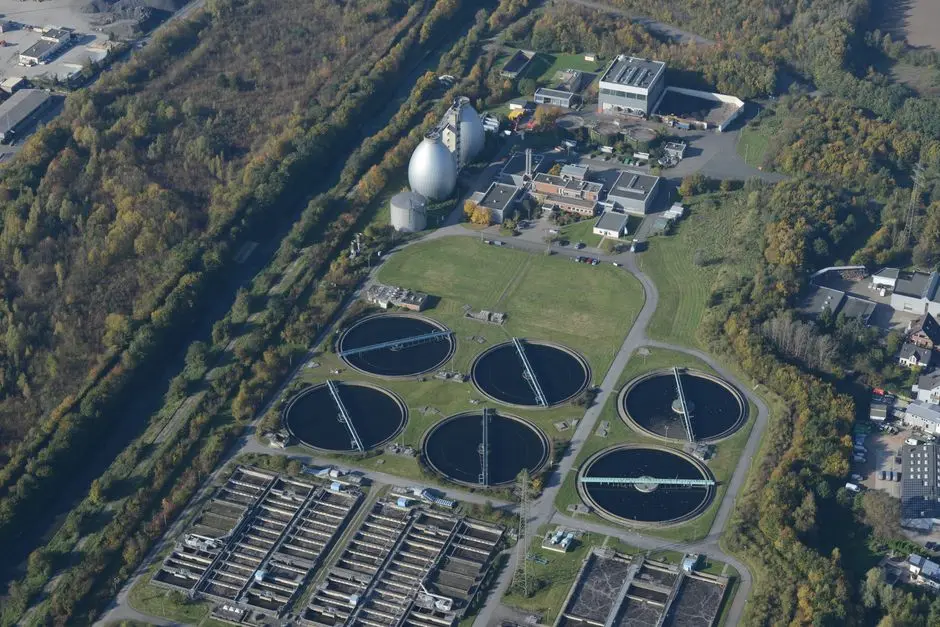
Accurate sizing for residential wastewater treatment in Taiwan must account for high domestic water usage, which averages 250–300 L/person/day, exceeding international norms due to intensive bathing and laundry habits (source: engineering design standards, 2026). A standard household of 2.8 persons generates roughly 700–840 L/day, but with a peak factor of 2.5–3.0 to account for morning and evening surges, the design flow must be calculated at 1.75–2.5 m³/day per household. For a 50-household community, the design flow should range from 87.5 to 125 m³/day, requiring a system like the WSZ series underground package sewage treatment plant (1–80 m³/h) sized for the upper limit, with an additional 20% allowance for groundwater infiltration common in western Taiwan’s plains.
| Metric | Value |
|---|---|
| Average Occupancy | 2.8 persons/household |
| Water Usage | 275 L/person/day |
| Organic Load (BOD) | 60 g/person/day |
| Peak Flow Factor | 2.5 – 3.0 |
| Infiltration Allowance | 20% for high groundwater |
Installation Realities: Buried Units, High Groundwater, and Typhoon Resilience
In western Taiwan, where groundwater tables can rise above 1m depth during the monsoon season, any WSZ series underground package sewage treatment plant (1–80 m³/h) must include reinforced anti-buoyancy anchoring to prevent tank heaving. Electrical control panels must be rated for IP66 protection to withstand typhoon-driven flooding, and all submerged pumps should be selected for high-head performance in the event of local drainage backups. To manage odors in residential zones, activated carbon vent filters are mandatory, as community complaints often stem from poorly ventilated manholes. Maintenance access is a critical design constraint; ensure every unit includes 600mm manways to facilitate media replacement or membrane inspection. For sites prone to power instability, a UPS is recommended to maintain aeration for blowers and permeate pumps, preventing membrane fouling. Headworks should always incorporate a GX series rotary mechanical bar screen for headworks screening to protect downstream biological processes from plastic and debris, while effluent disinfection is best achieved using a chlorine dioxide generator for effluent disinfection.
Procurement Checklist: From Spec to Commissioning
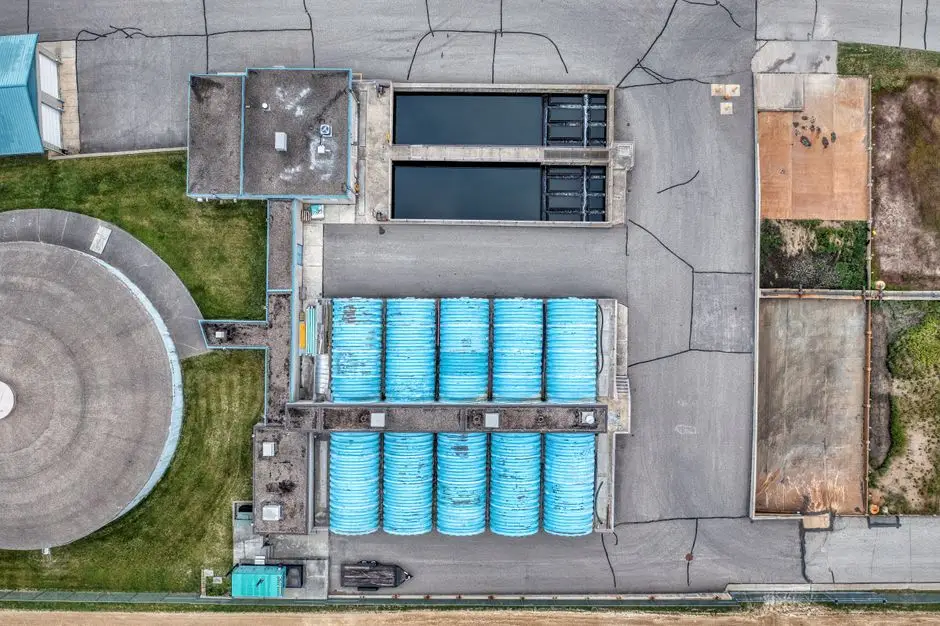
Effective procurement begins with verifying the discharge destination, as requirements differ significantly between direct river discharge (Class B) and irrigation canal discharge (Class A). Once the design flow is established using the 2.5x peak factor, choose between the WSZ series for cost-sensitive projects or MBR systems where footprint or water reuse is critical. Always mandate a Factory Acceptance Test (FAT) that simulates the design BOD and TN loads, and ensure the contract includes a 12-month performance guarantee with quarterly effluent testing. For further guidance on lifecycle cost comparisons between systems, consult this underground vs aerobic, chamber, mound, and MBR cost comparison. Secure a local O&M contract for sludge removal—standard vacuum trucks in Taiwan have a 3–5 m³ capacity—and membrane cleaning cycles.
Frequently Asked Questions
What are Taiwan EPA Class B discharge limits for residential wastewater?
The limits are BOD5≤20 mg/L, SS≤20 mg/L, TN≤15 mg/L, TP≤2 mg/L, NH3-N≤10 mg/L, and Coliform count ≤160,000 CFU/100ml.
Can a septic tank meet Taiwan EPA standards?
No. Single-tank septic systems lack the necessary stages for nitrification, denitrification, and phosphorus removal; they are prohibited for new residential developments and fail to meet the mandatory water quality parameters.
What size package plant for a 100-household community?
Based on a 2.5 peak factor and 20% infiltration allowance, a 100-household community requires a design capacity of 175–250 m³/day, necessitating a large-scale WSZ or MBR configuration.
Is MBR worth the extra cost in Taiwan?
MBR is cost-effective if land prices exceed 500,000 NTD/m² or if the development requires water reuse. While OPEX is 15–20% higher, the 60% footprint reduction typically offsets the premium within 5–7 years.
How often must sludge be removed from a package plant?
For standard WSZ systems, sludge removal is required every 3–6 months. MBR systems, which operate at higher solids retention times, typically require sludge removal every 6–12 months.