
Why Starch Wastewater Is a Special Case for Aerobic Treatment
MABR (membrane aerated biofilm reactor) is a strong fit for starch wastewater because it delivers simultaneous nitrification and denitrification in a single tank with up to 90% less aeration energy than conventional activated sludge. In published pilots MABR has achieved total nitrogen below 3 mg/L and total phosphorus below 0.3 mg/L, and it works equally well as a polishing step after an anaerobic reactor or as a standalone aerobic stage for medium-strength starch streams (Fluence MABR overview, 2026).
Starch extraction is a high-strength, high-flow effluent. Typical corn, cassava, wheat, or potato lines produce wastewater in the COD 3,000–15,000 mg/L range, with a BOD/COD ratio of 0.4–0.6, total nitrogen 40–200 mg/L, pH swinging between 4 and 7, and operating temperatures of 35–45 °C during campaign runs (HydropureWater field data, 2026). Starch and soluble protein are readily biodegradable, but the long aeration tank retention times that conventional activated sludge demands to hit residual BOD and ammonia targets are exactly what drives blower energy to 50–70% of total plant OPEX. MABR's counter-diffusion biofilm keeps slow-growing nitrifiers in a protected, high-O2 layer on the gas-transfer membrane, which is why it holds stable ammonia removal even at the low C/N ratios common in starch streams — the membrane aerated biofilm reactor architecture is well matched to the long, slow degradation kinetics of residual carbohydrates and proteins.
How MABR Works: The Mechanism That Matters for Starch Plants
An MABR is a passive aeration biofilm reactor in which a gas-permeable membrane delivers oxygen bubble-free into a biofilm attached to the wastewater side of the membrane, while the bulk liquid remains anoxic. The mechanism that matters for starch plants is the counter-diffusion geometry: oxygen diffuses inward from the membrane lumen, while substrate (BOD, ammonia) diffuses inward from the bulk liquid. The two concentration profiles overlap inside the biofilm, so nitrifiers sit in a high-DO inner layer and heterotrophs and denitrifiers occupy the outer anoxic layer — single-tank simultaneous nitrification-denitrification without methanol dosing (Fluence MABR product page, 2026).
The contrast with diffused-air activated sludge is what makes the energy case. In a conventional starch aeration tank, fine-bubble diffusers deliver oxygen at transfer efficiencies of 10–25% in real mixed liquor, and most of the air simply vents. MABR's passive bubble-free transfer pushes that oxygen into the biofilm rather than the atmosphere, cutting aeration energy by up to 90% and overall plant energy by as much as 50% (Fluence MABR overview, 2026). MABR's commercial deployment began in 2016; the technology is now proven at municipal scale (Aspiral units in Hubei, Henan, and Bordeaux), with direct transferability to industrial streams of comparable strength (Fluence MABR overview, 2026).
MABR vs SBR vs Anaerobic + MABR: Choosing the Right Train
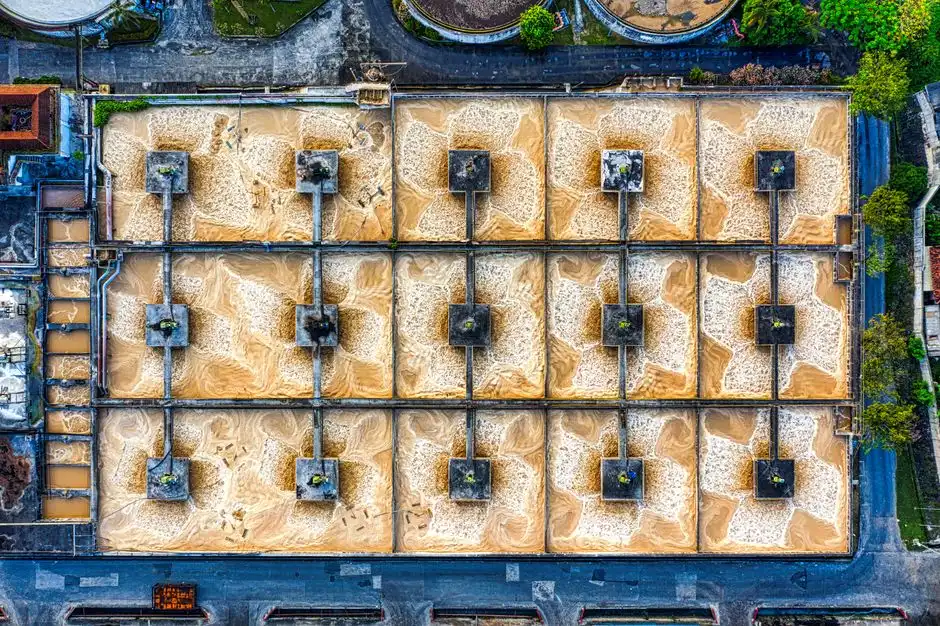
The right train depends on influent COD and whether the plant can recover biogas from a high-strength stream. The matrix below is the decision tool I would hand to a starch plant process engineer.
| Parameter | SBR (standalone) | MABR (standalone) | UASB / IC + MABR polishing |
|---|---|---|---|
| Typical feed COD | 1,000–5,000 mg/L | 1,000–3,000 mg/L | 5,000–15,000 mg/L (anaerobic), 500–1,500 mg/L (MABR influent) |
| Effluent COD achievable | 80–150 mg/L | ≤80–100 mg/L | ≤50–80 mg/L overall |
| Effluent NH3-N | ≤5 mg/L (with long HRT) | ≤5 mg/L (Stanford pilot TN <3 mg/L) | ≤2–5 mg/L overall |
| Footprint | Large (batch volume) | Small (passive aeration biofilm) | Medium (anaerobic tower dominates volume) |
| Energy character | High blower load during react phase | Up to 90% aeration savings | Biogas offsets grid; MABR polishes |
| OPEX character | Energy + methanol for denitrification | Energy, no methanol, low sludge | Anaerobic OPEX low; MABR OPEX low |
| Best-fit starch plant size | Small/medium, 500–5,000 m³/d | Small/medium, 20 m³/d Aspiral-class (Fluence) up to ~5,000 m³/d | Large central plant, 2,000–100,000 m³/d (SUBRE-class) |
| Notes | Mature, but energy-hungry for long-HRT starch BOD | Limited on high-strength steep water without upstream buffering | Highest CAPEX, lowest OPEX, recovers biogas |
Standalone MABR is best suited to medium-strength streams (COD ~1,000–3,000 mg/L) such as washing water, evaporator condensate, or low-concentration mixed streams. High-strength streams (COD >5,000 mg/L) — steep water, gluten wash, potato fruit water — benefit from an upstream anaerobic stage (UASB, IC, EGSB) to recover biogas, with MABR as the polishing aerobic step (HydropureWater field data, 2026). The Fluence SUBRE retrofit range of 2,000–100,000 m³/d is a reasonable sizing sanity check for large central starch plants; the Aspiral packaged line at 20 m³/d and up covers small rural or satellite lines (Fluence MABR product page, 2026). Pilot benchmarks worth quoting to your regulator: TN <3 mg/L and TP <0.3 mg/L at Stanford's Codiga Resource Recovery Center, and TN 4.1 mg/L / TP 0.4 mg/L at the CENTA test center in Spain (Fluence MABR overview, 2026). For plants that want a near-reuse envelope under 1 µm, an integrated MBR membrane bioreactor system delivers tighter TSS than MABR but at the cost of higher energy and higher membrane-fouling risk; MABR's biofilm is the lower-maintenance default when discharge targets stop short of full reuse.
MABR Retrofit vs Greenfield for Existing Starch Plants
A SUBRE-style retrofit submerges towers of MABR modules into the anoxic zone of an existing aeration basin, fitting basin depths from 1.5 m to 6 m (5–20 ft), and results in measurable effluent improvement and up to 30% overall plant energy reduction within 1–3 weeks of installation (Fluence MABR product page, 2026). That is the right answer when the existing concrete basin is structurally sound, capacity uplift is in the 10–30% range, discharge limits are tightening, and there is no room for new civil works.
A greenfield packaged MABR (Aspiral-class containerized units, 20 m³/d and up) is the right answer when the plant has limited existing infrastructure, needs fast deployment under a 10-day commissioning window (the Taiping village model in Henan), wants plug-and-play containerized treatment, or is grid-constrained and benefits from MABR's off-grid-capable energy profile (Fluence MABR overview, 2026). Two operational characteristics tip the scale toward MABR in peri-urban starch parks: low noise (no high-pressure blowers) and low odor (no off-gas aerosol from fine-bubble tanks). Both reduce neighborhood complaints and ESG exposure for the host plant.
Design Parameters and Effluent Targets for Starch Plants
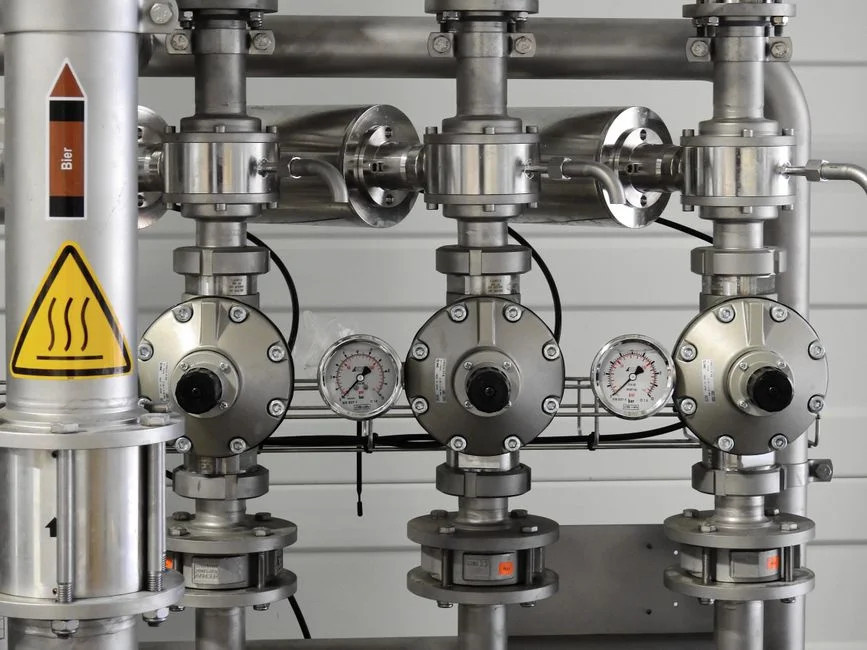
Concrete design numbers are below; treat these as the envelope for a starch plant evaluating MABR after anaerobic pretreatment, with a target discharge to surface water or a Class IA reuse envelope in China.
| Parameter | Influent to MABR (post-anaerobic) | Effluent target (discharge / Class IA reuse) |
|---|---|---|
| COD | 500–1,500 mg/L | ≤80–100 mg/L (discharge); tighter for reuse |
| BOD | 200–600 mg/L | ≤20–30 mg/L |
| NH3-N | 30–80 mg/L | ≤5 mg/L; ≤2 mg/L for strictest reuse |
| TN | 40–100 mg/L | ≤10–15 mg/L; <3 mg/L Stanford benchmark |
| TP | 5–20 mg/L | ≤0.5 mg/L; <0.3 mg/L Stanford benchmark |
| TSS | 100–300 mg/L | ≤10–30 mg/L |
| Temperature | 25–45 °C (post-anaerobic) | Operating window 10–35 °C; below 10 °C nitrification slows and HRT must rise |
| pH | 6.5–7.5 | 6.5–8.5 |
One often-overlooked operational point: MABR's passive aeration runs at near-atmospheric pressure. In starch plants where airborne dust, flour, and sugar aerosols create an explosion risk around high-pressure blower rooms, that is a meaningful safety and maintenance advantage over conventional diffused-air systems. Upstream of the MABR, I recommend a DAF system for suspended solids and FOG removal on potato or cassava lines, paired with a high-efficiency sedimentation tank for grit and settleable starch — this protects the biofilm from fouling and keeps the MABR operating inside the design window.
Cost, Payback, and Where the Savings Actually Come From
Aeration is 50–70% of total energy use in a conventional starch WWTP, so the headline figure of up to 90% aeration energy savings (Fluence MABR overview, 2026) translates to roughly 30–50% plant OPEX reduction once the secondary benefits are included. A SUBRE-style retrofit in an existing starch plant typically pays back in 2–4 years on energy alone, before you credit the avoided methanol dosing for denitrification, the lower chemical demand for phosphorus precipitation, and the lower sludge yield. Greenfield packaged MABR plants can drop OPEX by 30–50% overall compared with activated sludge of equivalent capacity (Fluence MABR overview, 2026), and the case is strongest where the host site is grid-constrained, runs on diesel, or pays a peak-demand tariff.
Do not stop at the aeration line item. MABR's lower sludge production — typically 0.2–0.4 kg TSS per kg COD removed versus 0.4–0.6 for conventional activated sludge (HydropureWater field data, 2026) — cuts downstream dewatering volume and stabilizes the cake. That is where a plate and frame filter press becomes the natural downstream partner: smaller, more stable sludge loads, higher cake solids, lower polymer demand, and a payback that compounds with the MABR energy savings. The total economic picture, for a 5,000 m³/d starch plant at moderate electricity prices, is a 2–4 year energy-payback on retrofit and a 4–6 year simple payback on greenfield, with sludge handling improvements layered on top.
Frequently Asked Questions
Can MABR treat starch wastewater alone, or does it need an anaerobic stage first?
Standalone MABR handles medium-strength starch streams in the COD 1,000–3,000 mg/L range — washing water, evaporator condensate, and mixed-process effluents — and typically hits COD ≤80–100 mg/L and NH3-N ≤5 mg/L. For high-strength streams above COD 5,000 mg/L (steep water, gluten wash, potato fruit water), put a UASB or IC reactor upstream to recover biogas and drop the load to the MABR's comfortable range (HydropureWater field data, 2026).
What effluent COD and NH3-N can a starch plant realistically expect from MABR?
After anaerobic pretreatment, expect COD ≤80–100 mg/L, NH3-N ≤5 mg/L, and TN ≤10–15 mg/L in steady state. For the strictest reuse envelopes, the Stanford CR2C pilot benchmarked TN <3 mg/L and TP <0.3 mg/L on the same MABR platform (Fluence MABR overview, 2026).
How does a SUBRE retrofit compare with a new SBR for a 5,000 m³/d starch plant?
A SUBRE retrofit typically pays back in 2–4 years on energy alone and lifts the existing basin to meet tighter discharge limits without new civil works; a new SBR has higher CAPEX, longer HRT, higher blower load, and usually requires methanol for denitrification. For an apples-to-apples comparison, the energy line alone favors SUBRE by 30–50% (Fluence MABR product page, 2026).
Is MABR suitable for hot effluent above 40 °C from a starch evaporator?
Yes for the aerobic reactor envelope (operating window 10–35 °C per the design table) provided the stream is tempered before the MABR, or the basin is sized with adequate cooling surface. Sustained temperatures above 40 °C shift the nitrifier population and reduce ammonia removal; cooling via a holding tank or heat exchange to ≤35 °C is the standard starch-plant fix (HydropureWater field data, 2026).
How does MABR compare with MBR for starch plants that want water reuse?
MBR delivers tighter TSS and near-reuse effluent under 1 µm but at the cost of higher energy, periodic membrane cleaning, and higher fouling risk on starch streams. MABR is the lower-energy, lower-maintenance default when discharge targets stop short of full reuse; an integrated MBR membrane bioreactor system becomes the right pick only when reuse water quality is the binding constraint.