
Why Constructed Wetlands Fail — and Why Operators Need a Diagnostic Workflow
A failing constructed wetland is rarely a mystery; it is a missed signal. Black standing water above the media, dead Phragmites stems, hydrogen sulfide odor, and an effluent BOD that no longer meets the discharge permit are not separate problems — they are four symptoms of the same underlying system stress. Each one costs the operator a regulatory breach, a replacement bill ranging from $200 to $400 per square meter of bed (HydropureWater field data, 2025-11), and three to nine months of downtime while a new bed is specified and planted.
The scale of deployment makes systematic troubleshooting necessary. The Constructed Wetland Association has tracked more than 1,200 systems in the UK since 1999, growing from 154 beds in the original WRc/Severn Trent database to over 1,000 documented in the CWA's nine updates (Cooper 2008, Springer chapter 13). Across that population, three failure categories dominate: hydraulic clogging, organic overloading, and plant decline. The US EPA defines constructed wetlands as treatment systems that use natural processes involving wetland vegetation, soils, and their associated microbial assemblages to improve water quality — which means failure can originate in any one of those three pillars, or in the configuration and operational parameters that connect them (EPA, wetlands page). Research on electroplating polishing wetlands frames the same four failure domains: configuration, substrate, plant, and operation (EMSE 2013 thesis, theses.fr/2013EMSE0702). A diagnostic workflow is the only way to move from "the bed smells" to "the inlet header needs a flow splitter" inside a single shift.
Symptom-to-Cause Diagnostic Matrix: What Your Wetland Is Telling You
Operators can triage wetland failure in under a minute by using a standardized diagnostic matrix. The matrix below maps six visible symptoms to their most probable root cause and the first confirmatory test to run. The EPA's vegetation-soil-microbe framework (EPA wetlands page) is the key: every symptom traces to a stressed pillar, and the test you choose follows from which pillar is failing.
| Symptom observed in the field | Most probable root cause | First confirmatory test |
|---|---|---|
| Surface ponding above media | Particulate or biofilm clogging in top 100 mm of substrate | Influent vs. effluent TSS; core the top layer and inspect porosity |
| Dead or yellowing plants (Phragmites die-off) | Influent toxicity, pH excursion, or rhizosphere anoxia | 24-hour composite influent for pH, heavy metals, hydrocarbons; redox probe in root zone |
| Hydrogen sulfide odor ("rotten egg") | Sulfate reduction in anaerobic pockets; organic overload | Dissolved sulfide test kit; influent BOD and sulfate |
| Mosquito breeding on FWS beds | Stagnant pockets; absence of predators (minnows, dragonfly nymphs) | Visual inspection of open water; check water-level cycling frequency |
| Short-circuiting (effluent appears minutes after influent) | Uneven inlet distribution, root channels, or settled media | Tracer test (salt or rhodamine WT); bucket test at inlet and outlet |
| Effluent quality breach (BOD, NH3, TSS above limits) | Hydraulic overload, media exhaustion, or loading toxicity | Calculate actual HRT vs. design; pull media core in three locations |
For an established subsurface flow wetland, sustained influent TSS above 30 mg/L is the threshold at which particulate accumulation begins to dominate the top substrate layer; below that, hydraulic function typically holds for 10+ years. Whenever a symptom is ambiguous, run two tests in parallel — for example, TSS plus redox — to ensure a single test does not mask a multi-cause failure.
Hydraulic Failures: Clogging, Short-Circuiting, and Uneven Distribution
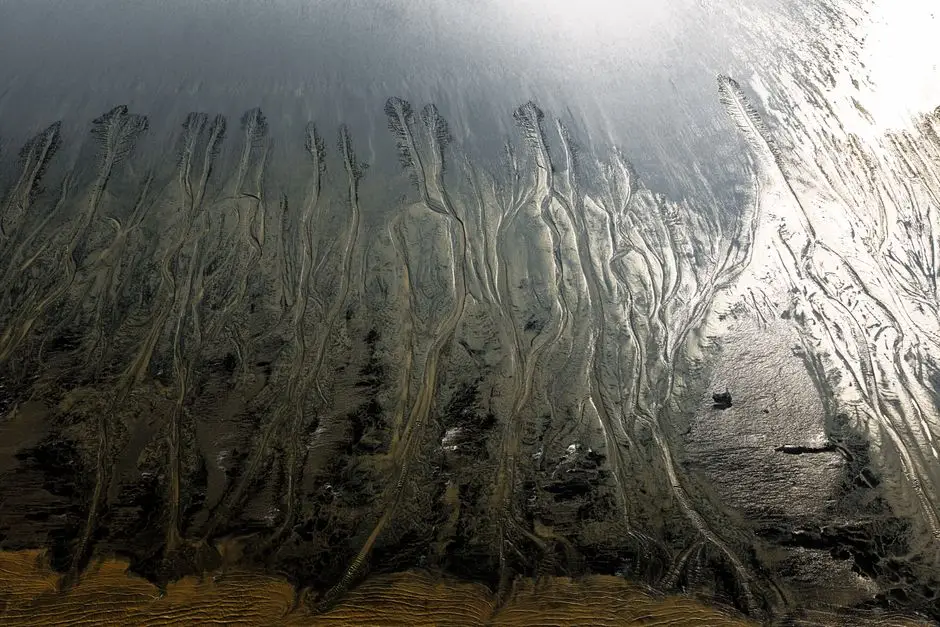
Hydraulic problems account for the majority of unplanned wetland downtime because they degrade every treatment pathway simultaneously. Three clogging mechanisms operate in parallel, and each demands a different fix.
Particulate clogging accumulates in the top 100 mm of media, where influent first contacts the substrate. Suspended solids above the 30 mg/L design threshold (HydropureWater field data, 2026) compress the pore space and force flow to seek preferential paths. The corrective action is upstream screening — a rotary mechanical bar screen with 1–3 mm apertures removes the coarse fraction before it reaches the bed, and a downstream DAF polishes what passes through. Biofilm-induced clogging is bacterial exopolysaccharide that cements fines into a near-impermeable crust; it is reversed by a 2–4 week drawdown (see remediation playbook). Chemical precipitation — iron and calcium hydroxides — requires oxidation control upstream, not mechanical removal.
The design HRT envelope for SSF constructed wetlands is 5–14 days; a measured HRT below 3 days defines short-circuiting. Confirm it with a tracer test: dose 50 g of NaCl at the inlet and log conductivity at the outlet every 15 minutes. If the breakthrough curve peaks inside 4 hours, flow is bypassing the bed. Remediation involves inlet/outlet redistribution: a flow splitter, level-controlled distribution, and replacement of any settled or channeled media zones. Verify substrate against the design baseline — D50 5–20 mm gravel in the top layer, 30–75 mm in the transition and drainage zones — because undersized media is a common inherited defect from substandard installers in the UK market (Cooper 2008).
Biological Failures: Plant Die-Off, Mosquito Infestation, and Microbial Imbalance
Biological components fail in patterns that operators frequently misread as chemical problems. Phragmites die-off is triggered when one of three parameters leaves the tolerance band. pH outside 5.5–9.0 suppresses root oxygen release; water depth outside species tolerance (typically 0.1–0.6 m standing for established reeds) starves the rhizosphere; and a hydrocarbon or heavy-metal shock load (copper above 0.5 mg/L or zinc above 2 mg/L acutely) kills the meristem. Confirm with a 24-hour composite influent sample, a redox probe at 200 mm depth in the root zone (target: +50 to +200 mV), and visual inspection of root color — black, sour roots indicate anoxia, brown healthy roots indicate functional aeration.
Mosquito breeding in free water surface wetlands almost always traces to stagnant pockets without predators. Culex and Aedes larvae need 7+ days of undisturbed water to mature. The fix is water-level cycling — drop the level 50–100 mm every 5–7 days to desiccate larvae, and reintroduce predator habitat (minnows, dragonfly nymphs) along the margins. Microbial imbalance shows up as loss of nitrification: effluent ammonia rises while BOD holds steady, indicating the aerobic rhizosphere has been lost. Forced drawdown for 2–3 weeks restores oxygen and reactivates the nitrifier biofilm. The CWA database tracks plant performance and species selection as core case-study variables because vegetation is a primary indicator of system health (Cooper 2008).
Chemical and Loading Failures: Overload, Toxicity, and Mineral Precipitation
Influent quality is the primary failure point when hydraulics and biology check out. Organic overloading — influent BOD above 80 mg/L to an SSF bed designed for 30–40 mg/L — drives oxygen demand below the rhizosphere and flips the bed anaerobic inside 48 hours. The corrective sequence is load reduction at the source, phased re-acclimation (re-introduce design flow at 25%, 50%, 75%, 100% over four weeks), and confirmation that the automatic chemical dosing system ahead of the bed is delivering coagulant within target residual ranges.
Salinity and sulfate toxicity represent a second chemical failure mode. Electrical conductivity above 4 dS/m and sulfate above 250 mg/L sit in the warning band for sensitive species like Phragmites australis; chloride above 500 mg/L begins to suppress root function. Iron and calcium precipitation is the third: influent iron above 5 mg/L aerates in the top substrate layer and precipitates as ferric hydroxide, cementing the gravel. The fix is aeration control upstream — dewatering the ferrous iron before the wetland — and periodic top-layer raking. The EMSE 2013 thesis on electroplating polishing wetlands (theses.fr/2013EMSE0702) notes that metal-laden industrial effluents need pretreatment to bring metals and cyanide within tolerance before the bed, or the substrate becomes a long-term sink and the failure migrates downstream.
Field Remediation Playbook: Five Fixes Ranked by Cost and Downtime
Operators should utilize a ranked action list to ensure efficient use of resources. The five fixes below are ordered from lowest cost and shortest downtime to last resort, with the trigger condition for each.
| Rank | Fix | Trigger / failure mode addressed | Typical downtime |
|---|---|---|---|
| 1 | Resting / fallow rotation (2–4 week drawdown) | Biofilm clogging, sulfide odor, rhizosphere anoxia | 2–4 weeks; zero consumables |
| 2 | Top-layer media raking and replacement (top 100 mm) | Particulate accumulation, surface crusting | 3–7 days |
| 3 | Inlet/outlet redistribution (flow splitter, level control) | Short-circuiting, uneven wetting, root channels | 1–2 weeks; plate and frame filter press for sludge handling during works |
| 4 | Replanting and species diversification | Monoculture die-off; loss of polyculture resilience | One growing season; standard polyculture of reed (Phragmites), cattail (Typha), bulrush (Schoenoplectus) |
| 5 | Full media replacement | Media exhaustion; rehabilitation cost > 60% of rebuild | 3–6 months including re-acclimation |
Fix 1 is the recommended first step because it costs nothing and addresses biofilm, sulfide, and rhizosphere anoxia simultaneously. Fix 5 is reserved for beds where the substrate has lost more than 40% of its design hydraulic conductivity and top-layer replacement is no longer sufficient; at that point, the lifecycle math favors a rebuild over repeated intervention.
Preventing the Next Failure: A Quarterly Wetland Health Program
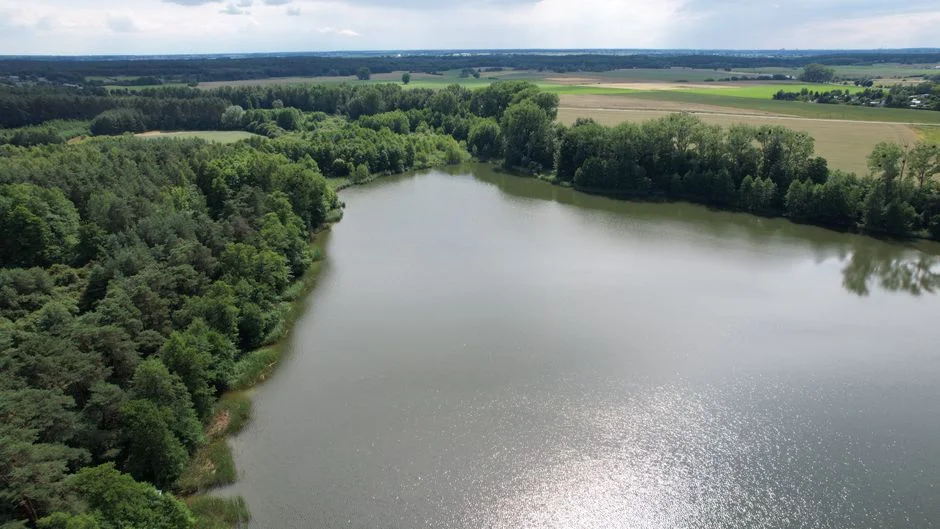
Most wetland failures are detectable 90 days before the effluent breaches. A recurring inspection cadence serves as the most effective insurance for the asset. Quarterly checks should include freeboard inspection (target: 300–500 mm above media in SSF beds; no surface ponding), plant cover percentage (target: > 80% in established beds), inlet/outlet head differential (a rising differential is the earliest clogging signal), and effluent BOD/COD/TSS trend plotted against the discharge limit. Annual checks add media core sampling in three locations (top, middle, drainage), an HRT tracer test, and a root-zone aeration assessment (redox profile at 100, 200, 300 mm depths).
Pretreatment is the most effective prevention strategy. Suspended solids removal upstream — typically a dissolved air flotation (DAF) system ahead of an equalization basin — controls bed life more than any other intervention, as it dictates the particulate load the substrate must digest. The CWA database tracks performance over time to provide benchmarks for operators (Cooper 2008); those who compare quarterly data against these benchmarks catch problems two to three seasons earlier than those who wait for regulatory notification. For projects facing similar pretreatment decisions in adjacent process trains, the industrial wastewater treatment project guide details compliance costing in comparable jurisdictions.
Frequently Asked Questions
What is the most common cause of constructed wetland failure?
Hydraulic clogging from inadequate pretreatment of suspended solids. The top 100 mm of substrate accumulates particulates above the 30 mg/L influent TSS design threshold, the bed short-circuits, and downstream treatment performance collapses within 12–24 months.
How long should a constructed wetland last?
Design life is 20–30 years for SSF and FWS beds with proper maintenance. Beds that receive organic or hydraulic overloading, or that were built with underspecified substrate, often require media rehabilitation or full replacement within 8–12 years.
Can a clogged constructed wetland be restored without full reconstruction?
Yes