What pH Discharge Limit Applies in Indonesia for 2026?
Under Indonesian Government Regulation PP No. 22 Tahun 2021 — the current national effluent quality standard, also called Baku Mutu Air Limbah (BMAL) — the pH discharge limit for most industrial wastewater is 6.0 to 9.0. The same 6.0–9.0 window is enforced across palm oil (PermenLKH 5/2014), textile finishing, food and beverage, and domestic effluent, and compliance is measured on the same channel as BOD, COD, TSS, and oil/grease per SNI 6989.59:2008 sampling protocol.
PP 22/2021 superseded the older water-quality-based PP 82/2001 framework, replacing "receiving-water-body capacity" calculations with a single point-of-compliance number. For the operator, this means there is no longer a debate about whether the receiving Ciliwung, Bengawan Solo, or Siak can absorb a pH 8.8 discharge — the rule is the same at every plant. Enforcement sits with the Ministry of Environment and Forestry (Kementerian Lingkungan Hidup dan Kehutanan, KLHK) at the national level, while the provincial Dinas Lingkungan Hidup (DLH) carries out the actual sampling and inspection. The compliance point is defined as the outlet of the on-site WWTP, before any mixing with cooling water, stormwater, or a third-party wastewater receiving ditch.
Non-compliance carries real teeth. A facility that fails pH along with BOD, COD, or TSS can drop from PROPER Gold or Green to Red or Black on its next assessment, and PP 22/2021 Article 261 empowers KLHK to impose administrative sanctions up to and including temporary activity suspension. In practice, a single pH excursion on a quarterly report is enough to trigger a follow-up audit within 60 days (HydropureWater field data, 2025-2026 plant audits in Riau and West Java).
Sector-Specific pH Limits Across Major Indonesian Industries
The headline 6.0–9.0 pH limit is standard across most sectors, though other parameters vary by industry. The table below consolidates the limits a process engineer in Indonesia is most often asked to defend. Always cross-check the relevant PermenLKH annex against the latest perda for the receiving river basin, because East Java, Banten, and DKI Jakarta have added tighter tributary-specific windows (commonly 6.5–8.5) for certain segments.
| Sector | Governing Rule | pH | BOD (mg/L) | COD (mg/L) | TSS (mg/L) | Oil & Grease (mg/L) | Ammonia (mg/L) |
|---|---|---|---|---|---|---|---|
| Palm oil mill effluent (POME) | PermenLKH P.5/2014 (Lampiran IV) | 6.0–9.0 | 50 | 100 | 250 | 25 | 10 |
| Textile finishing | PermenLKH P.16/2019 | 6.0–9.0 | 60 | 150 | 50 | 10 | — |
| Food & beverage (general) | PP 22/2021 Annex VII | 6.0–9.0 | 50 | 100 | 200 | 15 | 10 |
| Domestic WWTP (hotel, hospital, apartment) | PermenLKH P.68/2016 | 6.0–9.0 | 30 | 100 | 30 | 5 | 10 |
| Pharmaceutical manufacturing | PP 22/2021 Annex VI | 6.0–9.0 | 30 | 80 | 30 | 5 | 10 |
| Tannery / leather finishing | PermenLKH P.5/2014 (Annex IX) | 6.0–9.0 | 50 | 110 | 60 | 8 | — |
A few engineering notes that the table cannot show. Palm oil mills routinely hit 9.5–10.5 on the raw anaerobic effluent and need significant acid dosing to pull into range; textile dye-bath effluent can swing the other way to pH 3–4 because of acid-dye fixatives. Heavy-metal-bearing streams from electronics and electroplating that drop below pH 4 may simultaneously trigger PP 101/2014 hazardous-waste classification, which forces a separate manifest chain even if the neutralized effluent would otherwise pass. Sampling protocol under SNI 6989.59:2008 specifies a 2 L composite, refrigerated below 4 °C, and delivered to an accredited lab within 24 hours — a chain-of-custody detail that DLH inspectors check during unannounced visits.
How a pH Neutralization Treatment Train Is Built
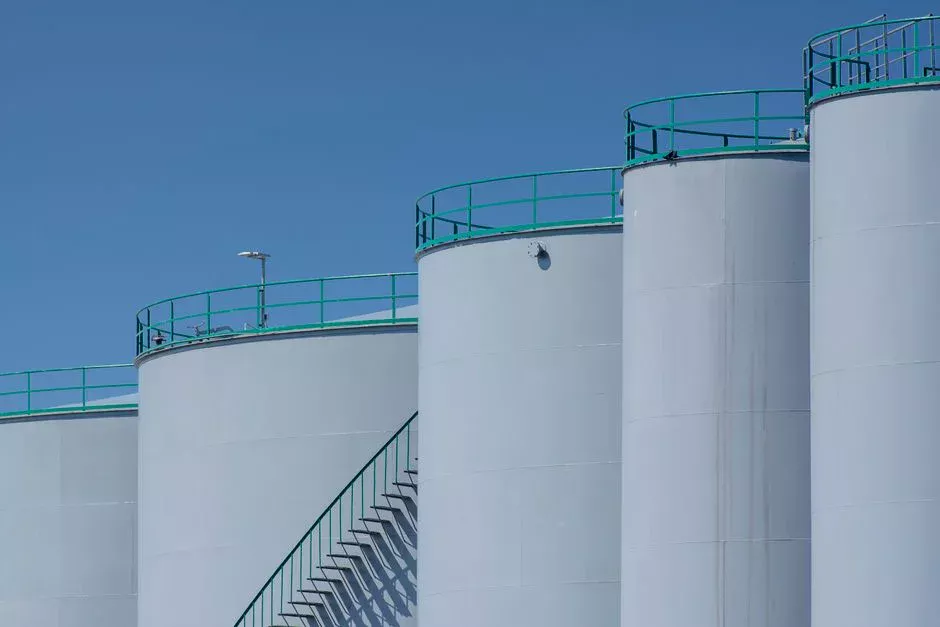
Industrial pH neutralization trains in Indonesia typically follow a specific sequence of physical and chemical stages. Every step is sized against the design flow and the worst-case pH excursion, not the average.
- Influent screening — 5–10 mm bar screen or rotary drum to remove fibers and rags that would foul the pH probe.
- Equalization tank — HRT 6–12 h, with mechanical aeration at 1.0–1.5 m³ air per m³ wastewater to homogenize pH swings. Sizing assumes peak shift-end flow and the pH delta from the production batch reactor.
- Inline pH probe and analyzer — combination glass electrode with PTFE junction feeding a 4–20 mA signal to the dosing PLC.
- Metering pump — H₂SO₄ at 93–98% concentration for alkaline streams; NaOH at 30–48% or Ca(OH)₂ slurry (5–10%) for acidic streams. 30% HCl is faster-reacting but costs roughly 2.0–2.5× more per kg of neutralization capacity than 98% H₂SO₄; lime is the cheapest reagent but adds 10–15% extra dry solids to the sludge train.
- Reaction / static mixer — either an in-line static mixer (pressure drop 0.3–0.8 bar) or a stirred reaction tank at HRT 10–20 min. For a 20 m³/h textile effluent, expect a 1,200–1,800 mL/min swing in 30% H₂SO₄ demand at the shift-change peak.
- Secondary pH verification probe — located downstream of the mixer, on a separate PLC input, with a hard-wired interlock to shut the dosing pump if measured pH leaves the 6.0–9.0 window.
- Downstream biological or physical treatment — most plants route neutralized effluent to a UASB, SBR, or MBBR; the neutralization step has to deliver a stable 7.0–7.5 setpoint so the biology is not shocked.
The PLC feedback loop is straightforward: dosing pump output modulates on a PID controller with a pH setpoint of 7.0–7.5, an alarm at 6.5 / 8.5, and a hard shutdown at 6.0 / 9.0. Tanks in acid service should be stainless-steel 316L or FRP with a vinyl-ester inner liner; polypropylene (PP) tanks are acceptable down to roughly pH 2 but become uneconomical above 60 °C. A pre-engineered PLC-controlled acid and caustic dosing skid typically integrates the pumps, mixers, instrumentation, and panel in a single frame and shortens on-site installation from 6–8 weeks to under 10 days. For greenfield sites without civil space, a buried package WWTP for Indonesian sites can carry the neutralization stage plus downstream BOD removal in a single footprint below the parking area. For a fuller cost-and-equipment view, the pH adjustment system cost and equipment breakdown guide gives a line-by-line bill of materials.
Designing for Compliance: pH Probe, Mixing, and Monitoring
Probe and mixing failures are the primary causes of pH-system failures in industrial audit reports. A fouled junction can hold a reading at pH 7.0 for hours while the actual stream is at 4.5, and a poorly mixed reactor creates a dead zone where the dosing pump never sees the acid it is pumping against.
For the probe, specify a combination glass electrode with a PTFE or double-junction reference, a pressure-tolerant body rated to at least 6 bar, and — for any stream with oil, grease, or fiber — an ultrasonic self-cleaning head. Mixing follows Camp's G-value rule: rapid-mix zone at 700–1,000 s⁻¹ to disperse the reagent, then a tapered flocculation zone at 30–80 s⁻¹ if the same reactor is also driving metal-hydroxide precipitation for heavy-metal removal. Monitoring is continuous inline pH logged at 1-minute intervals to a local historian, with a 6-hour composite pulled to an accredited lab and measured against SNI 6989.59:2008 (electrometric) and cross-checked with APHA 4500-H+ when KLHK inspectors request the reference method. Probe calibration runs weekly against 4.0 and 7.0 buffer; replacement cadence is 12–18 months in clean service and 6–9 months in oily or fibrous service (HydropureWater field data, 2024-2026).
Cost, ROI, and Lead Time for a Neutralization System
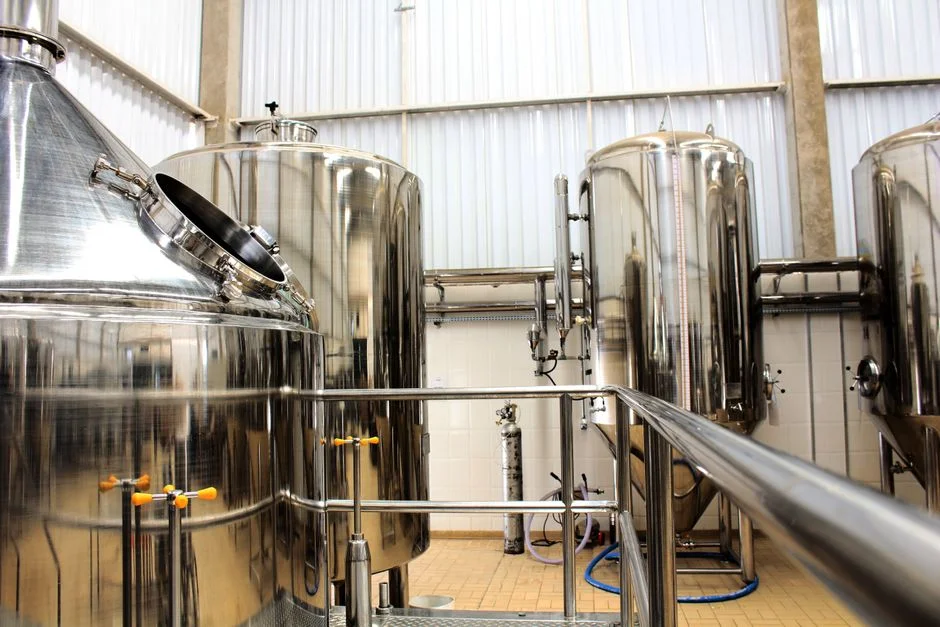
Budget numbers for a pH neutralization skid, including tank, dosing pumps, mixer, instrumentation, and control panel, typically fall into these bands for 2026 procurement:
- 20 m³/h skid: USD 8,000–35,000 CAPEX, OPEX USD 0.30–0.80 per m³ treated.
- 50 m³/h skid: USD 25,000–80,000 CAPEX, OPEX USD 0.25–0.60 per m³.
- 200 m³/h engineered system: USD 90,000–250,000 CAPEX, OPEX USD 0.20–0.45 per m³.
Chemical spend (NaOH or H₂SO₄) drives roughly 60% of OPEX; pumps, probes, and maintenance drive the balance. Lead time is 6–10 weeks for a pre-engineered skid ex-China and 12–16 weeks for a fully engineered containerized system with site-specific PLC logic. Indonesian import duty on treatment equipment falls in the 5–10% MFN band, and KLHK approval cycles move faster when the supplier provides factory acceptance test (FAT) data, SNI-aligned material certificates, and Bahasa-Indonesia operation manuals. Most operations recover the system cost inside 14–28 months by avoiding PROPER red/black penalties (which can cost more in lost community license-to-operate than the system itself) and by reusing the neutralized effluent for non-contact applications like garden irrigation, cooling-tower makeup, or boiler feed after polishing.
Frequently Asked Questions About pH Discharge Limit in Indonesia
Is pH 6.0–9.0 measured continuously or only on a sample