Industrial pH Adjustment System Cost Price: Real Numbers From the Field
Industrial pH adjustment system cost price in 2026 spans $7,500 for a basic 1–5 GPM skid to over $45,000 for a fully automated PLC-controlled unit rated for 500+ GPM. Pricing is driven by flow rate, chemical resistance (PVC versus stainless steel), dosing pump type, and the level of SCADA integration. Residential aquarium kits under $100 lack the materials, certifications, and control logic for industrial wastewater streams.
Why Industrial pH Adjustment Systems Cost More Than Online Listings Show
Industrial procurement managers often see online listings that advertise "automatic pH adjusters" starting at $36.99. An Alibaba OEM system priced around $70 is built for aquariums or hydroponics, with a maximum flow rate under 5 GPM and no industrial certifications for safety or durability. The VIVOSUN $36.99 kit is formulated for plant nutrient uptake in a controlled environment, not for continuous, corrosive wastewater treatment with variable flow and contaminant loads.
True industrial pH neutralization systems handle aggressive chemical concentrations such as 30% HCl or 50% NaOH, integrate with plant SCADA systems via Modbus, and maintain precise control under fluctuating influent conditions. That work needs heavy-duty components, advanced control logic, and corrosion-resistant materials, so the base cost lands in the thousands. The market splits into three tiers: consumer-grade systems for hobbies (<$100), light commercial units for small businesses ($1k–$3k), and industrial skids for manufacturing and processing plants ($7.5k–$50k+). An undersized unit risks non-compliance, equipment failure, and unplanned downtime.
How Flow Rate and Application Dictate pH System Cost
Flow rate is the primary driver of an industrial pH adjustment system's cost, because it sets the size of every tank, pump, and pipe downstream.
Low-flow designs under 10 GPM, used for laboratory effluent or small medical clinics, start at $7,500–$12,000. Medium-flow designs between 10–100 GPM, common in food processing, textile manufacturing, or metal finishing, run $12,000–$25,000. These must handle larger pH swings, which means bigger chemical storage tanks and more robust metering pumps.
High-flow systems for 100–500 GPM, used in municipal pre-treatment or large chemical plants, jump in complexity and price to $25,000–$40,000. The highest flow rates of 500+ GPM, found in major refineries and large-scale EPC projects, run $40,000–$60,000+. Wide influent pH swings further inflate cost by forcing oversized chemical storage and higher-capacity dosing pumps.
Core Components That Impact pH Adjustment System Pricing
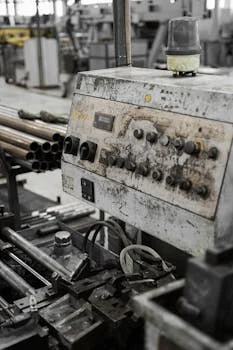
The selection of individual components creates a wide range in the final chemical dosing skid price. A detailed bill of materials is essential when comparing two quotes that look similar on paper.
The dosing pump is the heart of the system. Peristaltic pumps offer a lower upfront cost but require frequent tube replacements in caustic service. Diaphragm pumps cost 20–30% more initially, yet typically last three times longer with aggressive chemicals, which lowers total cost of ownership. The control system is another differentiator: basic relay logic adds roughly $1,500, while a full PLC with Modbus RTU communication for SCADA integration adds $4,500 or more.
Chemical storage tanks range from 50–500 L polyethylene units to more expensive fiberglass-reinforced or double-walled containment models. Material compatibility with the specific acid or base is critical. Standard pH probes work in some applications, but probes with automatic cleaning cut calibration drift and maintenance downtime. The skid material is a fundamental cost driver: a PVC-framed system starts around $7,000, while stainless steel 316L construction, mandatory in highly corrosive service, raises the base to $15,000 and beyond.
| Component | Standard Option | Premium Option | Cost Impact |
|---|---|---|---|
| Dosing Pump | Peristaltic | Diaphragm | +20-30% |
| Control System | Relay Logic | PLC with HMI | +$3,000+ |
| pH Sensor | Standard Probe | Auto-Cleaning | +$800–$1,200 |
| Skid Material | PVC | Stainless Steel 316L | +100%+ |
| Chemical Tank | Polyethylene (PE) | Fiberglass-Reinforced | +25-50% |
For a detailed breakdown of how these components integrate into a complete system, see our guide on selecting an industrial automatic chemical dosing system with PLC control.
Industrial pH Adjustment System Price Comparison Table
A side-by-side comparison of industrial-capable systems shows the gaps in specifications, capabilities, and delivery timelines.
When evaluating vendors, key differentiators include control architecture, materials of construction, and available flow range. Lead times matter as much as price: systems sourced from manufacturers with large-scale production facilities often ship in 2–3 weeks, which can shave months off a plant outage.
| Parameter | Commercial System A | Commercial System B | Industrial OEM (Asia) | HydropureWater Standard | European OEM |
|---|---|---|---|---|---|
| Flow Range (GPM) | 1-15 | 1-20 | 10-100 | 10-200 m³/h | 5-150 |
| pH Control Range | 4-10 | 5-9 | 2-12 | 2-12 | 2-12 |
| Pump Type | Peristaltic | Diaphragm | Diaphragm | Diaphragm | Diaphragm |
| Control System | Basic Controller | Basic Controller | Relay Logic | PLC with HMI | PLC |
| Standard Skid Material | PVC | PVC | PP | PVC/SS304 | SS316 |
| Price Range (USD) | $1,200-$1,800 | $2,400-$3,000 | $8,000-$15,000 | $12,000-$30,000 | $35,000-$55,000+ |
| Lead Time (Weeks) | 4-6 | 4-6 | 6-8 | 2-3 | 6-8 |
The table shows HydropureWater units in the mid industrial band on price, with PLC control and a 2–3 week lead time. For applications that also need disinfection, integrating a chlorine dioxide generator should be considered. Plants evaluating a complete treatment train can review our Underground Package Sewage Treatment Plant (WSZ Series) as a downstream option.
When to Choose a Custom pH Adjustment System
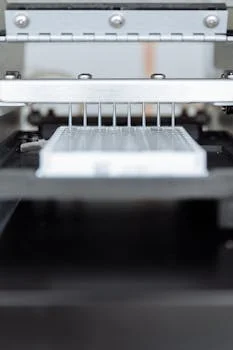
A custom-engineered pH correction dosing unit is necessary when off-the-shelf solutions cannot meet specific process, safety, or integration requirements, typically adding a 15–25% premium to the base price.
Customization is required for applications involving multiple chemical streams, extreme pH influent swings, or locations classified as hazardous. Deep integration with other wastewater treatment units also demands a tailored design.
The initial investment is higher, but a custom skid prevents future retrofitting costs and process inefficiencies. A pharmaceutical plant in Suzhou implemented a custom system, met discharge limits, and saved an estimated $18,000 annually in chemical costs. HydropureWater offers custom solutions, including skids with dual acid/base dosing and explosion-proof enclosures. Reviewing a standard industrial automatic chemical dosing system is the first step to understanding what level of customization is required.
How do you estimate maintenance cost in OPEX?
Maintenance cost in OPEX for a pH dosing skid is driven by pump wear parts, probe replacement, and calibration labor, not the capital line item alone. Budget tube or diaphragm kits on the interval your chemical and duty cycle demand, plus annual probe and buffer costs. Most plants we size for caustic or acid service replace wetted pump parts more often than the catalog suggests. Track chemical spend separately from equipment cost so you can see whether oversizing the pump or tank is raising reagent use.
How does equipment cost compare to chemical cost?
Equipment cost is the one-time skid price; chemical cost is the recurring acid or base spend that often exceeds capital within a few years at high flow. Right-sizing tank volume and pump capacity cuts both capital and reagent waste. A cheaper skid that overdoses under swing loads raises OPEX fast. Compare quotes on expected chemical use at your 95th percentile pH swing, not sticker price alone.
Selection Checklist: Matching Cost to Application
Before signing a purchase order, walk through these items with your vendor. Most plants we size run at the lower end of each flow bracket, so right-sizing matters more than buying headroom.
- Peak and average flow in GPM (m³/h), plus the 95th percentile pH swing.
- Chemical compatibility of wetted parts with the specific acid or base (PVC, PP, SS316L).
- Dosing pump type and expected tube or diaphragm replacement interval in service.
- Control architecture: relay logic, PLC with HMI, or full SCADA integration via Modbus RTU / 4–20 mA.
- pH sensor type and cleaning strategy, including calibration drift history.
- Skid material, frame rating, and certification for hazardous-area installation.
- Lead time, spares kit, and on-site commissioning scope.
Who this is for: plant engineers and procurement managers sizing industrial neutralization for continuous wastewater. Who should look elsewhere: hobby or aquarium buyers under 5 GPM. Next step: send your flow data and influent profile to our engineering team for a sized proposal. For more on selection, read our guide on how to select a chemical dosing system manufacturer. Understanding pH discharge limits and compliance requirements is also critical for system sizing.
Frequently Asked Questions
What is the cost of a pH correction system for industrial wastewater?
Base systems for low flow rates start at $7,500; fully automated PLC-controlled units for flows exceeding 500 GPM can exceed $45,000. The wide range reflects flow rate, materials, and control integration. Component choices such as diaphragm pumps, auto-cleaning probes, and SS316L skids push quotes toward the upper band. Always compare bills of materials, not headline price alone.
What does a pH adjuster do?
It automatically injects acid or base to stabilize wastewater pH between 6–9 to meet local discharge compliance regulations. According to 40 CFR 133.102, secondary-treatment effluent pH shall be maintained within 6.0 to 9.0 unless stated exceptions apply. A pH adjuster replaces manual dosing and reduces the risk of excursions during variable loading. Closed-loop control keeps the setpoint stable when influent swings.
What is a pH adjustment dosing system?
It is a skid-mounted unit that integrates chemical storage tanks, metering pumps, pH sensors, and a control system to automate chemical dosing based on real-time pH measurement. The skid approach simplifies installation and commissioning on a plant pad. Industrial units add Modbus or 4–20 mA links for SCADA. Material selection must match the acid or base in service.
How accurate is an automatic pH control system?
Modern PLC-controlled systems with closed-loop feedback can maintain pH within ±0.2 units of the setpoint. Actual performance depends on mixing, sensor response time, and chemical strength. Auto-cleaning probes reduce drift that would otherwise widen the control band. Poor mixing or delayed sensor response is a common cause of overshoot.
Can a pH system integrate with our plant SCADA?
Yes, industrial-grade systems offer integration via standard protocols like Modbus RTU and 4–20 mA analog outputs. Relay-only panels usually cannot expose the same tags without a PLC upgrade. Confirm register maps and alarm points during FAT so commissioning does not stall. SCADA visibility helps catch probe failures before a discharge excursion.